How to Stop Dandruff in Humidity: Your Scalp's Best Friend

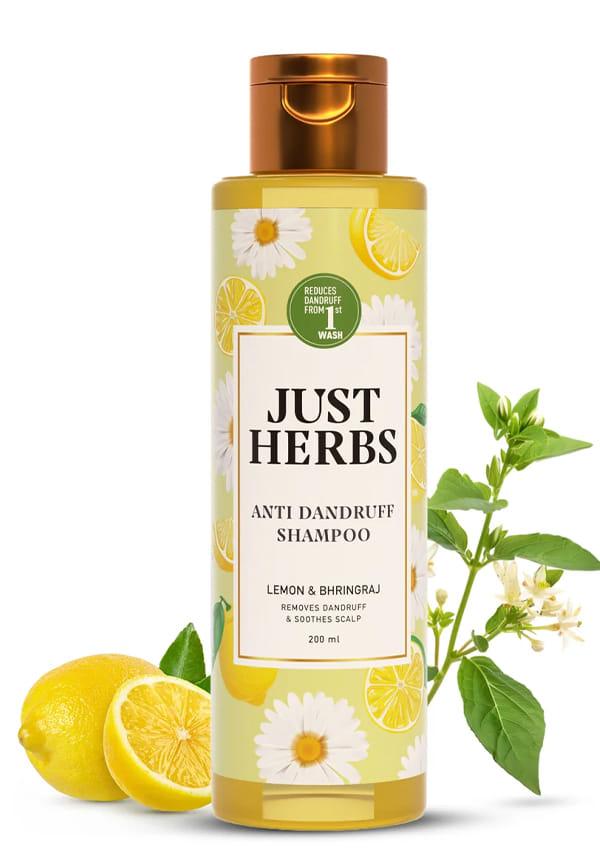
Anti Dandruff Shampoo | Lemon, Bhringraj & 12 Herbs
Favourite Product Ever
 5
5“this is my favourite product ever”
Affordable Favourite Shampoo
5“affordable and favourite shampoo”
Affordable Favourite Shampoo
5“affordable and favourite shampoo”
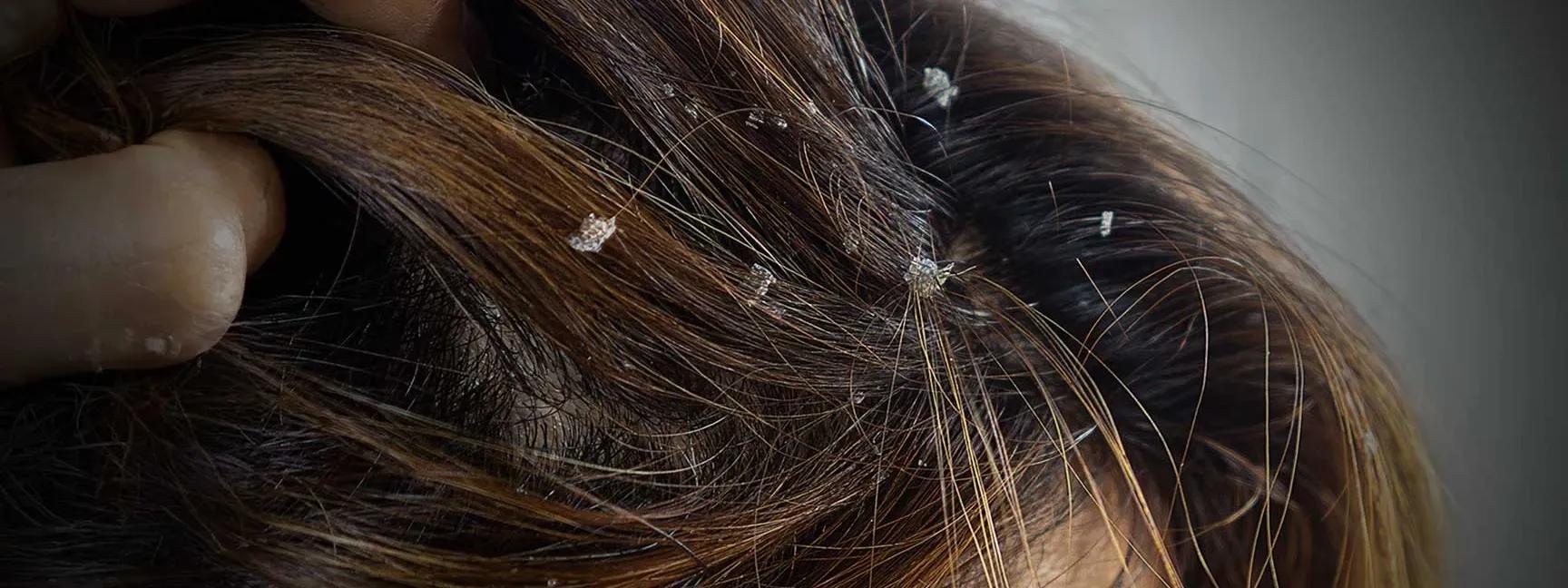
Let's be real—humidity and dandruff are like that toxic couple who just won't break up. The moment the weather gets sticky, your scalp decides to throw a flake party, and suddenly you're dealing with itchy, embarrassing white specks on your favourite black top. If you've been wondering how to stop dandruff in humidity, you're definitely not alone. Millions of people struggle with this combo, especially during monsoon season or in coastal cities where the air feels thick enough to swim through. To put it simply, humidity doesn't just make your hair frizzy—it creates the perfect storm for dandruff by ramping up oil production and giving fungus the warm, moist environment it absolutely loves. But here's the good news: with the right approach, you can totally get your scalp back under control. Whether you're dealing with mild flaking or a full-on snowfall situation, understanding why humidity triggers dandruff is your first step towards finding relief.
TL;DR: Humidity increases scalp oil production and creates ideal conditions for dandruff-causing fungus to thrive. Fast relief comes from cool water rinses, targeted treatments, and washing 3-4 times weekly in humid weather. Key ingredients to look for include ketoconazole, salicylic acid, zinc pyrithione, and tea tree oil. Natural remedies like apple cider vinegar rinses and aloe vera treatments can provide gentle relief. Managing both frizz and dandruff requires sulfate-free formulas and proper moisture-protein balance.
Here's the thing about humidity and your scalp—it's basically a love story gone wrong. When the air gets thick with moisture, your scalp basically goes into overdrive mode, producing way more oil than usual. This excess sebum doesn't just make your roots look greasy—it creates the perfect breeding ground for Malassezia, the fungus that's behind most dandruff cases.
Think of it this way: your scalp in humid weather is like a tropical rainforest for microscopic organisms. The combination of increased oil production, sweat accumulation, and that warm, moist environment gives fungus everything it needs to multiply rapidly. This is why humidity dandruff control becomes so much more challenging than dealing with dry-weather flakes.
Your scalp's pH balance gets completely thrown off in humid conditions. A healthy scalp pH generally ranges around 4.5 to 5.5, but humidity can push it towards alkaline territory, making it easier for harmful bacteria and fungus to take over. Plus, when you're sweating more, that moisture mixes with natural oils and dead skin cells, creating a sticky mess that clogs follicles and irritates your scalp.
Not all flakes are created equal, and recognising humidity-specific symptoms helps you tackle the problem more effectively. Look out for oily, yellowish scales rather than dry white flakes, increased itching that gets worse throughout the day, and that annoying cycle where washing seems to help temporarily but the problem comes back within 24 hours.
When you need dandruff relief humid weather style, speed matters. Nobody wants to deal with visible flakes during an important meeting or date night. The key is understanding that humidity-triggered dandruff needs a different approach than regular dry scalp issues.
Your scalp is basically crying out for balance—not too dry, not too oily, and definitely not too fungus-friendly. Managing scalp in high humidity requires both immediate relief tactics and longer-term strategies that address the root cause.
Cool water rinses are your best friend when you need quick relief. Hot water might feel amazing, but it actually stimulates more oil production, which is the last thing you want. Rinse with cool water for the final 30 seconds of your shower to help calm inflammation and reduce that itchy feeling.
For emergency situations, a targeted spot treatment using diluted tea tree oil (mix 2-3 drops with a tablespoon of carrier oil) can provide almost instant relief from itching. Just remember to patch test first because tea tree can be quite potent.
In humid climates, washing frequency becomes crucial. Most people think daily washing is the answer, but that can actually strip your scalp and trigger even more oil production. Aim for 3-4 times weekly, using a gentle, sulfate-free formula that won't over-dry your scalp.
Proper scalp drying is equally important. After washing, gently towel-dry your hair and use a blow dryer on cool setting to ensure your scalp is completely dry. Leaving moisture trapped against your scalp is like sending an invitation to fungus.
Choosing the right anti-dandruff shampoos that work in humid weather requires understanding which active ingredients actually work against fungal overgrowth. Not all anti-dandruff formulas are designed to cope with the extra challenges that humid weather brings.
The best hair products for humid dandruff typically combine antifungal ingredients with oil-controlling elements, plus gentle moisturising components to prevent your scalp from getting too dry and irritated.
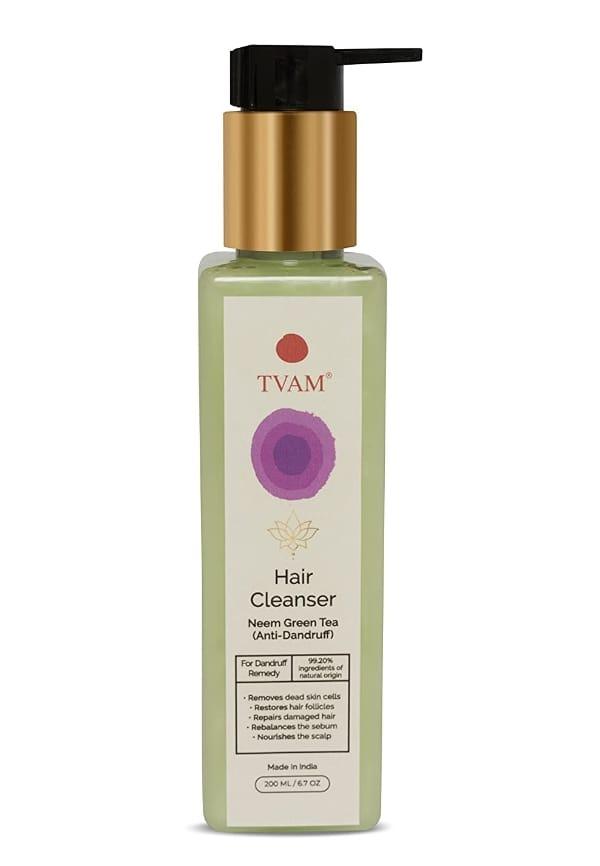
Hair Cleanser - Neem Green Tea - Anti-Dandruff
Ketoconazole is probably the most effective antifungal ingredient you can find in over-the-counter products. It directly targets Malassezia fungus and provides longer-lasting relief than many other options. Look for 1-2% concentration for best results.
Salicylic acid works brilliantly for exfoliating away built-up flakes and excess oil, which is exactly what you need in humid conditions. It helps unclog follicles and prevents that sticky buildup that makes dandruff worse.
Zinc pyrithione is fantastic for regulating oil production while fighting fungus. It's gentler than some other actives, making it perfect for people with sensitive scalps who still need serious dandruff control.
Rotation is key when dealing with stubborn humidity-triggered dandruff. Use your strongest antifungal shampoo 2-3 times per week, and alternate with a gentler, moisturising formula to prevent over-drying. This prevents your scalp from getting used to one ingredient and becoming less responsive.
Leave medicated shampoos on your scalp for 3-5 minutes before rinsing. This contact time is crucial for the active ingredients to actually penetrate and do their job properly.
Sometimes the gentlest approach works best, especially if you have sensitive skin or prefer avoiding harsh chemicals. Natural dandruff remedies humidity can handle often focus on balancing your scalp's pH and creating an environment that's less hospitable to fungus.
The beauty of natural remedies is that they're usually gentler on your scalp while still being effective. Plus, most ingredients are probably already sitting in your kitchen cupboard.
Apple cider vinegar is absolutely brilliant for restoring your scalp's natural pH balance. Mix one part ACV with three parts water and use it as a final rinse after shampooing. The acidity helps create an environment where fungus can't thrive.
Aloe vera gel provides cooling relief from itching while delivering gentle antimicrobial properties. Apply fresh aloe gel directly to your scalp, leave for 15-20 minutes, then rinse with cool water.
Baking soda works as a gentle exfoliant to remove buildup without being too harsh. Mix a tablespoon with water to form a paste, massage gently into wet scalp, then rinse thoroughly.
Tea tree oil is probably the most researched natural antifungal for scalp issues. Never use it undiluted—mix 5-10 drops with a tablespoon of coconut or jojoba oil for a powerful yet gentle treatment.
Neem leaves have incredible antifungal properties. Boil a handful of fresh neem leaves in water, let it cool, strain, and use as a scalp rinse. It might smell a bit strong, but the results are worth it.
Sometimes the most effective solutions aren't about what you put on your scalp, but how you live your daily life. Preventing scalp flakes humidity causes often comes down to making smart choices about your environment and habits.
Your haircare for humid climates strategy should extend beyond just products to include everything from what you wear to how you sleep.
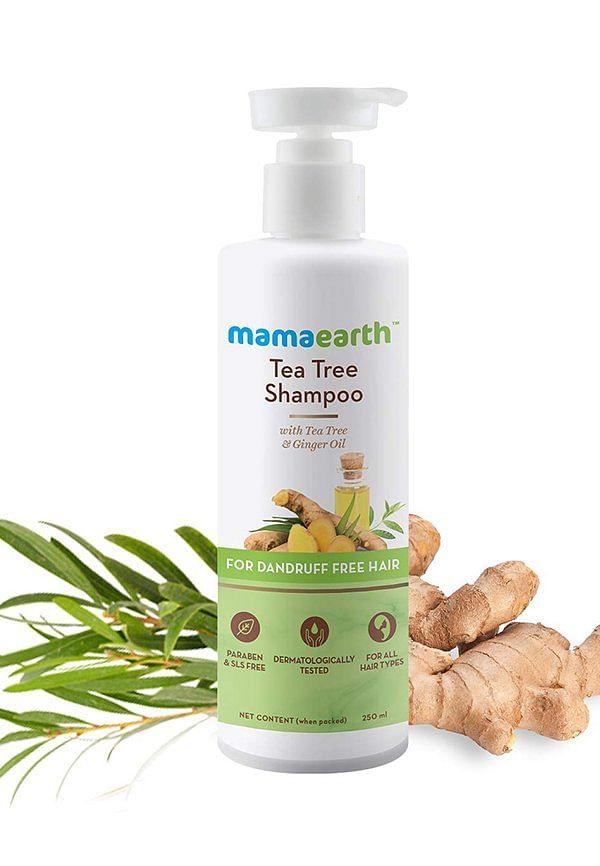
Tea Tree Anti Dandruff Shampoo With Tea Tree & Ginger Oil
Effective Anti-Dandruff Shampoo
5“it's very effective and anti dandruff shampoo”
Effective Anti-Dandruff Shampoo
5“it's very effective and anti dandruff shampoo”
Effective Anti-Dandruff Shampoo
5“it's very effective and anti dandruff shampoo”
Choose cotton or bamboo clothing over synthetic fabrics, especially around your neck and shoulders. Synthetic materials trap heat and moisture, creating a microclimate that encourages scalp sweating and fungal growth.
Avoid wearing tight caps, headbands, or helmets for extended periods. If you must wear them (like for work or sports), make sure to wash your hair as soon as possible afterwards and consider using a moisture-wicking liner.
Change your pillowcase at least twice weekly, and consider using a silk or satin pillowcase that's less likely to absorb oils and bacteria from your scalp.
If possible, keep indoor humidity between 40-60% using a dehumidifier. This range is comfortable for humans but less ideal for fungal growth. Air conditioning helps, but make sure to clean filters regularly to prevent circulating mould spores.
After workouts or any activity that makes you sweat, rinse your scalp with cool water even if you're not doing a full wash. This removes sweat and salt buildup that can irritate your scalp and feed fungus.
Here's where things get tricky—humidity often causes both frizz and dandruff, but the treatments for each can sometimes work against each other. Finding a frizz and dandruff solution that addresses both issues requires a bit of strategic thinking.
The key is understanding that both problems often stem from moisture imbalance, just in different ways. Your hair shaft might be crying out for hydration while your scalp is drowning in excess oil and moisture.
Sulfate-free shampoos are your best bet for managing both issues. Sulfates can strip your hair of natural oils, leading to frizz, while also potentially irritating your scalp and triggering more oil production.
Focus on getting the protein-moisture balance right. Use protein treatments on your hair lengths to combat frizz, but keep them away from your scalp where they might contribute to buildup. Follow with lightweight, non-comedogenic oils on the mid-lengths and ends only.
Protective styling becomes crucial in humid weather. Loose braids, buns, or updos keep hair off your neck and reduce the amount of moisture and sweat that gets trapped against your scalp.
Apply anti-dandruff treatments to your scalp first, let them do their work, then apply frizz-control products only to your hair lengths. This prevents ingredients from interfering with each other and ensures each area gets what it needs.
Consider using different products for different seasons. What works during dry winter months might be too heavy for humid summer weather.
Sometimes, despite your best efforts, humidity-triggered dandruff just won't budge. Knowing when to stop itchy scalp humidity issues with professional help can save you months of frustration and potential scalp damage.
Don't feel like you've failed if home remedies aren't cutting it. Some cases of dandruff are actually symptoms of underlying conditions that need medical treatment.
If you're experiencing thick, crusty scales that bleed when removed, this could indicate seborrheic dermatitis or psoriasis rather than simple dandruff. Similarly, if the flaking spreads to your eyebrows, behind your ears, or other areas of your body, it's definitely time to see a dermatologist.
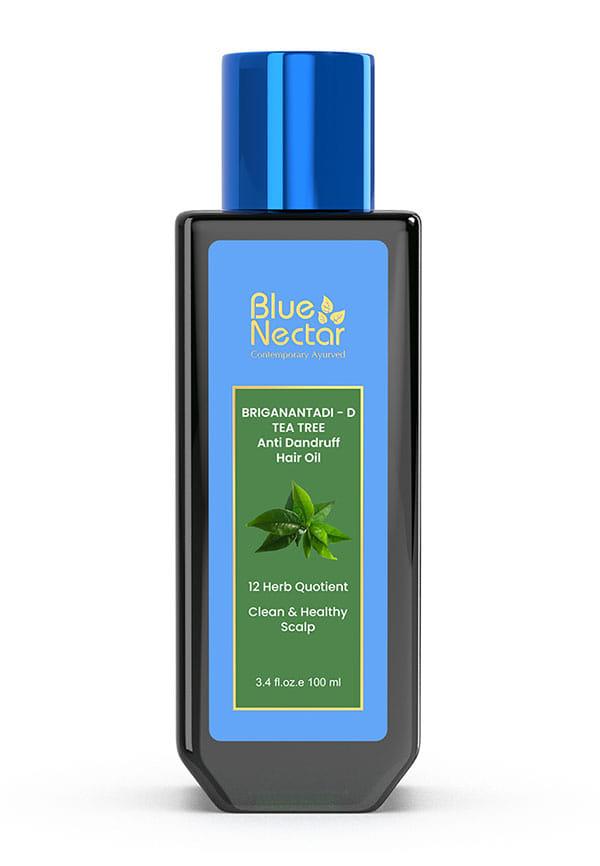
Tea Tree Anti Dandruff and Healthy Scalp Oil 12 Herbs
Hair loss accompanying dandruff is another serious sign. While some hair shedding is normal, if you're noticing bald patches or significantly thinning areas, professional evaluation is crucial.
Dermatologists can prescribe stronger antifungal shampoos with higher concentrations of active ingredients than what's available over-the-counter. They might also recommend prescription topical treatments or even oral medications for severe cases.
In-office treatments like scalp peels or light therapy can provide relief for stubborn cases that don't respond to traditional treatments.
Humidity increases your scalp's oil production and creates the warm, moist environment that Malassezia fungus loves. This combination leads to more rapid fungal growth and increased flaking, making dandruff much more noticeable and persistent in humid conditions.
Aim for 3-4 times per week with an anti-dandruff shampoo. Daily washing can actually strip your scalp and trigger more oil production, while washing too infrequently allows buildup to accumulate. Finding this sweet spot is crucial for humidity dandruff control.
Yes, but apply them strategically. Use anti-dandruff treatments on your scalp first, then apply frizz-control products only to your hair lengths and ends. Avoid getting heavy, oil-based frizz products on your scalp as they can worsen dandruff.
Many natural remedies can be quite effective, especially apple cider vinegar rinses and tea tree oil treatments. However, severe cases might need stronger antifungal ingredients. Natural remedies work best as part of a comprehensive approach rather than standalone solutions.
Most people notice some improvement within 2-4 weeks of consistent use. However, completely controlling humidity-triggered dandruff might take 6-8 weeks, especially if you're also making lifestyle changes. Patience and consistency are key to success.
No, air conditioning can actually help by reducing humidity levels. Just make sure to keep your AC filters clean and avoid sitting directly under cold air streams, which can dry out your scalp and potentially trigger more oil production. Finding the right balance is essential when you're trying to stop dandruff in humidity.
Conquering dandruff in humid conditions isn't about finding one magic solution—it's about creating a comprehensive strategy that addresses both the fungal overgrowth and the environmental factors that trigger it. The most effective approach combines the right products with smart lifestyle choices and realistic expectations about timing.
Remember that humidity dandruff control requires patience and consistency. What works for your friend might not work for you, so don't be afraid to experiment with different combinations of treatments until you find your perfect routine. The key ingredients to focus on are ketoconazole, salicylic acid, and zinc pyrithione, but natural remedies like apple cider vinegar and tea tree oil can provide excellent support.
Most importantly, don't let dandruff control your life or make you avoid activities you love. With the right approach, you can absolutely manage both frizz and dandruff, even in the most challenging humid conditions. And if over-the-counter solutions aren't cutting it after 6-8 weeks of consistent use, there's no shame in seeking professional help—sometimes underlying conditions need medical treatment to resolve completely.
Finding the right products to stop dandruff in humidity doesn't have to be an expensive guessing game. Smytten is India's largest minis collection and product discovery platform, connecting consumers with top lifestyle, beauty, wellness, and grooming brands through curated trial packs from over 2,400 trusted brands. Whether you're looking to try before you buy that highly-rated anti-dandruff shampoo or test a new natural scalp treatment, Smytten's mini-sized products let you explore and experience different solutions before committing to full-size purchases. With up to 8 Trial Points for just ₹249 and 100% cashback on trials redeemable for future orders, you can experiment with various humidity dandruff control products without the financial risk. The platform's extensive haircare collection means you can explore what actually works for your unique hair and scalp situation, offering India's largest minis collection. After all, why settle for 'maybe' when you can #TryItAll and discover what actually works for your unique hair and scalp situation?
