How to Stop Dandruff: Effective Treatments for an Itchy Scalp

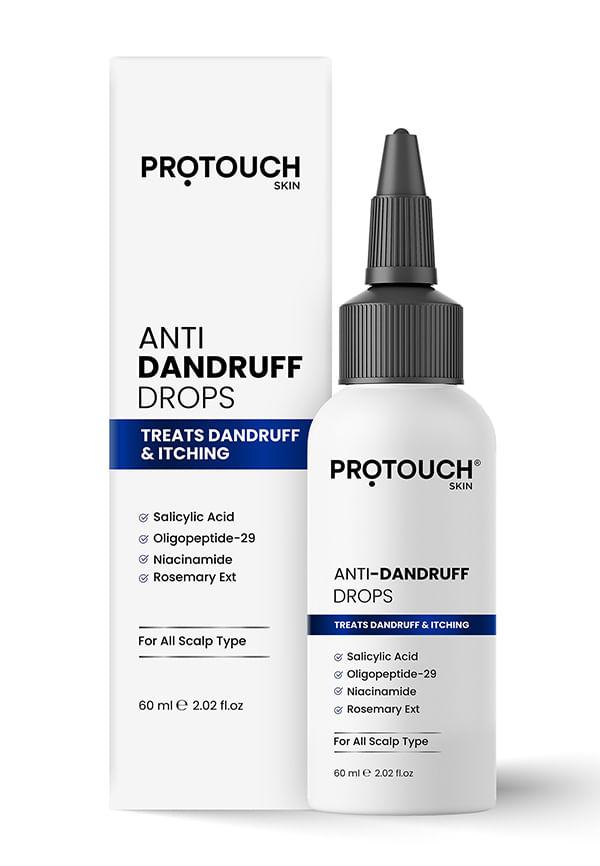
SKIN Anti Dandruff Drops Serum Soothes Itchy, Inflamed Scalp
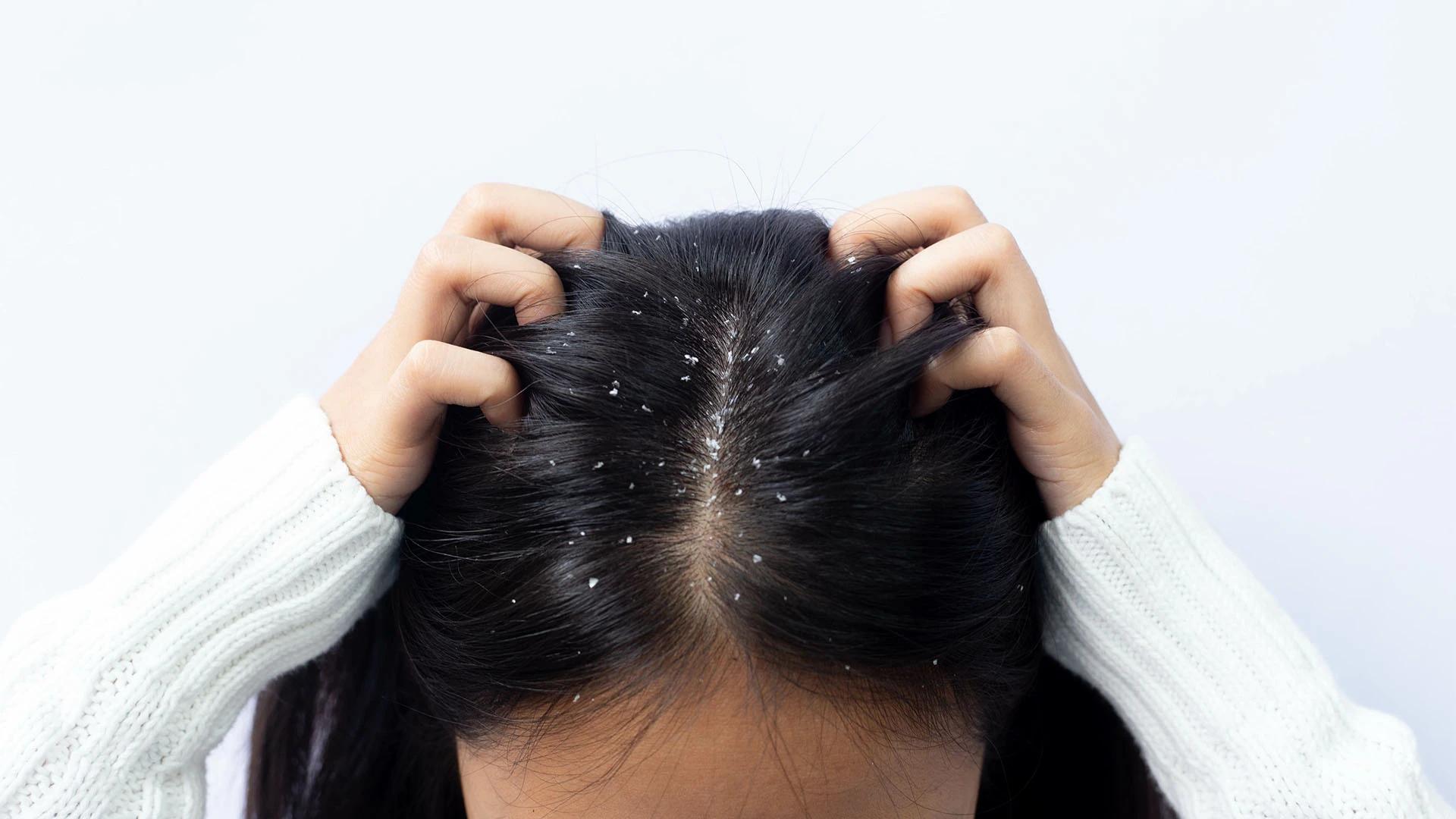
Picture this: you're getting ready for an important meeting, and as you run your fingers through your hair, white flakes start falling onto your black shirt like unwelcome confetti. Sound familiar? That itchy, flaky scalp situation is more common than you think, affecting nearly half the population at some point. The good news? Learning how to stop dandruff doesn't have to be a mystery. With the right approach and some patience, you can get your scalp back to feeling comfortable and flake-free.
Let's get real about what's actually happening up there. Dandruff isn't just about having a "dirty" scalp—it's way more complex than that. The main culprit behind those pesky flakes is a yeast called Malassezia that naturally lives on everyone's scalp. When this yeast decides to throw a party and multiply too quickly, it breaks down the natural oils on your scalp, causing irritation and speeding up skin cell turnover.
Here's where it gets interesting: dandruff causes can vary quite a bit from person to person. Some people deal with oily scalp dandruff, where excess sebum feeds the yeast, while others struggle with dry scalp that flakes due to lack of moisture. Stress, hormonal changes, cold weather, and even certain hair products can trigger flare-ups. When dandruff becomes more severe and spreads beyond your scalp to areas like your eyebrows or behind your ears, it might actually be seborrheic dermatitis—essentially dandruff's more intense cousin.
Not all flakes are created equal. True dandruff typically shows up as yellowish or white flakes that are slightly oily to the touch, accompanied by an itchy scalp. Dry scalp, on the other hand, produces smaller, drier flakes and often feels tight. If you're seeing thick, silvery scales or red patches, you might be dealing with psoriasis instead, which definitely needs a dermatologist's attention.
When it comes to effective dandruff treatment, medicated shampoos are your best starting point. These aren't your regular cleansing shampoos—they're formulated with specific active ingredients designed to tackle the root causes of dandruff. The key is finding the right one for your scalp type and sticking with it long enough to see results.
Think of medicated dandruff shampoo as your scalp's personal trainer. Just like you wouldn't expect to get fit after one gym session, you can't expect dandruff to disappear after one wash. Most people start seeing improvement after 2-3 weeks of consistent use, with full results typically showing up around the 4-6 week mark.
Ketoconazole is probably the heavyweight champion of antifungal ingredients. It directly targets Malassezia yeast and is particularly effective for stubborn cases. Selenium sulfide works similarly but can be a bit drying, so it's worth alternating with gentler options. Zinc pyrithione offers excellent yeast control while being gentler on your scalp, making it perfect for regular use.
Here's the technique that actually works: apply the shampoo to wet hair, massage it into your scalp (not just your hair), and then—this is crucial—let it sit for 5-10 minutes before rinsing. This contact time allows the active ingredients to do their job properly. Start with 2-3 times per week, and once your dandruff is under control, you can reduce to once or twice weekly for maintenance.
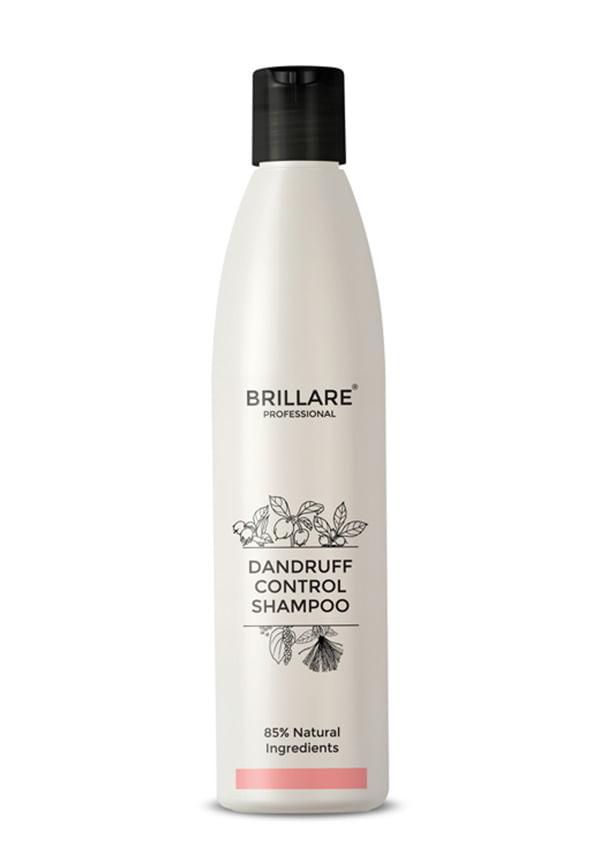
Dandruff Control Shampoo For Itchy, Flaky Scalp
While medicated shampoos are often the most effective dandruff treatment, natural remedies can be brilliant supporting players in your anti-dandruff routine. The best part? Many of these itchy scalp remedies use ingredients you might already have at home.
Natural treatments work best when you understand what they're actually doing for your scalp. Some ingredients have antifungal properties that help control yeast overgrowth, while others focus on moisturising and soothing irritated skin. The trick is finding the right combination that works for your specific scalp needs.
Tea tree oil is like nature's antifungal powerhouse. Studies show it can be as effective as some medicated treatments when used correctly. Always dilute it though—mix 5-10 drops with a carrier oil like coconut oil before applying to your scalp. Leave it on for 20-30 minutes before shampooing as usual.
For those dealing with dry scalp relief needs, coconut oil provides deep conditioning while also having mild antifungal properties. Aloe vera gel soothes inflammation and provides moisture without being too heavy. Try mixing equal parts of both for a pre-shampoo treatment that addresses multiple scalp concerns at once.
Your scalp's pH balance plays a bigger role in dandruff than most people realise. Apple cider vinegar helps restore the slightly acidic environment that keeps yeast growth in check. Mix one part vinegar with two parts water, apply to damp hair, let it sit for 15 minutes, then rinse thoroughly.
Your washing routine can make or break your dandruff treatment efforts. It's not just about what products you use—how you use them matters just as much. Getting these scalp care tips right can significantly speed up your progress and help prevent future flare-ups.
The biggest mistake people make is either overwashing or underwashing their hair when dealing with dandruff. Both extremes can actually make the problem worse by either stripping your scalp of natural oils or allowing buildup that feeds the yeast.
If you have an oily scalp, washing every other day or even daily might be necessary to keep oil levels in check. For dry scalp relief, limit washing to 2-3 times per week to avoid further drying out your skin. Pay attention to how your scalp feels—it should never feel tight or overly greasy.
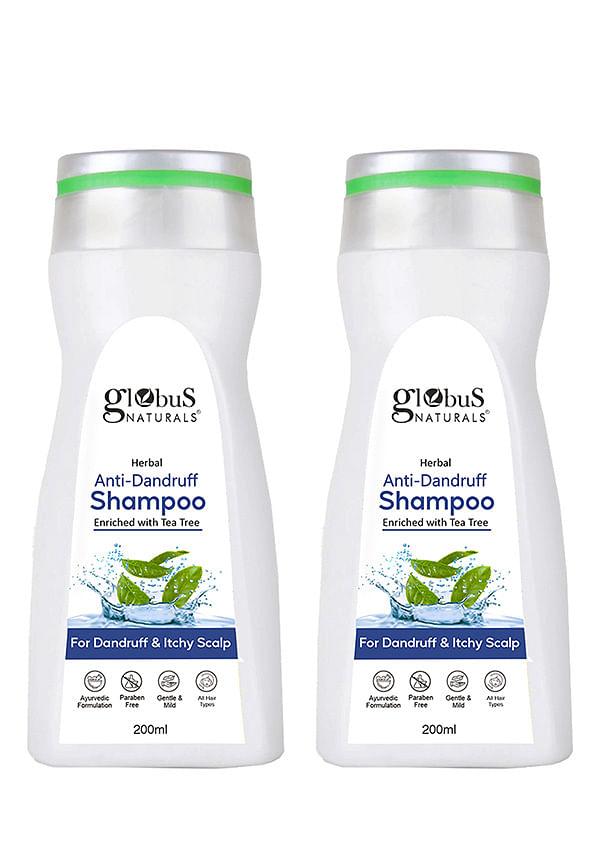
Anti Dandruff Shampoo, For Dandruff and Itchy Scalp
Hot water might feel amazing, but it's actually working against you by stripping natural oils and potentially irritating your scalp further. Stick to lukewarm water and focus on gently massaging your scalp with your fingertips—never your nails. Thorough rinsing is crucial too, as leftover product residue can contribute to buildup and irritation.
While topical treatments are essential, addressing dandruff from the inside out can help you achieve longer-lasting results. Your overall health, stress levels, and daily habits all play a role in scalp health. Think of this as your holistic approach to haircare for dandruff.
The connection between lifestyle and scalp health is stronger than most people realise. Chronic stress can trigger hormonal changes that affect oil production, while poor nutrition can compromise your skin's ability to maintain its natural barrier function.
Stress doesn't just affect your mood—it can literally trigger dandruff flare-ups by disrupting your scalp's natural balance. Regular exercise, meditation, or even just ensuring you get enough sleep can help keep stress-related dandruff at bay. Find what works for you and make it a non-negotiable part of your routine.
Your scalp is skin, and like all skin, it benefits from proper nutrition. Zinc, B-vitamins (especially biotin), and omega-3 fatty acids support healthy skin cell turnover and oil production. Foods rich in these nutrients include fish, nuts, seeds, and leafy greens. Some people also find that reducing sugar and processed foods helps minimise flare-ups.
Take a hard look at your styling products—some ingredients can feed yeast or irritate sensitive scalps. Heavy oils, certain alcohols, and products that build up over time can all contribute to dandruff. Switch to lighter, water-based products when possible, and always ensure you're removing them completely during washing.
Sometimes, despite your best efforts with over-the-counter treatments and natural remedies, dandruff just won't budge. This doesn't mean you're doing something wrong—it might mean you need professional help to tackle a more complex scalp condition.
Red flag symptoms that warrant a dermatologist visit include severe itching that interferes with sleep, thick crusty patches, hair loss in affected areas, or dandruff that spreads to other parts of your body. These could indicate seborrheic dermatitis, psoriasis, or another condition that requires prescription treatment. Professional scalp analysis can also help identify specific triggers you might have missed.
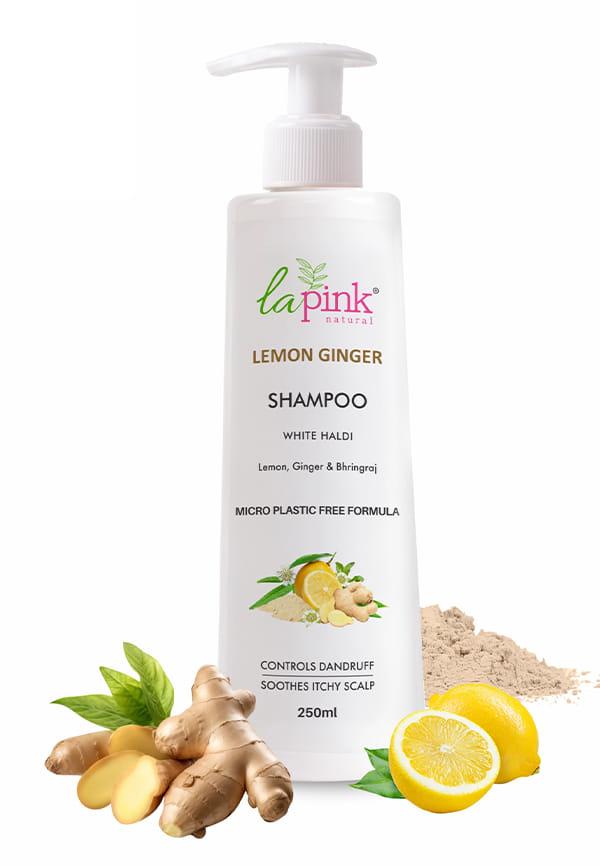
Lemon Ginger Shampoo with White Haldi to Control Dandruff & Soothe Itchy Scalp
We've all been there—you have an important event coming up and your dandruff decides to make an unwelcome appearance. While these flaky scalp solutions won't cure the underlying issue, they can help you look presentable in a pinch.
For immediate flake removal, try gently brushing your hair with a fine-tooth comb before styling. A quick scalp massage with a few drops of tea tree oil mixed with your regular shampoo can provide temporary relief from itching. Dry shampoo can also help absorb excess oil and disguise minor flaking, though it's not a long-term solution.
Use a medicated dandruff shampoo with ketoconazole or zinc pyrithione, massage it into your scalp for 5-10 minutes before rinsing, and apply 2-3 times weekly. For additional relief, try tea tree oil treatments between washes. Most people see improvement within 2-3 weeks of consistent use.
Tea tree oil, apple cider vinegar, and coconut oil all have antifungal properties that help combat the Malassezia yeast responsible for dandruff. These natural remedies work best when used consistently alongside proper scalp hygiene and gentle cleansing techniques.
While there's no permanent cure, you can effectively control dandruff long-term by combining medicated shampoo treatments with natural remedies like aloe vera, maintaining a consistent hair washing routine, managing stress levels, and avoiding products that irritate your scalp.
The primary cause is Malassezia yeast overgrowth on the scalp, which breaks down natural oils and causes skin cell turnover to speed up. This process is often triggered by factors like excess oil production, stress, hormonal changes, and certain hair products.
Dandruff is typically a chronic condition that can be managed rather than permanently cured. However, with the right combination of medicated treatments, lifestyle changes, and consistent scalp care, most people can keep it well-controlled with minimal flare-ups.
Dealing with dandruff can feel frustrating, but remember that it's incredibly common and absolutely treatable. The key is finding the right combination of treatments that work for your specific scalp type and lifestyle. Whether you go the medicated route, prefer natural remedies, or combine both approaches, consistency is your best friend.
Your scalp care journey might involve some trial and error, but that's completely normal. What works for your friend might not work for you, and that's okay. Pay attention to how your scalp responds to different treatments and adjust accordingly. With patience and the right approach, you can get your scalp feeling comfortable and confident again.
If you're looking to try different dandruff treatments without committing to full-size products, Smytten offers trial-size versions of many scalp care products from trusted brands. It's a smart way to test what works for your hair before investing in larger bottles, plus you'll earn cashback that you can use towards your next purchase when you find your perfect match.
