How to Start Scalp Care for Beginners: Achieve Healthy Scalp

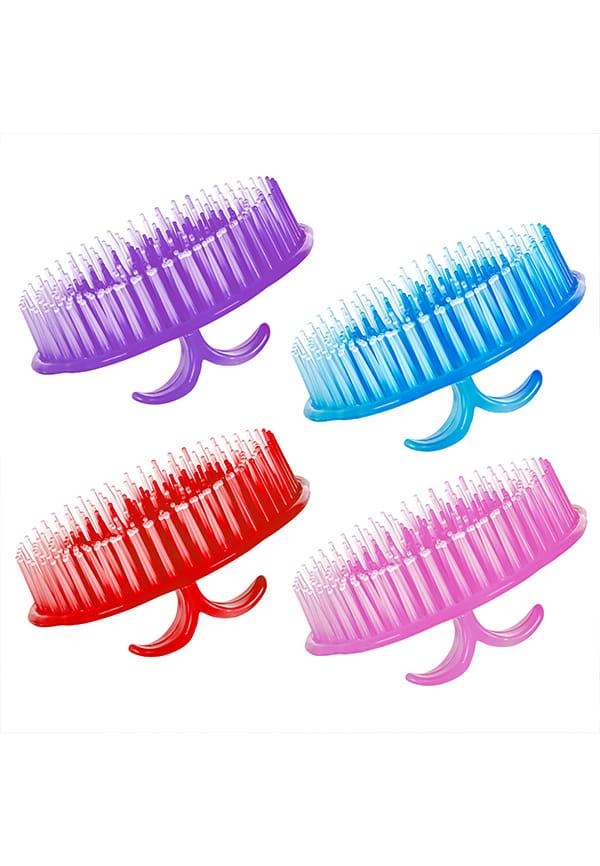
Hand Grip Round Comb & Scalp Massager | Small Round Hair Comb Shampoo Brush Scalp Massage
You know that moment when you realise your scalp feels tight, itchy, or just... off? Maybe you've been focusing on your hair strands while completely ignoring the skin underneath. Real talk — your scalp is literally the foundation for everything happening up there, and if it's not happy, your hair won't be either. Getting into scalp care for beginners doesn't have to be overwhelming or expensive. It's actually simpler than you think, and once you start, you'll wonder why you waited so long to give your scalp the attention it deserves.
Let's start with the basics — your scalp is skin, just like the rest of your body. It produces oil, sheds dead cells, and can get irritated, dry, or oily depending on various factors. A healthy scalp should feel comfortable, look relatively clear (maybe with a slight pink tint), and not have excessive flaking, redness, or that constant urge to scratch.
When your scalp health is compromised, you might notice dandruff, an itchy scalp that won't quit, excessive oiliness, or the opposite — a dry scalp that feels tight and uncomfortable. These issues don't just affect how your scalp feels; they directly impact your hair follicle health. Think of your hair follicles as tiny gardens — if the soil (your scalp) isn't in good condition, the plants (your hair) won't thrive.
The connection between scalp care and your overall haircare routine is stronger than most people realise. A clogged, inflamed, or imbalanced scalp can lead to weaker hair growth, increased hair fall, and that frustrating feeling that no matter what products you use on your hair, nothing seems to work properly.
Just like your skin, your scalp has a type, and understanding yours is crucial for effective scalp care for beginners. A dry scalp often feels tight, especially after washing, and you might notice small, white flakes that aren't necessarily dandruff. This type usually comes with less oil production and can feel uncomfortable or itchy.
An oily scalp, on the other hand, tends to feel greasy within a day or two of washing. You might find that your hair looks flat at the roots quickly, and there could be a slightly different scent or feeling to your scalp. This doesn't mean you're doing anything wrong — some people just naturally produce more sebum.
If you're dealing with an itchy scalp that seems sensitive to products, heat, or even stress, you might have a sensitive scalp type. This can overlap with dry or oily characteristics but is primarily defined by reactivity and discomfort.
Starting scalp care for beginners doesn't require a complete overhaul of your current routine. The key is consistency and gentleness. Your basic routine should include four main steps: preparation, cleansing, treatment, and protection. Each step serves a specific purpose in maintaining optimal scalp health.
Preparation often involves a scalp massage, which isn't just relaxing — it actually stimulates blood circulation to your hair follicles. This increased blood flow brings nutrients to the area and can help with overall hair follicle health. You can do this with clean fingers or a specialised scalp massage tool, using gentle circular motions for about 2-3 minutes.
Cleansing is about more than just shampooing your hair. When you're focusing on scalp health, you want to ensure you're actually cleaning the scalp itself, not just the hair strands. This means working the cleanser into your scalp with your fingertips (never your nails) and really focusing on areas that tend to get oily or build up product.
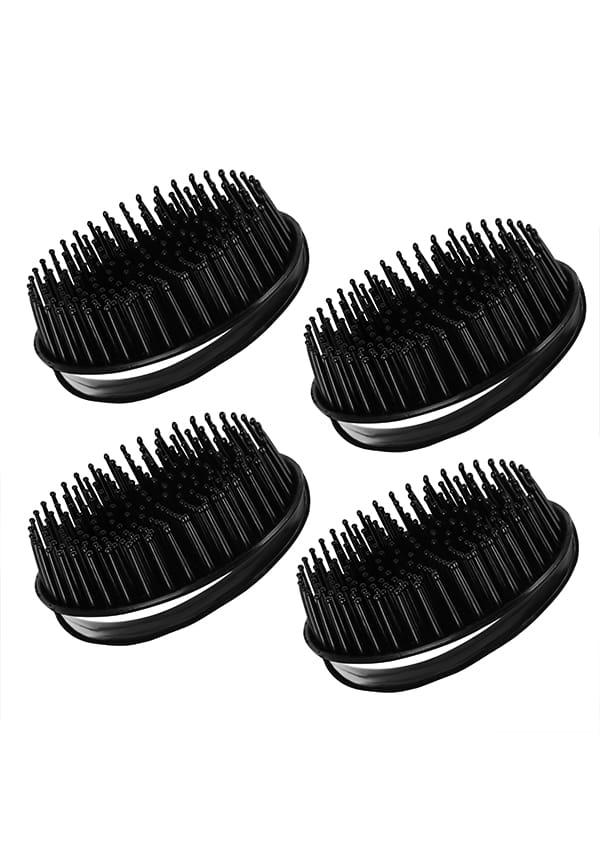
Hand Grip Round Comb & Scalp Massager | Small Round Hair Comb Shampoo Brush Scalp Massage
This is probably the most common question for scalp care beginners, and the answer depends on your scalp type and current condition. If you have an oily scalp, you might benefit from daily gentle attention and more frequent deep treatments. Those with dry scalp should be more cautious about over-cleansing or over-treating.
A good starting point for most beginners is incorporating focused scalp care 2-3 times per week, with daily gentle scalp massage. Pay attention to how your scalp responds — if it feels more irritated or produces more oil, you might be overdoing it. If you're not seeing any improvement after a few weeks, you might need to increase frequency or adjust your approach.
One of the best things about scalp care for beginners is that you don't need expensive products to see results. Natural methods can be incredibly effective for maintaining scalp health, and they're often gentler than commercial treatments, making them perfect for those just starting their scalp care journey.
Scalp massage is probably the most accessible natural method for improving scalp health. You can do this dry or with a small amount of oil, depending on your scalp type. The key is consistency and proper technique — use the pads of your fingers, not your nails, and work in small circular motions across your entire scalp. This stimulates circulation, helps distribute natural oils, and can even help with stress relief.
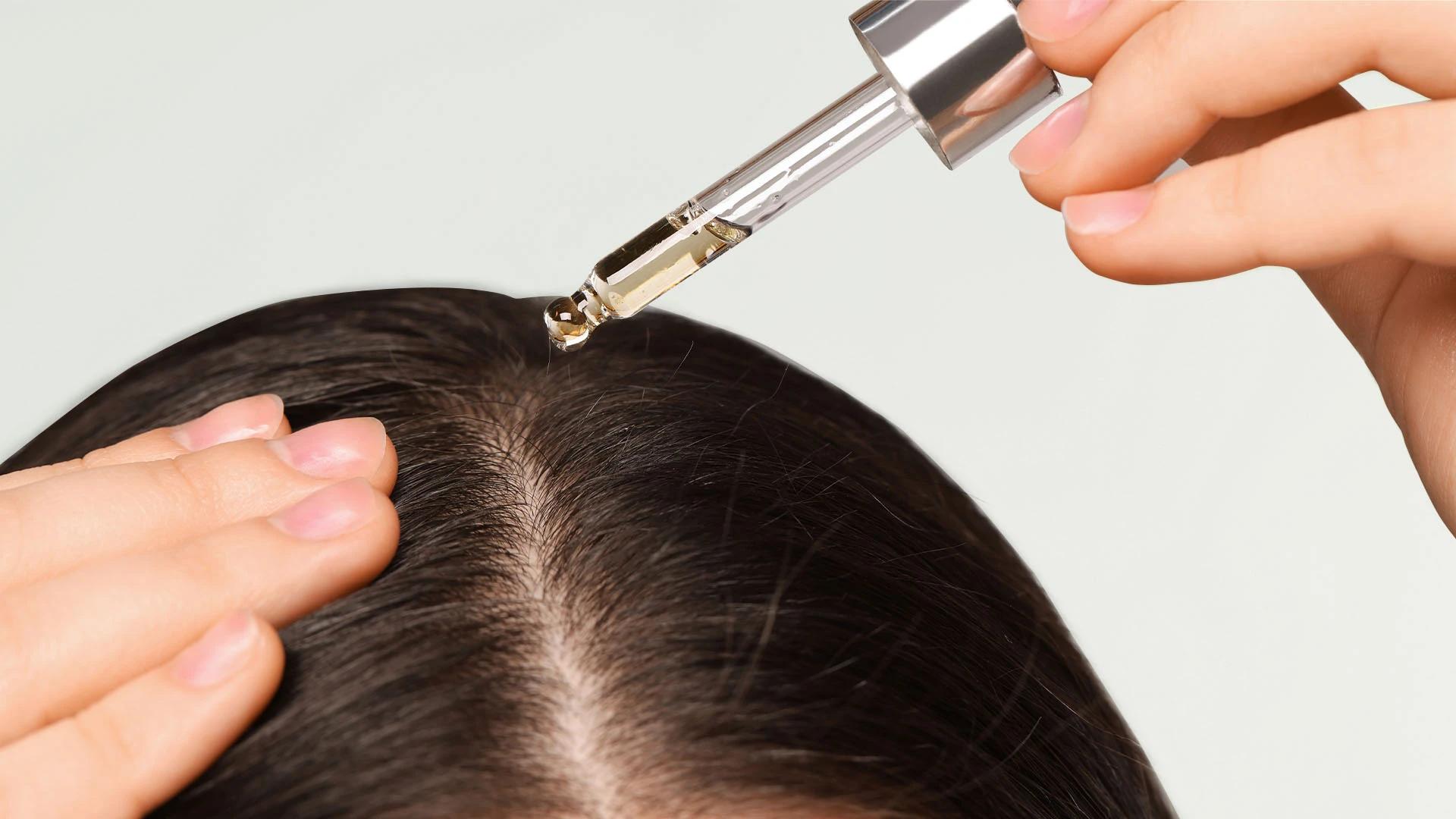
For those dealing with a dry scalp, natural oils like coconut, jojoba, or argan oil can provide much-needed moisture. Apply a small amount to your scalp (not your hair), massage gently, and leave for 15-30 minutes before washing. If you have an oily scalp, you might think oils are off-limits, but certain oils like tea tree or rosemary can actually help balance oil production when used correctly.
Your scalp health isn't just about what you put on it — it's also influenced by what you put in your body and how you manage stress. Proper hydration, a balanced diet rich in vitamins and minerals, and adequate sleep all contribute to healthy scalp conditions. When you're stressed, your body produces more cortisol, which can affect oil production and even contribute to an itchy scalp.
Once you've identified your scalp type, you can tailor your scalp treatment approach for better results. This is where scalp care for beginners can get more specific and effective. Understanding what your scalp needs helps you choose the right ingredients and methods.
For dry scalp care, focus on hydrating and soothing ingredients. Look for products containing hyaluronic acid, ceramides, or natural oils. Avoid harsh sulfates and alcohol-based products that can strip away natural moisture. Your scalp treatment routine should include gentle exfoliation (maybe once a week) and regular moisturising treatments.
Managing an oily scalp requires a different approach. You want to control excess oil production without over-drying, which can actually trigger more oil production. Clay-based treatments, salicylic acid, and tea tree oil can help balance oil levels. The key is finding that sweet spot where your scalp feels clean but not tight or irritated.
An itchy scalp can be one of the most frustrating scalp issues for beginners to deal with. The constant urge to scratch can actually make the problem worse by causing irritation and potential damage to hair follicle health. Immediate relief often comes from cooling treatments — aloe vera gel, diluted peppermint oil, or even a cool water rinse can provide temporary comfort.
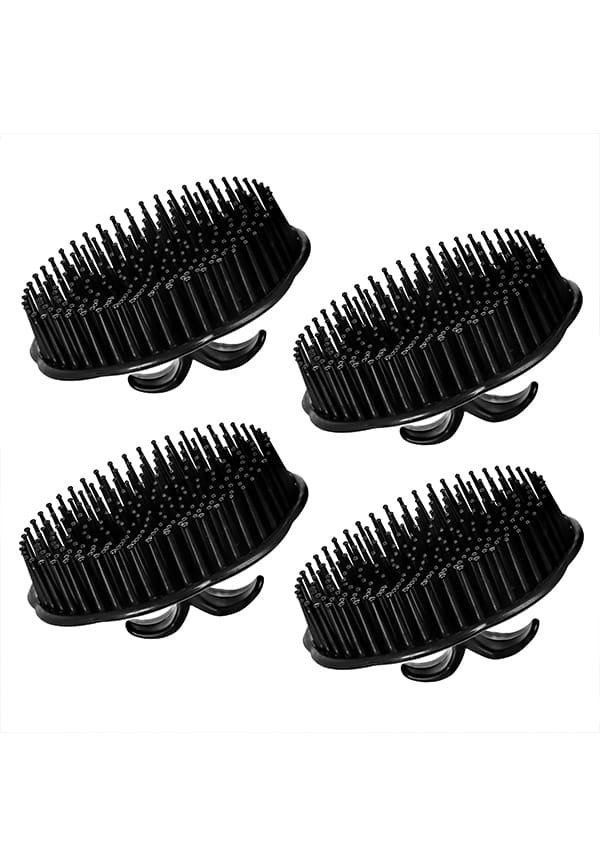
Hand Grip Round Comb & Scalp Massager | Small Round Hair Comb Shampoo Brush Scalp Massage
For long-term relief, you need to identify and address the underlying cause. This could be product sensitivity, over-washing, environmental factors, or even stress. Keep a simple diary of when your scalp feels most itchy to help identify patterns or triggers.
Scalp exfoliation might sound intimidating, but it's actually a gentle process when done correctly. Just like the skin on your face or body, your scalp benefits from occasional exfoliation to remove dead skin cells, product buildup, and excess oil that can clog hair follicles.
For scalp care beginners, start with gentle methods. A simple mixture of brown sugar and your regular shampoo can create an effective yet mild exfoliating treatment. Apply this to wet scalp, massage gently with your fingertips, and rinse thoroughly. The key is being gentle — your scalp skin is more delicate than you might think.
Chemical exfoliation using ingredients like salicylic acid or glycolic acid can be effective for those with oily scalp or persistent buildup. However, start slowly with these ingredients and always follow up with a moisturising treatment to prevent over-drying.
Most beginners should start with scalp exfoliation once every 1-2 weeks. If you have an oily scalp, you might eventually work up to weekly exfoliation, while those with dry or sensitive scalp should stick to bi-weekly or even monthly treatments. Always listen to your scalp — if it feels irritated or more sensitive after exfoliation, reduce the frequency.
Even with the best intentions, scalp care beginners often make mistakes that can actually worsen scalp health. One of the biggest mistakes is over-treating. When you start seeing results, it's tempting to do more, thinking it will speed up the process. However, your scalp needs time to adjust and heal, and overdoing treatments can cause irritation or disrupt your scalp's natural balance.
Another common mistake is using products meant for your hair type on your scalp. Your hair and scalp have different needs, and what works for dry hair might be too heavy for your scalp, potentially clogging hair follicles. Similarly, products designed for oily hair might be too harsh for your scalp skin.
Ignoring the importance of thorough rinsing is another frequent error. Product buildup from inadequate rinsing can lead to clogged follicles, irritation, and an itchy scalp. Always rinse for longer than you think you need to, ensuring all product residue is completely removed.
Your scalp's needs can change based on seasons, stress levels, hormonal changes, or even changes in your haircare routine. What works in winter might be too heavy for summer, and what your scalp needs during a stressful period might be different from your regular routine. Stay flexible and pay attention to how your scalp responds to different treatments and environmental factors.
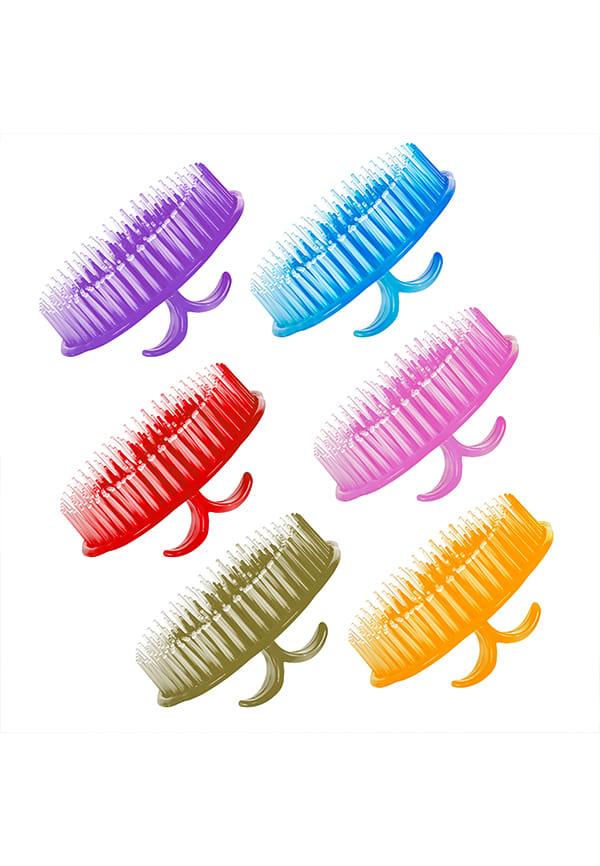
Hand Grip Round Comb & Scalp Massager | Small Round Hair Comb Shampoo Brush Scalp Massage
Most people notice improvements in scalp health within 2-4 weeks of consistent care. You might feel less itching or tightness within the first week, but significant changes in hair follicle health and overall scalp condition typically appear after 6-8 weeks of regular care.
Absolutely. Focus on gentle, natural methods like light scalp massage with your fingertips and mild, fragrance-free products. Patch test any new products on a small area first, and start with less frequent treatments to see how your scalp responds.
Scalp care specifically targets the skin on your head and focuses on hair follicle health, while regular haircare primarily addresses the hair strands themselves. Think of scalp care as skincare for your head — it's about maintaining the health of the foundation from which your hair grows.
While daily scalp massage can be beneficial, it's not strictly necessary. Most beginners see good results with 2-3 scalp massage sessions per week. The key is consistency rather than frequency — regular gentle massage is more beneficial than occasional intense sessions.
Yes, neglected scalp health can contribute to hair problems. Clogged hair follicles, chronic inflammation, and certain scalp conditions can affect hair growth and potentially lead to increased hair fall or thinning. This is why maintaining good scalp health is so important for overall hair health.
Tea tree oil (properly diluted), aloe vera, coconut oil, and apple cider vinegar are gentle yet effective options for most scalp types. Always dilute essential oils properly and patch test before using any new ingredient on your scalp.
Starting your scalp care journey doesn't have to be complicated or expensive. The most important thing is consistency and paying attention to what your scalp actually needs. Remember that your scalp health directly impacts your hair follicle health and overall hair condition, so investing time in proper scalp care will benefit your entire haircare routine.
Begin with simple methods like regular scalp massage and gentle cleansing, then gradually introduce targeted treatments based on your specific scalp type. Whether you're dealing with a dry scalp, oily scalp, or persistent itchy scalp issues, there are effective solutions that work when applied consistently.
The beauty of scalp care for beginners is that you can start seeing and feeling results relatively quickly, which makes it easier to stick with your routine. As you become more comfortable with the basics, you can explore more advanced treatments and find what works best for your unique scalp needs. Not sure which scalp care products might work for your specific concerns? Smytten offers trial-size versions of many scalp treatments from trusted brands — a smart way to test different approaches before committing to full-size products.
