How to Spot Signs of Unhealthy Hair Fast

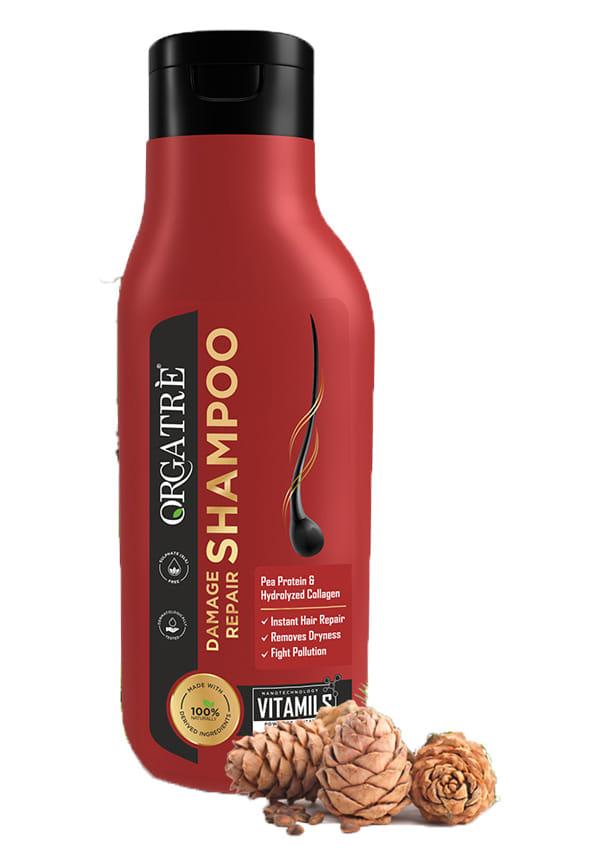
Damage Repair Shampoo
Amazing Shampoo
 5
5“This is an amazing shampoo thus my hair soft and silky”
Positive Hair Result
5“healthy and smooth hair as expected”
Mixed experience with shampoo
4“Its nice shampoo but it causes hair fall too much but after using this my hair quality became good”
Your hair's been acting up lately, and you're wondering if something's actually wrong or if you're just overthinking it. Real talk—your hair gives you pretty clear signals when it's not happy. From that straw-like texture to those annoying split ends that seem to multiply overnight, signs of unhealthy hair are usually easier to spot than you think. The trick is knowing what to look for and catching these warning signs before they turn into bigger problems. Let's dive into the telltale signs that your hair might need some serious TLC.
Healthy hair has a smooth, intact cuticle layer that reflects light and locks in moisture. When this protective outer layer gets damaged, that's when you start seeing all those frustrating hair damage symptoms. Think of your hair cuticle like roof tiles—when they're lying flat and intact, everything underneath stays protected. But when they're raised, cracked, or missing, moisture escapes and damage creeps in. Your hair needs the right balance of moisture and protein to stay strong and flexible. Too much protein makes it brittle and snappy, whilst too little leaves it weak and stretchy. Environmental factors like UV rays, pollution, and hard water can gradually wear down your hair's defences. Heat styling tools, chemical treatments, and even aggressive brushing can cause immediate damage that builds up over time. The most common culprits behind unhealthy hair include excessive heat styling without protection, overwashing with harsh shampoos, chemical treatments like bleaching or perming, and even sleeping on rough cotton pillowcases. Your diet and stress levels play a role too—what's happening inside your body definitely shows up in your hair.
Some signs of unhealthy hair are so obvious you can spot them from across the room, whilst others need a closer look. Here are the most common red flags that your hair is crying out for help.
When your hair feels like straw, that's your cuticle layer telling you it's compromised. Dry and brittle hair often feels rough to the touch and lacks that smooth, silky feeling of healthy strands. Try running your fingers through your hair—if it feels coarse or catches on your fingers, that's a clear sign of damage. The easiest way to test this is the touch test. Healthy hair should feel smooth when you run your fingers from root to tip. If it feels bumpy, rough, or catches, your cuticles are likely raised or damaged.
Split ends are probably the most obvious sign that your hair needs attention. These happen when the protective cuticle wears away completely, causing the hair shaft to literally split apart. You might see classic Y-shaped splits, or more severe tree-like splits where the hair frays in multiple directions. Check your ends in good lighting—if you see white or lighter-coloured dots at the tips, or if the ends look frayed and uneven, it's time for a trim and some serious split ends treatment. The frustrating thing about split ends is that they travel up the hair shaft if left untreated, so catching them early is key.
Healthy hair has a natural shine that comes from light reflecting off smooth cuticles. When your hair looks flat and lacklustre, even right after washing, that's a sign the cuticle layer is damaged. Dull hair solutions often start with repairing this protective layer. Test this by looking at your hair in natural light. Healthy hair should have some natural shine and movement. If it looks flat and matte, or if you find yourself constantly reaching for shine sprays, your hair is probably damaged.
If your hair snaps easily when you brush it or style it, that's a major red flag. Hair breakage causes usually stem from a combination of damage and weakness in the hair shaft. Healthy hair should have some elasticity—it should stretch slightly when wet and return to its original length. Try the stretch test with a single wet strand. Gently stretch it between your fingers. Healthy hair should stretch about 30% of its length before breaking. If it snaps immediately or stretches way beyond that without bouncing back, you've got damage.
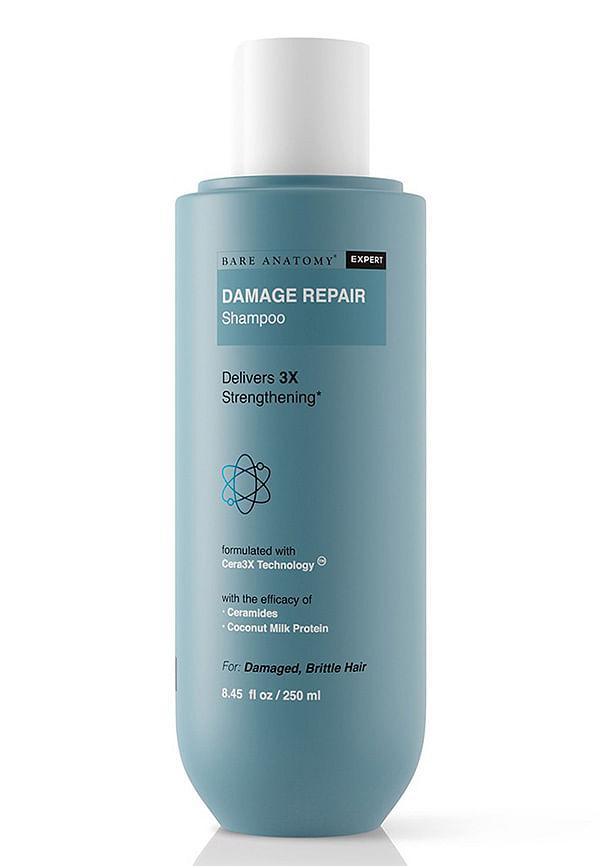
Expert Damage Repair Shampoo To Repair And Strengthen Up To 3X
Perfect Scalp Cleansing
4“It cleanses the scalp perfectly.”
Perfect Scalp Cleansing
4“It cleanses the scalp perfectly.”
Perfect Scalp Cleansing
4“It cleanses the scalp perfectly.”
A little frizz is normal, especially in humid weather, but if your hair turns into a puffball the moment you step outside, that's usually a sign of cuticle damage. When cuticles are raised or missing, moisture from the air gets into the hair shaft, causing it to swell and frizz. Frizzy hair remedies often focus on smoothing the cuticle and creating a barrier against humidity. If your hair used to behave and suddenly became unmanageable, damage is likely the culprit.
Some signs of unhealthy hair go beyond surface-level damage and indicate more serious issues that need attention. These warning signs often develop gradually, so they're easy to miss until they become obvious.
Losing 50-100 hairs daily is totally normal, but if you're finding clumps in your brush or noticing your ponytail feels thinner, that could signal deeper issues. Hair thinning signs include a wider parting, visible scalp, or less volume overall. Pay attention to the type of hair you're losing too. If you're seeing short, broken pieces rather than full-length strands with the white bulb at the root, that's breakage rather than natural shedding. Hair loss prevention starts with identifying whether you're dealing with damage, genetics, or underlying health issues.
Healthy hair with smooth cuticles doesn't tangle easily. If your hair constantly knots up, even when you're just sleeping, that's usually a sign of cuticle damage. The raised cuticles catch on each other, creating tangles that can lead to more breakage when you try to brush them out. Try the comb test—if you can't run a wide-tooth comb through damp, conditioned hair without hitting snags, your cuticles need some serious repair work.
Your scalp health directly affects your hair quality. Signs of an unhealthy scalp include persistent itching, flaking, redness, unusual odours, or excessive oiliness. An inflamed or irritated scalp can't properly nourish hair follicles, leading to weak, unhealthy hair growth. Check your scalp regularly by parting your hair in different sections. A healthy scalp should be pale pink (for lighter skin tones) or slightly darker than your natural skin tone, without redness, flakes, or irritation.
You don't need to visit a salon to get a good sense of your hair's condition. These simple tests can help you understand what your hair needs and whether your current routine is working.
This test tells you whether your hair needs more protein or moisture. Take a single strand of clean, wet hair and gently stretch it. Healthy hair should stretch about 30% of its length and then bounce back. If it breaks immediately, you need more moisture. If it stretches way beyond 30% and feels gummy, you need protein. Do this test every few weeks to monitor your hair's condition and adjust your routine accordingly. It's one of the most reliable ways to understand what your hair actually needs.
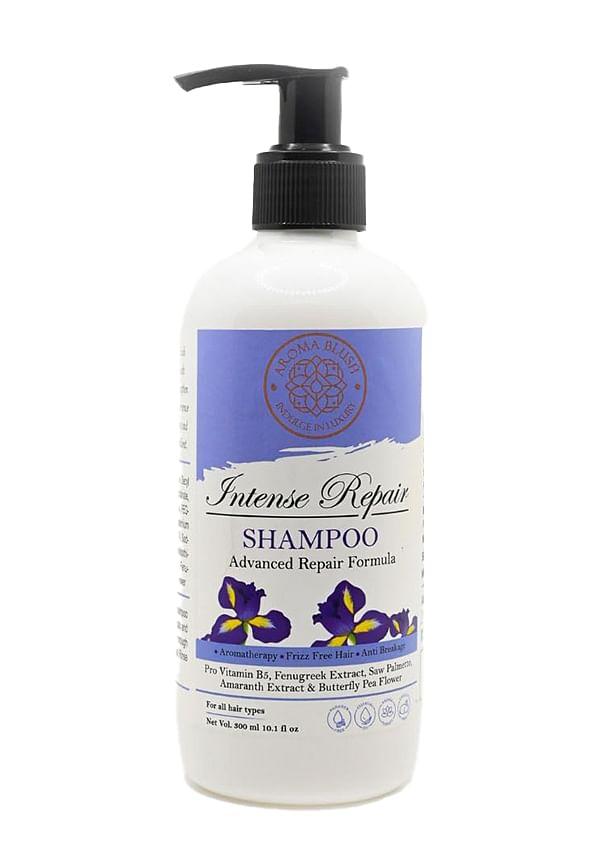
Intense Repair Shampoo
Good for hair
5“this product 3vwry good for hair”
Nourishing & Hydrating for Soft Hair
5“very nourishing and hydrating made my hair very soft”
Amazing Hair Repair Product
5“Amazing product for hair repair ”
Hair porosity affects how well your hair absorbs and retains moisture. Drop a clean strand of hair into a glass of water and wait. Low porosity hair will float, normal porosity hair will sink slowly, and high porosity hair will sink quickly. Understanding your hair's porosity helps you choose the right products and techniques. High porosity hair (often damaged hair) needs heavier, more occlusive products to lock in moisture.
Look at your hair in natural light without any products. Healthy hair should have some natural shine and feel smooth when you run your fingers through it. If it looks dull or feels rough, your cuticles likely need repair. This assessment works best on clean, product-free hair, so do it right after washing but before applying any styling products.
Not all hair damage requires a salon visit, but knowing when to DIY and when to call in the professionals can save you time, money, and further damage.
Surface-level dryness, minor split ends, and general dullness often respond well to at-home treatments. Deep conditioning masks, protein treatments, and gentle handling can work wonders for mildly damaged hair. If your hair just feels a bit dry or looks lacklustre, start with improving your routine before booking expensive salon treatments. Regular trims, protective styling, and using quality products suited to your hair type can address many common issues. The key is consistency and patience—hair repair takes time.
Severe breakage, chemical damage from bleaching or perming gone wrong, and significant thinning or bald patches need professional attention. If you're dealing with scalp conditions like persistent dandruff, inflammation, or unusual hair loss patterns, a dermatologist or trichologist can help identify underlying causes. Don't try to fix major chemical damage at home—you could make it worse. Professional treatments like Olaplex, keratin treatments, or medical interventions for hair loss are worth the investment when dealing with serious damage.
The best way to deal with unhealthy hair is to prevent damage in the first place. Small changes to your routine can make a massive difference over time.
Always use a heat protectant before styling, and keep temperatures below 180°C for fine hair and 200°C for thick hair. Air dry when possible, and when you do use heat tools, work in small sections to minimise exposure time. Invest in quality tools with adjustable temperature settings and ceramic or tourmaline plates. These distribute heat more evenly and cause less damage than cheap alternatives.
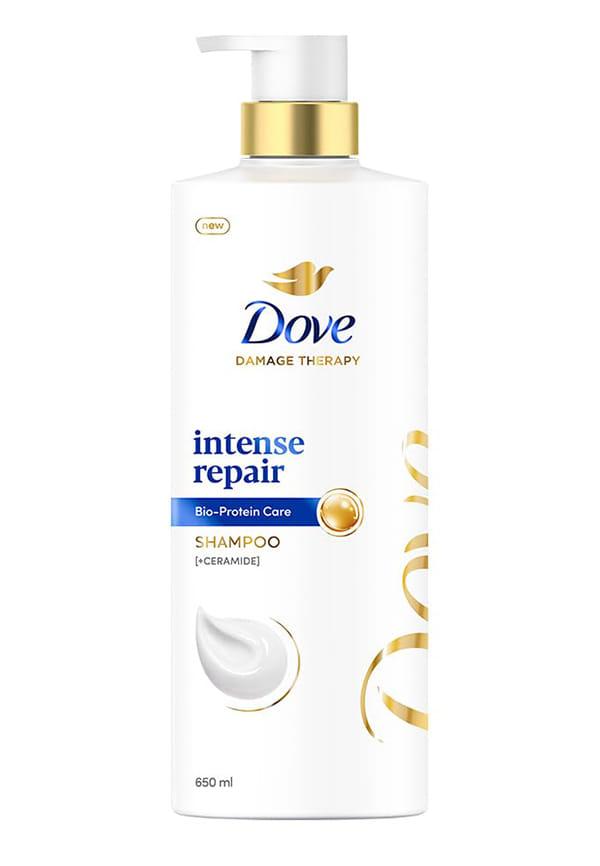
Intense Repair Shampoo
Excellent for Dry Hair
5“very good on very very dry hair. the best”
Excellent Product, Must Buy
5“it's an excellent product. must buy!!”
Awesome Product for Hair Nourishment
5“Awsome product and give nourishment to hair”
Choose sulphate-free shampoos and alcohol-free styling products when possible. Look for pH-balanced formulations that won't disrupt your hair's natural protective layer. Haircare tips from professionals often emphasise the importance of reading ingredient lists and choosing products suited to your specific hair type and concerns. With so many options available, finding the right products can feel overwhelming. This is where Smytten's trial packs become incredibly useful—you can test different haircare formulations from trusted brands like Love, Beauty & Planet and Bella Vita without committing to full-size purchases. Getting up to 8 minis for just ₹249 lets you experiment with different approaches to find what actually works for your hair.
UV rays can be just as damaging to your hair as they are to your skin. Use products with UV protection, especially if you spend a lot of time outdoors. Protect your hair from chlorine with a swimming cap or pre-wet it with clean water before swimming. Hard water can also cause buildup and dullness over time. Consider using a clarifying shampoo weekly or installing a water filter if you live in an area with very hard water.
Look for key indicators like excessive dryness, split ends, breakage, dullness, frizz, easy tangling, and increased shedding. Healthy hair should feel smooth, appear shiny, and have good elasticity when wet.
The most common symptoms include dry and brittle texture, split ends, dullness, excessive breakage, frizz, tangling, and thinning. These often develop gradually, so regular assessment is important.
Unhealthy scalp signs include persistent itching, flaking, redness, unusual odours, excessive oiliness, or visible irritation. A healthy scalp should be comfortable and relatively clear.
Whilst you can't repair existing damage to the hair shaft, you can prevent further damage and improve overall hair health with proper care, treatments, and lifestyle changes. New growth will be healthier with the right routine.
Surface improvements from better products and treatments can be seen in 2-4 weeks, whilst significant structural improvements typically take 2-3 months of consistent care. Remember, hair grows about half an inch per month, so patience is key.
Spotting signs of unhealthy hair early can save you from more serious damage down the line. From obvious indicators like split ends and breakage to subtler signs like loss of shine and elasticity, your hair is constantly communicating its needs. The key is learning to listen and respond appropriately. Remember that hair health is a journey, not a destination. What works for your friend might not work for you, and your hair's needs can change with the seasons, your age, and your lifestyle. Regular assessment, gentle handling, and the right products for your specific hair type are the foundations of healthy hair. Whether you're dealing with minor dryness or more serious damage, there are solutions available. Sometimes it's as simple as switching to a gentler shampoo or adding a weekly deep conditioning treatment. Other times, you might need professional help or medical intervention. The important thing is not to ignore the warning signs and to take action before small problems become big ones.
