How to Soothe Scalp Itch in Dry Climate Zones

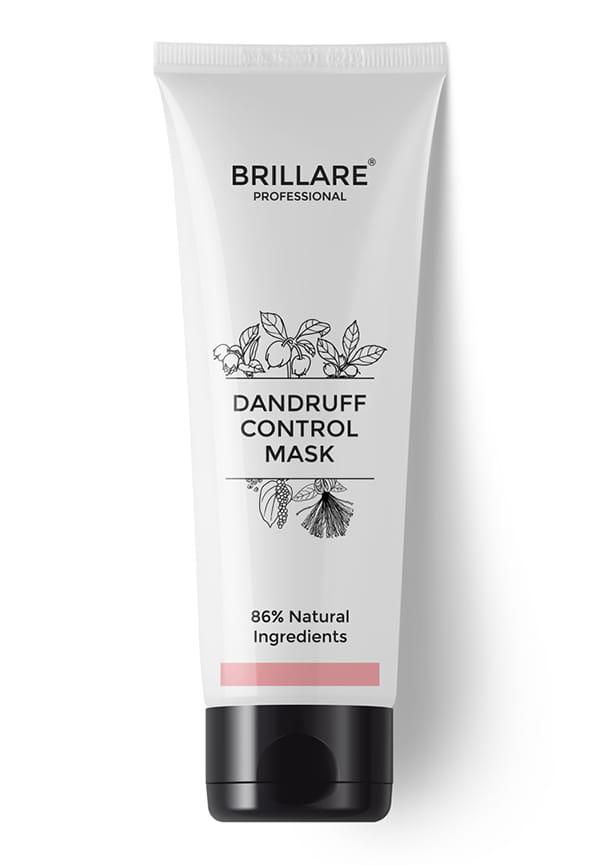
Conditioner For Itchy, Flaky Scalp
Good product, highly recommended
 5
5“This product is very good highly recommend.”
Wonderful Product
5“nice product. result wonderful along with shampoo”
Effective Dandruff Treatment
4“removes dandruff and itchyness from hair”
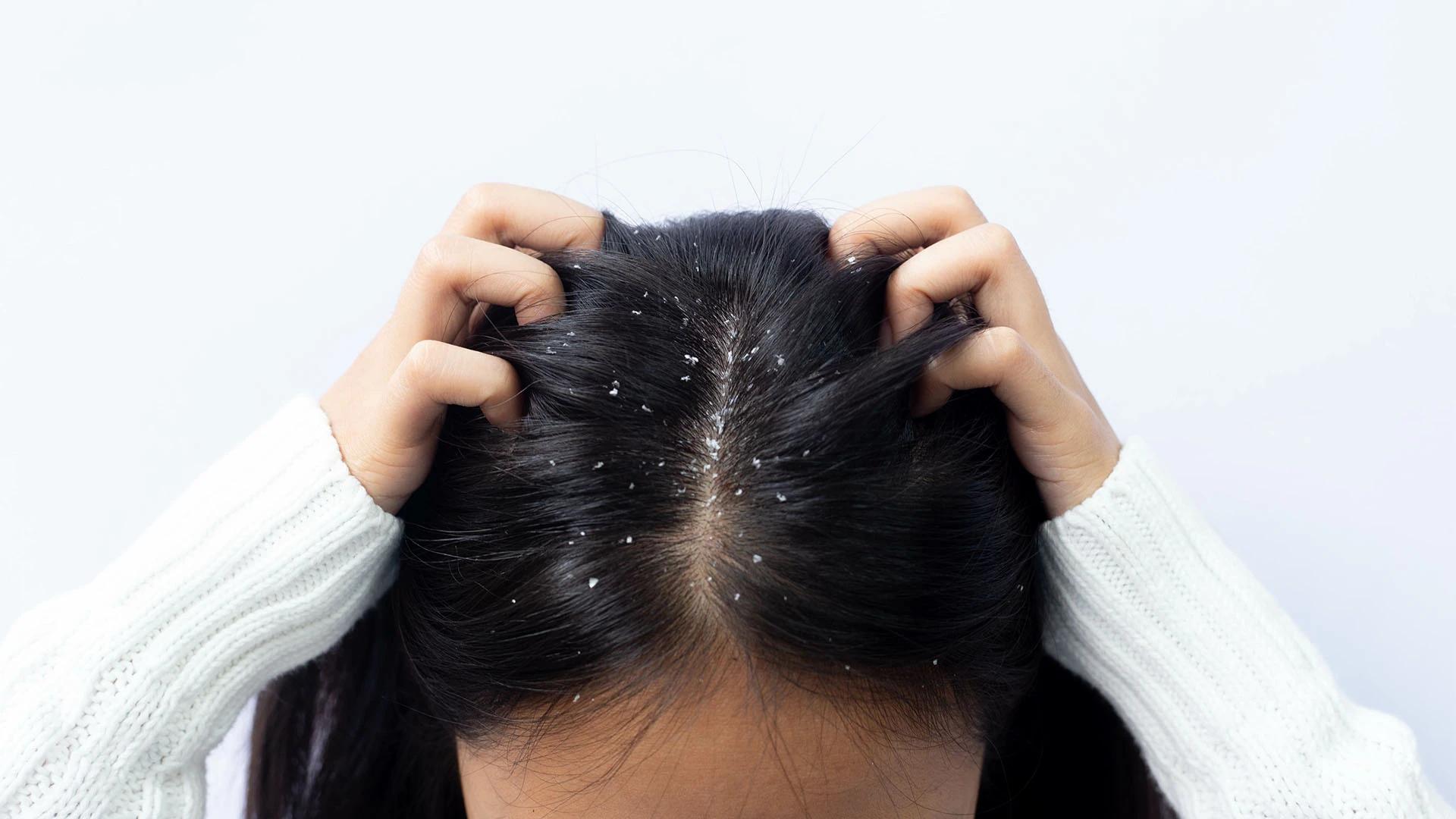
Living in a dry climate zone can feel like your scalp is constantly under attack. That persistent itch, the flaky bits on your shoulders, and the general feeling that your head needs a serious drink of water—sound familiar? You're definitely not alone in this struggle. Dry climates wreak havoc on our scalp's natural moisture barrier, leaving many of us desperately searching for scalp itch relief in dry climates. The good news is that with the right approach and some tried-and-tested remedies, you can get your scalp back to feeling comfortable and healthy. Let's dive into everything you need to know about soothing that annoying itch and keeping your scalp happy, even when the humidity levels are practically non-existent.
Real talk—dry climates are basically your scalp's worst enemy. When humidity levels drop below 30%, your scalp starts losing moisture faster than you can say "itchy head." The lack of moisture in the air pulls water directly from your skin, including your scalp, disrupting its natural protective barrier. Your scalp has sebaceous glands that produce natural oils to keep things moisturised. But in dry conditions, these glands either go into overdrive (hello, greasy roots with dry ends) or practically shut down, leaving your scalp parched and irritated. Add in environmental factors like wind, intense sun exposure, and indoor heating systems, and you've got a perfect storm for scalp irritation relief needs.
The signs are pretty hard to miss. You might notice persistent itching that gets worse throughout the day, visible flakes that aren't quite dandruff, tightness across your scalp, or even small bumps and redness. Some people experience a burning sensation or increased sensitivity to hair products they've used for years without issues.
Beyond just low humidity, several factors make things worse. Air conditioning and heating systems strip moisture from indoor air. UV rays can literally burn your scalp if it's exposed. Even something as simple as hot showers can further dehydrate already stressed skin.
When your scalp is driving you mad with itching, you need solutions that work fast. These itchy scalp remedies can provide almost instant relief whilst you work on longer-term solutions. Start with cool water rinses—seriously, turn down that shower temperature. Hot water strips away natural oils and makes irritation worse. A cool rinse helps calm inflammation and provides immediate soothing relief. Follow this with gentle scalp massage using your fingertips (never your nails) to boost circulation without causing more irritation.
Aloe vera gel applied directly to your scalp works wonders for immediate cooling relief. Tea tree oil, when properly diluted (never use it neat!), has natural anti-inflammatory properties. Mix a few drops with a carrier oil like coconut or jojoba for safe application.
For desperate moments, a cold compress on particularly itchy spots can provide temporary relief. Some people find that applying a small amount of plain yoghurt to their scalp for 10-15 minutes helps calm irritation—the lactic acid gently exfoliates whilst the cool temperature soothes.
Don't scratch, no matter how tempting it is. Avoid products with alcohol, strong fragrances, or sulfates when your scalp is already irritated. Skip the heat styling tools until things calm down, and definitely don't try multiple new products at once—your scalp needs consistency, not confusion.
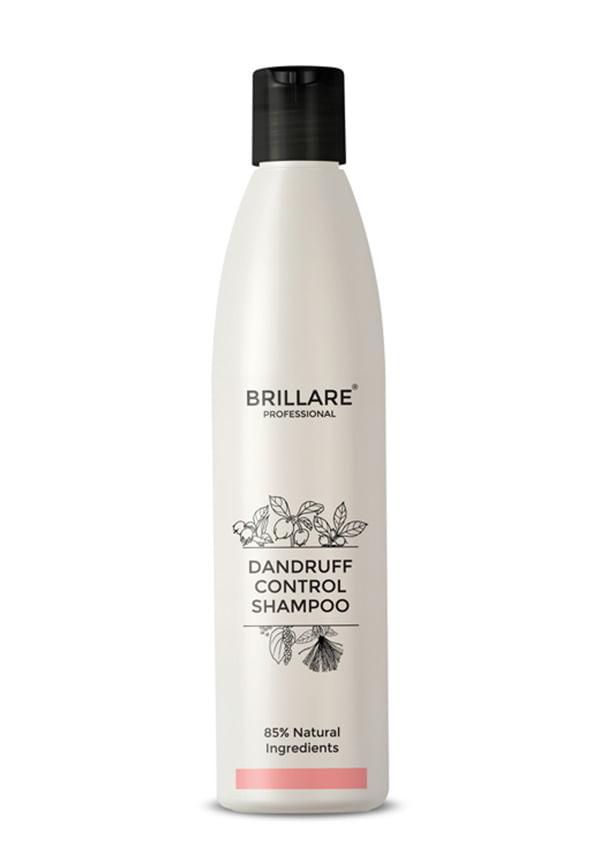
Dandruff Control Shampoo For Itchy, Flaky Scalp
Nourishing & Dandruff-Fighting Shampoo
5“This shampoo deeply nourishes the scalp and strengthens the hair from roots to tips. and removes all dandruff within 2..4 wash”
Love this product, order every time
5“love this product i ordered it every time”
Quick Results, Gentle & Amazing Quality
5“you will see results quickly rather than anything, very gentle small quantity enough , quality amazing”
Sometimes DIY solutions aren't enough, and that's perfectly fine. Professional dry scalp treatment options can provide the heavy-duty relief your scalp needs, especially if you're dealing with underlying conditions like seborrheic dermatitis or scalp psoriasis. Medicated shampoos containing ingredients like ketoconazole, selenium sulfide, or zinc pyrithione can tackle fungal overgrowth that often accompanies dry, irritated scalps. These aren't your everyday shampoos—they're specifically formulated to address scalp conditions that regular products can't handle.
If over-the-counter options aren't cutting it, dermatologists can prescribe stronger treatments. Topical corticosteroids can reduce severe inflammation, whilst prescription antifungal treatments target stubborn scalp conditions. For scalp psoriasis relief, specialised treatments containing coal tar or salicylic acid might be recommended.
Book that dermatologist appointment if your symptoms persist beyond two weeks despite consistent treatment, if you notice hair loss, or if the itching is so severe it's affecting your sleep or daily life. Bleeding, oozing, or signs of infection also warrant immediate professional attention.
If you're more of a natural remedies person, there are plenty of natural scalp remedies that can provide genuine relief without harsh chemicals. These solutions work particularly well for mild to moderate scalp dryness and can be fantastic preventative measures. Oil treatments are absolute game-changers for dry scalps. Coconut oil has antimicrobial properties and penetrates the hair shaft beautifully. Jojoba oil closely mimics your scalp's natural sebum, making it an excellent choice for balancing oil production. Argan oil is packed with vitamin E and essential fatty acids that nourish and protect.
Try mixing honey with olive oil for a deeply moisturising mask—honey's humectant properties draw moisture from the air whilst olive oil provides rich nourishment. Leave it on for 20-30 minutes before washing out with a gentle shampoo.
What you eat absolutely affects your scalp health. Omega-3 fatty acids from fish, walnuts, and flaxseeds help maintain skin barrier function. Zinc from pumpkin seeds and legumes supports healthy skin cell turnover. Don't forget about hydration—aim for at least 8 glasses of water daily.
Create your own soothing scalp treatments by mixing essential oils with carrier oils. Lavender oil reduces inflammation and promotes relaxation. Rosemary oil can improve circulation. Always dilute properly—typically 2-3 drops of essential oil per tablespoon of carrier oil.
Choosing the right dry scalp shampoo can make or break your scalp care routine. Not all shampoos are created equal, especially when you're dealing with moisture-starved scalp conditions. Look for shampoos containing ceramides, which help repair and maintain your scalp's moisture barrier. Hyaluronic acid is another superstar ingredient that can hold up to 1000 times its weight in water. Niacinamide (vitamin B3) helps regulate oil production whilst reducing inflammation.
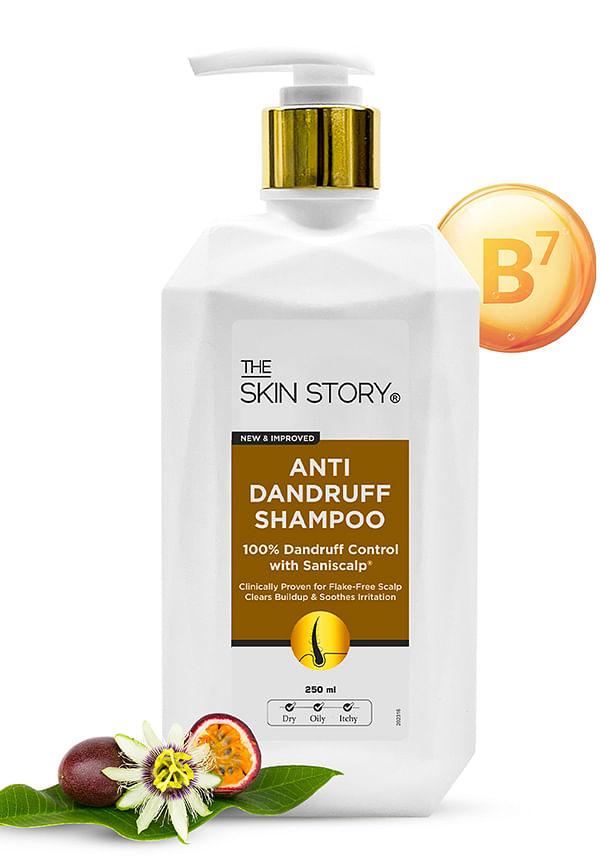
Anti Dandruff Shampoo For Oily Dry Itchy Scalp With Saniscalp
Sulfate-free shampoos are generally gentler on dry, irritated scalps. Traditional sulfates can strip away natural oils, but some people with very oily scalps might need the stronger cleansing power occasionally. It's about finding what works for your specific scalp type.
Your scalp's natural pH is slightly acidic (around 5.5). Shampoos with a similar pH help maintain your scalp's protective acid mantle. Many dandruff solutions work better when the pH is properly balanced.
How you use your shampoo is just as important as which one you choose. Focus the shampoo on your scalp, not your hair lengths. Massage gently with fingertips, never nails. Rinse thoroughly—leftover product can cause irritation and buildup.
Creating a solid haircare for dry climates routine is your best defence against ongoing scalp issues. Consistency is key—sporadic care won't give you the results you're after. Start with a daily routine that includes gentle brushing to distribute natural oils and stimulate circulation. Use a humidifier in your bedroom to add moisture back into the air. Apply a lightweight scalp oil or serum to damp hair, focusing on the scalp rather than the lengths.
Once or twice weekly, treat your scalp to a deeper moisturising treatment. This could be an oil mask, a hydrating scalp serum, or even a gentle exfoliating treatment to remove buildup and dead skin cells.
When heading outdoors, protect your scalp from UV damage with hats or scarves. Avoid tight hairstyles that can further irritate an already sensitive scalp. Silk or satin pillowcases reduce friction whilst you sleep.
Your scalp moisturizing tips need to change with the seasons. Winter might require heavier oils and more frequent treatments, whilst summer calls for lighter formulations and increased sun protection.
Prevention really is better than cure when it comes to scalp itch relief in dry climates. Building habits that support long-term scalp health will save you from future discomfort and frustration. Invest in a good humidifier for your home, especially during winter months. Aim for humidity levels between 40-60%. This simple change can dramatically improve your scalp's comfort levels. Consider your water quality too—hard water can exacerbate scalp dryness, so a water softener or filtered shower head might be worth exploring.
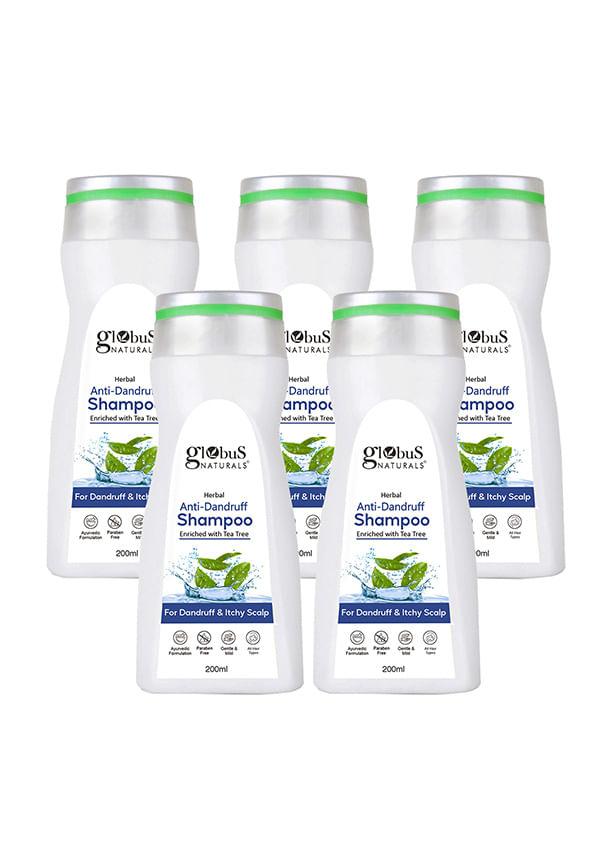
Anti Dandruff Shampoo, For Dandruff and Itchy Scalp
Good Value for Money
4“I like the product and two product are 200 ml so is value for money and what it”
Cooling Anti-Dandruff Shampoo
5“एंटी डैंड्रफ शैंपू शैंपू बहुत अच्छे हैं इससे गर्मियों में बहुत अच्छा लगता है ठंडा ठंडाफील होता है”
Unexpectedly good quality
5“I love it not expected this quality super”
Stress directly impacts your scalp health by affecting hormone levels and oil production. Regular exercise, adequate sleep, and stress-reduction techniques like meditation can genuinely improve your scalp condition from the inside out.
Establish a routine you can stick to long-term. This might include weekly oil treatments, monthly gentle exfoliation, and seasonal adjustments to your product lineup. Track what works and what doesn't—your scalp's needs might change over time.
Keep an eye out for changes that might indicate your current routine isn't working. Increased flaking, persistent redness, or new areas of irritation all suggest it's time to reassess your approach. When you're ready to explore new products for your scalp care routine, Smytten makes it incredibly easy to try before you commit. With curated trial packs from trusted haircare brands, you can test different soothing scalp treatments and find what works best for your specific needs—all without the risk of investing in full-size products that might not suit your scalp.
Most mild cases show improvement within 1-2 weeks of consistent treatment. However, if you're dealing with underlying conditions or severe dryness, it might take 4-6 weeks to see significant improvement. The key is consistency with your chosen treatment approach.
Absolutely! Proper hydration supports your skin's overall health, including your scalp. While topical treatments provide the most direct relief, staying well-hydrated helps your body maintain its natural moisture levels from within.
Winter typically causes more scalp issues due to indoor heating systems and naturally lower humidity levels. However, summer sun exposure and air conditioning can also trigger irritation, so year-round vigilance is important.
Generally, yes. Over-washing strips away your scalp's natural protective oils. Most people with dry scalp conditions do better washing 2-3 times per week rather than daily. However, if you have an oily scalp with dry ends, you might need a different approach.
Consult a professional if symptoms persist beyond 2 weeks despite consistent treatment, if you notice hair loss, or if the itching severely impacts your daily life. Signs of infection, bleeding, or severe inflammation also warrant immediate medical attention.
Dealing with scalp itch in dry climates doesn't have to be a constant battle. The combination of understanding why it happens, using the right products, and maintaining consistent care routines can transform your scalp health completely. Remember that what works for your friend might not work for you—scalp care is quite personal, and finding your perfect routine might take some experimentation. The most important thing is to start with gentle, consistent care and build from there. Whether you choose natural remedies, professional treatments, or a combination of both, patience and consistency will get you the best results. Your scalp didn't become dry and irritated overnight, and it won't heal overnight either—but with the right approach, relief is absolutely achievable. Smytten's trial packs make this journey so much easier by letting you explore different haircare solutions without the commitment of full-size purchases. With over 1,500 trusted brands and the ability to try up to 8 minis for just ₹249, you can discover what truly works for your scalp without breaking the bank. After all, why settle for maybe when you can try it all and find your perfect scalp care routine?
