How to Soothe Scalp Irritation for Itchy Scalp Relief

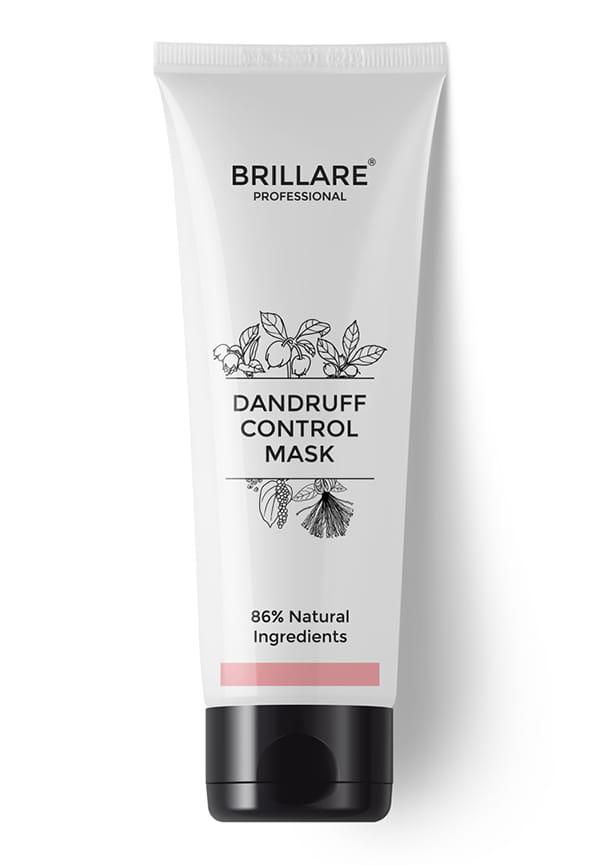
Conditioner For Itchy, Flaky Scalp
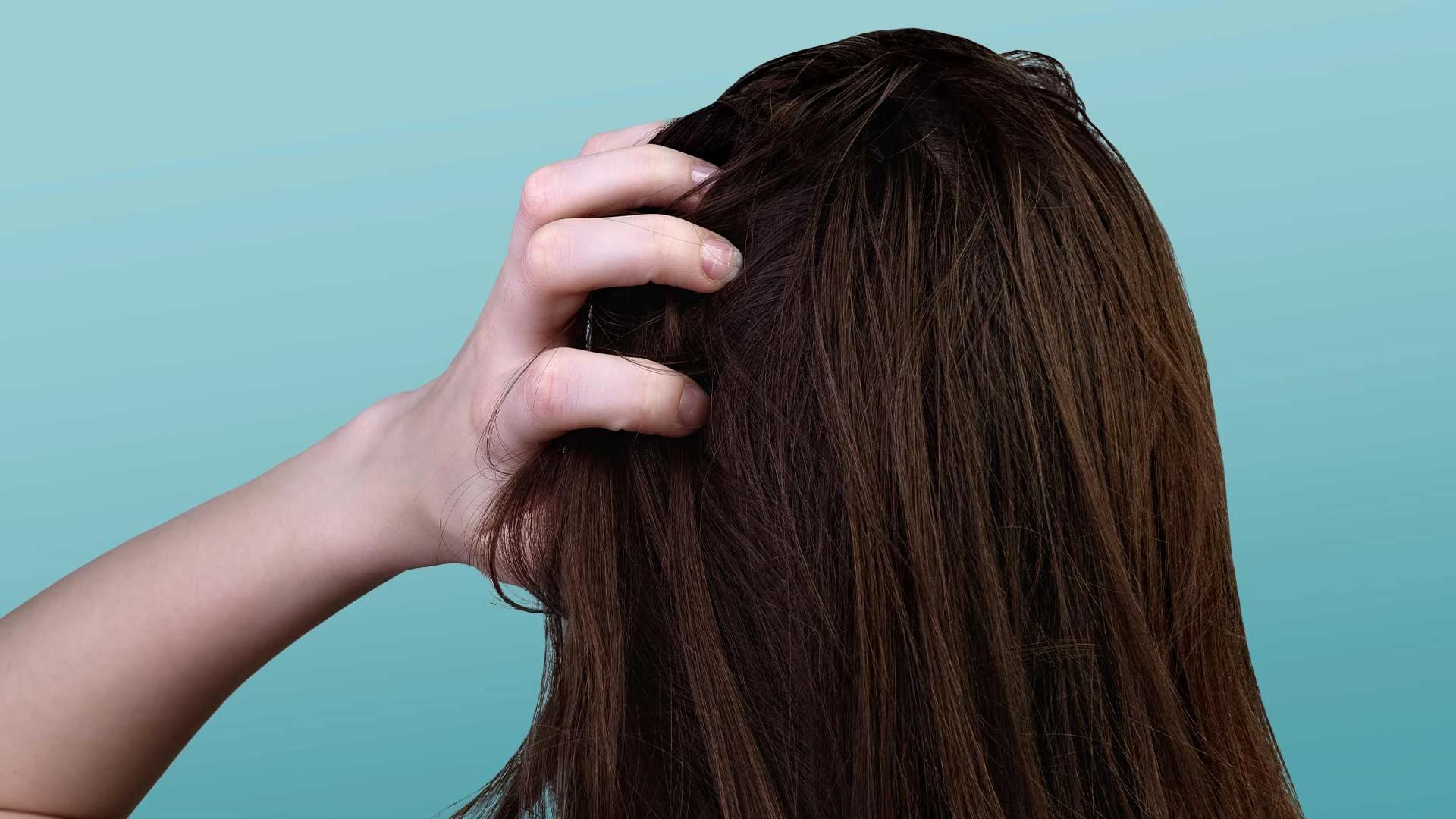
You know that feeling when your scalp starts tingling in the worst way possible? Not the good kind of tingle you get from a scalp massage, but that annoying, persistent itch that makes you want to scratch until you find relief. Whether it's from switching to a new shampoo, stress from work, or just the changing weather, scalp irritation can turn your day upside down. The good news? Learning how to soothe scalp irritation doesn't require a trip to the dermatologist or expensive treatments. Most of the time, the right approach and a bit of patience can get your scalp back to its happy, healthy state.
Before diving into solutions, let's talk about what's actually happening up there. Your scalp is basically an extension of your facial skin, but it's often forgotten until something goes wrong. The most common culprits behind scalp irritation include dryness from overwashing or harsh products, buildup from styling products that haven't been properly cleansed away, and reactions to new ingredients in your haircare routine.
Sometimes the issue runs deeper than surface-level irritation. Conditions like seborrheic dermatitis, psoriasis, or even fungal infections can cause persistent itching and flaking. Environmental factors play a role too – think pollution, UV exposure, and seasonal changes that throw your scalp's natural balance off track. The key to finding the right scalp irritation remedy is identifying what triggered the problem in the first place.
Your scalp's natural barrier works hard to keep moisture in and irritants out, but it's surprisingly delicate. When this barrier gets compromised, you'll notice symptoms like itching, redness, flaking, or even small bumps. Pay attention to when these symptoms appear – is it after using a particular product, during stressful periods, or when the weather changes? This detective work helps you choose the most effective approach for sensitive scalp care.
When your scalp is screaming for attention, you need relief now, not later. The fastest way to calm things down is with a cool water rinse. Skip the hot water completely – it might feel good in the moment, but it strips away natural oils and makes irritation worse. Cool water helps reduce inflammation and provides instant relief from that burning, itchy sensation.
A cold compress can work wonders for particularly inflamed areas. Wrap a few ice cubes in a clean cloth or use a cold, damp towel and gently press it against the irritated spots for 10-15 minutes. This technique is especially helpful if you've been scratching and need to break that itch-scratch cycle that makes everything worse.
Here's what you absolutely shouldn't do when your scalp is irritated: resist the urge to scratch, even if it feels impossible. Scratching creates micro-tears in your scalp that can lead to infection and prolonged healing time. Also, avoid any products with alcohol, strong fragrances, or sulfates until your scalp calms down. These calming scalp solutions focus on gentle, immediate relief rather than aggressive treatment.
If you need relief right now and don't have specialised products on hand, check your kitchen. Plain yoghurt can provide cooling relief when applied directly to the scalp for 15-20 minutes. The probiotics and lactic acid help restore balance while the cool temperature soothes inflammation.
Natural remedies often work better than harsh chemicals when dealing with scalp irritation, mainly because they're gentler and less likely to cause additional reactions. These natural scalp soothers have been used for generations, and there's solid science behind why they work.
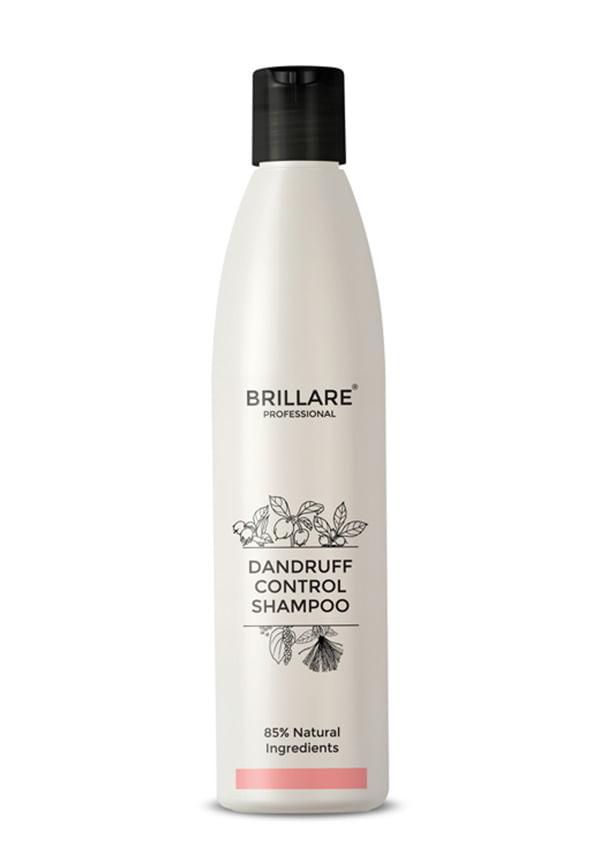
Dandruff Control Shampoo For Itchy, Flaky Scalp
Apple cider vinegar deserves its reputation as a scalp game-changer. Its acidic nature helps restore your scalp's natural pH balance, which often gets thrown off by alkaline shampoos and styling products. Mix one part apple cider vinegar with three parts water, apply it to your scalp after shampooing, leave it for a few minutes, then rinse thoroughly. This simple dry scalp treatment can reduce itching and flaking within just a few uses.
Coconut oil isn't just trendy – it's genuinely effective for scalp irritation. Its anti-inflammatory and antimicrobial properties make it perfect for soothing angry scalps while providing deep moisture. Warm a small amount between your palms and gently massage it into your scalp, focusing on the most irritated areas. Leave it on for at least 30 minutes or overnight for intensive treatment.
Fresh aloe vera gel provides immediate cooling relief and helps speed up healing. If you have an aloe plant, cut a leaf and apply the gel directly to your scalp. Store-bought aloe works too, but make sure it's 99% pure without added fragrances or colours.
Oatmeal isn't just for breakfast – colloidal oatmeal has proven anti-itch properties that make it excellent for scalp irritation. Grind plain oats into a fine powder, mix with water to create a paste, and apply it to your scalp for 15-20 minutes before rinsing. This gentle treatment reduces inflammation and provides lasting relief.
Tea tree oil's antimicrobial properties make it effective against fungal and bacterial causes of scalp irritation, but it must be diluted properly. Mix 2-3 drops with a carrier oil like jojoba or coconut oil before applying to your scalp. Never use tea tree oil undiluted, as it can cause severe irritation.
Sometimes natural remedies need backup from professionally formulated products designed specifically for scalp issues. The key is choosing products with proven ingredients that target the root cause of your irritation rather than just masking symptoms.
Medicated shampoos containing ketoconazole, selenium sulfide, or zinc pyrithione are particularly effective for fungal-related scalp issues. These ingredients work by controlling the growth of yeast and bacteria that can contribute to irritation and flaking. Use them 2-3 times per week initially, then reduce frequency as your scalp improves.
Scalp serums have become increasingly popular, and for good reason. Look for formulations containing hyaluronic acid for hydration, niacinamide for reducing inflammation, and ceramides for barrier repair. These lightweight formulas absorb quickly and provide targeted treatment without weighing down your hair.
A good soothing scalp mask can provide intensive treatment when your scalp needs extra care. Clay-based masks help absorb excess oil and impurities, while hydrating masks with ingredients like honey, glycerin, or botanical extracts provide moisture and reduce scalp inflammation reduction. Use these treatments weekly or as needed based on your scalp's condition.
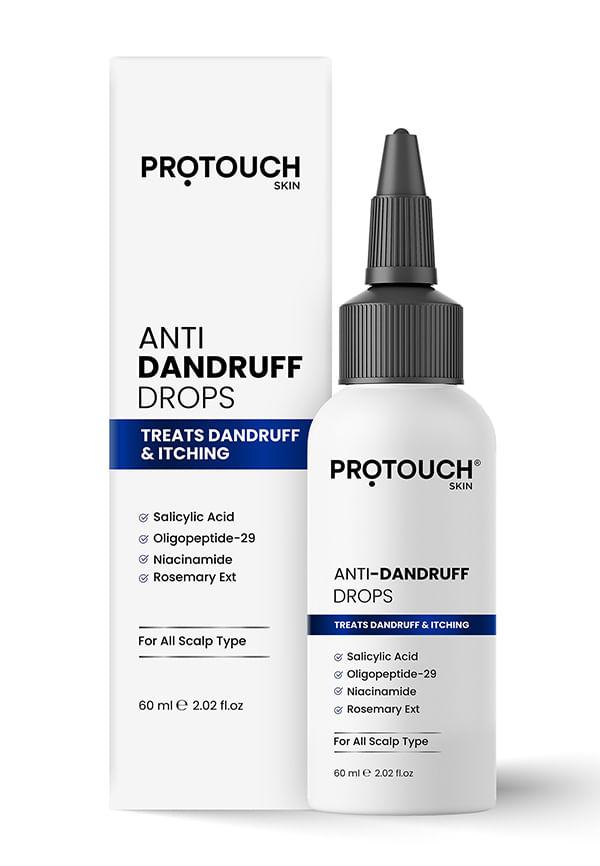
SKIN Anti Dandruff Drops Serum Soothes Itchy, Inflamed Scalp
Your regular shampoo might be part of the problem. Switch to a gentle, sulfate-free formula that won't strip your scalp's natural oils. Look for ingredients like chamomile, calendula, or oat extract that provide soothing benefits while cleansing.
Treating scalp irritation is one thing, but preventing it from coming back requires a thoughtful approach to your overall scalp care routine. Think of your scalp like the skin on your face – it needs consistent, gentle care rather than sporadic intensive treatments.
Daily care starts with how you brush your hair. Use a soft-bristled brush or wide-tooth comb, and be gentle when detangling. Aggressive brushing can irritate an already sensitive scalp and create micro-tears that lead to further problems. Brush your hair before washing to distribute natural oils and remove loose debris.
Weekly treatments should include a deep conditioning session focused on your scalp, not just your hair lengths. Apply a nourishing mask or oil treatment to your scalp once a week, massaging gently to improve circulation and help ingredients penetrate. This is also a good time to do a gentle scalp exfoliation using a soft brush or your fingertips to remove dead skin cells and product buildup.
Monthly maintenance involves clarifying treatments to remove stubborn buildup that regular shampooing might miss. Use a clarifying shampoo or apple cider vinegar rinse once a month to reset your scalp's condition. This healthy scalp routine helps maintain the delicate balance your scalp needs to stay comfortable and irritation-free.
Your scalp health reflects your overall wellness. Stress, poor diet, and lack of sleep can all contribute to scalp irritation. Managing stress through exercise, meditation, or other relaxation techniques can significantly improve scalp conditions. A diet rich in omega-3 fatty acids, vitamins A and E, and zinc supports healthy scalp function from the inside out.
Protect your scalp from environmental stressors like UV rays, pollution, and extreme weather. Wear a hat in strong sun, use products with UV protection, and rinse your hair after swimming in chlorinated pools. These scalp care tips might seem basic, but they make a real difference in preventing irritation.
While most scalp irritation responds well to gentle care and the right products, some situations require professional attention. If you're experiencing severe itching that interferes with sleep, bleeding from scratching, hair loss in patches, or symptoms that worsen despite treatment, it's time to see a dermatologist.
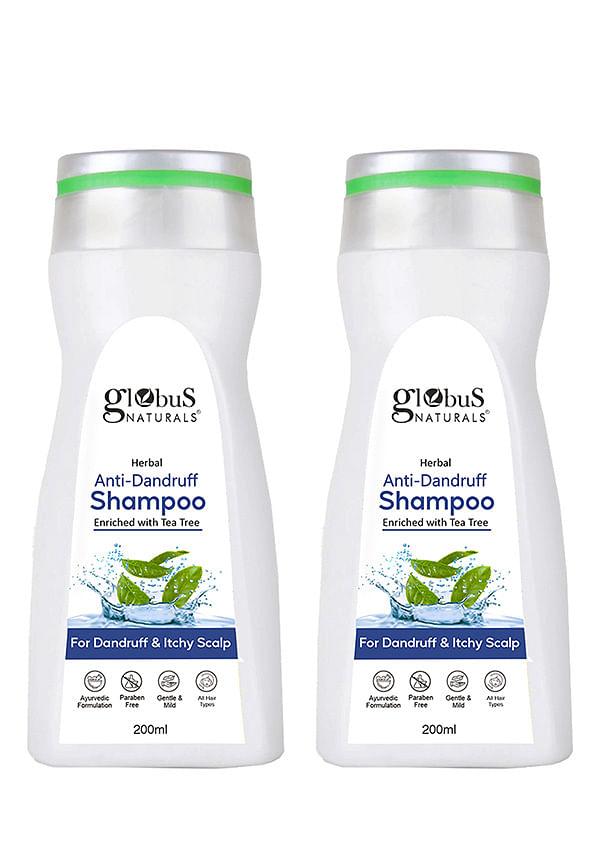
Anti Dandruff Shampoo, For Dandruff and Itchy Scalp
Persistent flaking that doesn't improve with anti-dandruff treatments, sudden onset of severe symptoms, or scalp irritation accompanied by other skin issues elsewhere on your body could indicate an underlying condition that needs medical diagnosis and treatment. Don't suffer through chronic discomfort when effective prescription treatments are available.
A dermatologist can properly diagnose conditions like seborrheic dermatitis, psoriasis, or alopecia areata that might be causing your symptoms. They can also prescribe stronger treatments like topical steroids or antifungal medications when over-the-counter options aren't enough. For ongoing itchy scalp relief, professional guidance ensures you're treating the right condition with the most effective approach.
Apply cool aloe vera gel directly to the scalp, use a diluted apple cider vinegar rinse, or massage coconut oil gently into affected areas. These natural remedies provide immediate cooling relief and help restore the scalp's pH balance. Cool water rinses and avoiding harsh products also help calm irritation quickly.
Rinse with cool water to remove irritants, apply a cold compress for 10-15 minutes, and avoid scratching. Follow with a gentle, fragrance-free moisturiser or natural oil like jojoba to lock in hydration. These immediate steps help break the itch-scratch cycle and provide fast relief.
Colloidal oatmeal masks, coconut oil treatments, and apple cider vinegar rinses are most effective for dry scalp treatment. These remedies work best when combined with gentle, sulfate-free cleansing and consistent moisturising. Regular use helps restore the scalp's natural barrier function.
Use anti-inflammatory ingredients like aloe vera, chamomile tea rinses, or properly diluted tea tree oil. Avoid heat styling, harsh chemicals, and tight hairstyles until inflammation subsides. Cool compresses and gentle massage can also help reduce swelling and discomfort.
Mild irritation typically improves within 3-7 days with proper care and gentle treatment. Chronic conditions may take 2-4 weeks of consistent treatment to show significant improvement. Persistent issues beyond one month require professional evaluation to rule out underlying conditions.
Learning how to soothe scalp irritation is really about understanding what your scalp needs and giving it consistent, gentle care. Whether you're dealing with occasional dryness or chronic sensitivity, the combination of immediate relief techniques, natural remedies, and a thoughtful daily routine can make all the difference. Remember that your scalp is unique, so what works for others might need tweaking to work perfectly for you.
The most important thing is to be patient with the healing process and avoid the temptation to try multiple new products at once. Start with gentle, proven approaches and give them time to work before adding more treatments to your routine. Not sure which products might work best for your specific scalp concerns? Smytten offers trial-size versions of many scalp care products from trusted brands – a smart way to test different formulations before committing to full-size bottles.
