How to Soothe Itchy Scalp in Monsoon: Quick Relief Tips


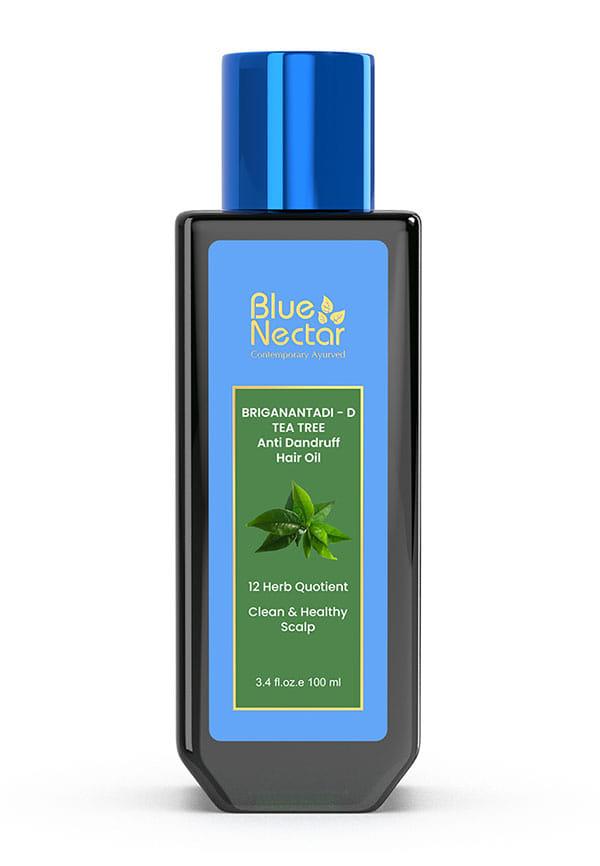
Tea Tree Anti Dandruff and Healthy Scalp Oil 12 Herbs
Monsoon season brings relief from scorching heat, but it also brings an unwelcome guest—an itchy, irritated scalp. Real talk: the combination of humidity, increased sweating, and damp conditions creates the perfect storm for scalp problems that can drive you absolutely mad. If you've been scratching your head wondering how to soothe itchy scalp monsoon, you're not alone. From fungal infections to dandruff flare-ups, monsoon scalp problems affect millions of people across India. The good news? There are proven ways to get quick relief and prevent future irritation. Let's be honest, whether you're dealing with dry, flaky skin or an oily scalp that just won't behave, understanding the root causes and having the right remedies at hand can transform your monsoon haircare routine. We're diving into practical solutions that actually work, because nobody should have to suffer through months of constant scalp irritation. With the right approach, you can enjoy the rains without the itch. You can explore Smytten's trial packs for effective scalp care solutions.
TL;DR
Monsoon humidity creates ideal conditions for fungal growth and scalp irritation, leading to itching, dandruff, and discomfort
Immediate relief can be achieved through cool water rinses, gentle scalp massage, and avoiding harsh scratching
Home remedies like apple cider vinegar, tea tree oil, and aloe vera provide effective, natural solutions for itchy scalp relief
Prevention strategies include proper hair drying, choosing the right shampoo, and maintaining good scalp hygiene during humid weather
Professional treatment may be necessary for persistent fungal infections or severe scalp irritation that doesn't respond to home care
Understanding why your scalp goes haywire during monsoon season is the first step towards finding relief. The increased humidity creates a breeding ground for various scalp issues that can make your life miserable.
The primary culprit behind monsoon scalp problems is the dramatic increase in moisture levels. When humidity levels are high, your scalp struggles to maintain its natural balance. This excess moisture gets trapped against your skin, creating an environment where bacteria and fungi thrive. The warm, damp conditions are particularly favourable for Malassezia, the yeast responsible for dandruff and seborrheic dermatitis. (Malassezia is a type of fungus that naturally lives on the skin and scalp).
Another major factor contributing to dry itchy scalp causes during monsoon is the disruption of your scalp's natural oil production. Ironically, while the air is more humid, your scalp might actually become drier. This happens because the constant moisture exposure can strip away natural oils, leaving your skin barrier compromised and more prone to irritation.
Rainwater exposure adds another layer of complexity. Unlike the pure H2O we imagine, rainwater often contains pollutants, dust, and chemicals that can irritate sensitive scalp skin. When you get caught in the rain, these contaminants settle on your scalp and can trigger allergic reactions or worsen existing conditions.
Excessive sweating during humid weather also plays a significant role. Your scalp produces more sweat to cool down, but when this sweat can't evaporate properly due to high humidity, it mixes with natural oils and dead skin cells, creating a sticky layer that clogs pores and leads to inflammation.
When your scalp is driving you mad with itching, you need solutions that work right now. These immediate itchy scalp relief techniques can provide quick comfort while you work on longer-term solutions. Try these tips to try before you buy your next scalp treatment.
The cool water rinse technique is your first line of defence. Splash cool (not cold) water directly onto your scalp for 30 seconds. The cool temperature helps reduce inflammation and provides instant relief from the burning, itchy sensation. This works because cool water constricts blood vessels, reducing the inflammatory response that causes itching.
Wrap a few ice cubes in a thin cloth and gently press against the most irritated areas of your scalp for 2-3 minutes. This scalp irritation treatment provides immediate numbing relief and reduces swelling. Never apply ice directly to your skin, as this can cause damage.
Use your fingertips (never your nails) to gently massage your scalp in circular motions. This increases blood circulation and can provide relief from tension-related itching. Focus on areas that feel tight or particularly irritated, but keep the pressure light to avoid further inflammation.
Stress can worsen scalp itching, so taking a few deep breaths can actually help. Try the 4-7-8 technique: inhale for 4 counts, hold for 7, and exhale for 8. This activates your parasympathetic nervous system and can reduce the intensity of itching sensations.
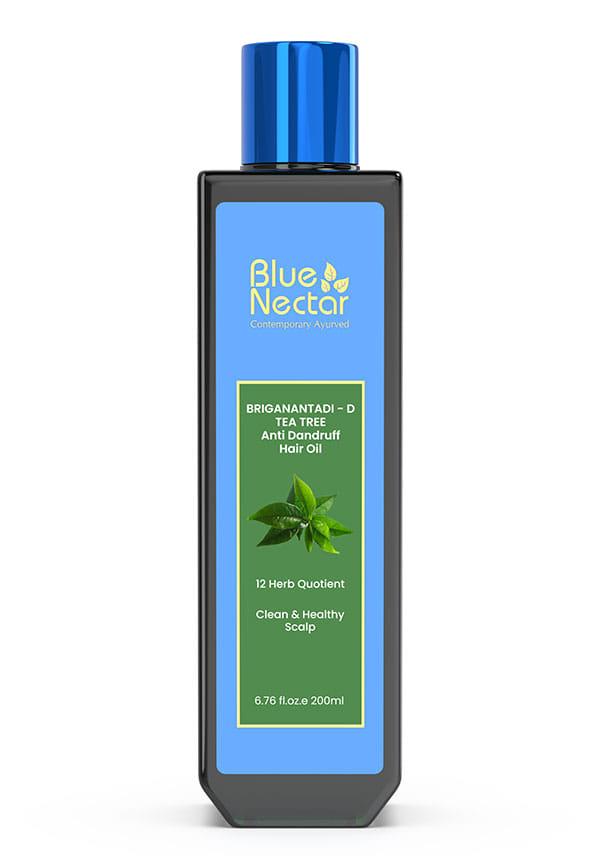
Tea Tree Anti Dandruff and Healthy Scalp Oil 12 Herbs
Home remedies for itchy scalp have been used for generations, and many have solid science backing their effectiveness. These natural solutions can provide significant relief without the side effects of harsh chemicals. Explore these options for effective trial packs India.
The beauty of home remedies lies in their accessibility and gentleness. Most ingredients are probably sitting in your kitchen right now, and they work by addressing the underlying causes of scalp irritation rather than just masking symptoms.
Mix one part apple cider vinegar with three parts water to create a powerful pH-balancing rinse. The acetic acid in ACV helps restore your scalp's natural pH level, creating an environment that's hostile to fungi and bacteria. Apply this mixture to damp hair, focusing on the scalp, and leave for 5 minutes before rinsing thoroughly.
Tea tree oil is a powerhouse for treating fungal infections and reducing inflammation. Mix 5-10 drops with a carrier oil like coconut or jojoba oil, and massage into your scalp. Leave for 20 minutes before washing out. The antifungal and antibacterial properties make this particularly effective for dandruff during monsoon.
Fresh aloe vera gel provides cooling relief and has anti-inflammatory properties that can soothe irritated skin. Apply pure aloe gel directly to your scalp and leave overnight for maximum benefit. The gel forms a protective barrier while delivering healing compounds deep into the skin.
Combine 2 tablespoons of coconut oil with 3-4 drops of peppermint essential oil for a cooling, moisturising treatment. Coconut oil provides deep hydration while peppermint offers immediate cooling relief. This combination works particularly well for oily scalp remedies during humid weather.
Not all scalp issues are created equal, and what works for dandruff might not be effective for fungal infections. Understanding your specific condition helps you choose the most appropriate treatment approach. This is where scalp health tips become essential.
The key is accurate identification. Many people mistake one condition for another, leading to ineffective treatment and prolonged discomfort. Let's break down the most common monsoon scalp problems and their targeted solutions.
Dandruff typically presents as white or yellowish flakes that are relatively small and dry. The itching is usually mild to moderate, and the flakes brush off easily. Fungal infection scalp conditions, on the other hand, often involve larger, greasier flakes, more intense itching, and sometimes red, inflamed patches.
Fungal infections may also cause hair loss in affected areas and can spread to other parts of the body. If you notice circular patches of hair loss, severe inflammation, or if the condition doesn't improve with regular dandruff treatments, you're likely dealing with a fungal infection that requires stronger intervention.
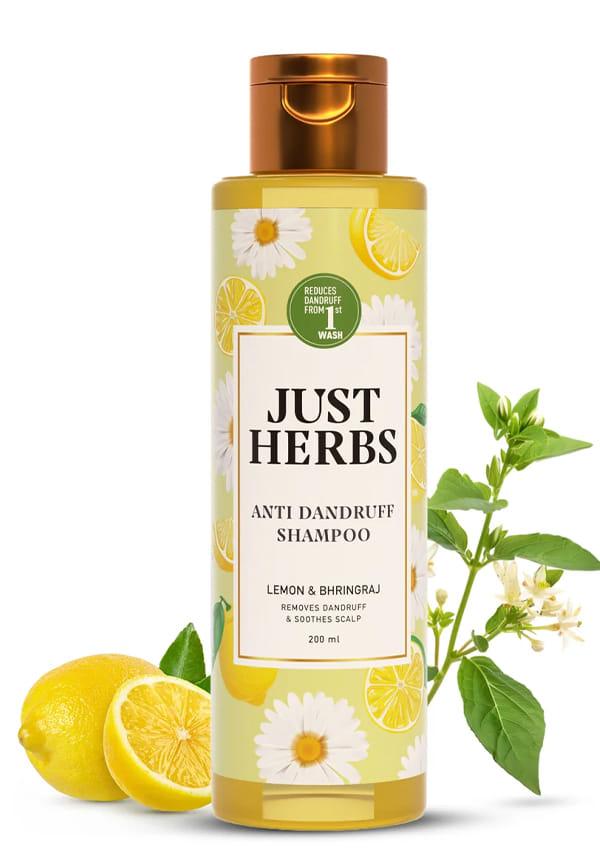
Anti Dandruff Shampoo | Lemon, Bhringraj & 12 Herbs
Favourite Product Ever
 5
5“this is my favourite product ever”
Affordable Favourite Shampoo
5“affordable and favourite shampoo”
Affordable Favourite Shampoo
5“affordable and favourite shampoo”
For dry scalp conditions, focus on gentle, moisturising treatments. Use sulfate-free shampoos, apply nourishing oils regularly, and avoid over-washing. Oily scalp management requires a different approach—use clarifying shampoos more frequently, apply astringent treatments like witch hazel, and avoid heavy oils that can worsen the condition.
Prevention is always better than cure, and this couldn't be more true for monsoon scalp care. Developing the right haircare for humid weather routine can save you from weeks of discomfort and irritation.
The foundation of good monsoon haircare lies in understanding how humidity affects your hair and scalp, then adjusting your routine accordingly. Small changes in your daily habits can make a massive difference in preventing scalp problems before they start.
Never leave your hair damp for extended periods during monsoon. Use a microfiber towel to gently squeeze out excess water, then allow your hair to air dry completely. If you must use a blow dryer, use the cool setting to avoid adding heat stress to your already challenged scalp.
During monsoon, you might need to wash your hair more frequently than usual, especially if you have an oily scalp. However, over-washing can strip natural oils and worsen dryness. Find the sweet spot—usually every other day for oily scalps and 2-3 times per week for dry scalps.
Look for shampoos with antifungal ingredients like ketoconazole, zinc pyrithione, or selenium sulfide for dandruff-prone scalps. For general scalp health tips, choose gentle, sulfate-free formulas that won't strip your scalp's natural protective barrier.
Keep your scalp clean by gently exfoliating once a week with a soft brush or your fingertips. This removes dead skin cells and product buildup that can clog pores and lead to irritation. Always rinse thoroughly to ensure no product residue remains.
While home remedies work wonderfully for mild to moderate scalp issues, some conditions require professional intervention. Knowing when to seek help can prevent minor problems from becoming major ones.
Professional scalp irritation treatment options range from medicated shampoos to prescription antifungal medications. Dermatologists can also perform tests to identify specific fungi or bacteria causing your symptoms, leading to more targeted and effective treatment.
Medicated shampoos containing ketoconazole, selenium sulfide, or coal tar can be highly effective for persistent dandruff and mild fungal infections. These are available without prescription and can provide significant relief when used as directed.
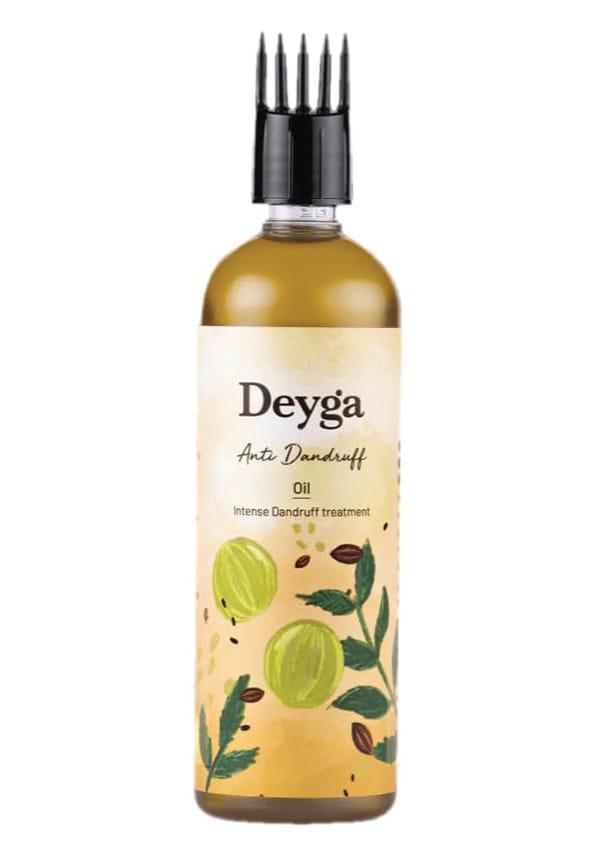
Anti Dandruff Oil Dandruff Control Neem Oil
Seek professional help if you experience severe hair loss, spreading red patches, pus-filled bumps, or if your symptoms worsen despite consistent treatment. These could indicate a more serious condition requiring prescription medication.
Most scalp conditions show improvement within 2-4 weeks of consistent treatment. If you don't see any improvement after a month of proper care, it's time to consult a dermatologist for a more comprehensive evaluation.
Start with immediate relief techniques like cool water rinses and gentle massage. Follow up with targeted home remedies like apple cider vinegar rinses or tea tree oil treatments. Maintain proper scalp hygiene and use antifungal shampoos if needed. Most cases improve within 2-3 weeks of consistent care.
Monsoon humidity creates ideal conditions for fungal and bacterial growth on your scalp. The excess moisture disrupts your scalp's natural balance, leading to inflammation and itching. Increased sweating and exposure to polluted rainwater can also trigger allergic reactions and worsen existing scalp conditions.
Rainwater often contains pollutants, dust, and chemicals that can irritate sensitive scalp skin. When your hair gets wet in the rain, these contaminants settle on your scalp and can trigger immediate irritation. Always rinse your hair with clean water after getting caught in the rain.
Yes, severe scalp inflammation and fungal infections can lead to temporary hair loss. The constant scratching and inflammation weaken hair follicles, making hair more prone to breakage. However, this hair loss is usually reversible once the underlying scalp condition is treated properly.
Most people notice initial relief within the first week of using targeted scalp treatments available on Smytten. Complete improvement typically takes 2-4 weeks of consistent use. The platform's trial packs let you test different products to find what works best for your specific scalp type before committing to full-size purchases.
Monsoon-related scalp itching is primarily caused by increased humidity, fungal growth, and disrupted natural oil balance. The key to effective treatment lies in understanding your specific condition and choosing appropriate remedies accordingly. This is a great place to find 100% cashback on trials.
Immediate relief can be achieved through simple techniques like cool water rinses and gentle massage, while home remedies such as apple cider vinegar and tea tree oil provide longer-term solutions. Prevention through proper haircare routines, including correct drying techniques and appropriate shampoo selection, is crucial for avoiding future problems.
Most scalp conditions respond well to consistent home treatment within 2-4 weeks. However, persistent symptoms, severe inflammation, or hair loss warrant professional medical attention. Remember that what works for one person might not work for another, so patience and experimentation are key to finding your perfect solution.
Dealing with an itchy scalp during monsoon doesn't have to be a nightmare. With the right knowledge and approach, you can enjoy the rainy season without constantly worrying about scalp discomfort. The combination of immediate relief techniques, proven home remedies, and proper prevention strategies gives you a comprehensive toolkit for tackling any scalp challenge that monsoon throws your way.
Smytten is India's largest product discovery and trial platform, connecting consumers with top lifestyle, beauty, wellness, and grooming brands. At its core, Smytten offers curated trial packs - mini-sized products from over 2,400 trusted brands such as Cetaphil, Dot & Key, True Elements, Oziva, Renee, Swiss Beauty Love, Beauty & Planet, WishCare, Carlton London and Bella Vita. This lets users explore and experience scalp care products before committing to full-size purchases. The platform covers a wide range of haircare categories, including anti-dandruff shampoos, scalp serums, and treatment oils. Each mini is linked with Trial Points, and users can get up to 10 Trial Points for just ₹279. Plus, Smytten offers 100% cashback on the purchase of these minis, redeemable in the shop section for future orders, making scalp care discovery both affordable and rewarding. With over 28 million users and 100 million trial minis delivered across 90% pin code coverage, Smytten helps consumers make smarter, more confident choices for their scalp health. After all, why settle for 'maybe' when you can #TryItAll!
