How to Soothe Dry Scalp with Winter Hair Oils


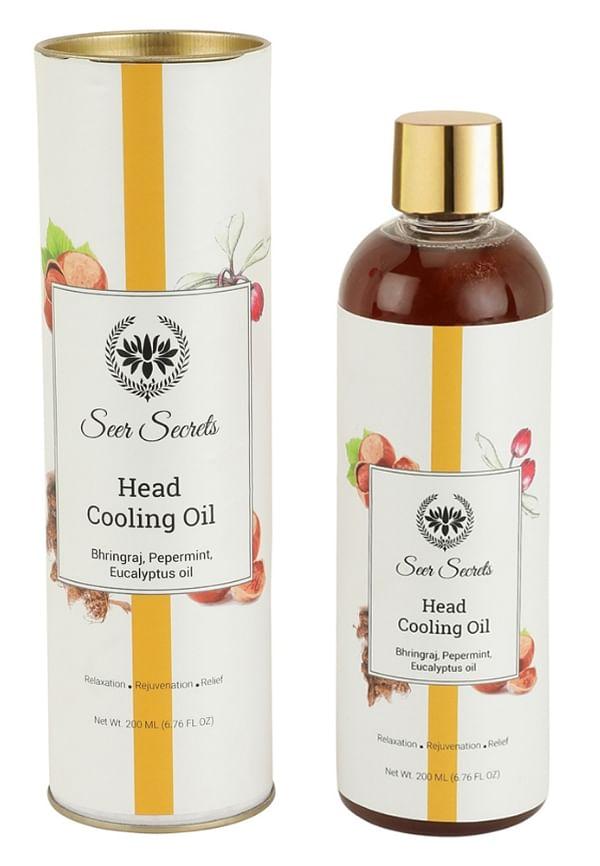
Head Cooling Oil
Soothing Scalp Experience
 4
4“wow! I really love this. it soothes my scalp”
Positive experience, recommend
4“it's all good Val. love it. you should give it a try”
Excellent Head Cooling Oil
5“head cooling oil is very good product”
Winter's here, and if your scalp feels like it's staging a rebellion with all that itching and flaking, you're not alone. Cold air outside and heated rooms inside create the perfect storm for dry scalp drama. But here's the thing—the right dry scalp oils for women in winter climates can be total game-changers. Think of them as your scalp's winter coat, protecting and nourishing when the weather gets harsh. Let's dive into how these oils work their magic and which ones deserve a spot in your winter haircare routine.
Real talk—winter doesn't play nice with your scalp. The cold air outside has basically zero humidity, which means it's constantly pulling moisture from your skin and scalp. Then you step indoors, and the heating systems finish the job by creating an even drier environment. Your scalp's natural oil production can't keep up with this moisture theft, leading to that tight, itchy feeling we all know too well.
The science bit is actually quite simple. Your scalp produces sebum (natural oils) to keep itself healthy and protected. But when the air is dry, this sebum evaporates faster than your scalp can replace it. Add in hot showers (because who doesn't love them in winter?) and you're stripping away even more of those protective oils. The result? Flaky, irritated skin that might even develop into more serious conditions if left unchecked.
Common winter scalp symptoms include persistent itching, visible flakes on your shoulders, tight-feeling skin, and sometimes even small bumps or redness. If you notice thick, yellowish flakes or severe inflammation, you might be dealing with seborrheic dermatitis rather than simple dryness—and that's when professional dry scalp treatment becomes essential.
Not all oils are created equal when it comes to scalp moisturising oils. Some penetrate deeply, others sit on the surface, and a few can actually make things worse if you're not careful. Here's your guide to the ones that actually work for winter hair care.
Jojoba oil is technically a wax, but it behaves like the sebum your scalp naturally produces. This means it won't clog your pores or leave you feeling greasy. It's brilliant for sensitive scalps because it's hypoallergenic and has anti-inflammatory properties that calm irritation.
Coconut oil penetrates the hair shaft better than most oils, making it perfect for deep hydration. Its antimicrobial properties also help with dandruff control by fighting the fungi that can worsen scalp conditions. Just warm it slightly before application for better absorption.
This one's your go-to for itchy scalp remedies. Tea tree oil has powerful anti-inflammatory and antifungal properties that tackle both the symptoms and underlying causes of scalp irritation. Always dilute it with a carrier oil—it's potent stuff.
Rich in vitamin E and antioxidants, argan oil protects your scalp from environmental damage whilst providing moisture without weighing your hair down. It's perfect if you have fine hair but still need serious scalp health support.
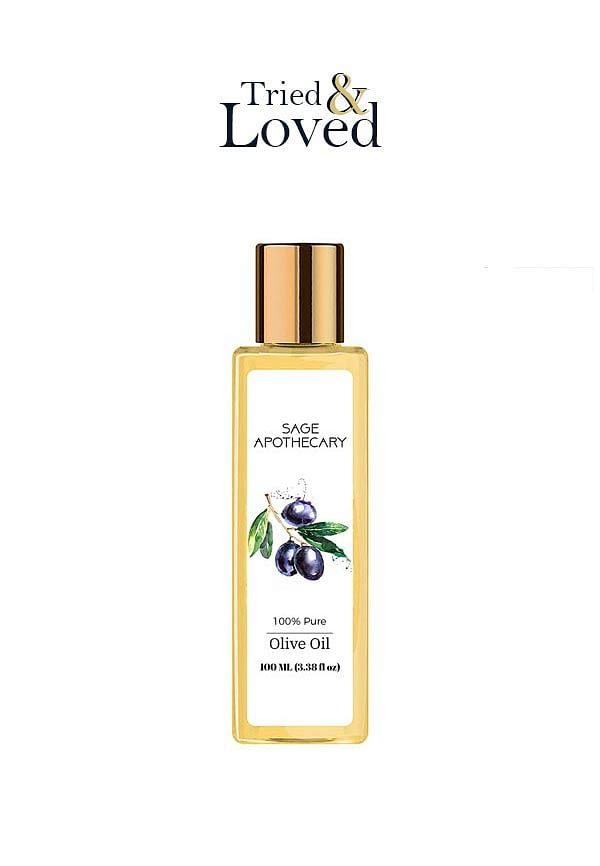
Olive Oil for Hair
Great Oil for Skin & Hair
5“great oil for skin and hair. felt good after first use.”
Great Hair Product
5“Nice product for hair. Gives amazing results.”
Packed with magnesium and vitamin E, sweet almond oil is gentle enough for daily use. It helps reduce flaking whilst nourishing the scalp with essential fatty acids that support healthy skin barrier function.
Rosemary oil improves blood circulation to the scalp, which helps deliver nutrients to hair follicles. Mix it with a carrier oil for a stimulating treatment that promotes both hair hydration and overall scalp wellness.
Knowing which soothing scalp oils to use is only half the battle—application technique makes all the difference. The wrong approach can leave you with greasy hair or, worse, clogged follicles that create new problems.
Apply your chosen oil to dry hair, focusing on the scalp rather than the lengths. Use your fingertips to massage gently in circular motions for about five minutes. This increases blood flow and helps the oil penetrate better. Leave it on for 20-30 minutes before shampooing as usual.
For seriously dry scalps, overnight treatments work wonders. Apply oil to your scalp and wrap your hair in a silk scarf or use a silk pillowcase to prevent transfer. This extended contact time allows for maximum moisture absorption.
Mix a few drops of your favourite oil with your regular leave-in conditioner for daily maintenance. Focus on the scalp and hairline where dryness tends to be most noticeable.
Sometimes the best natural oils for scalp care come from your kitchen cupboard. These simple recipes combine multiple beneficial ingredients for targeted winter scalp relief.
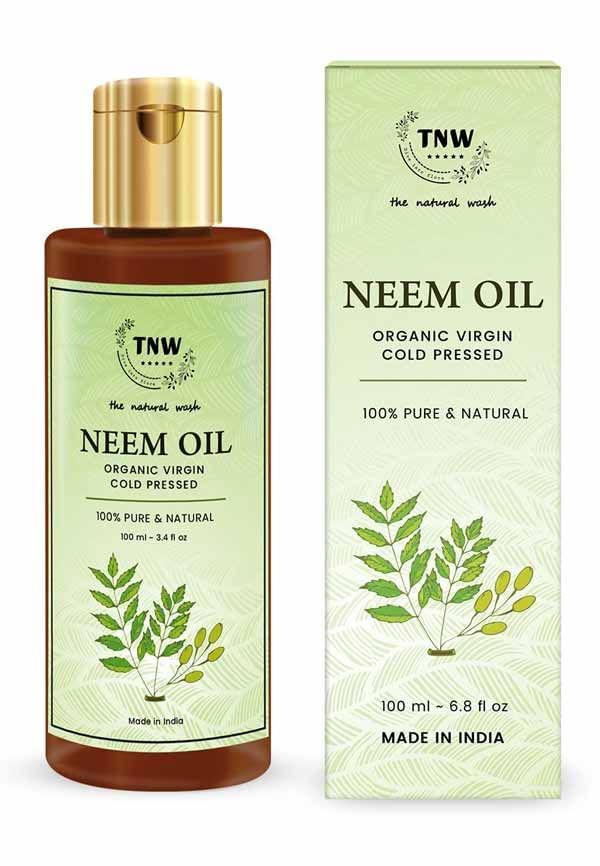
Pure Neem Oil 100ml | Neem Oil For Face | Reduces Pimples, Acne & Cure Fungal Infection
Visible Result in 3 Days
5“what a result visible result in 3 days”
Good & Pure Neem Oil
5“This neem oil is very good and pure, thank you”
Reduces acne, enhances glow
5“reduce my skin acne and enhance the glow”
Mix two tablespoons of melted coconut oil with one tablespoon of pure aloe vera gel. The coconut oil provides deep moisture whilst aloe vera soothes inflammation and adds an extra hydration boost. Apply to your scalp, leave for 30 minutes, then shampoo out.
Combine one tablespoon of apple cider vinegar with two tablespoons of jojoba oil and a teaspoon of brown sugar. This gentle scrub removes dead skin cells whilst balancing your scalp's pH. Use once weekly maximum to avoid over-exfoliation.
Mix five drops of tea tree oil with two tablespoons of your preferred carrier oil. This potent blend tackles inflammation and fungal issues that can worsen winter scalp problems. Always patch test first, especially if you have sensitive skin.
Your oil treatments work best when paired with the right supporting products. The wrong shampoo can undo all your hard work, whilst the right one enhances the benefits.
Sulfates strip natural oils, which is the last thing you want in winter. Look for gentle, pH-balanced formulas that cleanse without over-drying. Ingredients like ceramides and hyaluronic acid provide extra moisture support.
Incorporate a weekly scalp mask into your routine alongside your oil treatments. Look for masks containing ingredients like salicylic acid for gentle exfoliation or niacinamide for inflammation control.
When you're exploring different products for your winter haircare routine, platforms like Smytten make it easier to find what works for your specific scalp needs. With trial packs from over 1,500 trusted brands, you can test various oils and treatments before committing to full-size purchases. This approach is particularly valuable when dealing with sensitive winter scalps that might react differently to various formulations.
Sometimes, despite your best efforts with oils and home treatments, your scalp needs professional attention. Knowing when to seek help can prevent minor issues from becoming major problems.
If you notice thick, yellowish flakes, severe redness, or patches of hair loss, you might be dealing with seborrheic dermatitis or another condition that requires medical treatment. Persistent itching that doesn't improve with oil treatments, or scalp pain and tenderness, are also red flags.
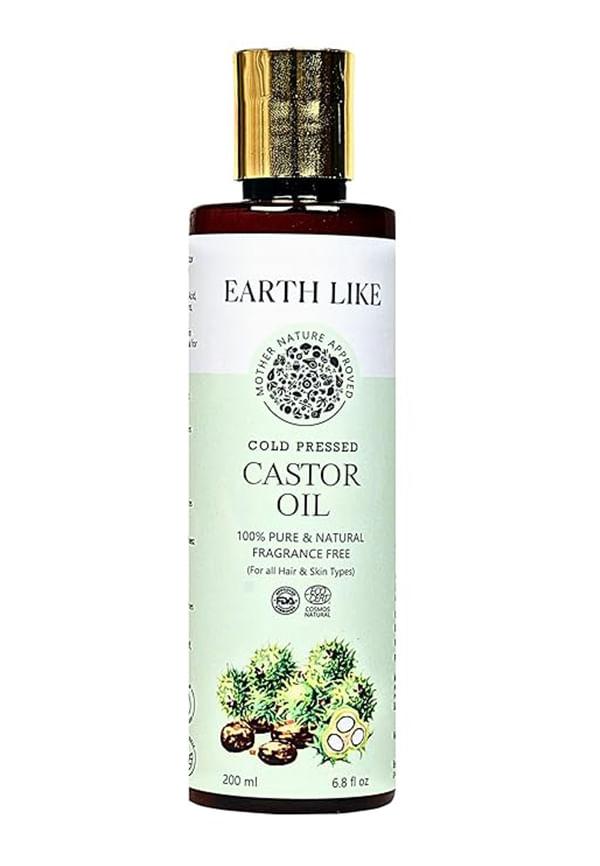
Cold Pressed Castor Oil for Thick Hair & brows booster and Skin Nourishment
Good first impression
5“liked the product packaging and will update my comment after actually using it and as it's mentioned that it's cold pressed so it should be effective.”
Good first impression
5“liked the product packaging and will update my comment after actually using it and as it's mentioned that it's cold pressed so it should be effective.”
Good first impression
5“liked the product packaging and will update my comment after actually using it and as it's mentioned that it's cold pressed so it should be effective.”
A dermatologist can prescribe medicated shampoos or topical treatments that work alongside your oil routine. They can also rule out other conditions like psoriasis or fungal infections that might be masquerading as simple dryness.
Jojoba oil tops the list because it mimics your scalp's natural sebum without clogging pores. Coconut oil is brilliant for deep moisture and antimicrobial benefits, whilst argan oil offers antioxidant protection with a lighter feel. Your choice depends on your scalp's specific needs and hair type.
Two to three times per week works well for most people during winter months. If your scalp is severely dry, you might need daily light applications, but monitor how your scalp responds and adjust accordingly.
Never apply essential oils like tea tree or rosemary directly to your scalp—they're too concentrated and can cause irritation or burns. Always dilute them with carrier oils like jojoba, coconut, or sweet almond oil.
Not if you do it right. Focus the oil on your scalp rather than your hair lengths, use the right amount for your hair type, and ensure you're shampooing properly afterwards. Lightweight oils like jojoba or argan are less likely to leave residue.
For regular treatments, 20-30 minutes before shampooing works well. For intensive care, overnight treatments provide maximum benefits. Just protect your pillowcase and wash thoroughly in the morning.
Winter doesn't have to mean suffering through months of itchy, flaky scalp drama. The right combination of dry scalp oils for women in winter climates can transform your scalp health and make cold-weather haircare something to look forward to rather than dread.
Remember, consistency is key with oil treatments. Your scalp won't transform overnight, but with regular care using the right oils and techniques, you'll notice improvements within a few weeks. Start with one oil that appeals to you, master the application technique, then experiment with blends or different oils as needed.
The beauty of natural oil treatments is that they work with your scalp's natural processes rather than against them. Unlike harsh treatments that can create a cycle of dryness and irritation, oils nourish and protect whilst addressing the root causes of winter scalp issues. Whether you choose jojoba for its sebum-mimicking properties, coconut for deep hydration, or tea tree for its anti-inflammatory benefits, you're giving your scalp the winter protection it deserves.
