How to Soothe an Itchy Scalp: Quick Relief Tips

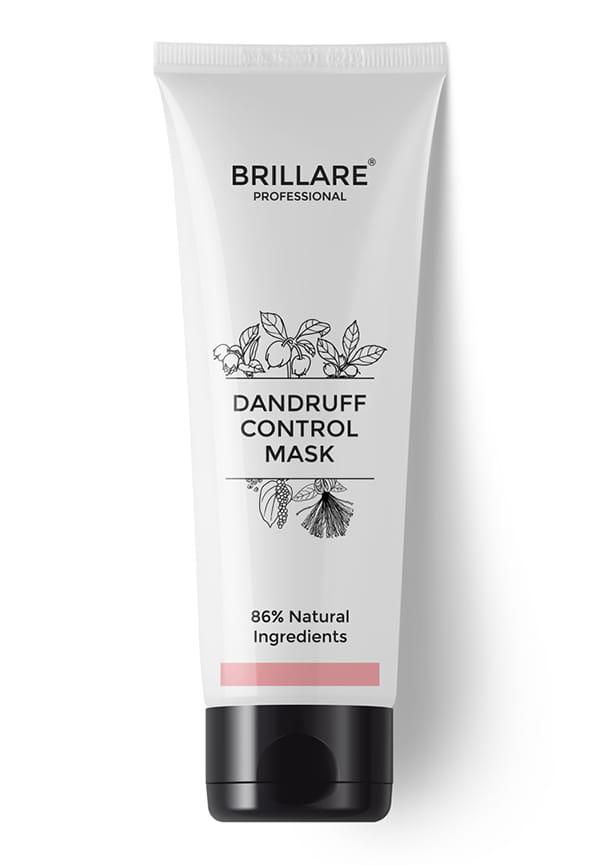
Conditioner For Itchy, Flaky Scalp
Good product, highly recommended
 5
5“This product is very good highly recommend.”
Wonderful Product
5“nice product. result wonderful along with shampoo”
Effective Dandruff Treatment
4“removes dandruff and itchyness from hair”
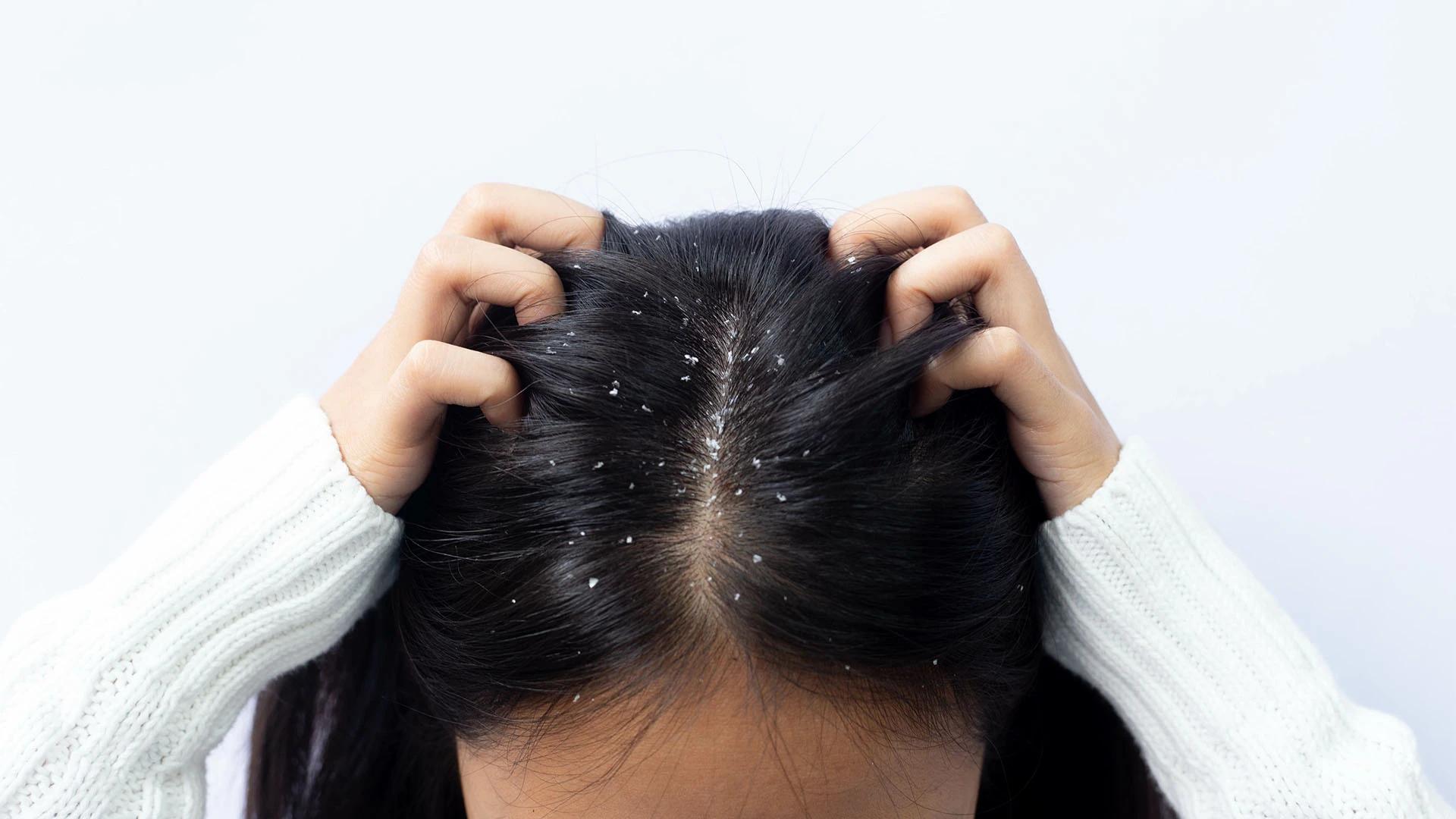
You know that moment when your scalp starts tingling—not in a good way—and suddenly you're scratching like there's no tomorrow? We've all been there. That persistent itch that makes you want to dig your nails in deep, even though you know it'll only make things worse. Whether it's the dry winter air, a new shampoo that didn't agree with you, or just one of those mysterious scalp moments, finding quick relief becomes your top priority. The good news? There are actually loads of ways to calm things down without making a trip to the chemist.
Before diving into how to soothe that annoying itch, let's get real about what's actually happening up there. Your scalp is basically skin—pretty sensitive skin, actually—and it can get irritated for loads of reasons. Sometimes it's as simple as your scalp being too dry, especially during those harsh winter months when the heating's cranked up and the air feels like sandpaper.
Product buildup is another major culprit. All those styling products, dry shampoos, and even regular shampoos can leave residue that clogs your hair follicles and irritates your skin. Then there are the more serious players like seborrheic dermatitis (fancy name for what causes dandruff), psoriasis, or eczema. These conditions need a bit more attention, but the good news is that many scalp soothing techniques work across the board.
Environmental factors play a huge role too. Hard water, pollution, sudden weather changes, or even stress can trigger scalp irritation. Your scalp is basically telling you something's not right, and listening to those signals is the first step in finding the right itchy scalp relief.
When your scalp is driving you mad and you need relief this instant, here's what actually works. First up: cool water. Seriously, it's that simple. Hot water might feel good in the moment, but it strips your scalp of natural oils and can make irritation worse. Cool water, on the other hand, helps reduce inflammation and gives you immediate hair inflammation relief.
Try a gentle scalp massage using just your fingertips—never your nails, no matter how tempting. Use small circular motions and light pressure. This boosts blood circulation and can help distribute your scalp's natural oils. Think of it as giving your scalp a mini spa moment.
If the itching is really intense, grab an ice pack wrapped in a thin towel and apply it to the worst spots for about 10-15 minutes. The cold helps numb the area and reduces inflammation. Just don't go overboard—you want relief, not frostbite.
For those "I need help right now" moments, aloe vera gel is your best friend. Keep a tube in your fridge for extra cooling power. Apply a thin layer directly to your scalp and let it sit for 15-20 minutes before rinsing. The anti-inflammatory properties work wonders for sensitive scalp solutions.
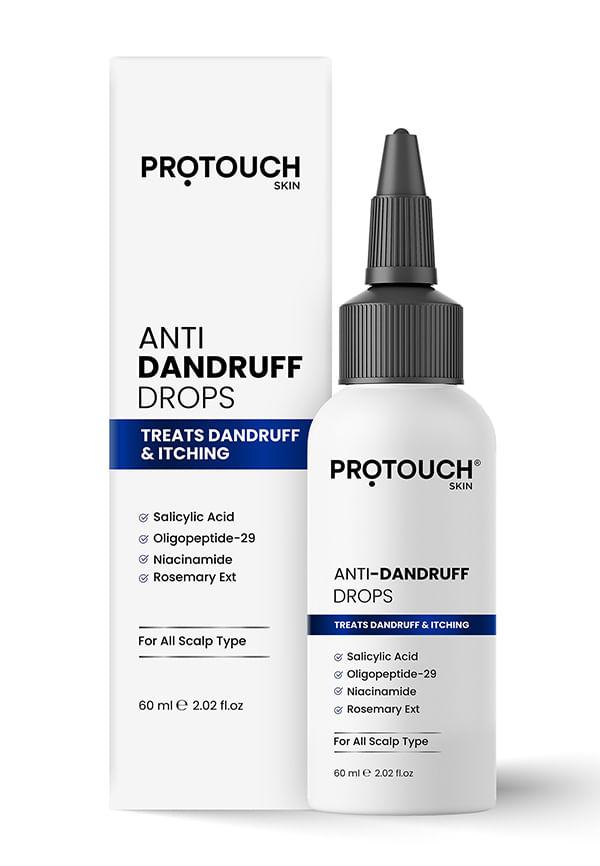
SKIN Anti Dandruff Drops Serum Soothes Itchy, Inflamed Scalp
Peppermint oil can also provide instant relief, but you must dilute it properly. Mix 2-3 drops with a tablespoon of carrier oil like coconut or jojoba. The cooling sensation helps distract from the itch while the oil moisturises your scalp.
Sometimes the best hair calming remedies are sitting right in your kitchen. Apple cider vinegar might smell a bit funky, but it's brilliant for restoring your scalp's pH balance and removing product buildup. Mix one part ACV with three parts water, apply to damp hair, leave for 5-10 minutes, then rinse thoroughly. Your scalp will thank you.
Oatmeal isn't just for breakfast—it makes an incredible calming hair mask for irritated scalps. Blend half a cup of oats into a fine powder, mix with enough water to make a paste, and apply to your scalp. Leave it on for 15-20 minutes before rinsing. The anti-inflammatory compounds in oats help soothe irritation naturally.
Tea tree oil is another powerhouse for dry scalp treatment, but like peppermint oil, it needs proper dilution. Mix 5-10 drops with your regular shampoo or a carrier oil. It has antimicrobial properties that can help if your scalp issues are caused by fungal or bacterial overgrowth.
For overnight relief, coconut oil is worth a try. Warm a small amount between your palms and gently massage into your scalp before bed. Cover with a silk scarf or old pillowcase and wash out in the morning. The fatty acids help repair your scalp's moisture barrier.
A honey and yogurt mask combines the antimicrobial properties of honey with the gentle acids in yogurt. Mix two tablespoons of each, apply to your scalp, and leave for 20 minutes. This combo helps balance your scalp's microbiome while providing moisture.
For seriously dry scalps, try mashing half an avocado with a tablespoon of olive oil. The healthy fats penetrate deeply to nourish irritated skin. Apply, leave for 30 minutes, then shampoo as usual.
While home remedies are brilliant, sometimes you need proper hair products for irritation that are specifically formulated for sensitive scalps. Medicated shampoos containing ingredients like ketoconazole, selenium sulfide, or zinc pyrithione can be game-changers for persistent issues. Use them 2-3 times a week initially, then scale back as your scalp improves.
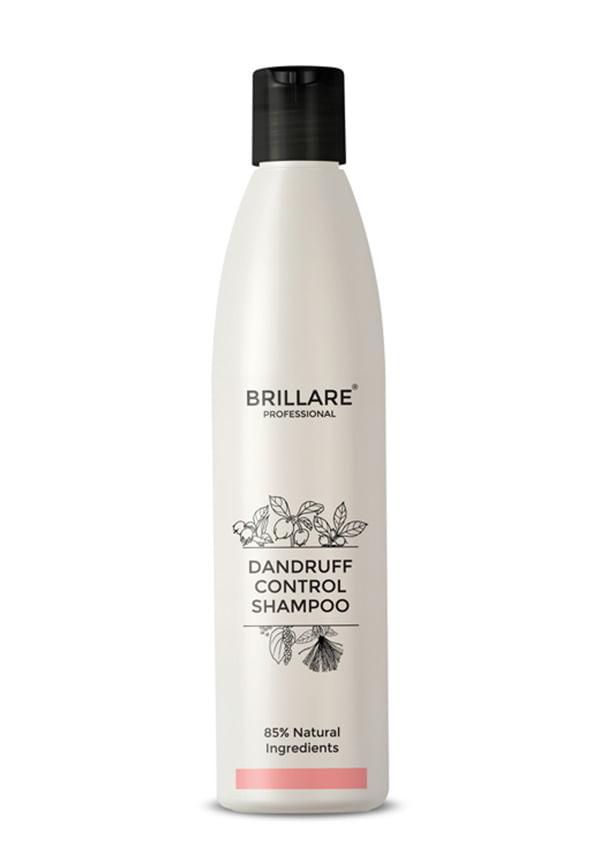
Dandruff Control Shampoo For Itchy, Flaky Scalp
Nourishing & Dandruff-Fighting Shampoo
5“This shampoo deeply nourishes the scalp and strengthens the hair from roots to tips. and removes all dandruff within 2..4 wash”
Love this product, order every time
5“love this product i ordered it every time”
Quick Results, Gentle & Amazing Quality
5“you will see results quickly rather than anything, very gentle small quantity enough , quality amazing”
Scalp serums and treatments are becoming more popular, and for good reason. Look for products with niacinamide, salicylic acid, or ceramides. These ingredients help repair your scalp barrier while providing targeted relief. Apply to clean, damp hair and massage gently into your scalp.
When shopping for haircare products, prioritise sulfate-free and fragrance-free options. Sulfates can be too harsh for sensitive scalps, while fragrances are common irritants. pH-balanced products (around 5.5) help maintain your scalp's natural protective barrier.
These haircare tips might seem basic, but choosing the right products makes a massive difference. Your scalp is unique, so what works for your mate might not work for you. That's where trying different formulations becomes really valuable.
Real talk: preventing scalp irritation is way easier than treating it. Proper washing frequency depends on your hair type and lifestyle, but most people overwash. If you have a sensitive scalp, try washing every other day or even less frequently. Your scalp needs time to produce its natural protective oils.
Water temperature matters more than you think. Lukewarm water is your sweet spot—hot enough to clean effectively but not so hot that it strips your scalp. Finish with a cool rinse to seal your hair cuticles and reduce inflammation.
Your brush choice affects your scalp health too. Natural bristle brushes distribute oils better and are gentler on sensitive skin. Clean your brushes weekly with shampoo to prevent bacteria buildup. And here's something most people don't consider: stress management. Chronic stress can trigger scalp issues, so finding ways to chill—whether that's yoga, meditation, or just a good Netflix binge—actually helps your scalp health.
Sometimes DIY solutions aren't enough, and that's completely normal. If your scalp has been itching for more than two weeks despite trying different remedies, it's time to see a professional. Hair loss, bald patches, bleeding, or severe flaking are red flags that need medical attention.
Signs of infection—like pus, extreme redness, or fever—require immediate care. Don't mess around with these symptoms. Also, if you've tried multiple treatments and nothing's working, a dermatologist can identify underlying conditions and prescribe stronger treatments.
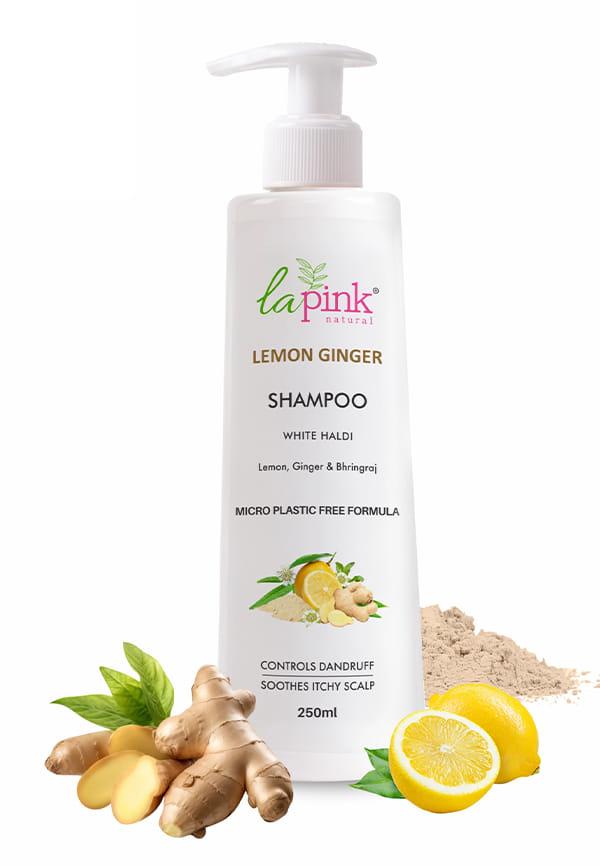
Lemon Ginger Shampoo with White Haldi to Control Dandruff & Soothe Itchy Scalp
Mixed Cleansing and Drying Effects
4“best for cleansing the scalp. but makes hair way too dry after usage”
Most people notice some improvement within 24-48 hours of starting treatment. Cool water rinses and gentle massages can provide immediate temporary relief, while deeper treatments like oil masks or medicated shampoos typically show results within a few days to a week of consistent use.
Dry scalp produces small, white flakes and feels tight or itchy, usually caused by lack of moisture. Dandruff creates larger, yellowish flakes that are oily and often accompanied by redness. Dandruff is typically caused by a yeast overgrowth, while dry scalp is about moisture loss.
Absolutely. Stress triggers inflammation throughout your body, including your scalp. It can also disrupt your scalp's natural oil production and make existing conditions like eczema or psoriasis worse. Managing stress through exercise, meditation, or other relaxation techniques often helps improve scalp health.
Foods rich in omega-3 fatty acids (like salmon and walnuts), zinc (pumpkin seeds, chickpeas), and antioxidants (berries, leafy greens) support overall skin health, including your scalp. Staying hydrated is equally important—dehydration shows up in your scalp just like it does in your face.
Most people with sensitive scalps do better washing every 2-3 days rather than daily. This gives your scalp time to produce natural oils that protect and moisturise. However, if you use lots of styling products or have very oily hair, you might need to wash more frequently—just use gentle, sulfate-free products.
Dealing with an itchy scalp doesn't have to be a nightmare. Whether you're reaching for cooling aloe vera, trying an oatmeal mask, or investing in a gentle medicated shampoo, the key is finding what works for your specific scalp needs. Remember that consistency matters more than perfection—stick with your chosen routine for at least a week before deciding if it's working.
The most important thing is listening to your scalp and not ignoring persistent symptoms. Sometimes what feels like simple dryness might need professional attention. And while you're figuring out your perfect scalp care routine, platforms like Smytten make it easier to try different products without committing to full sizes. With their curated selection of haircare brands and trial-size options, you can test what works for your scalp before investing in larger bottles—because finding your perfect match shouldn't break the bank.
