How to Soothe an Itchy Scalp Naturally at Home
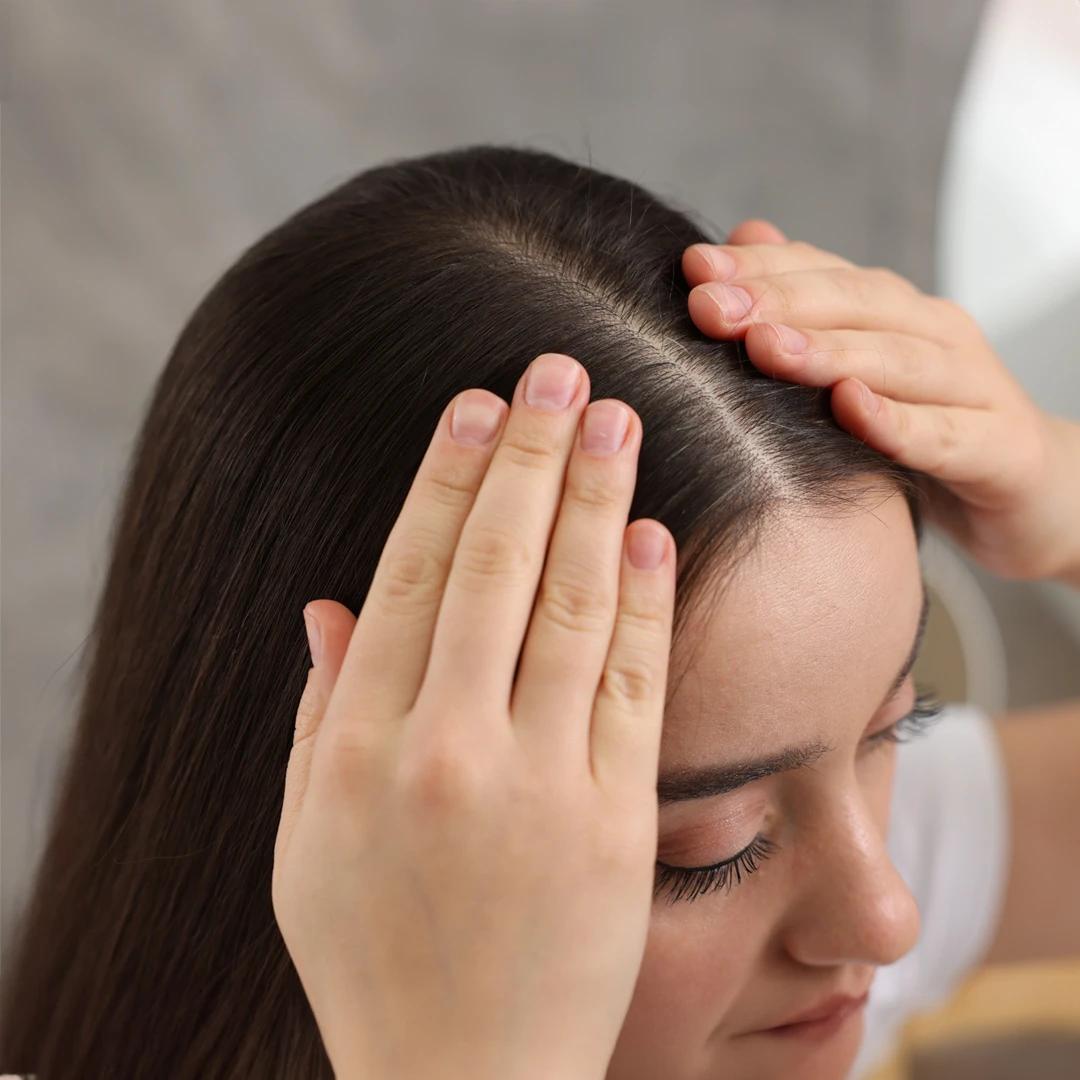

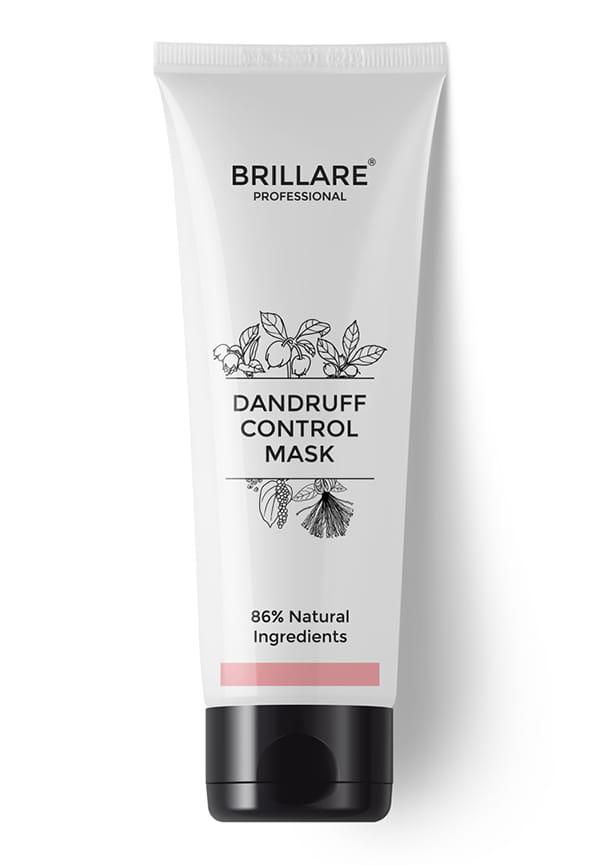
Conditioner For Itchy, Flaky Scalp
Good product, highly recommended
 5
5“This product is very good highly recommend.”
Wonderful Product
5“nice product. result wonderful along with shampoo”
Effective Dandruff Treatment
4“removes dandruff and itchyness from hair”
That persistent itch on your scalp can drive anyone mad. Whether it's from dry weather, product buildup, or something else entirely, dealing with scalp irritation feels like an endless cycle of scratch, relief, and repeat. The good news? Your kitchen cupboard might hold the key to natural treatments for itchy scalp that actually work. From simple apple cider vinegar rinses to soothing oatmeal masks, these home remedies can bring real relief without harsh chemicals. Let's dive into proven solutions that'll have your scalp feeling calm and comfortable again.
Before jumping into treatments, it helps to know what's causing your scalp irritation relief needs. The most common culprits include dandruff, dry scalp, product buildup, and even fungal infections. Each has its own tell-tale signs that can guide your treatment choice.
Dandruff shows up as white or yellow flakes that fall from your hair, often accompanied by an oily scalp. Dry scalp, on the other hand, produces smaller, white flakes and feels tight or rough to touch. Product buildup creates a film-like layer that makes your scalp feel heavy and can trigger itching. Fungal infections might cause red, scaly patches alongside the itch.
Pay attention to when your scalp health issues worsen. Does it happen after using certain products? During seasonal changes? After stress? These patterns can help you choose the most effective natural scalp care approach. If you notice severe redness, open sores, or hair loss alongside itching, it's worth checking with a dermatologist before trying home remedies.
Your pantry is basically a treasure trove of itchy scalp remedies waiting to be discovered. These everyday ingredients pack serious punch when it comes to soothing irritated scalps, and you probably already have most of them at home.
Apple cider vinegar works wonders for restoring your scalp's natural pH balance. Mix one part ACV with two parts water, apply to damp hair, and let it sit for 5-10 minutes before rinsing. The acetic acid helps remove buildup whilst fighting fungal growth that can cause itching.
For dry scalp treatment, coconut oil is your best mate. Warm a few tablespoons until liquid, massage into your scalp, and leave for at least 30 minutes (or overnight for intensive care). Its antimicrobial properties tackle bacteria whilst deeply moisturising parched skin.
Create a paste with baking soda and water to gently scrub away dead skin cells and product residue. Use this once weekly maximum, as overuse can be drying. Massage gently in circular motions, then rinse thoroughly.
The citric acid in lemon juice helps dissolve dead skin whilst adding shine to your hair. Mix fresh lemon juice with equal parts water, apply to scalp, wait 5 minutes, then shampoo as usual. Perfect for tackling stubborn flakes.
Extra virgin olive oil provides deep conditioning for severely dry scalps. Warm slightly, massage in, cover with a shower cap, and leave for 20-30 minutes. The vitamin E content helps heal irritated skin.
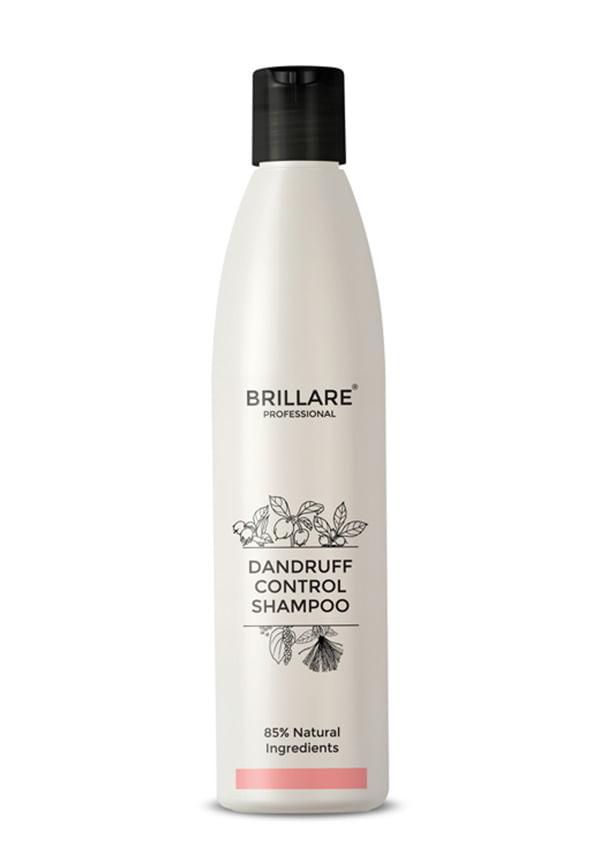
Dandruff Control Shampoo For Itchy, Flaky Scalp
Nourishing & Dandruff-Fighting Shampoo
5“This shampoo deeply nourishes the scalp and strengthens the hair from roots to tips. and removes all dandruff within 2..4 wash”
Love this product, order every time
5“love this product i ordered it every time”
Quick Results, Gentle & Amazing Quality
5“you will see results quickly rather than anything, very gentle small quantity enough , quality amazing”
Fresh aloe vera gel offers instant cooling relief for inflamed scalps. Apply directly from the plant or use pure aloe gel, leave for 15 minutes, then rinse. Its anti-inflammatory properties calm irritation quickly.
Essential oils bring concentrated healing power to your itchy scalp solutions toolkit. These potent plant extracts can tackle everything from fungal infections to circulation issues, but they need proper dilution to avoid further irritation.
Tea tree oil is brilliant for dandruff relief thanks to its strong antifungal properties. Mix 5-10 drops with a carrier oil like jojoba or coconut oil before applying. Never use undiluted tea tree oil directly on your scalp as it can cause burns.
The menthol in peppermint oil creates a cooling effect that interrupts itch signals whilst boosting blood circulation. Add 3-5 drops to your regular shampoo or mix with a carrier oil for scalp massage.
Lemongrass oil fights bacteria and fungi that can cause scalp irritation. Dilute 5 drops in a tablespoon of carrier oil and massage into scalp. Leave for 20 minutes before washing out.
Always patch test essential oils on your inner arm before using on your scalp. Pregnant women should avoid certain oils, and some can increase sun sensitivity. When in doubt, consult with an aromatherapist or healthcare provider.
Sometimes you need instant relief from that maddening itch. These home remedies for itchy scalp work fast when you can't wait for overnight treatments to do their magic.
Grind plain oats into a fine powder, mix with enough water to form a paste, and apply to your scalp. The beta-glucans in oats create a protective barrier whilst reducing inflammation. Rinse after 5 minutes for immediate soothing relief.
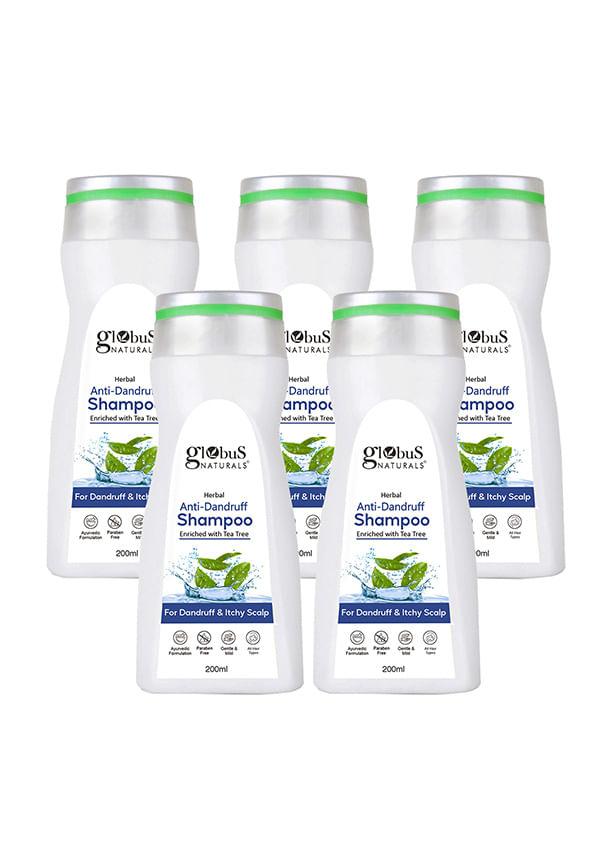
Anti Dandruff Shampoo, For Dandruff and Itchy Scalp
Nice Shampoo
5“dis shampoo is very nice liked it”
Good Value for Money
4“I like the product and two product are 200 ml so is value for money and what it”
Good Value for Money
4“I like the product and two product are 200 ml so is value for money and what it”
Wrap ice cubes in a thin towel and apply to the itchiest spots for 30 seconds at a time. The cold temperature numbs nerve endings and reduces the urge to scratch. Perfect for emergency relief when you're out and about.
Use your fingertips (not nails) to massage your scalp in gentle circular motions. This increases blood flow and can interrupt itch signals. Focus on pressure points behind your ears and at the base of your skull for extra relief.
Mix a tablespoon of salt in a cup of cool water for a quick anti-inflammatory rinse. Pour over your scalp, massage gently, and rinse with plain water. The salt helps reduce swelling and provides temporary relief.
Not all itchy scalps are created equal, so your sensitive scalp care routine should match your specific condition. Here's how to tailor your approach based on what's causing your discomfort.
For chronically dry scalps, focus on intensive moisturising treatments. Try an overnight oil treatment using argan, jojoba, or sweet almond oil. Apply generously, cover with a silk scarf, and shampoo out in the morning. Repeat twice weekly until your scalp feels balanced again.
Combat dandruff with antifungal treatments like diluted tea tree oil or apple cider vinegar rinses. Exfoliate weekly with a brown sugar and honey scrub to remove flakes, followed by a moisturising treatment to prevent over-drying.
If your scalp reacts to everything, stick to the gentlest options. Chamomile tea (cooled) makes an excellent rinse for sensitive skin. Calendula oil is another mild option that soothes without causing further irritation.
Clarify your scalp monthly with a baking soda paste or apple cider vinegar rinse. Follow up with a deep conditioning treatment to restore moisture. Consider switching to sulphate-free shampoos to prevent future buildup.
Consistency beats intensity when it comes to maintaining scalp health. Building a sustainable routine with natural treatments for itchy scalp ensures long-term relief rather than just temporary fixes.
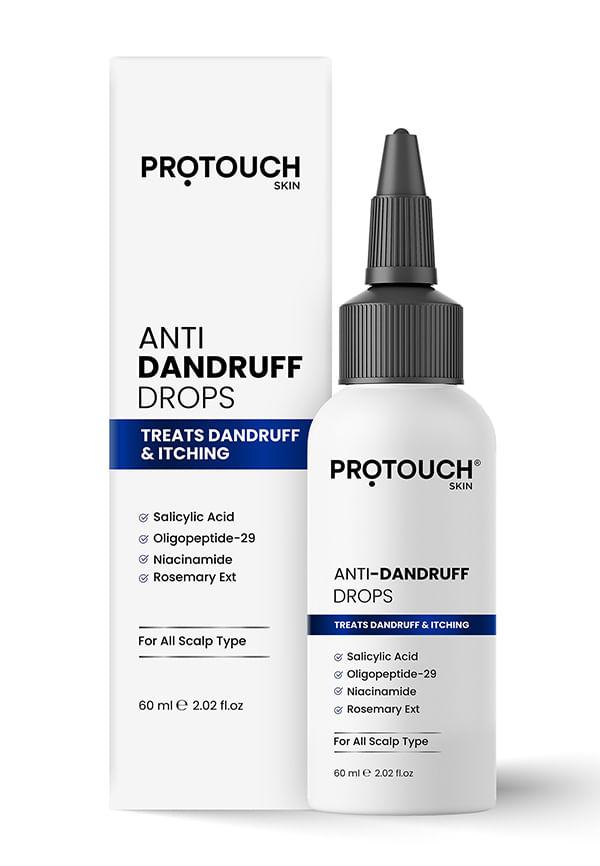
SKIN Anti Dandruff Drops Serum Soothes Itchy, Inflamed Scalp
Start with gentle treatments 2-3 times per week, then adjust based on how your scalp responds. Monday might be oil treatment day, Wednesday could be your clarifying rinse, and Friday your exfoliation session. This spacing prevents over-treatment whilst maintaining steady improvement.
Consider your lifestyle factors too. Stress, diet, and environmental conditions all affect scalp health. Stay hydrated, eat omega-3 rich foods, and protect your hair from harsh weather. Sometimes the best itchy scalp solutions combine topical treatments with internal wellness support.
When exploring new haircare products, platforms like Smytten make it easier to test different formulations without committing to full-size purchases. With over 1,500 trusted brands available in trial sizes, you can discover what works for your unique scalp needs without the risk of wasting money on products that might not suit you.
Colloidal oatmeal paste provides the quickest relief. Mix ground oats with water, apply for 5 minutes, then rinse. The anti-inflammatory compounds work immediately to calm irritation.
Start with 2-3 times per week for most treatments. Oil treatments can be done weekly, whilst clarifying rinses should be limited to once or twice monthly to avoid over-drying.
Yes, but introduce one new treatment at a time to identify what works. Avoid mixing acids (like lemon juice) with oils in the same session, as this can cause irritation.
Most are gentle enough for coloured hair, but apple cider vinegar and lemon juice may cause slight fading. Always do a strand test first, and consider using these treatments less frequently on processed hair.
Consult a dermatologist if you experience severe redness, open sores, hair loss, or if natural remedies don't improve symptoms after 4-6 weeks of consistent use.
For mild to moderate scalp issues, natural treatments can be very effective. However, severe conditions like seborrheic dermatitis may require medical intervention alongside natural supportive care.
Natural treatments for itchy scalp offer gentle, effective relief using ingredients you likely already have at home. From soothing oatmeal masks to clarifying apple cider vinegar rinses, these remedies address the root causes of scalp irritation without harsh chemicals.
Remember that consistency matters more than perfection. Start with one or two treatments that appeal to you, give them time to work, then gradually build your routine. Your scalp's needs might change with seasons, stress levels, or hormonal shifts, so stay flexible and adjust accordingly.
The key to successful scalp health lies in understanding your specific condition and choosing treatments that match your needs. Whether you're dealing with dryness, dandruff, or general irritation, there's a natural solution worth trying. With patience and the right approach, you can achieve the comfortable, healthy scalp you deserve.
