How to Shield Your Hair from Harmful UV Rays

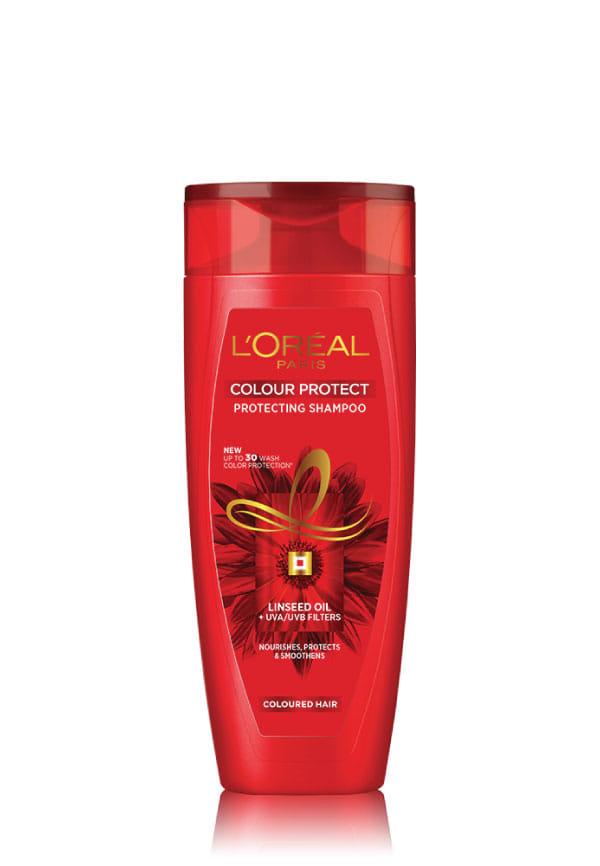
Color Protect Shampoo
Highly recommended product
 5
5“excellent product one must try it.it is so good and awesome”
High-Quality Product
5“very good quality product of the order”
Excellent Shampoo
5“colour protecter shampoo its too good”
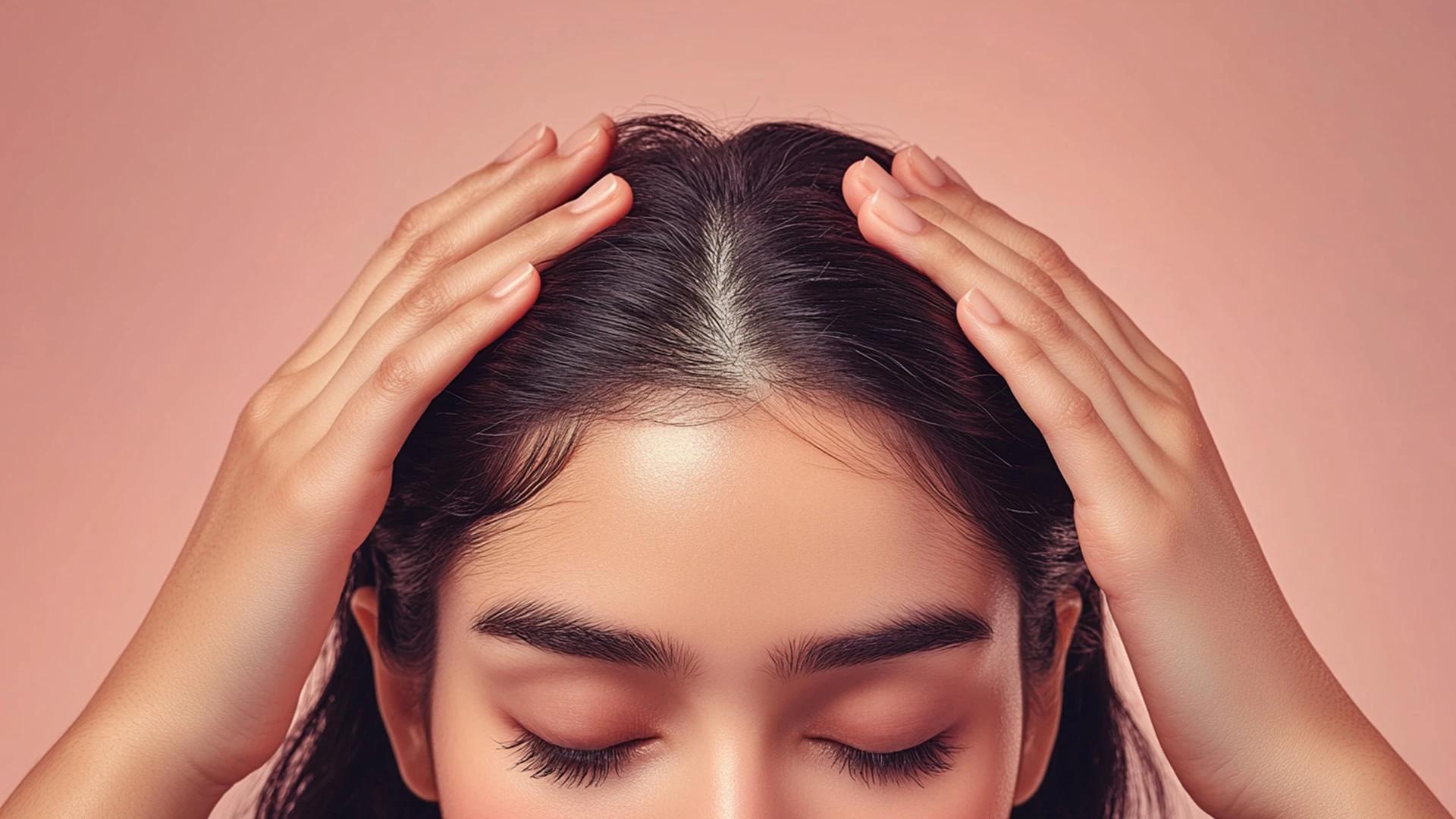
Let's be real—you wouldn't step out without slathering on SPF for your face, but what about your hair? Your strands are just as vulnerable to UV damage as your skin, yet most of us completely forget about UV-protection haircare for women. Those gorgeous locks you've been nurturing can turn dry, brittle, and faded faster than you can say "beach day." The sun doesn't discriminate—whether you've got natural waves or colour-treated hair, UV rays are silently wreaking havoc up there. But here's the thing: protecting your hair from sun damage isn't rocket science, and it doesn't have to cost a fortune either.
Think your hair is tough enough to handle whatever the sun throws at it? Think again. Your hair structure is surprisingly delicate when it comes to UV exposure. Unlike your skin, which has natural defence mechanisms and can produce melanin for protection, your hair is essentially dead protein fibres with zero ability to repair themselves once damaged.
Here's what makes hair sun protection absolutely crucial: UV rays penetrate the hair cuticle (that's the outer protective layer) and break down the proteins inside. This leads to weakened strands, colour fading, and that dreaded straw-like texture we've all experienced after a holiday. Women's hair faces even more risk because we tend to have longer hair with more surface area exposed, plus many of us have chemically treated or coloured hair that's already compromised.
Research shows that prolonged sun exposure can reduce hair strength by up to 40%. That's not just a little damage—that's your hair literally falling apart at a molecular level. The scary part? This damage is cumulative, meaning every unprotected beach day or sunny afternoon adds up over time.
Let's dive into the science bit (don't worry, we'll keep it simple). UV radiation comes in two main types that affect your hair differently. UVA rays penetrate deeper into the hair shaft, breaking down the proteins that give your hair its strength and elasticity. UVB rays primarily affect the surface, causing immediate damage to the cuticle and leading to that rough, tangled feeling after sun exposure.
When UV rays hit your hair, they trigger oxidative stress—basically, your hair starts "rusting" from the inside out. This process breaks down the amino acids that make up your hair's protein structure, leading to weakened strands that snap easily. The moisture-retaining lipids in your hair also get damaged, leaving your strands dry and brittle.
UV protection for coloured hair isn't just recommended—it's essential. Chemical treatments like colouring, bleaching, or perming already compromise your hair's protective barriers. When UV rays hit chemically treated hair, the damage accelerates dramatically.
Ignoring sun damage hair repair leads to progressive deterioration. Your hair becomes increasingly porous, loses its natural shine, and develops split ends that travel up the hair shaft. Eventually, you might notice significant breakage and thinning.
Ready to become your hair's personal bodyguard? These seven strategies will keep your strands safe without cramping your style. The best part is you can mix and match these methods depending on your plans and hair type.
Sometimes the old-school methods work best. A wide-brimmed hat isn't just a fashion statement—it's your hair's best friend on sunny days. Look for hats with at least a 4-inch brim that provides 360-degree coverage.
Protective hairstyles are another game-changer. Braids, buns, and updos reduce the amount of hair exposed to direct sunlight. Plus, they keep your hair from getting tangled in beach winds.
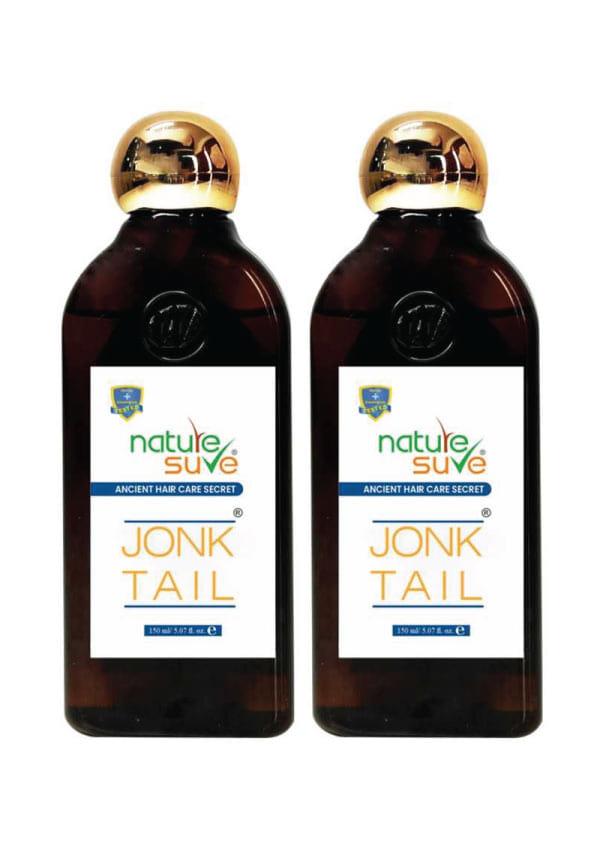
Jonk Tail Hair Oil for Men and Women
UV hair spray and hair sunscreen products are specifically formulated to create a protective barrier on your strands. Unlike regular sunscreen, these products won't weigh your hair down or leave it greasy. Look for products with broad-spectrum protection and apply them evenly from mid-length to ends.
When shopping for hair SPF products, remember that the SPF rating works differently for hair than skin. Hair products typically offer SPF 15-30, which is plenty for most situations.
Coconut oil naturally contains SPF 4-7, making it a brilliant natural option for light protection. Apply a small amount to damp hair before sun exposure, focusing on the ends where damage is most likely to occur.
Navigating the world of sun-safe hair products can feel overwhelming, but once you know what to look for, it becomes much easier. The key is finding products that offer protection without compromising your hair's natural movement and texture.
These lightweight formulas are perfect for daily use and reapplication. Look for sprays that contain zinc oxide or titanium dioxide for physical protection, or chemical UV filters like avobenzone for invisible coverage.
Application is crucial—hold the spray 6-8 inches from your hair and mist evenly. Don't forget the often-missed areas like your parting and the hair around your face.
These form the foundation of your summer haircare routine. UV-protective shampoos gently cleanse while depositing protective ingredients, whilst conditioners help repair existing damage and prevent future harm.
For coloured hair, look for formulas specifically designed to prevent colour fading. These often contain antioxidants like vitamin E and plant extracts that neutralise free radicals.
Multi-tasking products that combine UV protection with styling benefits are absolute winners. These typically offer heat protection too, making them perfect for your everyday routine.
Creating a solid haircare for sun exposure routine doesn't have to be complicated. Think of it as building layers of protection, just like you would with skincare. The key is consistency and choosing products that work well together.
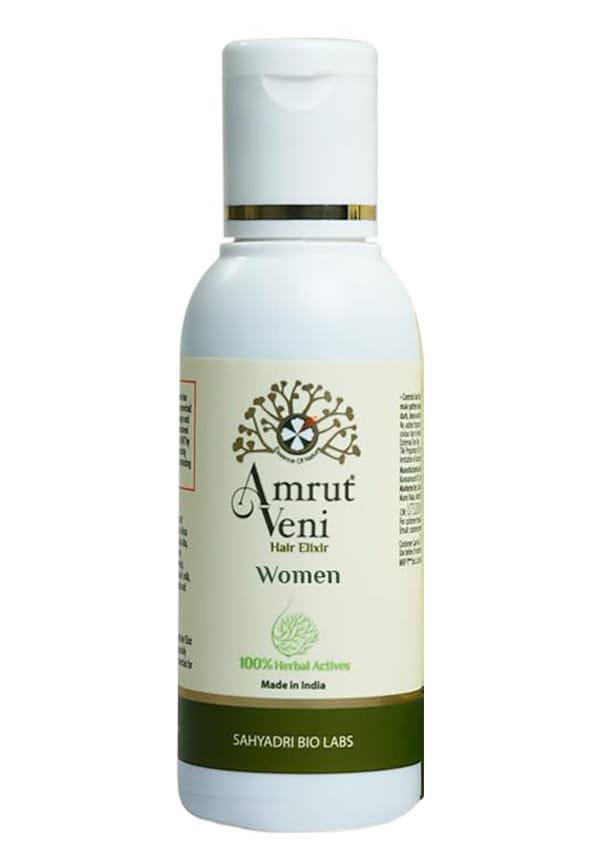
Hair Elixir Women
Start with a UV-protective leave-in treatment on damp hair. This creates your base layer of protection. If you're planning a beach day, apply a dedicated hair sunscreen about 15 minutes before sun exposure.
For swimming, wet your hair with fresh water first. This prevents your strands from absorbing as much chlorinated or salt water, which can amplify UV damage.
Reapplication is crucial, especially if you're swimming or sweating. Most hair sunscreens need refreshing every 2-3 hours for optimal protection.
If you're caught without protection, improvise with what you have. Even wrapping a light scarf around your hair provides some barrier against direct UV rays.
After sun exposure, rinse your hair with cool water to remove salt, chlorine, and product buildup. Follow with a hydrating conditioner or hair mask to replenish lost moisture.
Already dealing with sun damage? Don't panic—with the right approach, you can nurse your hair back to health. Sun damage hair repair is all about patience and consistent care. Your hair won't bounce back overnight, but you'll start seeing improvements within a few weeks of proper treatment.
Sun-damaged hair typically feels rough and looks dull. You might notice increased tangling, split ends, and colour fading. In severe cases, hair becomes extremely brittle and breaks easily when wet.
The good news? Most sun damage is repairable with the right products and techniques. The key is addressing both protein loss and moisture depletion.
Weekly deep conditioning treatments are your best friend for recovery. Look for masks containing keratin, amino acids, or natural oils like argan and jojoba. These ingredients help rebuild the hair's protein structure and restore moisture balance.
Protein treatments can be particularly effective for severely damaged hair, but use them sparingly—too much protein can make hair brittle.
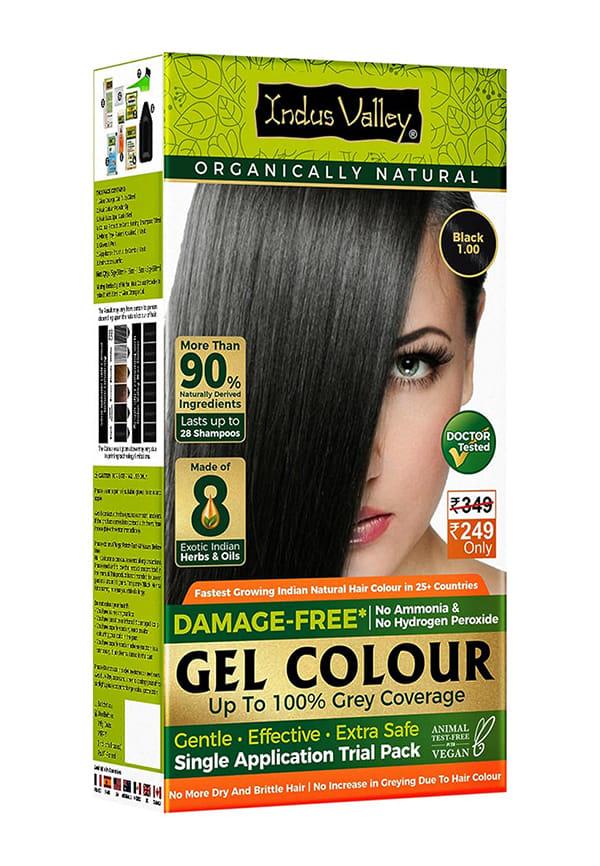
Damage Free Natural Gel Hair Colour for Women
Amazing Product
4“amazing product 😁😁😁😁😁😁😁😁”
Amazing Product
4“amazing product 😁😁😁😁😁😁😁😁”
Amazing Product
4“amazing product 😁😁😁😁😁😁😁😁”
For extensive damage, consider professional treatments like keratin smoothing or bond-building services. These can significantly improve hair texture and manageability, though they require investment.
When exploring new protect hair from sun products and treatments, platforms like Smytten make it easier to discover what works for your hair without the commitment of full-size purchases. With curated trial packs from trusted brands, you can test different UV protection formulas and repair treatments before investing in full sizes. This approach is particularly valuable when dealing with sun-damaged hair, as different damage levels require different solutions.
The most effective approach combines physical protection (hats, protective styles) with UV-protective hair products. Apply a hair sunscreen or UV spray before sun exposure and reapply every 2-3 hours, especially after swimming.
Absolutely. UV rays break down hair proteins and cause cumulative damage that leads to dryness, brittleness, and colour fading. Protection is especially crucial for chemically treated or coloured hair.
Hair SPF products are formulated to be lightweight and non-greasy, typically offering SPF 15-30. They're designed not to weigh hair down while providing adequate protection for the hair structure.
Some natural oils like coconut oil offer mild UV protection (SPF 4-7), but they're not sufficient for extended sun exposure. They work best as supplementary protection or for light, everyday exposure.
Reapply every 2-3 hours, or immediately after swimming or heavy sweating. Hair sunscreens can wash off or break down with water exposure and perspiration.
Use products specifically designed for colour-treated hair, avoid peak sun hours when possible, and consider protective hairstyles. UV-protective leave-in treatments with antioxidants are particularly effective for maintaining colour vibrancy.
Your hair deserves the same protection you give your skin. With the right combination of products, techniques, and habits, you can enjoy sunny days without sacrificing your hair's health and beauty. Remember, prevention is always easier than repair, so start protecting your strands today.
The beauty of modern UV-protection haircare for women is that you don't have to choose between sun protection and gorgeous hair. With lightweight formulas and multi-benefit products, you can maintain your style while keeping your strands safe. Whether you're dealing with existing sun damage or looking to prevent future harm, consistency is key. Your future self (and your hair) will thank you for making UV protection a non-negotiable part of your routine.
