How to Shield Your Curls from Heat Damage Today

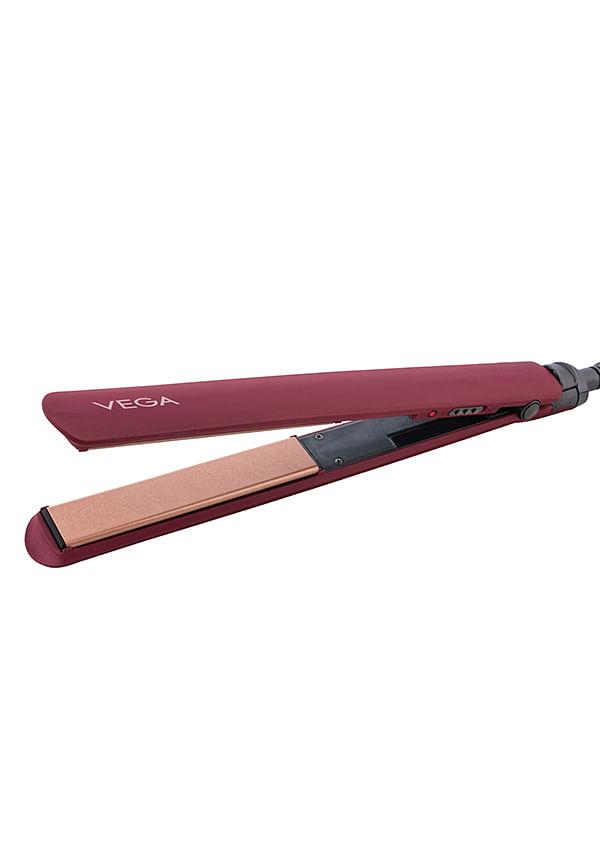
Sleek On Hair Straightener for Women with 230⁰C Heating Temperature
Your curls are gorgeous, but let's be real—they need some serious backup when heat styling comes into play. Whether you're diffusing for volume or straightening for a sleek look, heat protection for curls isn't just nice to have, it's absolutely essential. Curly hair has a unique structure that makes it more vulnerable to thermal damage than straight hair, which means your usual styling routine could be secretly sabotaging your curl pattern. The good news? With the right knowledge and products, you can style with confidence whilst keeping your curls healthy and bouncy.
Here's something that might surprise you: heat damage curls differently than it affects straight hair, and it's all down to science. Curly hair has an elliptical shape rather than a round one, which creates natural weak points along the hair shaft. These weak spots are where the hair bends and curves, making them prime targets for breakage when exposed to high temperatures.
The cuticle layer on curly hair also tends to be more raised and porous, especially if you've got type 3 or 4 curls. This means heat can penetrate deeper into the hair shaft, causing more damage from the inside out. Plus, curly hair is naturally drier because the oils from your scalp have a harder time travelling down the twists and turns of each strand.
Wondering if your curly hair heat styling routine is doing more harm than good? Watch out for these telltale signs:
Loss of curl pattern or looser curls than usual
Excessive frizz that won't respond to your usual products
Dry, brittle texture that feels rough to touch
Split ends and breakage, especially around the crown
Dull appearance with no natural shine
Think of a curl heat protectant as your hair's personal bodyguard. These products work by creating a protective barrier between your strands and the heat source, whilst also helping to maintain moisture levels. The best formulas contain a mix of silicones for slip, proteins for strength, and moisturising ingredients to keep your curls hydrated.
Temperature matters massively when it comes to protecting curls from heat. Fine, damaged, or chemically treated curls should stick to temperatures below 300°F (150°C), whilst thicker, healthier curls can handle up to 350°F (175°C). Never go above 400°F (200°C) regardless of your curl type—that's when serious damage starts happening.
When shopping for heat protection, keep an eye out for these curl-loving ingredients:
Cyclomethicone: Creates a lightweight protective film
Dimethicone: Adds slip and reduces friction during styling
Hydrolysed proteins: Fill in gaps in damaged hair cuticles
Glycerin: Attracts moisture from the environment
Natural oils: Provide nourishment and additional heat protection
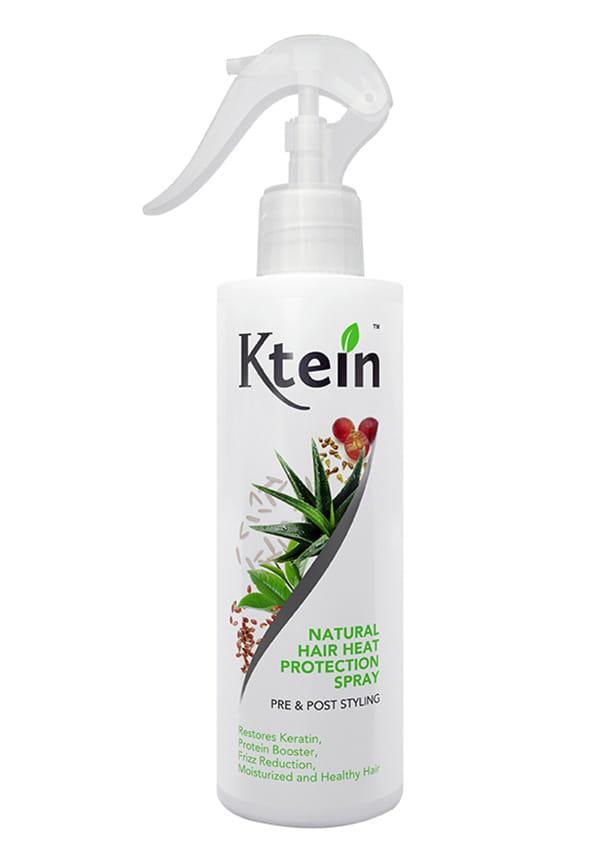
Heat Protection Spray
Great Hair Protection and Fragrance
 4
4“protects hair well. like the fragrance alot”
Amazing Product, Great Results
5“This product is very amazing. I am used this product and very good result and I am interested to”
Effective Heat Protection
5“good hair protection spray helps from heat”
Not all curls are created equal, and neither should your heat protection strategy be. The best heat protection for curly hair depends entirely on your specific curl type, porosity, and styling goals. Let's break it down by curl pattern so you can find your perfect match.
Understanding your hair's porosity is just as important as knowing your curl type. Low porosity hair repels moisture and products, so you'll need lightweight formulas that won't weigh your curls down. High porosity hair drinks up everything you put on it, so richer, more nourishing heat protectants work best.
Wavy hair tends to be less fragile than tighter curl patterns, but it's also more prone to being weighed down by heavy products. Opt for lightweight heat protectant spray for curls that won't flatten your natural texture.
These springy curls need a balance of moisture and protection. Cream-based heat protectants work brilliantly here, providing both thermal protection and curl definition in one step.
The tightest curl pattern needs the most protection. Layer a heat protectant for natural curls with natural oils like argan or coconut oil for maximum thermal defence.
Application technique can make or break your heat protection game. The best curl defining heat protectant in the world won't help if you're not applying it properly. Start with damp (not soaking wet) hair, as this helps the product distribute more evenly and penetrate the hair shaft.
Section your hair into manageable pieces—about 1-2 inches wide depending on your hair thickness. This ensures every strand gets covered, not just the top layer. Work the product through each section from mid-length to ends, avoiding the roots unless your scalp tends to be very dry.
Apply to damp hair for better distribution
Use a wide-tooth comb to ensure even coverage
Let the product absorb for 2-3 minutes before styling
Reapply if your hair feels dry during styling
Don't forget the back sections—they're easy to miss!
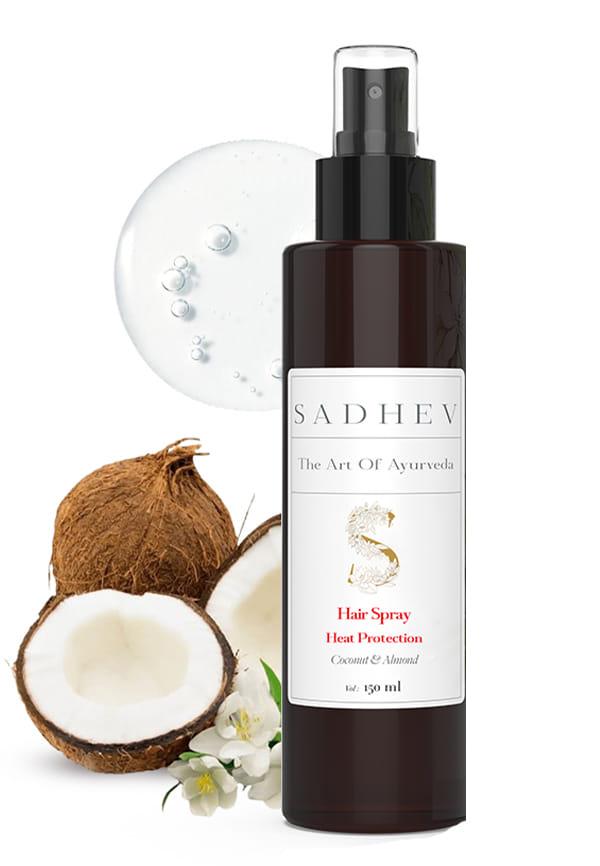
Heat Protection Spray
Smart heat styling tips for curls go beyond just using the right products. Your technique matters just as much as your heat protectant choice. When diffusing, use the lowest heat setting possible and keep the diffuser moving to prevent concentrated heat damage. For flat ironing, work in small sections and never go over the same piece more than twice.
Timing is everything with curly hair heat styling. Always let your hair cool completely in its styled shape before touching or moving it. This helps set the style and reduces the need for touch-ups later.
Diffusing is often the gentlest heat styling option for curls, but you can still cause damage if you're not careful:
Use medium heat, low speed settings
Hover the diffuser rather than pressing it against your scalp
Scrunch gently whilst diffusing to enhance curl formation
Stop when hair is about 80% dry to prevent over-drying
Sometimes you want to switch up your look with sleek, straight styles. Here's how to do it safely:
Start with completely dry hair
Use a flat iron with adjustable temperature settings
Work in thin sections for even heat distribution
Keep the iron moving—never park it in one spot
Don't fancy splashing out on expensive heat protectants? Fair enough—there are plenty of natural alternatives that can provide decent thermal protection whilst nourishing your curls. Natural oils like coconut, argan, and grapeseed oil all have heat-protective properties, though they're not as effective as purpose-made products.
For a simple DIY heat protectant, mix equal parts water and aloe vera gel with a few drops of your favourite hair oil. This creates a lightweight, moisturising barrier that offers some protection against heat damage. Just remember that homemade solutions won't provide the same level of protection as commercial products.
Coconut oil: Penetrates the hair shaft for deep protection
Argan oil: Rich in vitamin E and antioxidants
Grapeseed oil: Lightweight with a high smoke point
Avocado oil: Deeply moisturising and heat-stable
The beauty of exploring different heat protection options is that you don't have to commit to full-size products right away. With platforms like Smytten, you can try mini versions of various haircare for curls products before deciding what works best for your unique curl pattern. This approach lets you experiment with different brands and formulations without the financial risk of buying products that might not suit your hair.
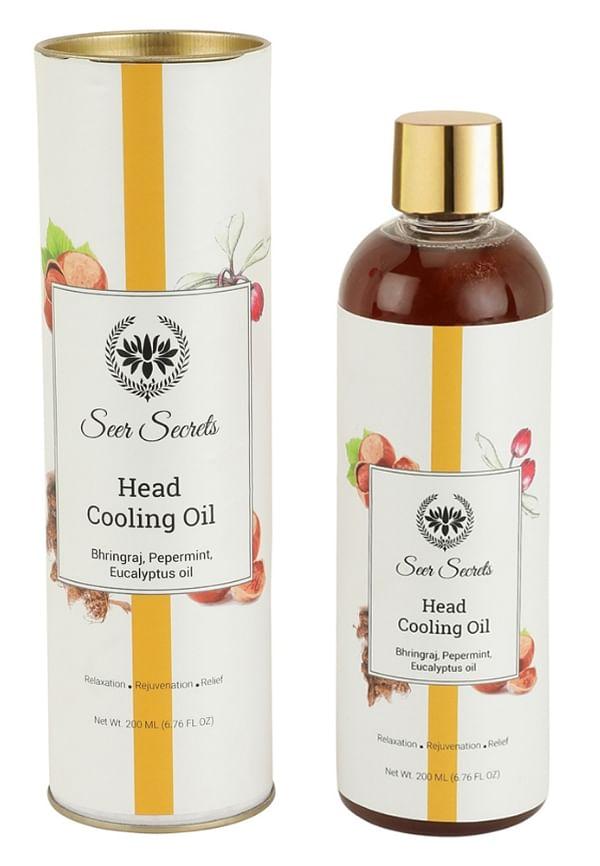
Head Cooling Oil
Soothing Scalp Experience
4“wow! I really love this. it soothes my scalp”
Positive experience, recommend
4“it's all good Val. love it. you should give it a try”
Excellent Head Cooling Oil
5“head cooling oil is very good product”
Yes, quality heat protectants can reduce thermal damage by up to 50% when used correctly. They work by creating a barrier between your hair and the heat source, whilst also helping to maintain moisture levels during styling.
The best heat protectant depends on your curl type and porosity. Fine, low-porosity curls do well with lightweight sprays, whilst thick, high-porosity curls benefit from cream-based protectants with nourishing oils.
Use a quality heat protectant on damp hair, keep styling temperatures below 350°F, work in small sections, and avoid going over the same area multiple times. Always let your hair cool completely before touching it.
It's better to apply heat protectant to damp rather than soaking wet hair. Excess water can dilute the product and prevent proper absorption. Gently squeeze out excess moisture with a microfibre towel first.
Apply heat protectant every single time you use heat styling tools. If you're doing multiple styling sessions in one day, reapply if your hair feels dry or you're using different tools.
Not necessarily, but some products work better with specific tools. Lightweight sprays are great for blow-drying and diffusing, whilst cream-based protectants work well with flat irons and curling tools.
Protecting your curls from heat damage isn't just about slapping on any old product and hoping for the best. It's about understanding your unique curl pattern, choosing the right protection for your hair type, and using proper application techniques. Remember, curly hair is naturally more vulnerable to heat damage due to its structure and porosity, so it needs extra TLC during styling.
The key is finding products that work for your specific needs without breaking the bank. Smytten makes this easier by offering trial sizes of various heat protectants and styling products, so you can discover what works best for your curls before committing to full-size purchases. With over 1,500 trusted brands available in mini formats, you can explore different formulations and find your perfect heat protection routine. After all, why settle for 'maybe' when you can try it all and find exactly what your curls need to stay healthy and gorgeous?
