How to Seal Split Ends with Powerful Hair Creams


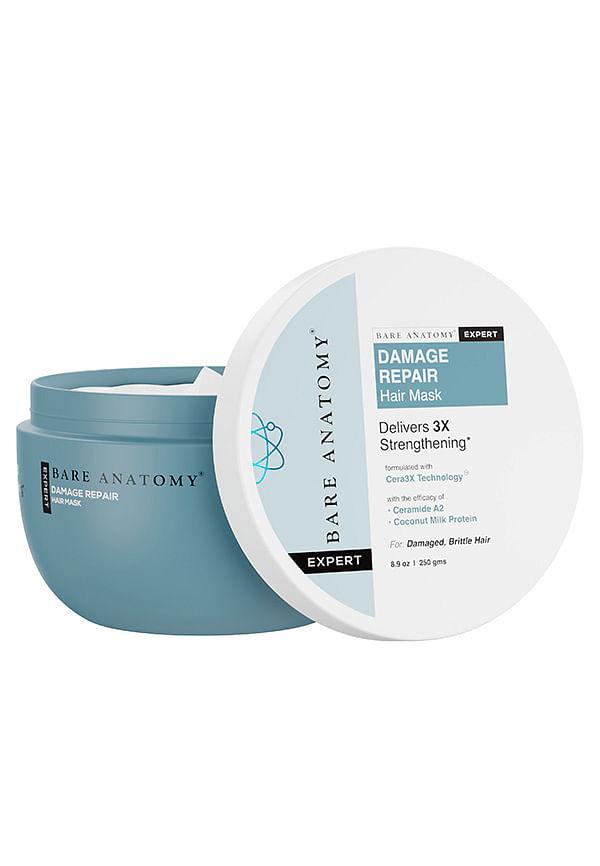
Damage Repair Hair Mask With Ceramide A2 And Coconut Milk Protein
Split ends are basically your hair's way of saying it's had enough. Whether it's from heat styling, chemical treatments, or just everyday wear and tear, those frayed ends can make even the healthiest hair look damaged. But here's the thing—whilst you can't permanently fix split ends (only scissors can do that), the right creams to seal split ends can work wonders for temporarily mending and protecting your strands. Think of these creams as your hair's best friend, smoothing down those rough cuticles and giving you that sleek, healthy look until your next trim.
Let's get real about what's actually happening when your hair splits. Your hair shaft has three layers, and the outermost one—the cuticle—acts like protective armour. When this layer gets damaged from heat styling, chemical processing, or environmental factors like sun and pollution, it starts to lift and eventually split.
This is where hair repair cream formulations come into play. These clever products work by temporarily smoothing down the lifted cuticles and filling in microscopic gaps along the hair shaft. Think of it like putting a protective bandage over a small cut—it doesn't heal the damage permanently, but it protects the area and makes it look much better.
The key difference between sealing and permanently repairing split ends is important to understand. Split end treatment creams provide cosmetic improvement by coating the hair shaft with protective ingredients like silicones, proteins, and natural oils. They create a smooth surface that reflects light better, making your hair appear healthier and shinier. However, once you wash your hair several times, the coating gradually wears off, which is why consistent use is essential.
Not all hair creams are created equal when it comes to tackling split ends. Different formulations target specific hair concerns, so knowing which type works best for your hair can make all the difference.
Leave-in conditioner for split ends is probably your safest bet if you're new to this whole hair repair game. These lightweight formulas provide ongoing protection without weighing your hair down.
Look for ingredients like keratin proteins, which help fill in damaged areas, ceramides that restore the hair's natural barrier, and natural oils like argan or coconut that provide moisture and flexibility. The best part? You can use them daily without worrying about product buildup.
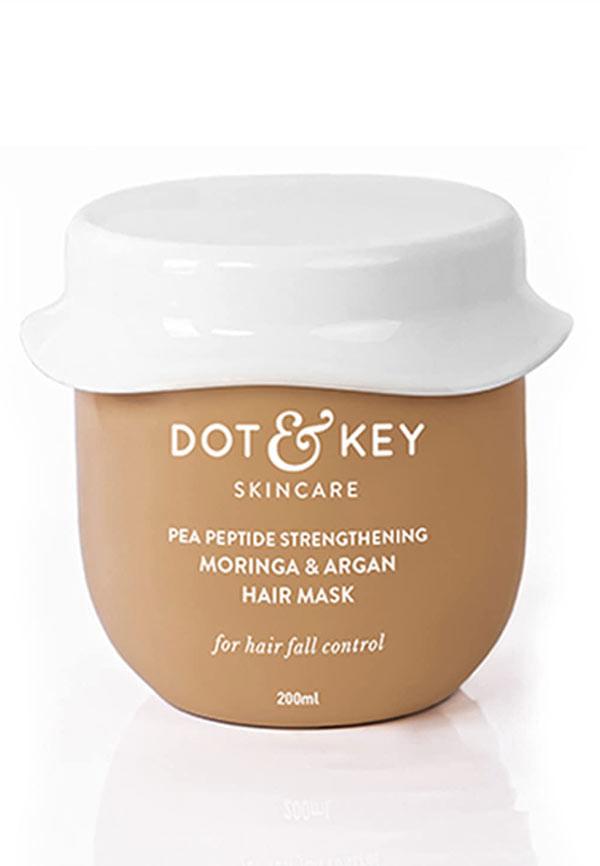
Pea Peptide Strengthening Moringa & Argan Hair Mask
If your split ends are particularly stubborn, a dedicated split end sealer might be worth trying. These products are specifically formulated with higher concentrations of mending ingredients.
Hair mending cream formulations often contain advanced protein complexes and silicone blends that create an almost invisible film over damaged areas. Hair strengthening cream options go a step further by including ingredients that help prevent future breakage whilst addressing existing damage.
Sometimes the best approach is a cream that tackles multiple concerns at once. Damaged hair cream with sealing properties can address dryness, frizz, and split ends simultaneously.
Frizz control cream that also targets split ends is perfect for humid climates or naturally textured hair. Meanwhile, hair smoothing cream formulations work brilliantly for those who want sleek, polished results whilst protecting damaged ends.
Getting the application right is crucial for seeing real results with your creams to seal split ends. The technique matters just as much as the product itself.
Start with clean, towel-dried hair for most leave-in treatments. Apply the cream primarily to the mid-lengths and ends of your hair, avoiding the roots to prevent greasiness. For shoulder-length hair, a coin-sized amount is usually enough—you can always add more if needed.
Work the product through your hair using your fingers or a wide-tooth comb, paying extra attention to areas where you notice the most damage. If you're using a split end treatment cream before heat styling, make sure it has heat protection properties and allow it to absorb for a few minutes before applying any tools.
For dry hair touch-ups throughout the day, use just a tiny amount on your fingertips and gently smooth over the ends. This technique works particularly well with hair breakage cream formulations that are designed for multiple applications.
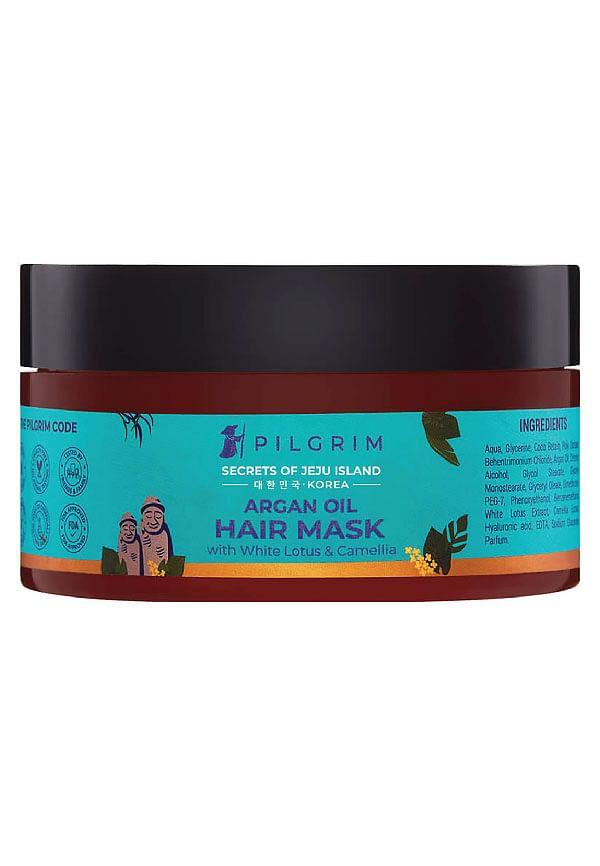
Intense Moisture Argan Oil Hair Mask For Dry & Frizzy Hair
Understanding what's in your hair cream can help you choose the most effective option for your specific needs. Some ingredients are absolute game-changers when it comes to split end repair.
Protein complexes like keratin, silk amino acids, and wheat protein are fantastic for filling in damaged areas along the hair shaft. These ingredients temporarily rebuild the hair's structure, making it stronger and more resilient. However, be careful not to overdo protein treatments if you have fine hair, as too much can make it brittle.
Natural oils such as coconut, argan, and jojoba work differently—they penetrate the hair shaft to provide moisture and flexibility, which helps prevent further splitting. Coconut oil is particularly effective because its molecular structure allows it to actually penetrate the hair rather than just coating it.
Silicones often get a bad reputation, but they're actually brilliant for temporarily sealing split ends. Ingredients like dimethicone and cyclopentasiloxane create a protective film that smooths the hair cuticle and prevents moisture loss. The key is using them in moderation and ensuring you're cleansing properly to avoid buildup.
Whilst treating existing split ends is important, preventing new ones from forming is even better. A solid prevention routine can significantly reduce the frequency of trims needed.
Daily protection starts with using a hair smoothing cream or leave-in conditioner that creates a barrier against environmental damage. If you heat style regularly, never skip the heat protectant—look for products that offer protection up to 230°C.
Your nighttime routine matters too. Sleeping on silk or satin pillowcases reduces friction, and applying a small amount of hair strengthening cream to your ends before bed can provide overnight repair. Some people swear by protective hairstyles like loose braids or silk scarves to minimise damage whilst sleeping.
Regular trims every 6-8 weeks might seem counterproductive when you're trying to grow your hair, but they actually help maintain healthy ends and prevent small splits from travelling up the hair shaft. Think of it as maintenance rather than setback.
When you're ready to explore different split end treatment options, Smytten makes it incredibly easy to try various hair repair creams without committing to full-size products. With trial packs from trusted haircare brands, you can discover which formulations work best for your hair type. The platform's approach of letting you try before you buy means you can experiment with different damaged hair cream options until you find your perfect match—because settling for hair products that don't work is never an option.
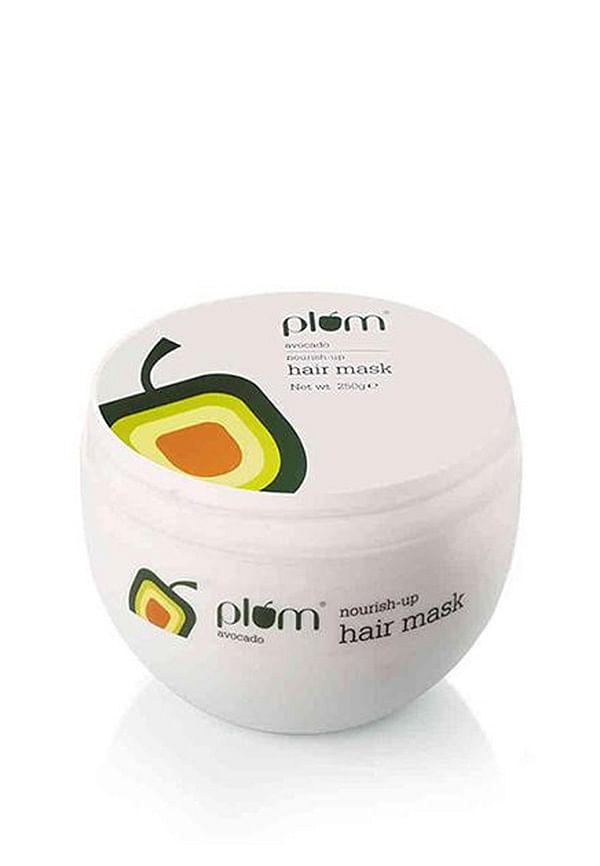
Avocado Nourish-Up Hair Mask
Lightweight moisture-sealing creams with ingredients like silicones, natural oils, and proteins work best. Look for products specifically labelled as split end sealer formulations, or try natural options like coconut oil or argan oil for a more budget-friendly approach.
Unfortunately, no. Once hair splits, the only permanent solution is cutting it off. However, hair mending cream products can temporarily seal the cuticle and make split ends much less noticeable whilst preventing further damage.
Yes, but with realistic expectations. These creams provide cosmetic improvement by smoothing the hair cuticle and temporarily filling gaps. They won't permanently fix the damage, but they can make your hair look and feel significantly healthier between trims.
Absolutely. Coconut oil's unique molecular structure allows it to penetrate the hair shaft rather than just coating it. Apply a small amount to damp ends, leave for 30 minutes, then shampoo as usual. For daily use, just a tiny amount on dry ends works wonders.
Most leave-in formulations can be used daily, whilst intensive treatments should be used 1-2 times per week. Always follow the product instructions and adjust based on how your hair responds.
Dealing with split ends doesn't have to be a constant battle. The right creams to seal split ends can transform damaged hair, giving you smoother, healthier-looking strands whilst you work towards your hair goals. Remember, consistency is key—regular use of quality hair repair cream products, combined with gentle handling and protective styling, will keep your ends looking their best.
The beauty of modern haircare is that you don't have to guess which products will work for you. Platforms like Smytten, with over 25 million users and access to 1,500+ trusted brands, make it possible to try different split end treatment options through convenient trial packs. Whether you're exploring leave-in conditioners, specialised sealers, or multi-purpose repair creams, you can discover what works for your unique hair needs without the commitment of full-size purchases. After all, why settle for damaged ends when you can try it all and find your perfect hair repair solution?
