How to Revive Hair Shine in Dry Desert Climates

Dry Shampoo
Positive Product Review
 5
5“I loved the product it was great.”
Living in a desert climate can feel like your hair is constantly fighting a losing battle. Between the scorching sun, bone-dry air, and relentless wind, your once-glossy locks might now look more like straw than silk. But here's the thing—you don't have to accept dull, lifeless hair as your reality. With the right hair shine serums for arid climates and a few clever tricks up your sleeve, you can bring back that enviable shine even when the humidity drops to practically zero. Let's dive into how to give your hair the hydration and protection it desperately craves in these challenging conditions.
Real talk—desert climates are basically hair's worst nightmare. When humidity levels drop below 20%, your hair cuticles start lifting like tiny scales, making your strands look rough and feel brittle. It's not just about the dryness, though that's a massive part of it. The science behind this hair drama is actually quite fascinating. In arid climates, your hair loses moisture faster than it can absorb it from the environment. UV radiation doesn't just damage your skin—it breaks down the proteins in your hair shaft, leaving you with weak, lacklustre strands. Add wind-blown sand particles that act like tiny sandpaper against your hair, and you've got a recipe for serious shine loss. Haircare for arid climates needs to address multiple challenges simultaneously. Temperature fluctuations between scorching days and cool nights cause your hair to expand and contract, weakening the structure over time. Plus, many desert areas have hard water loaded with minerals that build up on your hair, creating a dull film that blocks natural shine.
When there's barely any moisture in the air, your hair becomes a moisture magnet, trying to pull hydration from wherever it can find it—including your skin and scalp. This creates a vicious cycle where your hair gets drier and more damaged.
Desert sun doesn't mess about. Those UV rays penetrate deep into your hair shaft, breaking down melanin (which gives your hair colour) and keratin (which gives it strength). The result? Faded colour and compromised shine.
Choosing the right hair serum for dry hair in desert conditions isn't just about grabbing any bottle off the shelf. You need formulations specifically designed to combat extreme dryness whilst providing long-lasting protection. Silicone-based serums create an invisible barrier around each strand, locking in moisture and reflecting light for instant shine. Look for cyclomethicone or dimethicone high up in the ingredient list—these create that glossy finish without weighing your hair down. Oil-based serums, on the other hand, penetrate deeper into the hair shaft, providing intensive nourishment that lasts. The best hair serum for desert living should include heat protection factors. Think of it as SPF for your hair. Ingredients like UV filters and antioxidants help shield your strands from environmental damage whilst maintaining that coveted shine.
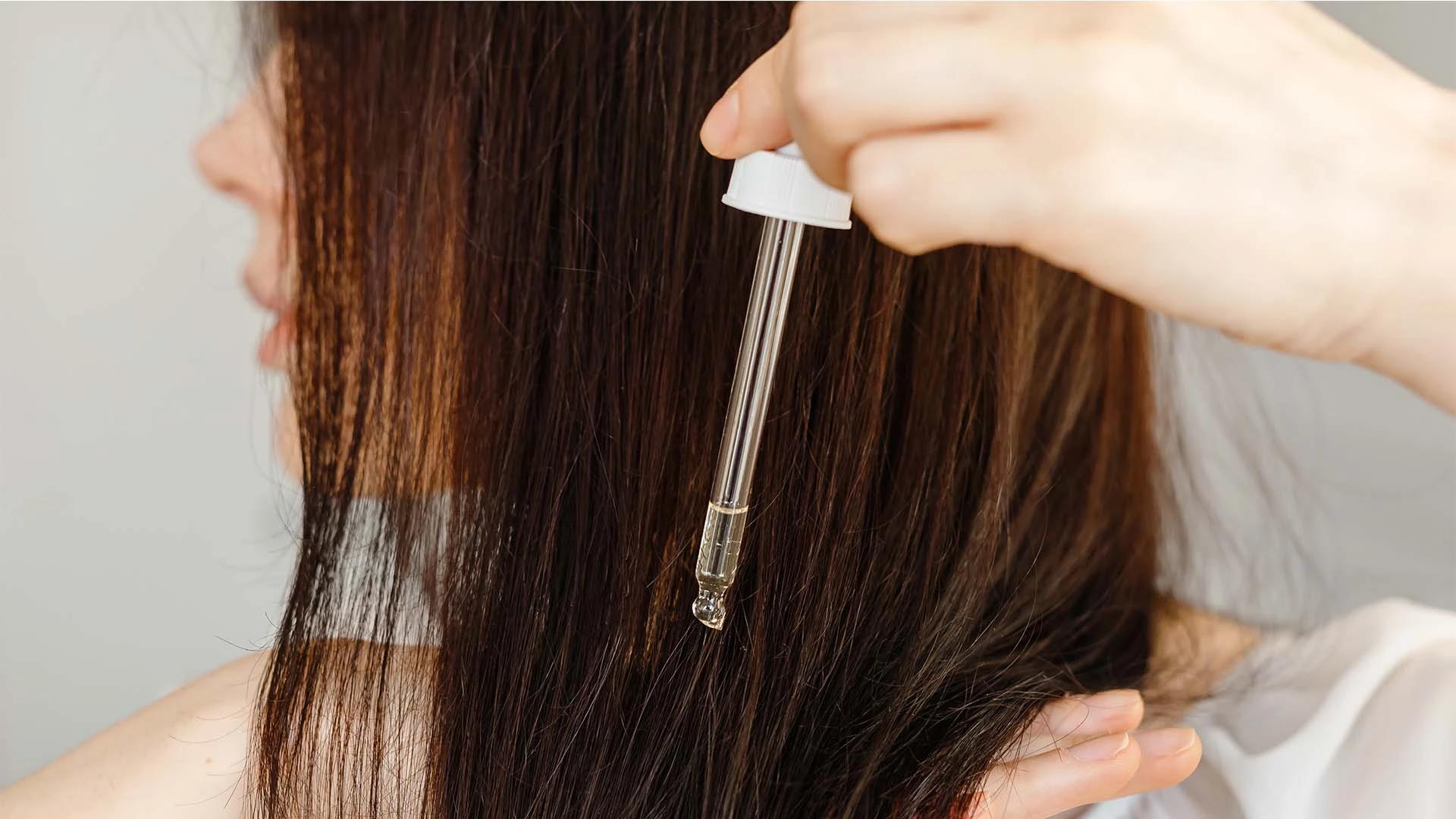
Here's where most people go wrong—they either use too much serum or apply it incorrectly. Start with a pea-sized amount for shoulder-length hair, warming it between your palms before working through damp hair from mid-length to ends. Never apply serum directly to your roots unless you fancy the greasy look.
In desert climates, layering becomes your best friend. Apply a lightweight hair hydration product first, followed by your serum, then finish with a heat protectant if you're styling. This creates multiple barriers against moisture loss.
Dry Shampoo
Loving the Dry Shampoo
5“really great dry shampoo. loving it.”
Why juggle multiple products when you can find serums that tackle several issues at once? The right anti-frizz serum can simultaneously add shine, control flyaways, and protect against humidity—or in desert climates, the lack thereof. Look for serums that combine smoothing silicones with nourishing oils and proteins. These formulations work overtime to seal split ends, add moisture, and create that mirror-like shine you're after. Split end serum formulations often contain amino acids that temporarily bind damaged cuticles together, giving the appearance of healthier hair whilst you work on long-term repair. Protein-moisture balance becomes crucial in arid climates. Too much protein and your hair becomes brittle; too much moisture without protein and it becomes mushy. The sweet spot lies in alternating treatments or finding serums that contain both hydrolysed proteins and humectants.
Leave-in treatments work brilliantly in desert climates because they provide ongoing protection throughout the day. Unlike rinse-out treatments that get washed away, leave-in serums continue working as environmental shields.
Consider using a heavier, more intensive serum before bed. Your hair repairs itself whilst you sleep, and a nutrient-rich treatment can accelerate this process. Just remember to use a silk pillowcase to prevent friction damage.
The eternal debate—should you reach for a hair oil for shine or stick with serums? The answer depends on your hair type and specific needs, but in desert climates, you might benefit from both. Hair oils have larger molecules that sit on the hair surface, creating an immediate glossy finish and protective barrier. They're brilliant for very dry, coarse, or chemically treated hair that needs intensive moisture. Shine serum benefits include lighter weight, faster absorption, and less risk of greasiness—perfect for fine or oily hair types. The molecular structure makes all the difference. Oils like argan, jojoba, and marula can penetrate the hair shaft to some degree, providing deep nourishment. Serums, particularly those with smaller silicone molecules, can slip between cuticle layers for smoother, shinier results.
Here's a game-changer: use both, but strategically. Apply a few drops of lightweight oil to damp hair for deep nourishment, then follow with a silicone-based serum for surface shine and protection. This combination gives you the best of both worlds.
In extreme heat, lighter formulations work better during the day to avoid that heavy, weighed-down feeling. Save richer oils for evening treatments or cooler months when your hair needs extra protection.
Building an effective routine goes beyond just serums—though they're definitely the star players. Haircare for arid climates requires a holistic approach that addresses cleansing, conditioning, and protection. Start with sulfate-free shampoos that won't strip your hair of essential oils. In hard water areas common in desert regions, consider using a clarifying treatment once a week to remove mineral buildup. Follow with a deeply hydrating conditioner, focusing on mid-lengths and ends. Hair hydration products should be layered strategically. Apply a leave-in conditioner to damp hair, followed by your chosen serum, then a heat protectant if you're using styling tools. This creates multiple layers of protection against moisture loss and environmental damage.
Color Protect Shampoo
Highly recommended product
5“excellent product one must try it.it is so good and awesome”
High-Quality Product
5“very good quality product of the order”
Excellent Shampoo
5“colour protecter shampoo its too good”
Loose braids, buns, and updos aren't just stylish—they're practical in desert climates. These styles protect your hair ends from wind damage and reduce exposure to UV rays. Just avoid tight styles that can cause breakage.
In arid climates, weekly deep conditioning becomes non-negotiable. Look for moisturizing hair treatments with ingredients like shea butter, ceramides, and natural oils. Apply from mid-length to ends, avoiding the scalp to prevent greasiness.
The eternal question—do expensive serums actually work better, or is it just clever marketing? When it comes to hair gloss serums for desert climates, the answer lies in ingredient concentration and formulation sophistication. Professional serums often contain higher concentrations of active ingredients and more advanced delivery systems. They're formulated to withstand extreme conditions and provide longer-lasting results. However, many drugstore options now offer impressive formulations at a fraction of the cost. The key is reading ingredient lists rather than price tags. Look for serums with multiple types of silicones, UV protection, and nourishing oils regardless of where you buy them. Sometimes a £10 serum performs just as well as a £50 one—it's all about finding what works for your specific hair needs. With platforms like Smytten, you can actually try different serums without committing to full-size purchases. This trial approach is perfect for finding your ideal desert climate hair serum, especially when you're dealing with such specific environmental challenges.
Consider cost per use rather than upfront price. A more expensive serum that lasts longer and requires less product per application might actually be more economical than cheaper alternatives that you need to reapply frequently.
Static electricity becomes a real issue in low-humidity environments. Your hair literally builds up electrical charge, causing flyaways and that annoying clingy feeling. Anti-static serums containing ingredients like quaternary ammonium compounds can neutralise this charge whilst adding shine. Colour fading accelerates in desert climates due to UV exposure and mineral-rich water. Look for serums with UV filters and colour-protecting ingredients like antioxidants and plant extracts. These create a protective shield that helps maintain your colour whilst adding shine. Scalp irritation from extreme dryness can affect hair health from the roots up. While serums primarily target lengths and ends, some formulations include scalp-soothing ingredients that can help when applied sparingly to the hairline.
Hard water in many desert areas can cause product buildup, making hair look dull despite using shine serums. Weekly clarifying treatments or apple cider vinegar rinses can help remove this buildup and restore your hair's natural shine.
Even in consistently arid climates, seasonal changes affect your hair. You might need heavier serums during peak summer months when UV exposure is highest, and lighter formulations during cooler periods.
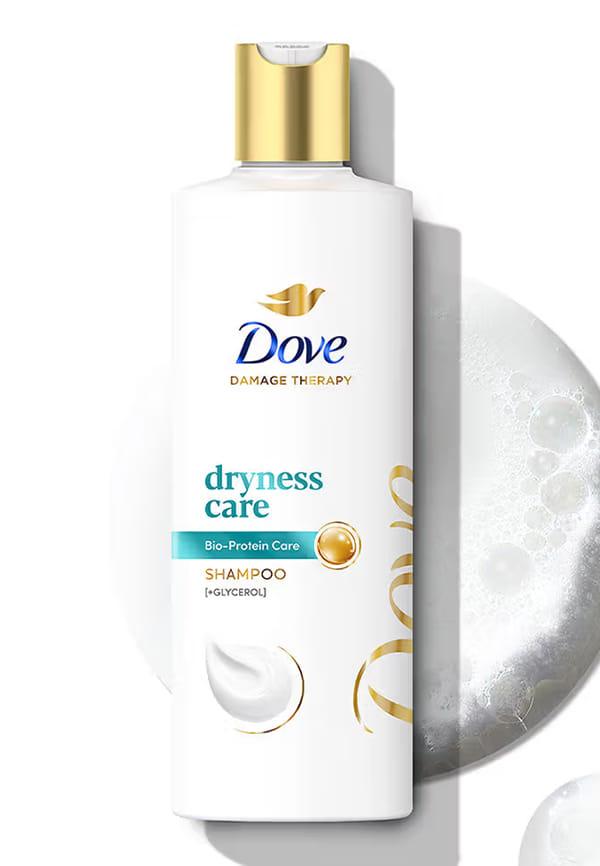
Dryness Care Shampoo
Good product, good price
5“it's a good product at a good price”
Excellent Product & Service
4“best product and service in this app”
Positive Dove Shampoo Review
5“I like dove shampoos so much..”
Daily application is usually necessary in very dry conditions. Apply to damp hair after washing, and consider a light touch-up on dry hair if needed. Listen to your hair—if it feels dry or looks dull, it's time for more serum.
Both! Apply to damp hair after washing for maximum penetration and protection. You can also apply small amounts to dry hair for quick shine touch-ups, but use sparingly to avoid greasiness.
Serums are typically lighter and absorb faster, making them ideal for daily use and fine hair. Oils provide deeper nourishment and longer-lasting protection, perfect for very dry or damaged hair. In desert climates, you might benefit from using both strategically.
Use clarifying shampoo weekly to remove mineral and product buildup. Consider installing a water softener if possible, and always apply serum to clean, slightly damp hair for better distribution and absorption.
Look for silicones (dimethicone, cyclomethicone), humectants (glycerin, hyaluronic acid), and natural oils (argan, jojoba). UV filters and antioxidants like vitamin E provide additional protection against environmental damage.
Many modern serums include UV filters that provide some protection, but they shouldn't be your only defence. Combine serums with physical protection like hats or scarves when spending extended time in direct sunlight.
Reviving hair shine in desert climates isn't about fighting against the environment—it's about working with it intelligently. The right combination of hair shine serums for arid climates, proper application techniques, and consistent care can transform even the most damaged, dull hair into glossy, healthy-looking locks. Remember, finding your perfect serum might take some experimentation. What works for your friend might not work for you, and that's completely normal. Your hair type, damage level, and specific environmental factors all play a role in determining the best approach. Smytten makes this discovery process much easier and more affordable. Instead of investing in full-size products that might not work for your specific needs, you can try curated trial packs from over 1,500 trusted brands. With options to get up to 8 minis for just ₹249 and 100% cashback redeemable for future purchases, you can experiment with different serums until you find your perfect match. After all, why settle for 'maybe' when you can try it all and find what actually works for your desert-dwelling hair?
