How to Revive Damaged Hair with the Best Mask


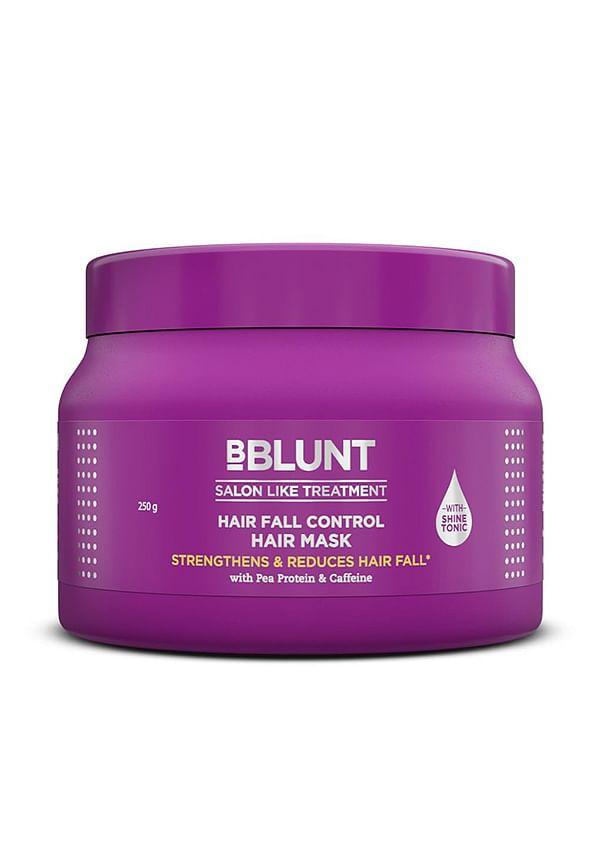
Hair Fall Control Hair Mask
Superb Hair Mask
 5
5“Superb mask for hair give shine and help to stay healthy”
Superb Hair Mask
5“Superb mask for hair give shine and help to stay healthy”
Good Product
5“Good product..................”
Your hair's been through a lot lately, hasn't it? Between the heat styling, chemical treatments, and everyday environmental stress, those once-glossy strands might be looking a bit worse for wear. Split ends, breakage, and that frustrating frizz that just won't quit—sound familiar? Here's the thing: damaged hair doesn't have to be your forever reality. The right hair mask can be your hair's best friend, offering deep repair and restoration that regular conditioners simply can't match. Let's dive into how you can bring your hair back to life with the best hair mask for damaged hair and some game-changing techniques that actually work.
Before we jump into solutions, let's get real about what damaged hair actually looks like. Your hair is basically telling you a story, and those signs of damage? They're like little SOS signals that shouldn't be ignored.
The most obvious red flags include split ends that seem to multiply overnight, strands that snap when you brush them, and hair that feels rough or straw-like to the touch. You might notice your hair has lost its natural shine, looks dull even after washing, or tangles more easily than it used to. Chemical damage from colouring, perming, or relaxing often leaves hair feeling brittle and looking lacklustre, whilst heat damage from styling tools can make your hair feel dry and prone to breakage.
Environmental factors play a huge role too. Sun exposure, pollution, and even hard water can gradually strip your hair of its natural oils and proteins. If you're dealing with any of these issues, a deep conditioning hair treatment isn't just a nice-to-have—it's essential for getting your hair back on track.
Here's a quick way to test your hair's porosity and damage level: take a clean strand of hair and drop it in a glass of water. If it sinks quickly, your hair is highly porous and likely damaged. If it floats for a while before sinking, you've got normal porosity. This simple test can help you choose the right type of hair breakage treatment for your specific needs.
Let's break down what's actually happening when you slather on that hair repair mask. Your hair shaft has three layers: the cuticle (outer protective layer), the cortex (middle layer containing proteins), and the medulla (inner core). When hair gets damaged, the cuticle lifts and the cortex loses proteins, leading to weakness and breakage.
Quality hair masks work by temporarily filling in those gaps with proteins, oils, and other nourishing ingredients. They penetrate the hair shaft more deeply than regular conditioners because they're formulated with smaller molecules and are left on longer. This gives them time to actually repair rather than just coat the surface.
This is where things get interesting. Your hair needs both protein and moisture, but the balance matters. Over-processed or chemically damaged hair often needs more protein to rebuild its structure, whilst dry, brittle hair typically craves moisture. A good protein hair mask contains ingredients like keratin, amino acids, or hydrolysed proteins that can temporarily fill in damaged areas.
Look for masks containing keratin (rebuilds hair structure), argan oil (adds moisture and shine), coconut oil (penetrates the hair shaft), and amino acids (building blocks of protein). Avoid masks with too many silicones if your hair is severely damaged—they might make it look better temporarily but won't provide real repair.
The age-old question: should you splurge on salon treatments or whip up a homemade hair mask for damaged hair in your kitchen? Both have their place, honestly.
Professional masks often contain higher concentrations of active ingredients and are formulated with advanced technology that allows for better penetration. They're particularly worth it if you have severely damaged hair that needs intensive repair. Salon treatments can also be customised to your specific hair type and damage level.
On the flip side, natural hair mask recipes using ingredients from your pantry can be surprisingly effective and much gentler on your wallet. They're perfect for regular maintenance and mild damage. Plus, you know exactly what's going into your hair—no mystery chemicals or potential irritants.
The sweet spot? Using professional treatments for major repair work and maintaining with DIY masks in between. This approach gives you the best of both worlds without breaking the bank.
When you're ready to invest in a quality best hair mask for damaged hair, here are some categories that consistently deliver results. Look for masks specifically formulated for your damage type—whether that's chemical damage, heat damage, or general dryness and breakage.
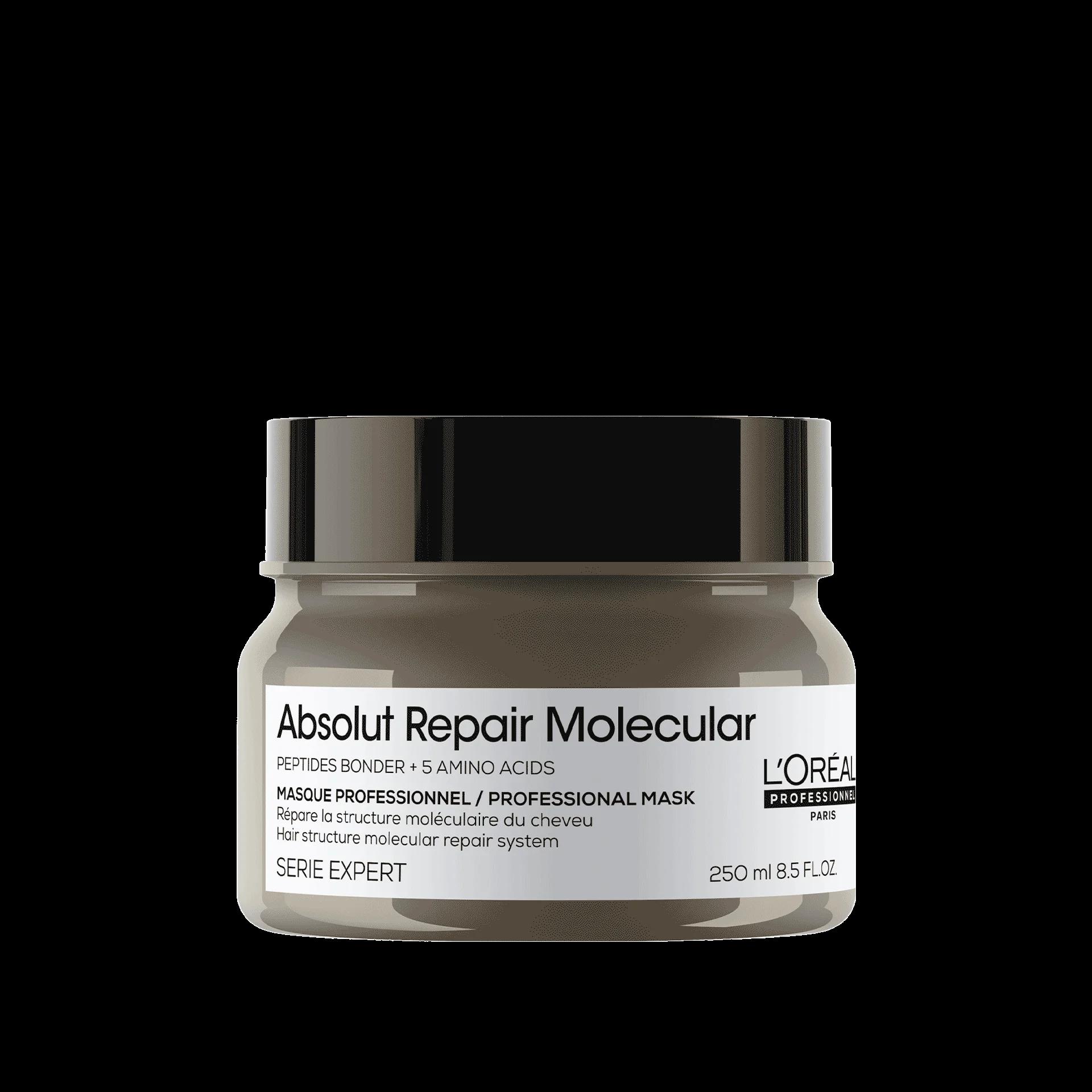
This professional hair mask is a strong pick for dry, damaged hair that needs both repair and hydration. L'Oréal Professionnel Absolut Repair Mask is powered by Protein and Omega-9 to help repair and strengthen the hair fibre while nourishing damaged strands. It helps resurface and seal the cuticles, maintaining hydration and leaving hair feeling softer, smoother and more manageable. With 13x resistance to hair damage, it works well for men and women dealing with dryness, breakage, rough texture or hair weakened by heat styling, colouring or daily damage.
Application matters just as much as the product itself. Always apply to damp (not soaking) hair, focus on mid-lengths to ends, and follow the timing instructions. More isn't always better when it comes to leave-on time.
Ready to raid your kitchen for some hair-saving ingredients? These homemade hair mask for damaged hair recipes use simple, natural ingredients that can deliver impressive results.
Perfect for hair that's breaking or feeling weak. Mix two eggs with two tablespoons of honey and one tablespoon of olive oil. The eggs provide protein to strengthen hair, whilst honey adds moisture and shine.
This hair mask for dry hair is like a green smoothie for your strands. Mash one ripe avocado with two tablespoons of coconut oil and a tablespoon of honey. The healthy fats penetrate deeply to restore moisture and elasticity.
Brilliant for frizzy, unmanageable hair. Blend one ripe banana with two tablespoons of olive oil and a teaspoon of honey. The natural sugars in banana help smooth the hair cuticle.
This gentle option works well for sensitive scalps. Mix half a cup of plain yogurt with two tablespoons of fresh aloe vera gel. The lactic acid in yogurt gently exfoliates whilst aloe soothes and moisturises.
Not all damage is created equal, and your mask choice should reflect your specific hair concerns. Let's break down the best approaches for different types of damage.
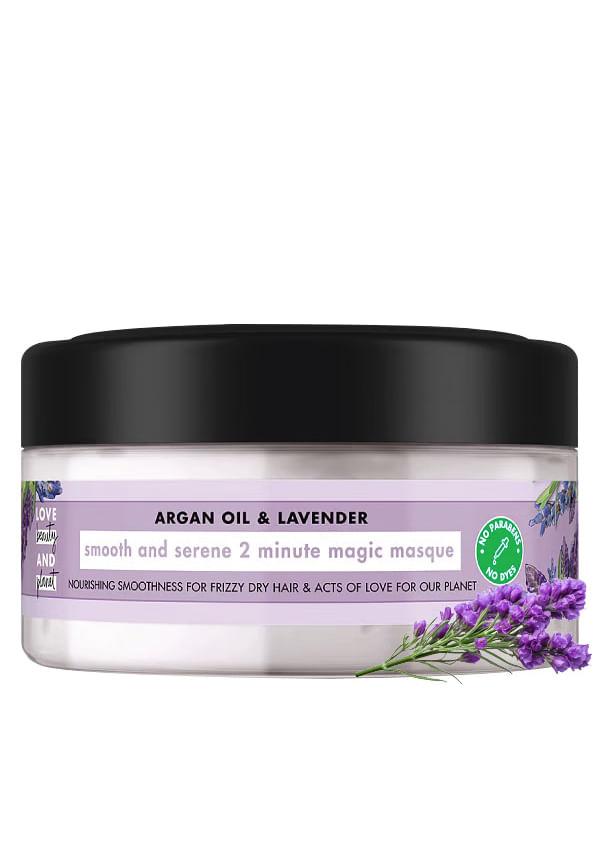
Argan Oil & Lavender Hair Mask
Strong positive reaction
5“love ittttttttttttyyyyyyyyyyyttt”
Great for Frizzy Hair
5“great for freezy hair recommend to buy”
Great for Frizzy Hair
5“great for freezy hair recommend to buy”
Dry hair craves moisture above all else. Look for masks rich in natural oils like argan, jojoba, or marula oil. These penetrate the hair shaft to provide long-lasting hydration. Avoid masks with too much protein if dryness is your main concern—they can make dry hair feel even more brittle.
Whilst you can't permanently repair split ends (only scissors can do that), the right mask can temporarily seal them and prevent new ones from forming. Look for masks with film-forming ingredients that coat the hair shaft and protect against further damage.
Frizz often stems from moisture imbalance and cuticle damage. Masks with smoothing ingredients like silk proteins, ceramides, and natural oils can help tame unruly strands. Apply from mid-length to ends, avoiding the roots to prevent weighing hair down.
Here's where many people go wrong—they think slapping on a mask and waiting is enough. The application technique can make or break your results (pun intended).
Start with clean, damp hair. Shampoo first to remove buildup that might prevent the mask from penetrating properly. Gently squeeze out excess water—your hair should be damp but not dripping.
Section your hair and apply the mask from mid-length to ends, avoiding the roots unless the product specifically says otherwise. Use a wide-tooth comb to distribute evenly. For extra penetration, cover with a shower cap and apply gentle heat with a hair dryer for a few minutes.
Timing matters. Follow the instructions, but generally, 10-20 minutes is plenty for most masks. Longer isn't always better and can sometimes lead to protein overload or product buildup.
Rinse thoroughly with cool water to seal the cuticle and lock in the benefits. Follow with a light conditioner if needed, but often a good mask eliminates the need for additional conditioning.
Consistency beats intensity when it comes to hair repair. A good hair breakage treatment routine should be sustainable and tailored to your hair's specific needs.
For severely damaged hair, start with intensive treatments twice a week for the first month, then scale back to once weekly for maintenance. Mildly damaged hair might only need weekly treatments from the start.
Pay attention to how your hair responds. If it starts feeling mushy or overly soft, you might be overdoing the protein treatments. If it feels dry or brittle, increase moisture-rich masks and reduce protein treatments.
Remember that hair repair is a marathon, not a sprint. You'll likely start seeing improvements after 2-3 weeks of consistent treatment, with significant changes becoming apparent after 6-8 weeks.
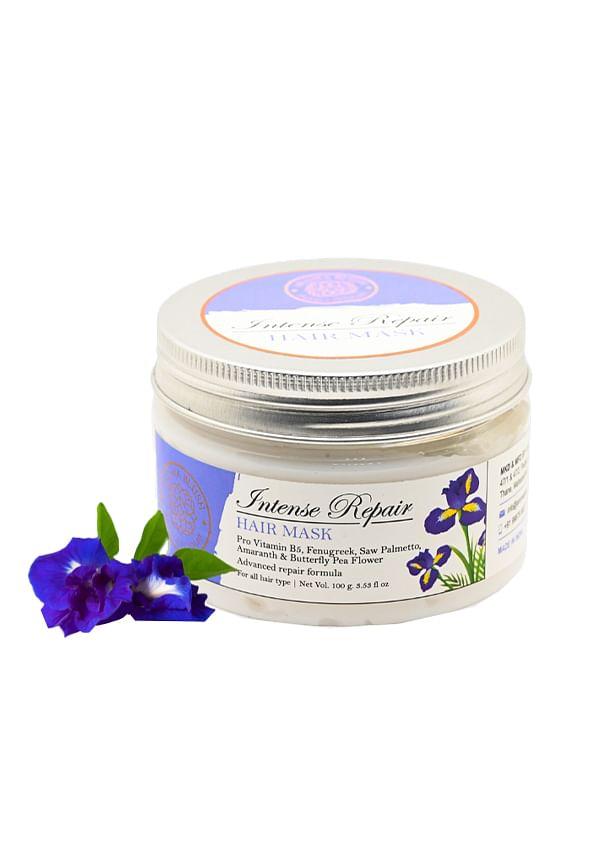
Intense Repair Hair Mask
Nice Product, Lovely to Use
5“nice product lovely to use this product Maja agya”
Hydrating & Soothing Scalp
5“very hydrating and soothing on the scalp”
Finding the right products for your hair type can feel overwhelming, especially when you're dealing with damage that needs immediate attention. This is where platforms like Smytten become incredibly valuable for hair care enthusiasts. With access to trial-sized versions of over 1,500 trusted brands, you can test different hair repair mask formulations without committing to full-size products that might not work for your specific needs.
The best hair mask depends on your damage type. For chemical or heat damage, protein-rich masks work well. For dryness and brittleness, moisture-rich masks with natural oils are more effective. Look for masks containing keratin, amino acids, or hydrating ingredients like hyaluronic acid.
Start with 1-2 times per week for severely damaged hair, then reduce to weekly maintenance once you see improvement. Overuse can lead to product buildup or protein overload, so monitor how your hair responds.
Yes, natural ingredients like eggs, avocado, and coconut oil can provide significant benefits. Whilst they might not be as concentrated as professional treatments, they're excellent for regular maintenance and mild damage repair.
Hair masks typically contain higher concentrations of active ingredients and are designed for more intensive treatment. They're usually left on longer and penetrate deeper into the hair shaft compared to regular deep conditioners.
No, once hair splits, the only permanent solution is trimming. However, masks can temporarily seal split ends and prevent new ones from forming by strengthening the hair shaft and maintaining moisture balance.
Gentle heat can help ingredients penetrate better, but it's not always necessary. If using heat, keep it low and brief—a few minutes under a shower cap with a hair dryer on low heat is sufficient.
Reviving damaged hair isn't about finding one miracle product—it's about understanding your hair's specific needs and creating a consistent routine that addresses them. Whether you choose professional treatments, DIY masks, or a combination of both, the key is patience and consistency.
Remember that healthy hair starts from within too. A balanced diet, adequate hydration, and protecting your hair from further damage are just as important as the treatments you apply. With the right approach and products, even severely damaged hair can be restored to its former glory.
The beauty of hair care today is that you don't have to guess what works for your hair. Platforms like Smytten make it possible to try different formulations and brands before committing to full sizes, helping you build a personalised routine that actually delivers results. After all, why settle for damaged hair when you can discover exactly what your strands need to thrive?
