How to Revive Damaged Hair with Protein Treatment

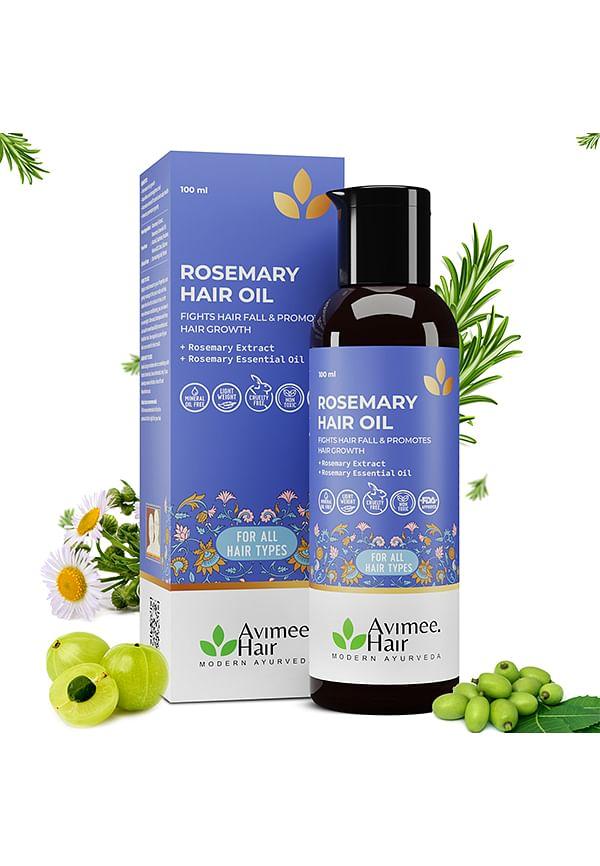
Rosemary Hair Oil
Excellent Product & On-Time Delivery
 5
5“excellent product. good. 👍👍👍👍on time delivery ...”
Positive Product Review
5“Good product useful very nice experience will recommend ”
Soothing and Effective Oil
5“the oil fragrance is soothing, perfect for chumpi before sleep. also it's effective but you need to be patient. it will give you the results”
Your hair's been through it all—heat styling, chemical treatments, environmental damage—and now it's crying out for help. If your strands feel weak, brittle, or snap at the slightest touch, it might be time to consider a protein treatment for hair. Think of it as a strength-training session for your locks, rebuilding what's been lost and fortifying what remains. Let's dive into how protein treatments can transform damaged hair from fragile to fabulous, and why this might just be the game-changer your haircare routine needs.
Real talk—your hair is basically made of protein, specifically keratin. When your hair gets damaged, these protein structures break down, leaving gaps and weak spots that make your strands vulnerable to further damage. A hair protein treatment works by temporarily filling these gaps with proteins that can penetrate the hair shaft. Think of it like patching holes in a wall. The treatment deposits proteins—whether keratin, collagen, silk, or wheat proteins—into the damaged areas of your hair cuticle. This creates a protective barrier and strengthens the hair from within. Unlike regular conditioners that just coat the surface, protein treatments actually get into the hair structure to rebuild and reinforce.
Different proteins offer different benefits. Keratin is the closest match to your hair's natural protein, making it incredibly effective for repair. Hydrolysed proteins are broken down into smaller molecules that can penetrate deeper into the hair shaft. Silk proteins add shine and smoothness, while wheat proteins are great for fine hair as they're lighter and less likely to weigh hair down.
If you've got chemically processed hair, heat damage, or naturally fine hair that breaks easily, protein for hair treatments could be your new best friend. Those with high-porosity hair—where the cuticle is lifted and damaged—tend to see the most dramatic results.
Not sure if your hair needs protein? There are some telltale signs that scream "feed me protein!" The most obvious is the elasticity test—take a wet strand of hair and gently stretch it. Healthy hair should stretch about 50% of its length and bounce back. If it snaps immediately or stretches way too far without bouncing back, you've got protein deficiency. Visually, protein-deficient hair looks dull, feels mushy when wet, and breaks constantly. You might notice excessive shedding, split ends that seem to multiply overnight, or hair that just won't hold a style. If your hair feels like cotton candy or stretches like chewing gum when wet, it's definitely time for a protein hair mask.
Drop a clean strand of hair into a glass of water. If it sinks quickly, you've got high-porosity hair that's likely damaged and in need of protein. If it floats, your hair has low porosity and might not need as much protein treatment.
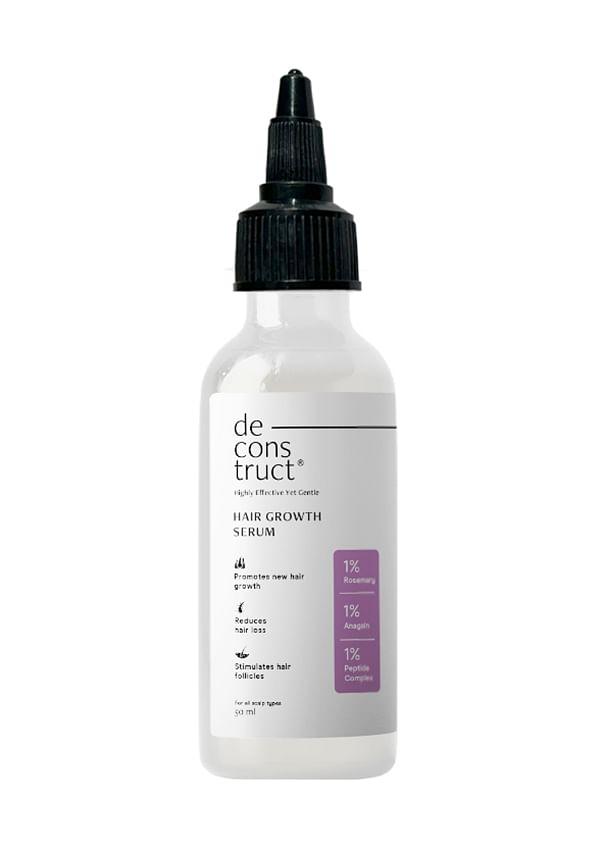
Hair Growth Serum
Chemical processing, excessive heat styling, UV exposure, and even aggressive brushing can strip your hair of its natural proteins. Swimming in chlorinated pools, using harsh shampoos, and even some medical conditions can contribute to protein loss.
The protein treatment benefits are pretty impressive when you think about what's actually happening to your hair. Within the first treatment, you'll likely notice your hair feels stronger and less prone to breakage. It's like giving your hair a structural makeover from the inside out. Immediate benefits include reduced breakage during styling, improved manageability, and hair that feels less fragile. Your strands will have better elasticity, meaning they can handle styling and manipulation without snapping. Many people notice their hair holds styles better and has more body after protein treatments.
With consistent use, hair strengthening treatment can dramatically improve your hair's overall health. You'll see fewer split ends, reduced breakage, and hair that grows longer because it's not constantly breaking off. The cumulative effect means your hair becomes more resilient to future damage.
Here's where it gets interesting—keratin treatment and general protein treatments aren't quite the same thing. Keratin treatments are typically salon procedures that smooth and straighten hair for months, while protein treatments focus on strengthening and repairing damage. Keratin treatments last 3-6 months and dramatically reduce frizz and curl, but they're more about changing your hair's texture. Protein treatments are about repair and can be done more frequently. If you want smoother, straighter hair, go keratin. If you want stronger, healthier hair, protein is your pick.
Doing a protein treatment at home is totally doable and way more budget-friendly than salon visits. The key is choosing the right product and following the instructions to the letter—protein treatments are powerful, and more isn't always better. Start with clean, damp hair. Apply the treatment from mid-length to ends, avoiding the roots unless the product specifically says otherwise. Most treatments need to sit for 10-20 minutes, but always check the packaging. Rinse thoroughly and follow up with a moisturising conditioner to balance the protein.
Egg masks are the OG protein treatment—mix one egg with a tablespoon of olive oil and apply to damp hair. Rice water is another brilliant option that's been used for centuries. Soak rice in water for 30 minutes, strain, and use the water as a final rinse.
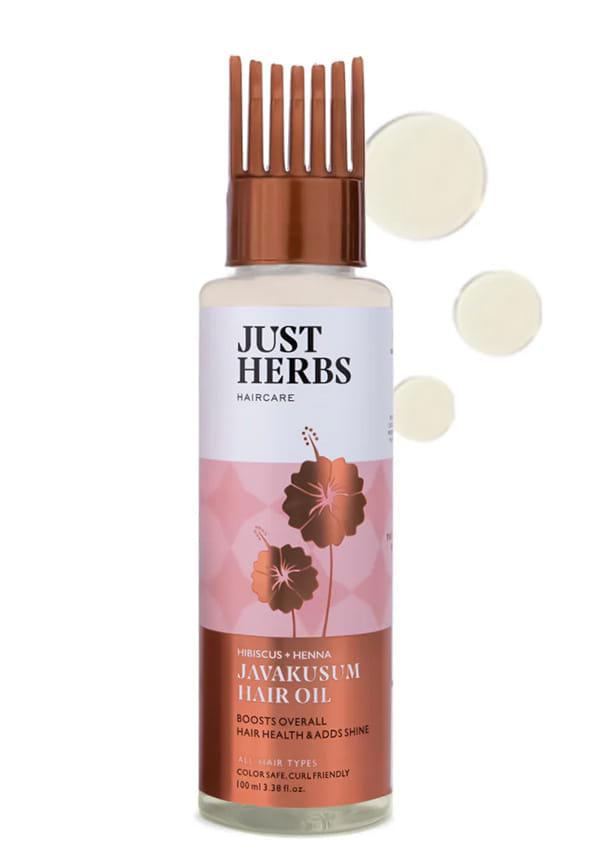
Javakusum Hair Oil
Look for products that specifically mention protein or keratin on the label. Some great ingredients to watch for include hydrolysed wheat protein, silk amino acids, and keratin. Avoid anything with harsh sulphates that might strip your hair further.
Salon protein treatments are more intensive and typically last longer than DIY versions. Your stylist will assess your hair's condition and choose the appropriate strength of treatment. Professional treatments often use higher concentrations of protein and may include additional steps like steam treatment to help penetration. Expect to spend 1-2 hours at the salon, depending on your hair length and the specific treatment. The process usually involves shampooing, applying the treatment, processing time (sometimes with heat), rinsing, and styling. Professional treatments can cost anywhere from ₹2,000 to ₹8,000 depending on your location and the salon.
Your stylist will likely recommend avoiding washing your hair for 24-48 hours after treatment to let the proteins fully set. They might also suggest specific products to maintain the results and schedule your next appointment.
Here's the thing about protein treatments—too much of a good thing can backfire spectacularly. Protein overload is real, and it can make your hair feel stiff, brittle, and even more prone to breakage than before. Signs include hair that feels hard or straw-like, increased breakage, and loss of elasticity. The key is balance. Most hair types can handle a protein treatment once every 4-6 weeks, but fine or damaged hair might need it more frequently, while thick or coarse hair might need it less often. Always follow up protein treatments with moisture to maintain the protein-moisture balance your hair needs.
If you've overdone it with protein, focus on deep conditioning treatments with ingredients like shea butter, coconut oil, or glycerin. Avoid any products with protein for a few weeks and baby your hair with gentle, moisturising products.
With so many options available, finding the right protein treatment can feel overwhelming. For fine hair, look for lighter proteins like silk or wheat. Thick, coarse hair can handle heavier proteins like keratin or collagen. Chemically treated hair often benefits from a mix of proteins to address different types of damage. When exploring haircare options, platforms like Smytten make it easier to try different protein treatments without committing to full-size products. With curated trial packs from trusted brands, you can discover what works for your specific hair type before investing in larger quantities.
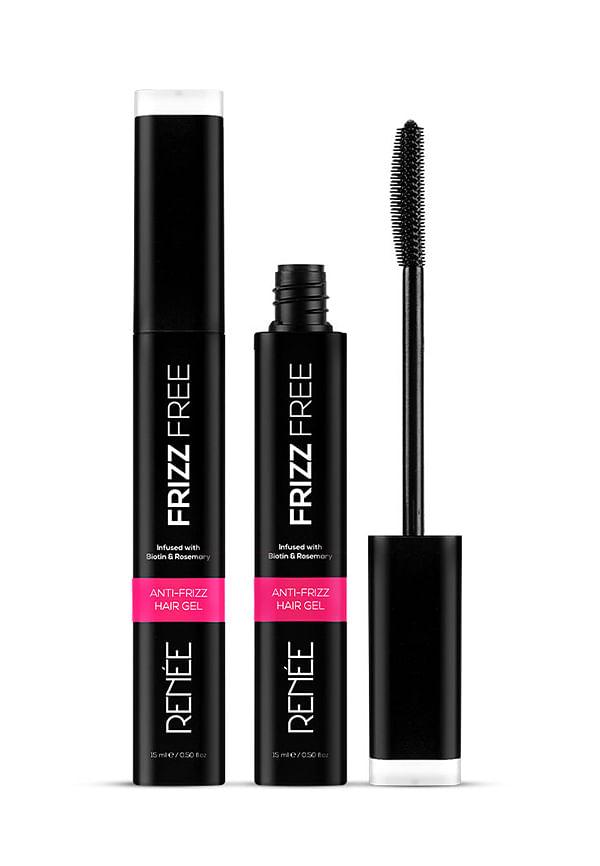
Frizz Free Anti Frizz Hair Gel
Helps set hair
4“thik hai balo ko set krne me madad kr raha hai”
Helps set hair
4“thik hai balo ko set krne me madad kr raha hai”
Good Quality and Service
5“Quality is very good sarvise is very good 👍 e”
Look for hydrolysed proteins, which are broken down into smaller molecules that can penetrate the hair better. Avoid products with too many harsh chemicals or sulphates that might counteract the benefits of the protein treatment.
Most hair types benefit from protein treatments every 4-6 weeks. However, severely damaged hair might need weekly treatments initially, while healthy hair might only need monthly treatments. Listen to your hair—if it starts feeling stiff or brittle, you're overdoing it.
Absolutely! Coloured hair is often more damaged and can really benefit from protein treatments. Just make sure to use colour-safe products and always do a patch test first.
Protein treatments strengthen and repair structural damage, while moisture treatments hydrate and soften. Healthy hair needs both—think of protein as the scaffolding and moisture as the cushioning.
Results typically last 4-6 weeks, depending on your hair type, damage level, and how well you maintain your hair. Regular treatments build cumulative benefits over time.
Yes! Egg masks, rice water, and gelatin treatments are popular DIY options. However, commercial products are often more effective because they contain hydrolysed proteins that penetrate better.
Protein treatments can be absolute game-changers for damaged, weak, or over-processed hair. The key is finding the right balance for your specific hair type and needs. Start slowly, pay attention to how your hair responds, and don't forget to balance protein with moisture for the healthiest results. Remember, healthy hair is a journey, not a destination. With consistent care and the right treatments, you can transform even the most damaged hair into stronger, more resilient strands. Whether you choose professional treatments or DIY options, protein therapy might just be the missing piece in your haircare puzzle. After all, why settle for weak, brittle hair when you can have strong, healthy locks that can handle whatever life throws at them?
