How to Restore Your Hair: Expert Regrowth Strategies


Let's be real—watching your hair thin or fall out can feel like watching your confidence disappear strand by strand. Whether you're dealing with a receding hairline, thinning crown, or just noticing more hair in your brush than usual, you're not alone. Hair loss affects millions of people, and the good news? There are proven strategies to help restore your hair and get back that full, healthy look you're after. From science-backed treatments to natural remedies you can start today, we'll walk through the most effective tips for hair restoration that actually work. No false promises, just real solutions that fit your lifestyle and budget.
Before diving into solutions, it's worth understanding what's actually happening up there. Hair loss treatment starts with knowing your enemy, and there are several types to watch out for.
Androgenetic alopecia is the most common culprit—basically, your genes and hormones team up against your follicles. Men typically see this as a receding hairline or crown thinning, while women experience diffuse thinning across the top of their head. Then there's telogen effluvium, which sounds fancy but just means your hair cycle got disrupted by stress, illness, or major life changes. Alopecia areata creates those circular bald patches that can appear seemingly overnight.
Here's something that might surprise you: Gen Z is experiencing hair loss earlier than previous generations. Between increased stress levels, poor sleep habits, and constant heat styling, many people in their twenties are already searching for hair thinning solutions. Environmental factors like pollution and harsh water don't help either.
The key is knowing when to tackle this yourself versus when to call in the professionals. If you're losing more than 100 hairs daily, notice sudden bald patches, or experience scalp irritation alongside hair loss, it's time to see a dermatologist or trichologist. For gradual thinning or early-stage loss, home treatments can be incredibly effective.
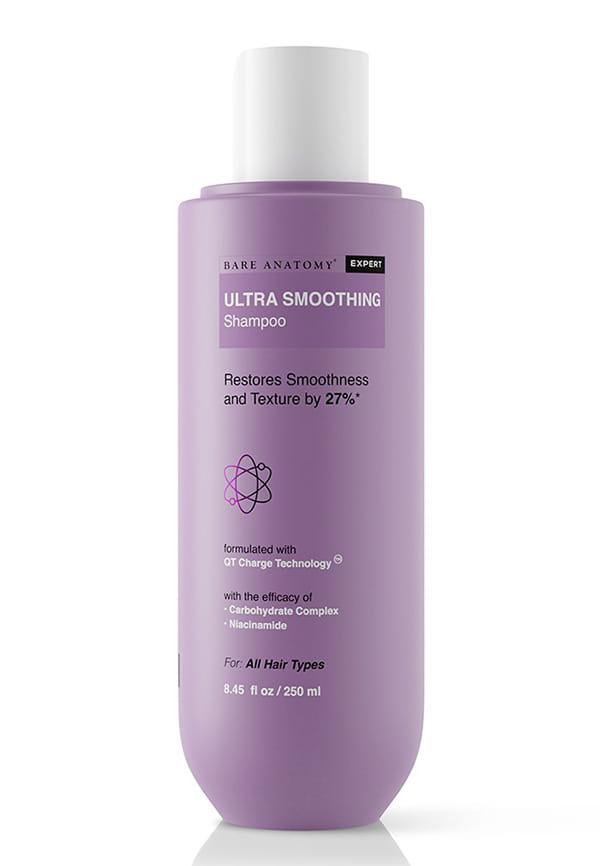
Expert Ultra Smoothing Shampoo To Restore Smoothness
Nice shampoo, use with mask
 4
4“n8ce shampoo but use it with mask”
Excellent Product
5“Best product ever used. Thanksss”
Positive Brand Impression
5“I just love the brand it's cool”
Let's cut through the noise and focus on treatments with actual clinical backing. When it comes to proven hair regrowth methods, a few standouts have consistently shown results in medical studies.
Minoxidil remains the gold standard for over-the-counter treatment. Originally developed as a blood pressure medication, researchers noticed patients were growing hair in unexpected places. The 5% solution typically shows results within 3-6 months, with peak effectiveness around the one-year mark. It works by increasing blood flow to follicles and extending the growth phase of hair.
For those dealing with male pattern baldness, finasteride blocks the hormone DHT that shrinks follicles. Clinical studies show it stops further loss in about 80% of men and promotes regrowth in roughly 65%. However, it requires a prescription and isn't suitable for women of childbearing age.
Low-level laser therapy has gained serious traction as a best hair restoration option. These devices use specific wavelengths to stimulate cellular activity in follicles. FDA-cleared devices show improvement in hair density and thickness, though results take patience—typically 16-26 weeks for noticeable changes.
Platelet-rich plasma (PRP) treatments involve drawing your blood, concentrating the growth factors, and injecting them into your scalp. Studies show 70-80% of patients experience improved hair density after 3-4 sessions. It's pricier than topical treatments but offers a natural approach using your body's own healing mechanisms.
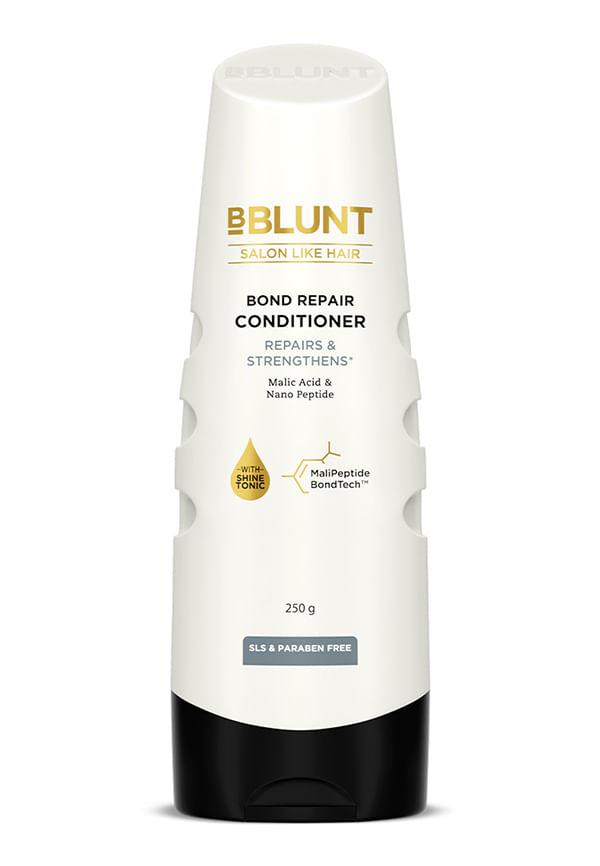
Bond Repair Conditioner
Great Conditioner
4“It is a great conditioner.”
Excellent Conditioner for Silky Hair
4“conditioner is very good and i first use my hair silky and shining”
Favorite Bblunt Conditioner
5“conditioner from bblunt are my fav..”
Not everyone's ready for surgery, and thankfully, hair transplant alternatives have come a long way. Scalp micropigmentation creates the illusion of hair follicles through tiny tattooed dots, perfect for those wanting the buzz-cut look without actual hair.
Hair systems and toppers have evolved beyond obvious wigs. Modern pieces use real hair and advanced attachment methods that can last weeks between adjustments. They're particularly effective for women with diffuse thinning who want immediate volume.
Cost-wise, these alternatives often prove more budget-friendly than surgical procedures. While a hair transplant can cost ₹80,000-₹3,00,000, quality hair restoration products and non-surgical treatments typically range from ₹5,000-₹50,000 annually.
Sometimes the most effective solutions are sitting right in your kitchen or bathroom cabinet. These natural approaches to prevent hair loss work best when combined with other treatments, but they're gentle enough to start immediately.
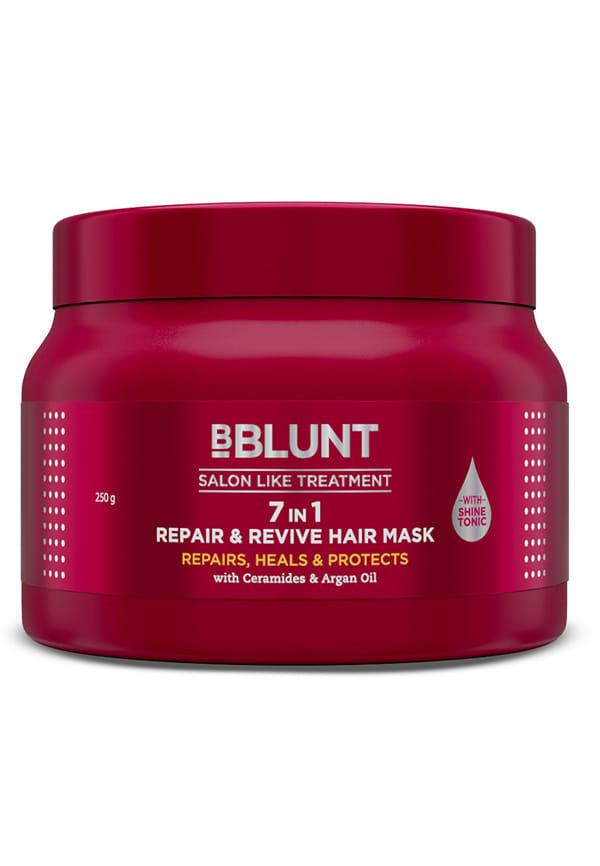
7 in 1 Repair & Revive Hair Mask for Upto 100% Damage Repair
Bestest Hair Mask
5“Bestest hair mask ❤❤❤❤❤❤❤❤❤❤❤❤❤❤❤”
Lovely Smell & Immediate Results
5“very lovely smell. I saw results from the first wash.”
Bestest Hair Mask
5“Bestest hair mask ❤❤❤❤❤❤❤❤❤❤❤❤❤❤❤”
Scalp health forms the foundation of healthy hair growth. Think of your scalp like soil—if it's not in good condition, nothing's going to grow properly. Start with proper cleansing using a gentle, sulphate-free shampoo 2-3 times weekly. Over-washing strips natural oils, while under-washing allows buildup that clogs follicles.
Scalp massage deserves a spot in your daily routine. Just 5 minutes of gentle circular motions increases blood circulation, bringing nutrients to follicles. Studies show regular massage can increase hair thickness over time. Use your fingertips, not nails, and work from the hairline back to the crown.
Weekly scalp exfoliation removes dead skin cells and product buildup. Mix brown sugar with your regular shampoo, or use a dedicated scalp scrub. This simple step can dramatically improve how well other treatments penetrate your scalp.
Rosemary oil has shown results comparable to minoxidil in clinical studies. Mix 3-4 drops with a carrier oil like jojoba or coconut oil, massage into your scalp, and leave for at least 30 minutes before washing. The key is consistency—use it 2-3 times weekly for best results.
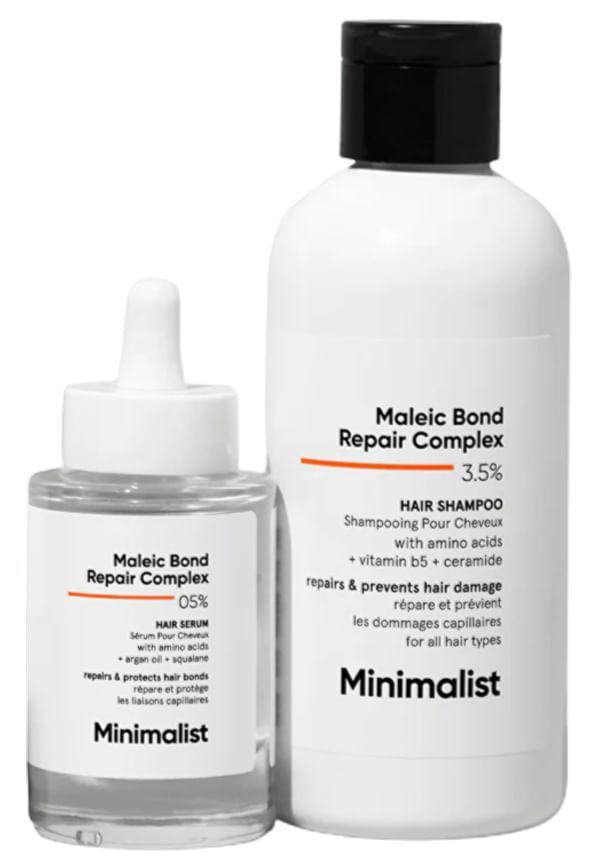
Maleic Bond Repair Hair Combo
Effective for Damaged Hair
5“Excellent combo works on damaged hair”
Good product, improves hair
4“its a good product. my harir quality is improvibg. you can go for it.”
Good for regular use
5“This is a good product to regular use”
Coconut oil penetrates the hair shaft better than most oils, reducing protein loss and breakage. Apply from mid-length to ends, avoiding the scalp if you're prone to oiliness. Leave overnight for deep conditioning, or use as a pre-shampoo treatment.
Aloe vera soothes irritated scalps and creates an optimal environment for growth. Use pure aloe gel directly on your scalp, leave for 20 minutes, then rinse. It's particularly helpful if you're dealing with dandruff or sensitivity from other treatments.
Your hair care tips extend far beyond what you put on your head. Chronic stress elevates cortisol levels, pushing hair follicles into the resting phase prematurely. Regular meditation, yoga, or even just deep breathing exercises can help manage stress levels.
Sleep quality directly impacts hair growth since most cellular repair happens during deep sleep phases. Aim for 7-9 hours nightly, and consider a silk or satin pillowcase to reduce friction and breakage.
Exercise improves circulation throughout your body, including your scalp. You don't need intense workouts—even a 20-minute walk daily can boost blood flow and reduce stress hormones that contribute to hair loss.

Olive oil & Peptide Bond Repair Damage Rescue Serum Crème
Your hair is essentially dead protein, so what you eat directly affects its strength and growth rate. Hair growth vitamins and proper nutrition create the building blocks your follicles need to produce healthy strands.
Iron deficiency is one of the most common nutritional causes of hair loss, especially in women. Include iron-rich foods like spinach, lentils, and lean meats in your diet. Pair them with vitamin C sources like citrus fruits to enhance absorption.
Biotin gets all the attention, but it's just one piece of the puzzle. A complete B-complex vitamin supports overall hair health, while vitamin D deficiency has been linked to alopecia areata. Zinc plays a crucial role in hair tissue growth and repair—aim for 8-11mg daily through foods like pumpkin seeds and chickpeas.
Protein requirements increase when you're trying to regrow hair. Include complete proteins like eggs, fish, and quinoa in your meals. Your hair follicles are among the most active cells in your body, so they need consistent fuel.
Anti-inflammatory foods support scalp health by reducing inflammation that can damage follicles. Fatty fish, walnuts, berries, and leafy greens all help create an optimal environment for growth.
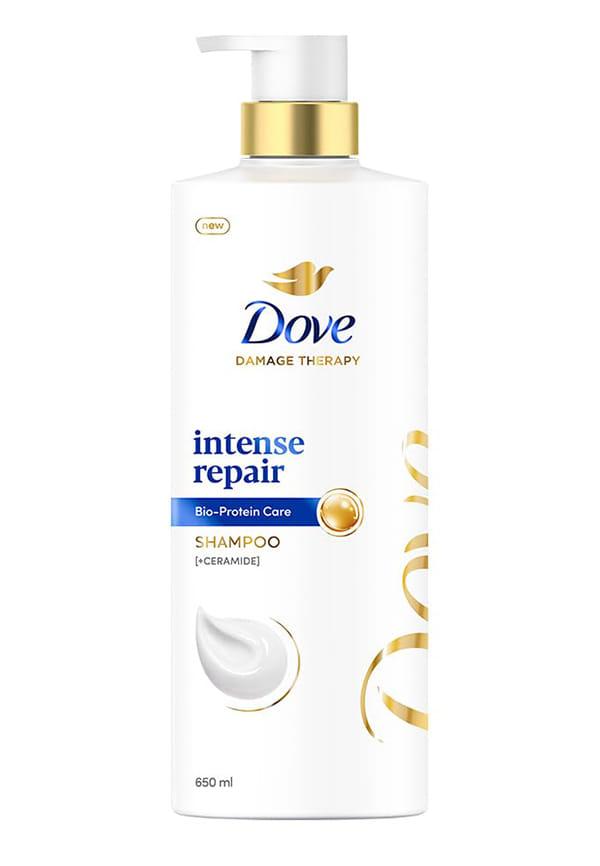
Intense Repair Shampoo
Excellent for Dry Hair
5“very good on very very dry hair. the best”
Excellent Product, Must Buy
5“it's an excellent product. must buy!!”
Awesome Product for Hair Nourishment
5“Awsome product and give nourishment to hair”
Timing matters with supplements. Take iron on an empty stomach for better absorption, but pair it with vitamin C. B vitamins are water-soluble, so spread them throughout the day rather than taking one large dose.
Consistency beats intensity when it comes to hair restoration. Your daily routine should protect existing hair while creating optimal conditions for new growth. These hair care tips focus on gentle yet effective practices.
Morning routines should be minimal and protective. If you wash daily, use a gentle, sulphate-free shampoo and focus on the scalp rather than the lengths. Apply a lightweight leave-in conditioner to damp hair, concentrating on mid-lengths and ends. If you're using minoxidil or other topical treatments, apply them to a clean, dry scalp.
Evening protocols focus on repair and preparation for overnight recovery. Brush gently with a wide-tooth comb or boar bristle brush to distribute natural oils. If you're doing scalp massage or applying oils, evenings work best since you can leave treatments on longer.
Weekly deep treatments give your hair and scalp extra attention. This might include a protein mask for damaged hair, a moisturising treatment for dry strands, or a scalp exfoliation session. The key is addressing your specific needs rather than following a one-size-fits-all approach.
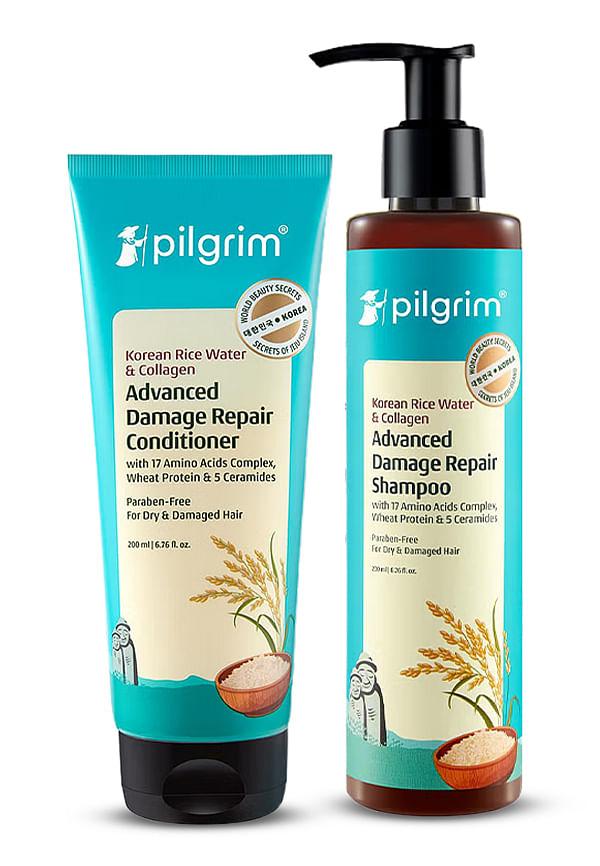
Korean Rice Water Damage Repair Duo
Effective for Frizziness Control
4“i love the shampoo and conditioner, it really helpful to control frizziness”
Effective for Frizziness Control
4“i love the shampoo and conditioner, it really helpful to control frizziness”
Good product quality
5“very good quality of the product”
Product selection should match your hair type and loss pattern. Fine hair needs lightweight formulas that won't weigh it down, while coarse hair can handle richer treatments. If you're dealing with hair thinning solutions, volumising products can create the appearance of fuller hair while you work on actual regrowth.
Common mistakes include over-brushing wet hair, using too much heat, and switching products too frequently. Wet hair is at its most vulnerable, so detangle gently and let it air-dry when possible. Heat styling should be limited and always used with a protectant. Give new products at least 6-8 weeks to show results before switching.
For those ready to invest in more sophisticated approaches, several advanced hair restoration products and technologies show promising results. These treatments often work best when combined with basic care routines.
Microneedling, or dermarolling, creates tiny channels in the scalp that enhance absorption of topical treatments. Studies show combining microneedling with minoxidil produces significantly better results than minoxidil alone. Use a 0.5-1.5mm roller once weekly, always on clean skin.
Red light therapy devices use specific wavelengths to stimulate cellular activity in follicles. Professional-grade devices offer more power, but at-home options like LED caps and combs provide convenience for daily use. Results typically appear after 12-16 weeks of consistent use.
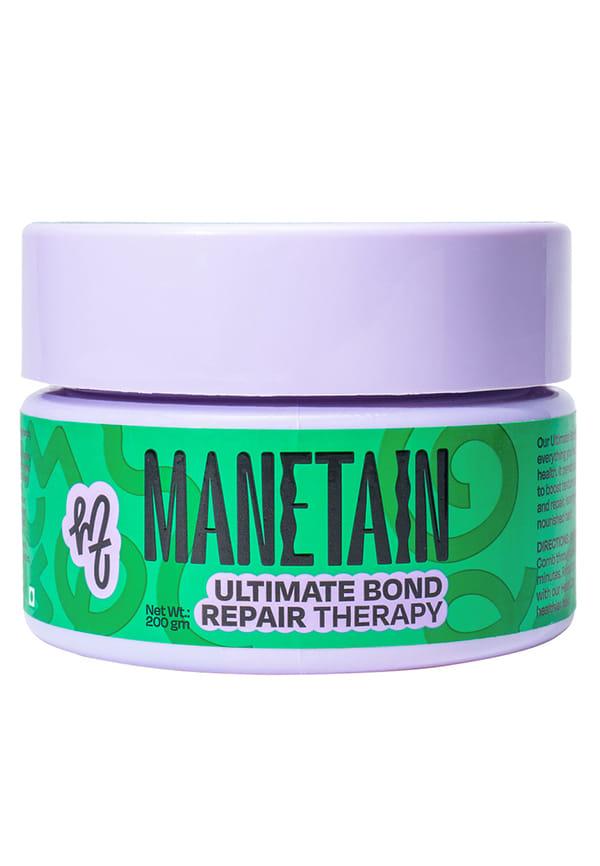
Ultimate Bond Repair Therapy For Deep Nourishment
Topical growth factor serums contain peptides and proteins that signal follicles to enter the growth phase. These hair loss treatment options are often expensive but can be particularly effective for those who don't respond well to traditional treatments.
Combination therapy approaches often yield the best results. This might involve using minoxidil with microneedling, or combining oral supplements with topical treatments and light therapy. The key is introducing treatments gradually to monitor how your scalp responds.
Professional versus at-home devices offer different benefits. Professional treatments provide more power and expertise, but at-home devices offer convenience and long-term cost savings. Many people start with professional treatments to establish a baseline, then maintain results with home devices.
When exploring these options, platforms like Smytten make it easier to try different hair restoration products without committing to full-size purchases. With trial packs from trusted brands, you can test various treatments to find what works for your specific needs before investing in larger quantities.
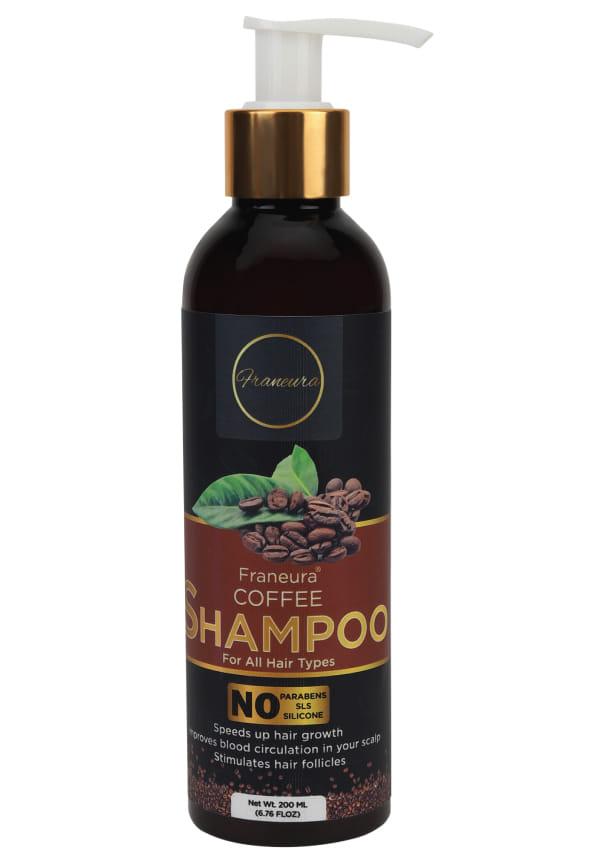
Daily Use Natural Coffee Shampoo - Revitalize and Strengthen Hair
Great Product at Low Price
5“coffe shampoo at such low price is awesome”
Great Product at Low Price
5“coffe shampoo at such low price is awesome”
Great Product at Low Price
5“coffe shampoo at such low price is awesome”
The most effective approach combines proven medical treatments with lifestyle modifications. Start with minoxidil for topical treatment, ensure proper nutrition with adequate protein and vitamins, and maintain a gentle hair care routine. For faster results, consider adding microneedling or low-level laser therapy. The key is consistency and patience—most treatments require 3-6 months to show significant results.
While complete regrowth in 3 weeks isn't realistic, you can start seeing improvements in hair health and reduced shedding. Begin with daily scalp massage, rosemary oil treatments 3 times weekly, and ensure you're getting adequate protein and vitamins. Focus on creating optimal conditions for growth rather than expecting dramatic changes immediately. Natural methods work, but they require patience and consistency.
Start with scalp massage using rosemary or peppermint oil, maintain a protein-rich diet, and use gentle, sulphate-free hair products. Weekly scalp exfoliation removes buildup, while silk pillowcases reduce friction during sleep. Manage stress through meditation or exercise, and ensure you're getting 7-9 hours of quality sleep. Consistency with these simple steps often produces better results than expensive treatments used sporadically.
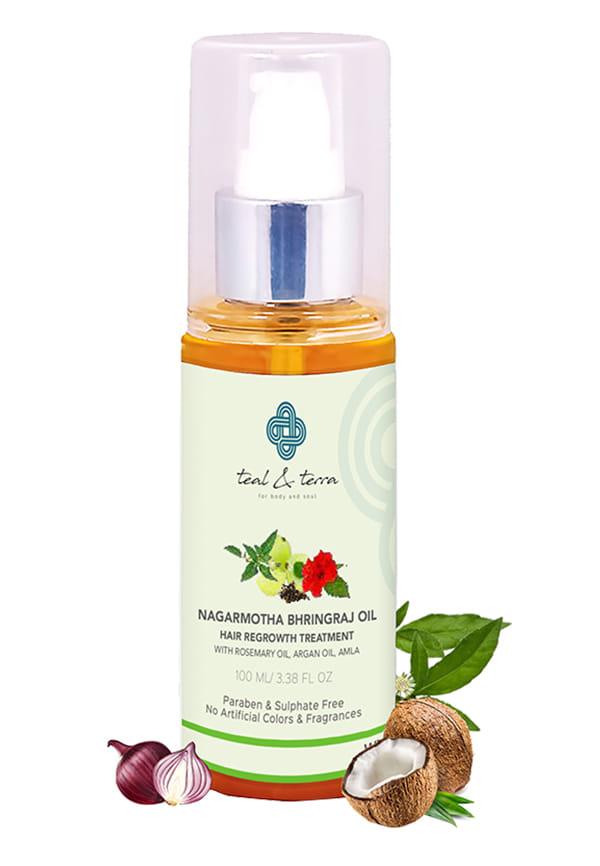
Nagarmotha Bhringraj Oil Hair Regrowth Treatment
Immediate hair fall reduction starts with identifying and eliminating triggers. Switch to gentle, sulphate-free shampoos, avoid tight hairstyles, and reduce heat styling. If you're experiencing sudden, excessive shedding, it might be telogen effluvium triggered by stress, illness, or hormonal changes. Focus on gentle care, proper nutrition, and stress management. If hair loss is sudden or severe, consult a dermatologist to rule out underlying conditions.
Quality hair restoration products can be worth the investment when chosen correctly for your specific type of hair loss. FDA-approved treatments like minoxidil show proven results, while natural options like rosemary oil offer gentler alternatives. The key is starting with affordable, proven options and gradually adding more advanced treatments if needed. Trial-sized products help you test effectiveness before committing to full-size purchases, making the investment more strategic and cost-effective.
Hair restoration isn't about finding one magic solution—it's about creating a comprehensive approach that addresses your specific needs and lifestyle. Whether you start with simple scalp massage and dietary changes or dive into advanced treatments, the most important factor is consistency. Remember that healthy hair growth takes time, typically 3-6 months to see significant changes, so patience is your friend here.
The beauty of modern hair restoration lies in having options. From proven medical treatments to natural remedies, there's something for every budget and comfort level. Start with the basics—proper nutrition, gentle hair care, and stress management—then gradually add treatments as needed.
When exploring different products and treatments, Smytten makes the journey more affordable and less risky. With trial packs from over 1,500 trusted brands, you can test various haircare solutions before committing to full-size purchases. The platform's 100% cashback system means you can explore different approaches to find what works for your hair without the usual trial-and-error costs. After all, why settle for guessing when you can try it all and find your perfect hair restoration routine?
