How to Rescue Your Hair from Hard Water Damage


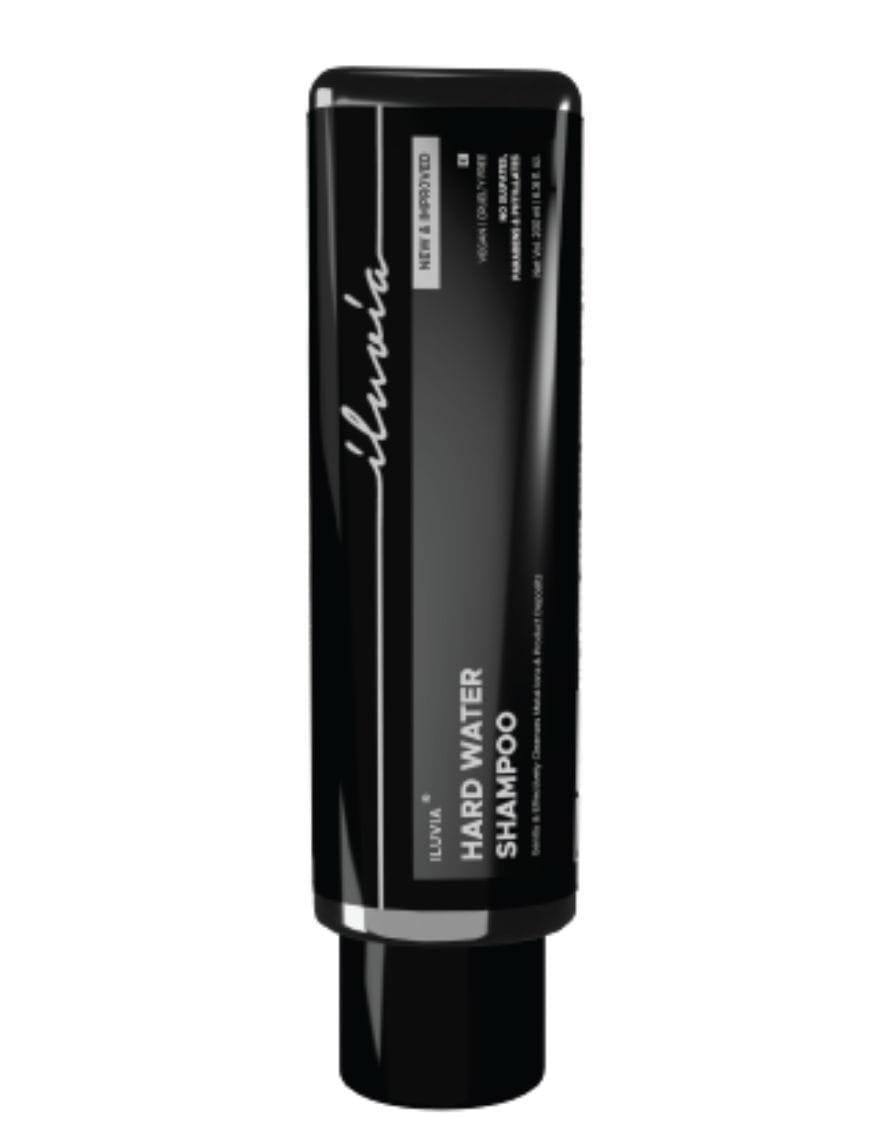
Professional Hard Water Shampoo
Positive Shampoo Review
 5
5“It is good shampoo and like it”
Ever wondered why your hair feels like straw despite using expensive products? If you live in an area with hard water, those pesky minerals might be the culprit behind your hair woes. Hard water contains high levels of calcium and magnesium that create a film on your hair, leaving it dull, dry, and difficult to manage. The good news? A quality hard-water clarifying shampoo for women can be your hair's best friend, helping restore its natural shine and softness. Let's dive into how you can rescue your locks from hard water damage and get back to having hair that actually cooperates with you.
Hard water is basically water that's loaded with dissolved minerals, particularly calcium and magnesium. When you wash your hair with hard water, these minerals don't just rinse away—they stick around, creating a buildup that can seriously mess with your hair's health and appearance.
Think of hard water minerals as tiny magnets that attach to your hair shaft. Over time, this buildup creates a barrier that prevents moisture from penetrating your hair and blocks your favourite products from working effectively.
The mineral deposits essentially coat each strand, making your hair feel rough and look lacklustre. Your scalp isn't spared either—the buildup can clog follicles and cause irritation, leading to issues like dandruff or even hair fall.
If you're dealing with hard water, you've probably noticed some frustrating changes in your hair. Here's what typically happens:
Dryness and brittleness: Your hair feels like it's constantly thirsty, no matter how much conditioner you use
Dull appearance: That natural shine seems to have vanished, leaving your hair looking flat and lifeless
Colour fading: If you colour your hair, you might notice it fading faster than usual
Product buildup: Your styling products don't seem to work as well, and your hair feels heavy or greasy
Tangles and knots: Your hair becomes more prone to tangling, making brushing a nightmare
Not all shampoos are created equal, especially when it comes to tackling hard water damage. A proper hard water shampoo is formulated specifically to break down and remove mineral buildup that regular shampoos simply can't handle.
The magic lies in special ingredients called chelating agents. These clever compounds bind to the minerals in hard water, essentially grabbing onto them and washing them away. It's like having a microscopic cleanup crew working on each strand of your hair.
Unlike regular shampoos that focus on cleansing dirt and oil, a clarifying shampoo goes deeper to remove the stubborn mineral deposits that have been building up over time. The process is gentle but thorough, helping restore your hair's natural texture and shine.
When shopping for a shampoo for hard water, you'll come across different types, each with its own strengths:
Chelating shampoo: The heavy-duty option that specifically targets mineral buildup
Detox shampoo: A gentler approach that removes buildup whilst being kinder to colour-treated hair
Buildup removing shampoo: Focuses on product residue as well as mineral deposits
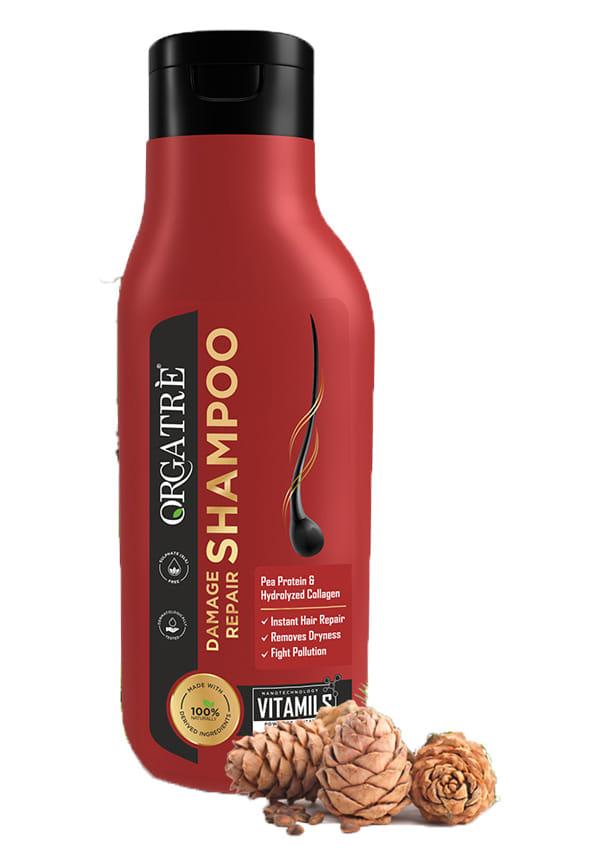
Damage Repair Shampoo
Amazing Shampoo
5“This is an amazing shampoo thus my hair soft and silky”
Positive Hair Result
5“healthy and smooth hair as expected”
Mixed experience with shampoo
4“Its nice shampoo but it causes hair fall too much but after using this my hair quality became good”
Your hair type plays a huge role in determining which hair clarifying shampoo will work best for you. What works brilliantly for your friend might not be your perfect match, and that's completely normal.
If you've invested in gorgeous colour, you need a clarifying shampoo that removes buildup without stripping your colour. Look for formulas that are specifically labelled as colour-safe and contain gentle chelating agents.
Use these shampoos once a week maximum to maintain your colour whilst keeping hard water damage at bay. Ingredients like citric acid and sodium citrate are your friends here—they're effective but gentle.
Curly and textured hair needs extra moisture, so you'll want a clarifying shampoo that removes buildup without over-stripping natural oils. Look for formulas that include moisturising ingredients alongside the clarifying agents.
These hair types can typically handle clarifying treatments once every two weeks, but pay attention to how your hair feels and adjust accordingly.
Fine hair shows buildup more easily, so you might need to use a shampoo for mineral buildup more frequently—perhaps twice a week. Look for lightweight formulas that won't weigh your hair down.
These shampoos should cleanse thoroughly whilst maintaining volume and bounce in your hair.
Using a clarifying shampoo isn't quite the same as your regular wash routine. Getting the technique right makes all the difference in achieving the best results for your hard water hair.
Before you start, take a moment to assess your hair's condition. If it's severely damaged or chemically treated, you might want to do a strand test first to see how your hair reacts.
Brush your hair gently to remove any surface tangles—this makes the clarifying process more effective and prevents unnecessary breakage during washing.
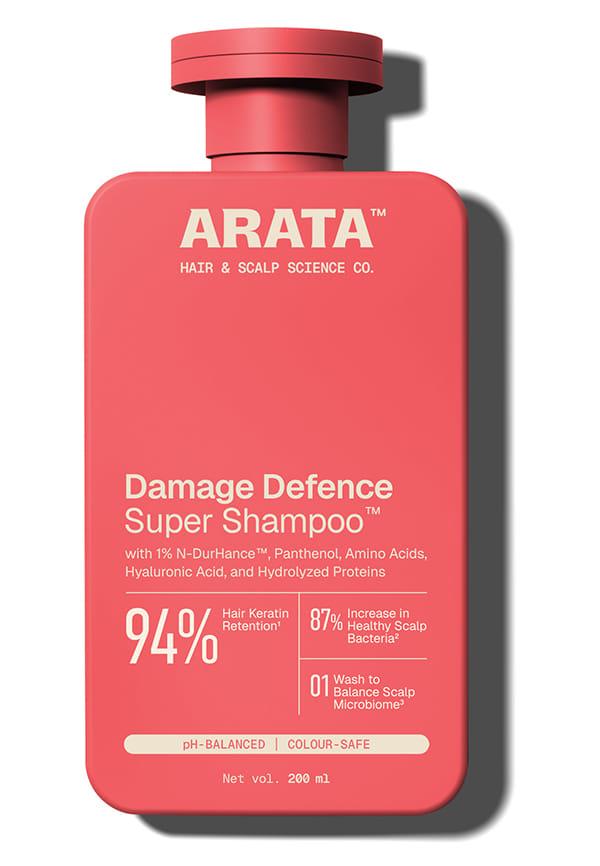
Damage Defence Super Shampoo
Loved the product
4“love the product 🤩❣️❣️🤩❣️😁🤩😁🤩”
Loved the product
4“love the product 🤩❣️❣️🤩❣️😁🤩😁🤩”
Nice Product
4“nice product...................”
Start with thoroughly wet hair, then apply the clarifying shampoo from roots to ends. Focus on massaging your scalp gently—this is where most of the buildup accumulates.
Let the shampoo sit for 2-3 minutes to allow the chelating agents to work their magic. Rinse thoroughly with lukewarm water, making sure no residue remains.
After using a chelating shampoo, your hair will be squeaky clean but might feel a bit dry. This is normal! Follow up with a deep conditioning treatment to restore moisture and softness.
Consider using a leave-in treatment or hair oil to seal in moisture and protect your newly clarified strands.
You've probably seen countless DIY recipes online promising to solve your hard water woes. Whilst some home remedies can help, understanding their limitations is crucial for making the right choice for your hair.
Apple cider vinegar rinses are popular for good reason—the acidity can help dissolve some mineral buildup. Mix one part vinegar with three parts water and use it as a final rinse after shampooing.
Lemon juice works similarly, but both of these options are quite acidic and can be harsh on colour-treated or damaged hair. They're also not as effective as professional formulations for severe buildup.
If you're dealing with significant buildup or your hair feels beyond help, a professional detox shampoo is your best bet. These products are formulated with the right concentration of active ingredients to be both effective and safe.
Professional products also undergo testing to ensure they work well with different hair types and conditions, giving you more predictable results.
Once you've rescued your hair from hard water damage, the goal is to prevent it from happening again. A combination of the right products and some smart lifestyle changes can keep your hair healthy and beautiful.
Installing a shower filter is one of the most effective ways to reduce hard water's impact on your hair. These filters remove or reduce minerals before the water reaches your hair, preventing future buildup.
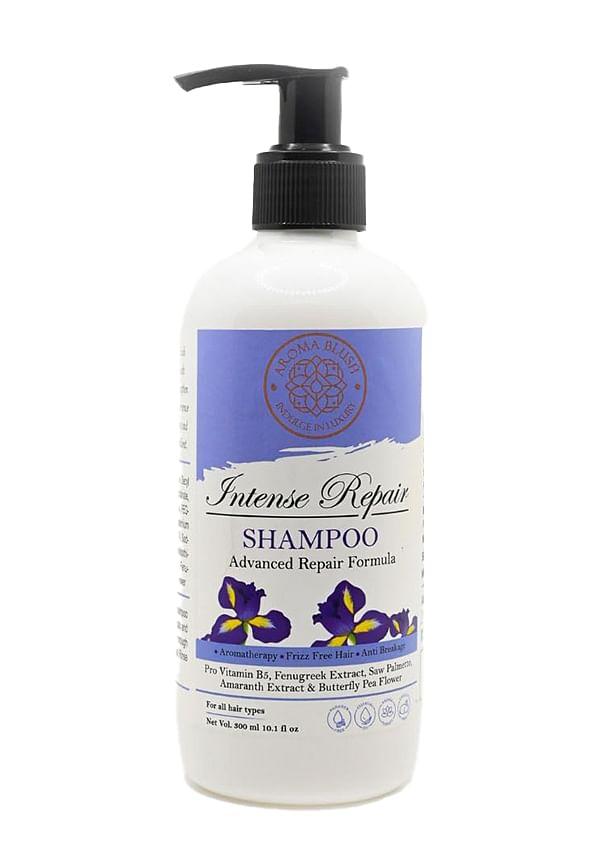
Intense Repair Shampoo
Good for hair
5“this product 3vwry good for hair”
Nourishing & Hydrating for Soft Hair
5“very nourishing and hydrating made my hair very soft”
Amazing Hair Repair Product
5“Amazing product for hair repair ”
Whilst the initial investment might seem significant, the long-term benefits for your hair (and skin) make it worthwhile. Your products will work better, and you'll need clarifying treatments less frequently.
Even with filtered water, using a clarifying treatment once a month can help maintain your hair's health. Think of it as a monthly reset for your strands.
Incorporate protective styling techniques and use products that create a barrier against environmental damage. This helps minimise the impact of any minerals that do make it through your defences.
Smytten makes discovering the perfect hair detox products incredibly easy and affordable. With trial packs from over 1,500 trusted brands, you can experiment with different clarifying shampoos without committing to full-size bottles. Whether you're looking for a gentle chelating formula or a deep-cleansing detox shampoo, Smytten's curated selection helps you find exactly what your hair needs. Plus, with 100% cashback on trial purchases, you can explore multiple options to find your perfect match—because why settle for 'maybe' when you can try it all?
Most women should use a clarifying shampoo once a week if they have moderately hard water, or twice a week for very hard water. However, colour-treated or damaged hair might need less frequent treatments—start with once every two weeks and adjust based on how your hair responds.
Regular shampoos aren't formulated to remove mineral buildup effectively. Whilst they'll clean surface dirt and oil, they won't address the deeper issues caused by hard water. A dedicated clarifying shampoo with chelating agents is essential for properly addressing mineral buildup.
Not if you choose the right formula. Look for clarifying shampoos specifically designed for colour-treated hair. These contain gentler chelating agents and often include colour-protecting ingredients. Always do a strand test first if you're unsure.
Signs include dullness despite using quality products, hair that feels rough or straw-like, products that don't seem to work anymore, faster colour fading, and increased tangling. If your hair feels coated or heavy even after washing, it's likely dealing with mineral buildup.
Whilst DIY options like apple cider vinegar rinses can help with mild buildup, they're not as effective as professional formulations for significant mineral deposits. Home remedies also lack the balanced pH and protective ingredients found in commercial clarifying shampoos.
Rescuing your hair from hard water damage doesn't have to be complicated or expensive. With the right hard-water clarifying shampoo for women and a consistent routine, you can restore your hair's natural beauty and keep it healthy long-term. Remember, every hair type is different, so what works for others might not be perfect for you—and that's where trial and error becomes your friend.
The key is finding products that effectively remove buildup whilst maintaining your hair's health and moisture balance. Whether you opt for a gentle detox shampoo or a more intensive chelating formula, consistency is crucial for seeing real results. Don't expect overnight miracles, but with patience and the right approach, your hair can bounce back from even severe hard water damage.
