How to Repair Hard Water Damage to Your Hair
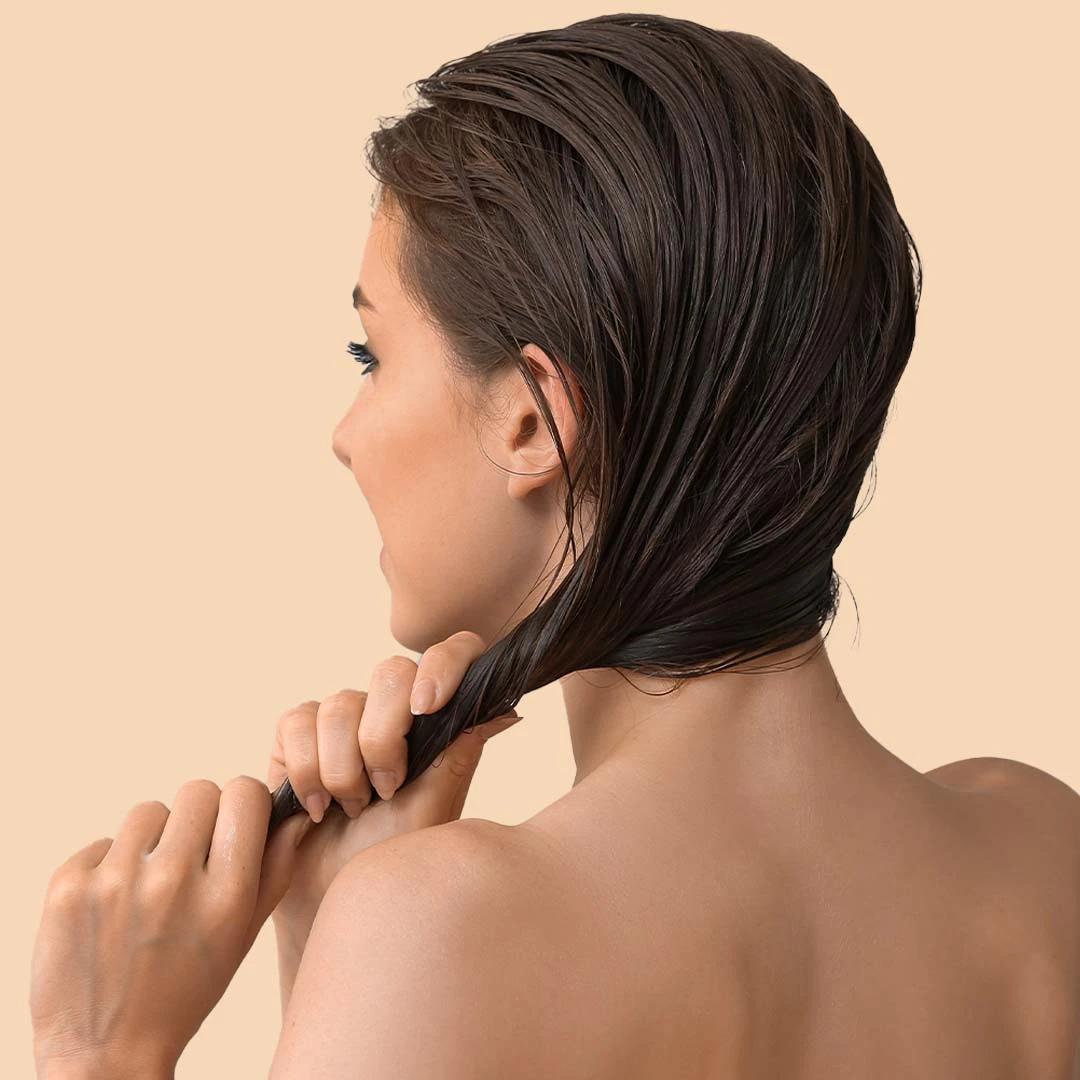

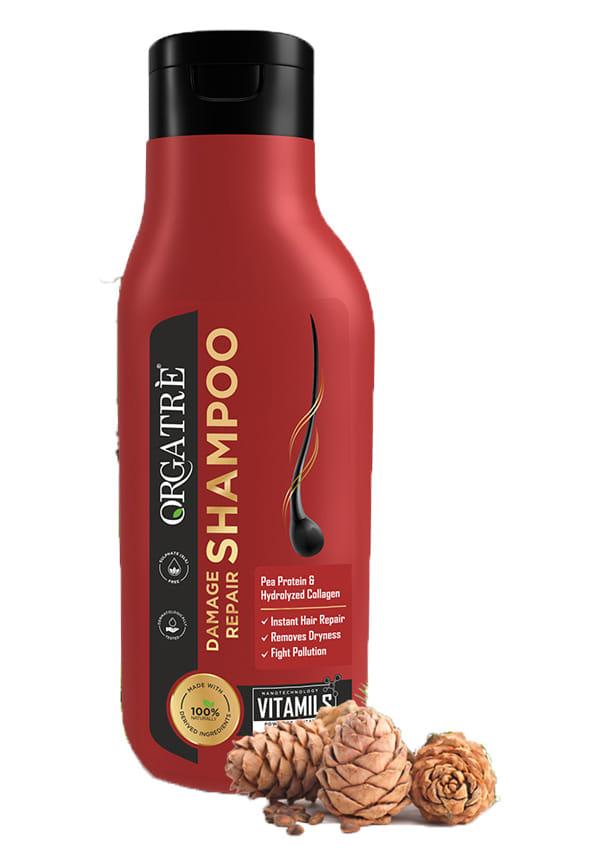
Damage Repair Shampoo
Amazing Shampoo
 5
5“This is an amazing shampoo thus my hair soft and silky”
Positive Hair Result
5“healthy and smooth hair as expected”
Mixed experience with shampoo
4“Its nice shampoo but it causes hair fall too much but after using this my hair quality became good”
If your hair feels like straw, looks dull, or tangles more than usual, hard water might be the culprit. Those pesky minerals in your tap water can wreak havoc on your strands, leaving them dry, brittle, and lifeless. But here's the good news—hard-water damage repair for hair is totally doable with the right approach. Whether you're dealing with mineral buildup from months of hard water exposure or just starting to notice the signs, this guide will walk you through everything you need to know to get your hair back to its healthy, bouncy self.
Let's start with the basics. Hard water contains high levels of minerals like calcium, magnesium, and sometimes iron. When you wash your hair with hard water, these minerals don't just rinse away—they actually stick to your hair strands and scalp. Think of it like invisible soap scum, but for your hair.
The hard water effects on hair happen because these minerals disrupt your hair's natural pH balance and create a film over each strand. This film prevents moisture from getting in and makes your hair cuticles rough and raised. Over time, this leads to that familiar dry, tangled mess that no amount of regular conditioner seems to fix.
When minerals from hard water build up on your hair, they create what's called hair mineral buildup. This buildup acts like a barrier, preventing your hair products from working properly and blocking natural oils from moving down the hair shaft.
Wondering if hard water is behind your hair woes? Here are the telltale signs:
Dryness that won't quit: Your hair feels parched no matter how much conditioner you use
Dullness: Your hair has lost its natural shine and looks flat
Tangling nightmares: Your hair knots up easily and is hard to detangle
Colour fading: If you have coloured hair, it fades faster than it should
Scalp irritation: Your scalp feels itchy or flaky
Limp texture: Your hair lacks volume and feels heavy
Increased breakage: You're finding more hair in your brush than usual
Understanding how hard water hair damage happens can help you tackle it more effectively. When hard water minerals come into contact with your hair, they form ionic bonds with the hair proteins. These bonds are surprisingly strong and don't break down with regular shampooing.
The minerals essentially coat each hair strand, making the cuticle layer rough and preventing it from lying flat. This is why hard water damaged hair often feels rough to the touch and looks frizzy even when it's not humid outside.
Regular shampoos, even the clarifying ones, aren't designed to remove mineral deposits. They can clean away dirt, oil, and product buildup, but those stubborn minerals need special treatment. This is where chelating agents come in—they're specifically designed to grab onto minerals and pull them away from your hair.
Hard water damage doesn't happen overnight. It builds up gradually, which is why you might not notice it at first. The longer you're exposed to hard water without proper treatment, the more severe the damage becomes.
When it comes to serious hair damage repair, professional-grade solutions often work fastest. The key is using products specifically designed to tackle mineral buildup while restoring your hair's health.
Professional treatments work by combining chelating agents with restorative ingredients that help rebuild your hair's structure once the minerals are removed.
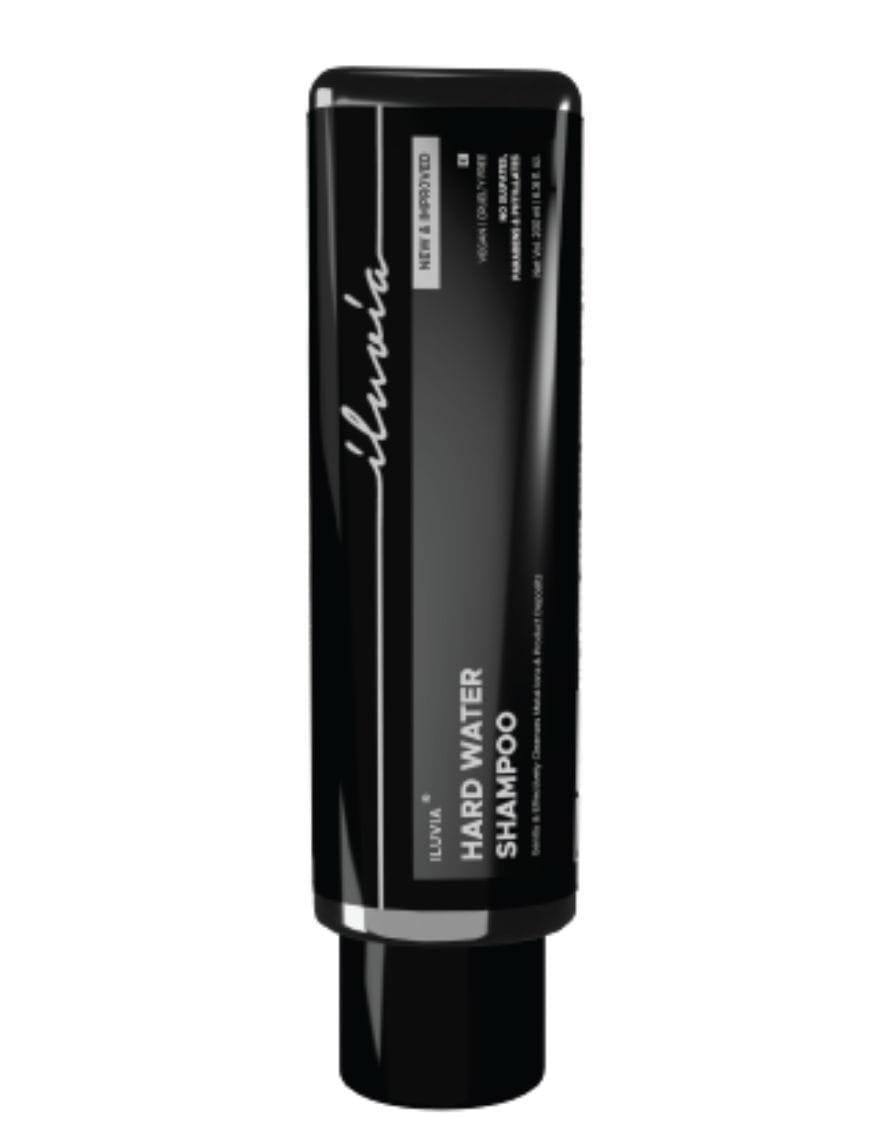
Professional Hard Water Shampoo
Positive Shampoo Review
5“It is good shampoo and like it”
A good chelating shampoo is your first line of defence against hard water damage. Look for ingredients like EDTA (ethylenediaminetetraacetic acid) or citric acid on the label. These ingredients work by binding to the minerals and allowing them to be rinsed away.
Use chelating shampoo once or twice a week initially, then scale back to once every two weeks for maintenance. Don't overdo it—these shampoos are powerful and can be drying if used too frequently.
For severe buildup, consider a professional hair clarifying treatment at a salon. These treatments use stronger concentrations of chelating agents and often include follow-up conditioning treatments to restore moisture.
If you're trying products at home, Smytten's trial packs let you test different clarifying treatments without committing to full-size bottles. This is particularly helpful when you're figuring out which products work best for your specific hair type and damage level.
After removing mineral buildup, your hair needs both protein and moisture to recover. Look for treatments that contain hydrolysed proteins to rebuild damaged hair structure, followed by deep conditioning treatments to restore flexibility and shine.
If you prefer natural hard water hair solutions, several DIY treatments can help remove mineral buildup and restore your hair's health. These remedies work best for mild to moderate damage and can be great maintenance tools.
The beauty of DIY treatments is that you probably already have most of the ingredients at home, making them perfect for a quick hair detox for hard water exposure.
Mix one part apple cider vinegar with three parts water. After shampooing, pour this mixture over your hair, focusing on the mid-lengths and ends. Let it sit for 2-3 minutes, then rinse thoroughly. The acidity helps dissolve mineral deposits and restore your hair's natural pH.
Fresh lemon juice contains natural chelating properties. Mix the juice of one lemon with two cups of water and use as a final rinse. Be cautious if you have coloured hair, as lemon juice can cause fading.
Create a paste with baking soda and water, apply to damp hair, and massage gently. This treatment helps balance pH and remove buildup, but use it sparingly as it can be quite drying.
Successful damaged hair treatment requires consistency and patience. Your hair didn't get damaged overnight, and it won't recover instantly either. A structured approach works best for lasting results.
Start with an intensive repair phase, then transition to a maintenance routine that prevents future damage while keeping your hair healthy.
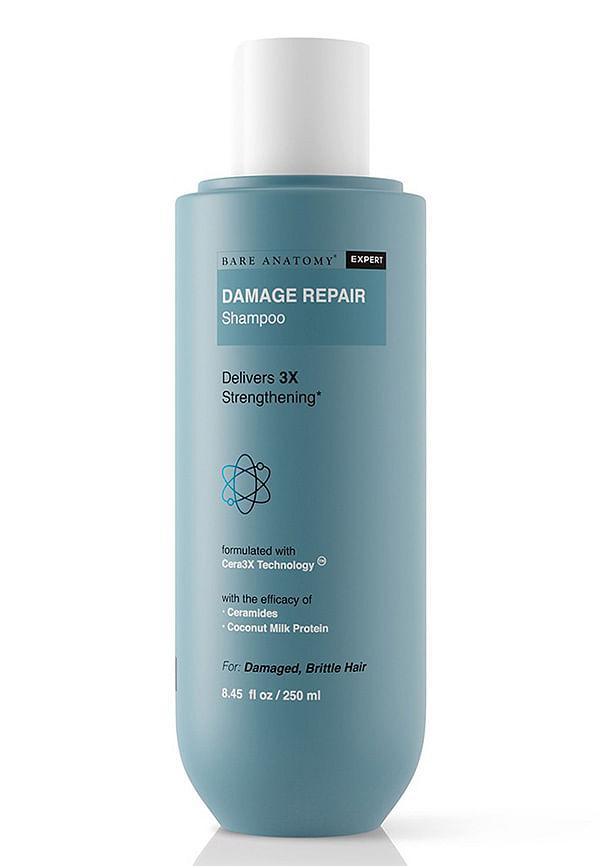
Expert Damage Repair Shampoo To Repair And Strengthen Up To 3X
Perfect Scalp Cleansing
4“It cleanses the scalp perfectly.”
Perfect Scalp Cleansing
4“It cleanses the scalp perfectly.”
Perfect Scalp Cleansing
4“It cleanses the scalp perfectly.”
Weeks 1-2 (Intensive Phase): Use chelating shampoo twice weekly, followed by deep conditioning treatments. Incorporate a weekly DIY treatment like the apple cider vinegar rinse.
Weeks 3-4 (Restoration Phase): Reduce chelating shampoo to once weekly. Focus on protein treatments and moisture masks to rebuild hair structure.
Ongoing Maintenance: Use chelating shampoo every 2-3 weeks, maintain regular deep conditioning, and monitor your hair's response.
Switch to lukewarm or cool water for washing—hot water opens the cuticle and allows more minerals to penetrate. Use a wide-tooth comb on wet hair to prevent breakage, and apply leave-in treatments with chelating properties.
Take photos of your hair before starting treatment and weekly thereafter. Look for improvements in shine, texture, and manageability. Adjust your routine based on how your hair responds.
Once you've repaired the damage, prevention becomes key. The best hard water hair remedies combine treatment with protective measures that minimise future mineral exposure.
Prevention is always easier than repair, so investing in protective strategies now will save you time and effort later.
Shower filters are an affordable first step. They remove chlorine and reduce mineral content, though they won't eliminate all hard water minerals. For comprehensive protection, consider a whole-house water softening system.
Use leave-in treatments that contain chelating agents or film-forming ingredients that create a barrier between your hair and hard water minerals. Look for products with ingredients like cyclomethicone or dimethicone.
Reduce washing frequency to 2-3 times per week if possible. When you do wash, focus shampoo on your scalp rather than the lengths of your hair, and always follow with a good conditioner.
Sometimes DIY treatments aren't enough, especially if you're dealing with severe damage or have chemically treated hair. Professional hair damage repair might be necessary if you're experiencing excessive breakage, significant texture changes, or scalp issues.
A professional stylist can assess the extent of damage and recommend appropriate treatments, whether that's salon-grade clarifying services or specialised bond-building treatments.
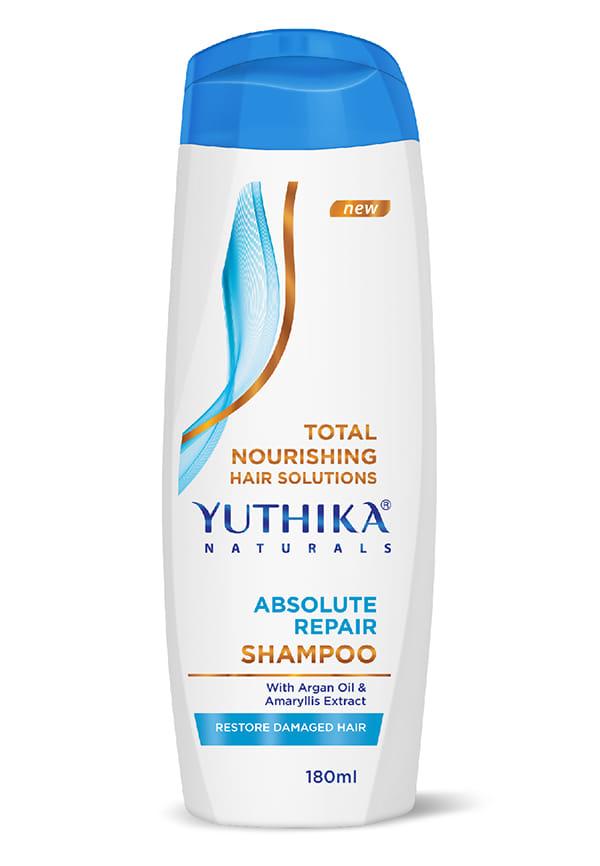
Absolute Repair Shampoo
If your hair is breaking off in chunks, feels gummy when wet, or has developed an unusual texture that doesn't improve with home treatment, it's time to see a professional.
Salons offer intensive clarifying treatments, Olaplex-style bond builders, and customised repair protocols based on your specific damage pattern and hair type.
Most people see improvement within 2-4 weeks of consistent treatment. Complete restoration can take 2-3 months, depending on the severity of damage and your hair's natural growth cycle.
Hard water damage is generally reversible with proper treatment. However, severe long-term exposure combined with chemical processing can cause permanent structural damage that requires cutting off the affected hair.
Yes, but use it sparingly and always follow with a deep conditioning treatment. Some colour fading may occur, so consider using a colour-safe chelating formula.
For active damage repair, start with twice weekly, then reduce to once every 2-3 weeks for maintenance. Adjust based on your hair's response and water hardness level.
Clarifying shampoos remove product buildup and excess oils, while chelating shampoos specifically target mineral deposits. For hard water damage, you need chelating action.
Hard water doesn't directly cause hair loss, but it can weaken hair strands, leading to increased breakage that might appear as hair loss. Scalp irritation from mineral buildup can also affect hair growth.
Repairing hard water hair damage takes patience and the right approach, but your hair can absolutely bounce back to its healthy, shiny self. The key is understanding that this isn't just about using one magic product—it's about creating a comprehensive routine that removes existing damage while preventing future problems.
Whether you go the professional route or prefer DIY hard water hair remedies, consistency is everything. Start with chelating treatments to remove mineral buildup, follow up with restorative care, and don't forget about prevention strategies for the long term.
Remember, finding the right products for your specific hair type and damage level might take some trial and error. That's where platforms like Smytten come in handy—with trial packs from over 1,500 trusted brands, you can test different hair clarifying treatments and repair products without the commitment of full-size purchases. After all, why settle for 'maybe' when you can try it all and find what actually works for your hair?
