How to Repair Hair: Simple At Home Hair Repair Tips

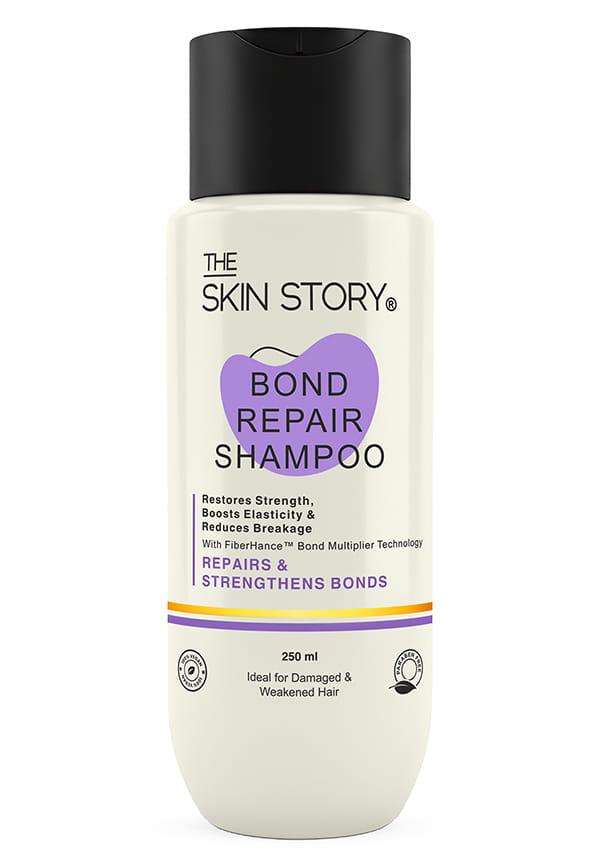
Professional Bond Repair Shampoo For Damaged Hair
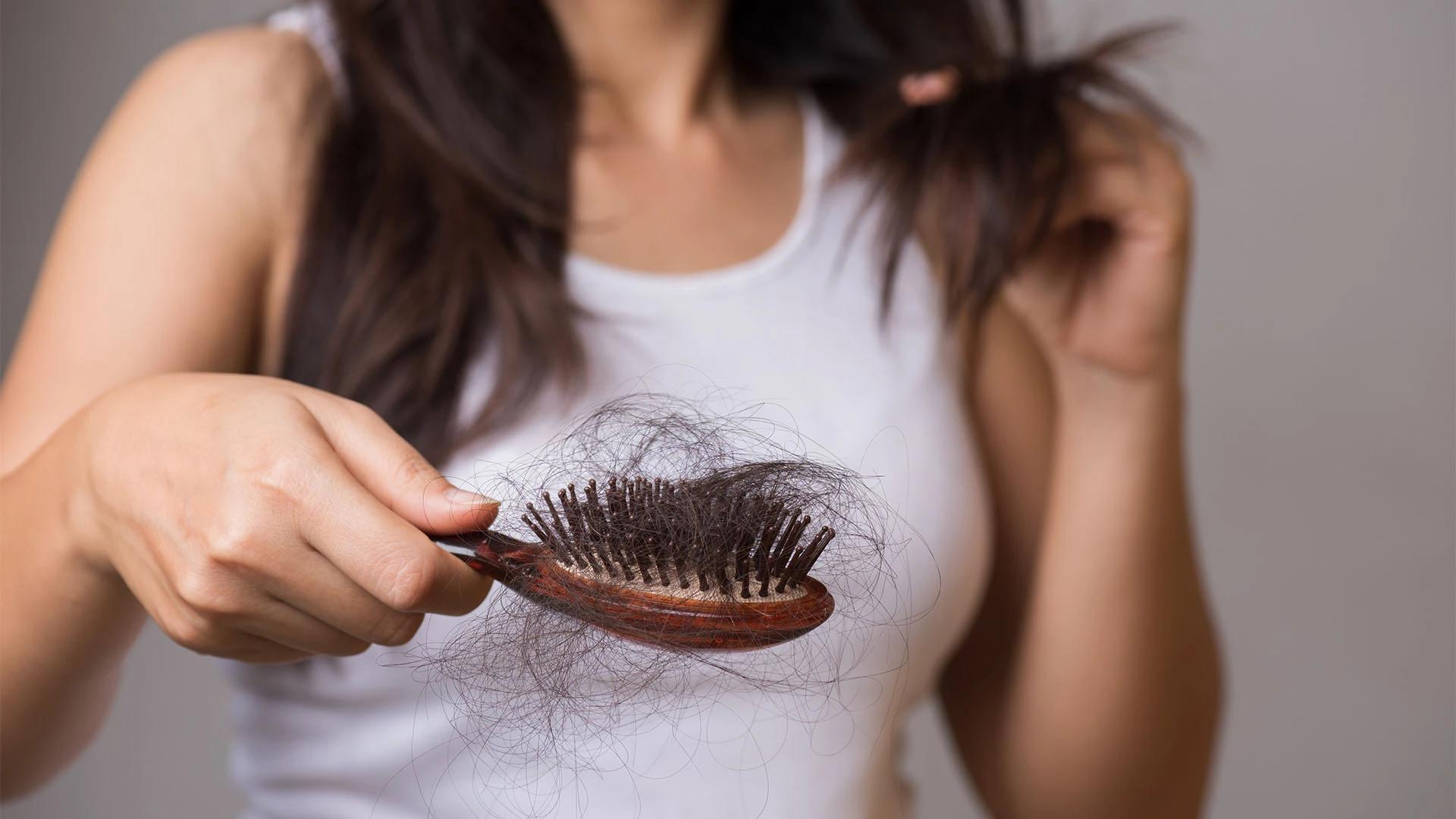
You know that sinking feeling when you catch your reflection and realise your hair looks more like straw than silk? Whether it's from too many heat styling sessions, chemical treatments, or just life happening, damaged hair can feel like a lost cause. But here's the thing — your hair doesn't have to stay that way. With the right approach and some simple at-home techniques, you can actually repair and restore your hair's health without breaking the bank or booking endless salon appointments.
Before diving into solutions, let's get real about what's actually happening to your hair. Hair damage isn't just about bad hair days — it's about the actual structure of your hair strands breaking down. The outer layer (cuticle) gets lifted and roughened, the protein structure weakens, and moisture escapes faster than you can say "frizz."
Heat styling tools, chemical treatments like colouring or perming, environmental factors like sun and pollution, and even aggressive brushing can all contribute to hair damage. You'll know your hair needs some TLC when you notice split ends creeping up, increased breakage when brushing, dryness that no amount of conditioner seems to fix, and that dull, lifeless look that makes you want to hide under a hat.
Here's something important to understand: hair can't actually heal itself like skin does. Once the damage is done, it's about managing and preventing further damage whilst encouraging healthier new growth. This is why consistent hair repair tips and treatments are so crucial for long-term hair health.
The good news? You don't need to wait months to see improvements. Some damaged hair treatment techniques can give you noticeable results almost immediately. It's all about working with your hair's natural structure rather than against it.
Start with gentle cleansing using sulphate-free shampoos that won't strip your hair further. Focus the shampoo on your scalp only — the lengths of your hair will get clean from the runoff. Follow with a nourishing conditioner applied from mid-lengths to ends, and consider leaving it on for a few extra minutes for deeper penetration.
Switch up your drying technique immediately. Instead of rubbing your hair with a towel (which causes friction and breakage), gently pat or squeeze out excess water. When using heat tools, never skip the heat protectant and keep temperatures below 180°C. At night, sleep on a silk or satin pillowcase to reduce friction whilst you sleep.
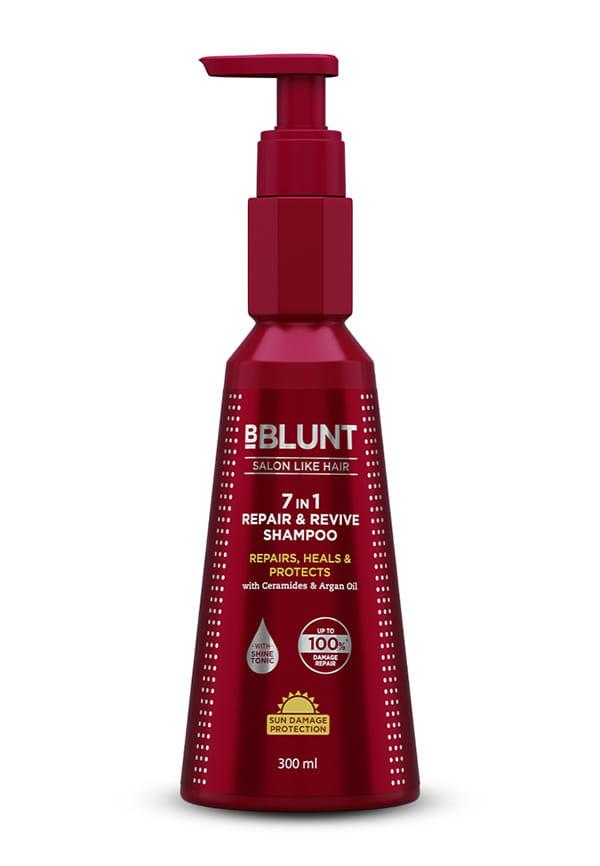
7 in 1 Repair & Revive Shampoo for Upto 100% Damage Repair
Sometimes the best hair repair products are sitting right in your kitchen. Natural ingredients can provide intensive nourishment without harsh chemicals, making them perfect for weekly deep-treatment sessions.
For hair that's lost its strength, try mixing one egg with two tablespoons of honey. The egg provides protein to temporarily fill in gaps in damaged hair shafts, whilst honey acts as a humectant to draw moisture in. Apply to damp hair, leave for 20 minutes, then rinse with cool water to prevent the egg from cooking.
Another brilliant option is Greek yoghurt mixed with olive oil. The lactic acid in yoghurt gently exfoliates the scalp whilst the proteins strengthen hair strands. Mix half a cup of plain Greek yoghurt with two tablespoons of olive oil, apply from roots to tips, and leave for 30 minutes before washing out.
For seriously dry hair, mash one ripe avocado with two tablespoons of coconut oil. Avocado is packed with fatty acids and vitamins that penetrate the hair shaft, whilst coconut oil helps seal the cuticle. This combination is particularly effective for split end repair, though remember that severely split ends will eventually need trimming.
Dry hair is often a sign that your hair's moisture barrier has been compromised. The key to fixing dry hair lies in both adding moisture and preventing it from escaping. Start by identifying whether your hair needs moisture or protein — overly stretchy hair needs protein, whilst brittle hair typically needs moisture.
Choose hydrating shampoos and conditioners specifically formulated for dry or damaged hair. Look for ingredients like hyaluronic acid, glycerin, and natural oils. After washing, apply a leave-in treatment to damp hair — this creates a protective barrier that locks in moisture throughout the day.
Water temperature matters more than you might think. Hot water opens the hair cuticle too much, allowing moisture to escape. Stick to lukewarm water for washing and finish with a cool rinse to seal the cuticle and boost shine.
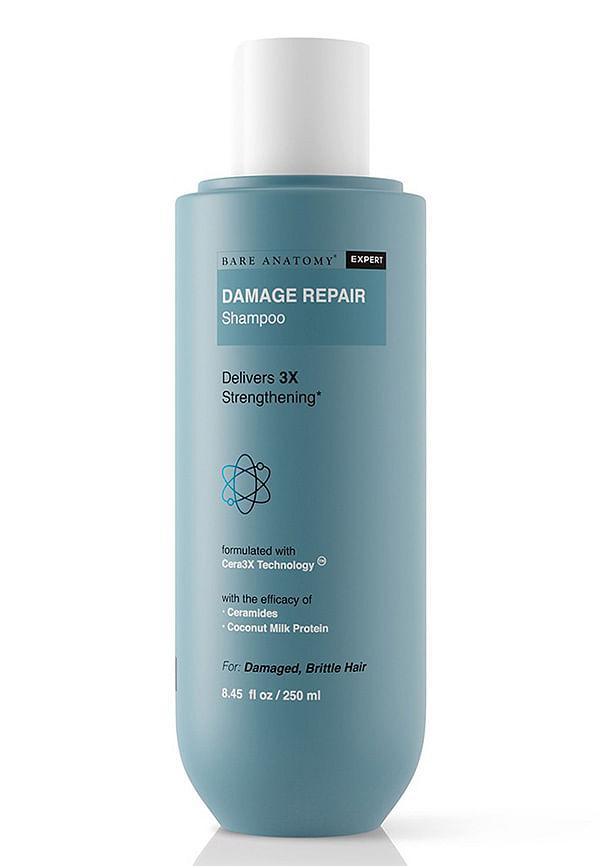
Expert Damage Repair Shampoo To Repair And Strengthen Up To 3X
Whilst DIY treatments are fantastic, sometimes you need the power of professional-grade formulations. Bond repair treatments have revolutionised at-home hair restoration, working at a molecular level to rebuild broken disulphide bonds in damaged hair.
These treatments work by reconnecting broken bonds in your hair's structure. Apply the treatment to damp hair, focusing on the most damaged areas. Leave on for the recommended time (usually 10-20 minutes), then rinse thoroughly. Use once a week for severely damaged hair, or fortnightly for maintenance.
Whilst you can't permanently repair split ends without cutting, you can temporarily seal them and prevent further splitting. Look for products containing silicones or proteins that can temporarily bind split ends together. However, be realistic — if splits have travelled more than a centimetre up the hair shaft, it's time for a trim.
Real hair repair isn't just about what you put on your hair — it's about supporting hair health from the inside out. Your hair is essentially a reflection of your overall health, so lifestyle factors play a huge role in hair restoration.
Nutrition is crucial for healthy hair growth. Ensure you're getting enough protein (hair is made of keratin, which is a protein), iron, biotin, and vitamins A, C, and E. Stay hydrated — dehydration affects your hair just as much as your skin. Manage stress through exercise, meditation, or whatever works for you, as chronic stress can actually alter your hair's growth cycle.
Quality sleep is when your body repairs itself, including your hair follicles. Aim for 7-9 hours of good sleep, and consider using a silk pillowcase to reduce friction damage whilst you sleep.
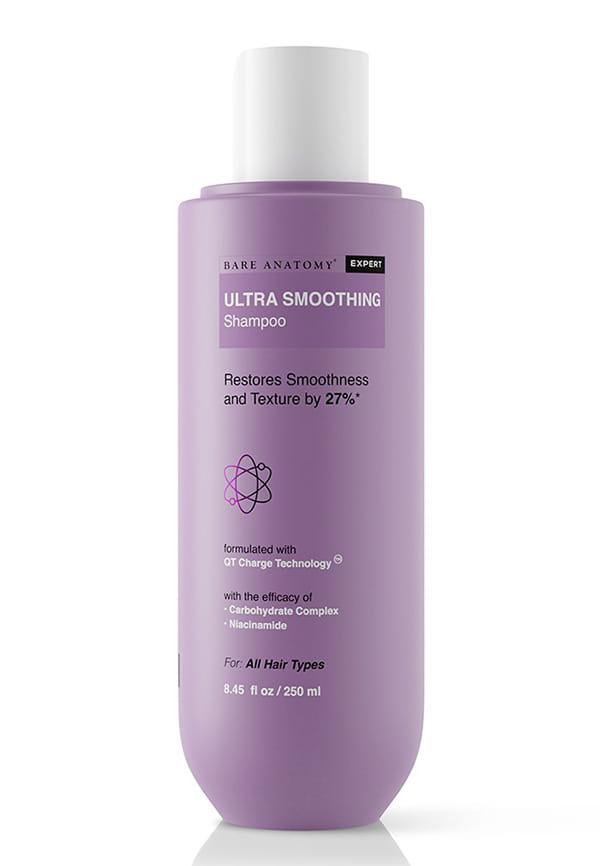
Expert Ultra Smoothing Shampoo To Restore Smoothness, Repair Damaged Hair And Locks In Moisture
Natural hair repair focuses on gentle, nourishing ingredients like oils, proteins from eggs, and moisturising elements like honey and avocado. Create weekly treatment masks, use gentle cleansing methods, protect your hair from heat and friction, and maintain a healthy diet. Results typically show within 2-4 weeks of consistent care.
For quick improvements, focus on intensive moisture treatments using natural oils like argan or coconut oil as overnight treatments. Use protein masks twice weekly, switch to silk pillowcases immediately, and apply leave-in treatments daily. Whilst you'll see some improvement within days, significant repair takes consistent effort over weeks.
The timeline depends on damage severity and your hair's natural growth rate. Surface damage like dryness can improve within 1-2 weeks, whilst structural damage may take 2-3 months to show significant improvement. Remember, severely damaged hair may need trimming as healthy hair grows in.
Look for products containing bond-building ingredients, proteins like keratin or silk amino acids, moisturising elements like hyaluronic acid, and protective silicones. Avoid products with harsh sulphates, excessive alcohol, or too many synthetic fragrances that can further irritate damaged hair.
Repairing damaged hair is absolutely possible with the right approach and realistic expectations. Start with gentle handling, incorporate weekly deep treatments, and be consistent with your routine. Remember that hair repair is a journey, not a quick fix — but with patience and the right techniques, you can definitely restore your hair's health and shine.
The key is finding what works for your specific hair type and damage level. Some hair might respond better to protein treatments, whilst others need intensive moisture. Pay attention to how your hair feels and looks after different treatments, and adjust accordingly.
Not sure which hair repair products might work best for your specific concerns? Smytten offers trial-size versions of many professional-grade treatments — a smart way to test different formulations before committing to full-size products. After all, finding your perfect hair repair routine shouldn't involve guesswork or expensive mistakes.
