How to Repair Hair Breakage: Expert Healing Techniques


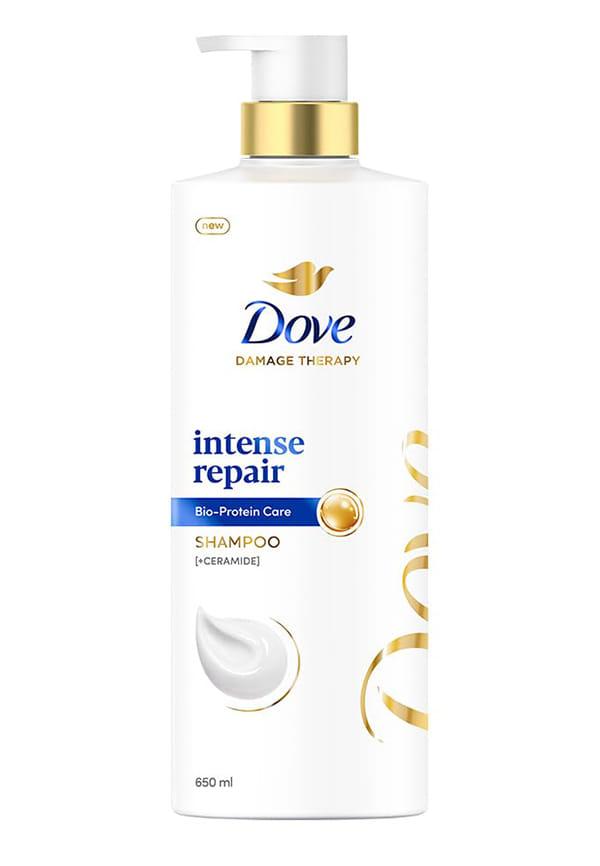
Intense Repair Shampoo
Hair breakage can feel like your worst nightmare—those tiny broken strands scattered on your pillow, the rough texture when you run your fingers through your hair, and the frustration of watching your length disappear despite your best efforts. But here's the thing: hair repair for breakage isn't just possible, it's totally doable with the right approach. Whether you're dealing with heat damage, chemical processing aftermath, or just general wear and tear, there are proven techniques that can bring your hair back to life. Let's dive into the expert healing methods that actually work, from professional treatments to DIY remedies you can try at home.
Before jumping into hair breakage treatment, let's get clear on what we're actually dealing with. Hair breakage is different from hair loss—it's when your hair shaft snaps or splits along its length, rather than falling out from the root. Think of it like a rope that's been frayed and weakened over time.
The usual suspects behind damaged hair repair needs include heat styling without protection, chemical treatments like bleaching or perming, aggressive brushing (especially when wet), and even environmental factors like sun exposure and pollution. Your hair is basically crying out for help when you notice split ends creeping up the shaft, a rough or straw-like texture, excessive shedding during washing, or that telltale snap when you gently stretch a strand.
Here's a quick way to check your hair's condition: try the porosity test. Take a clean strand of hair and drop it in a glass of water. If it sinks quickly, your hair is highly porous and likely damaged. If it floats, you've got low porosity hair that might just need better product penetration. This simple test helps you understand whether you need intensive repair or just better maintenance.
Sometimes your hair needs the big guns, and that's where professional treatments come in. These aren't just fancy salon upsells—they're scientifically formulated solutions that can seriously turn things around for severely damaged hair.
Hair protein treatment is like giving your hair a structural renovation. Your hair is made up of keratin proteins, and when these get damaged, protein treatments help fill in the gaps and strengthen the hair shaft. Professional treatments use hydrolysed proteins that are small enough to penetrate the hair cuticle and rebuild from within.
Hair conditioning treatments at salons go way beyond your regular conditioner. These intensive treatments use concentrated ingredients that can penetrate deeper and stay longer. Keratin treatments, meanwhile, smooth the hair cuticle and add a protective layer that reduces future breakage. Expect to see results within 2-3 sessions, with full benefits showing after about 6-8 weeks of consistent treatment.
The investment ranges from ₹2,000 to ₹8,000 per session depending on your location and hair length, but the results can last 3-4 months with proper maintenance. It's worth considering if you're dealing with severe damage that home treatments aren't touching.
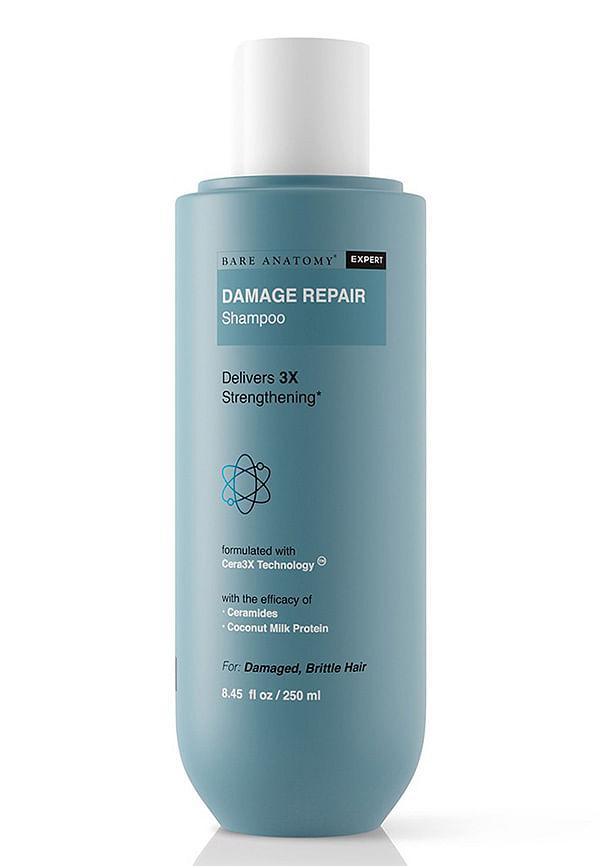
Expert Damage Repair Shampoo To Repair And Strengthen Up To 3X
Not ready to splurge on salon treatments? Fair enough. There are plenty of science-backed home remedies that can work wonders for hair repair for breakage. The key is consistency and using the right ingredients for your specific hair needs.
Eggs aren't just for breakfast—they're packed with proteins that can temporarily fill in damaged areas of your hair shaft. Mix one whole egg with a tablespoon of honey and apply from mid-length to ends. Leave it on for 20 minutes before rinsing with cool water (hot water will cook the egg, and trust me, that's not the vibe you're going for).
When your hair feels like straw, it's screaming for moisture. A hair mask for breakage using avocado, coconut oil, and honey can work absolute magic. Mash half an avocado with two tablespoons of coconut oil and one tablespoon of honey. This combo provides deep hydration while the natural oils create a protective barrier.
Rice water isn't just a skincare trend—it's been used for hair strengthening for centuries. The amino acids and vitamins in rice water can help repair damaged hair and add shine. Rinse your rice, soak it in water for 30 minutes, strain, and use the water as a final rinse after shampooing.
Apply these treatments once or twice a week, depending on your hair's condition. Over-treating can actually cause more damage, so start slow and see how your hair responds.
Here's the real talk: prevention is always easier than repair. Once you've got your hair back on track, you'll want to keep it that way. Hair breakage prevention starts with how you handle your hair daily.
When washing, use lukewarm water instead of hot, and always apply conditioner from mid-length to ends. Your scalp produces natural oils, so it doesn't need the extra moisture that can weigh it down. For heat styling, never skip the heat protectant, and keep temperatures below 180°C for fine hair and 200°C for thick hair.
Your choice of brush matters more than you think. Wide-tooth combs for wet hair, boar bristle brushes for dry hair, and always detangle from the ends up. Sleep on silk or satin pillowcases, or use a silk scarf to reduce friction that causes breakage overnight.
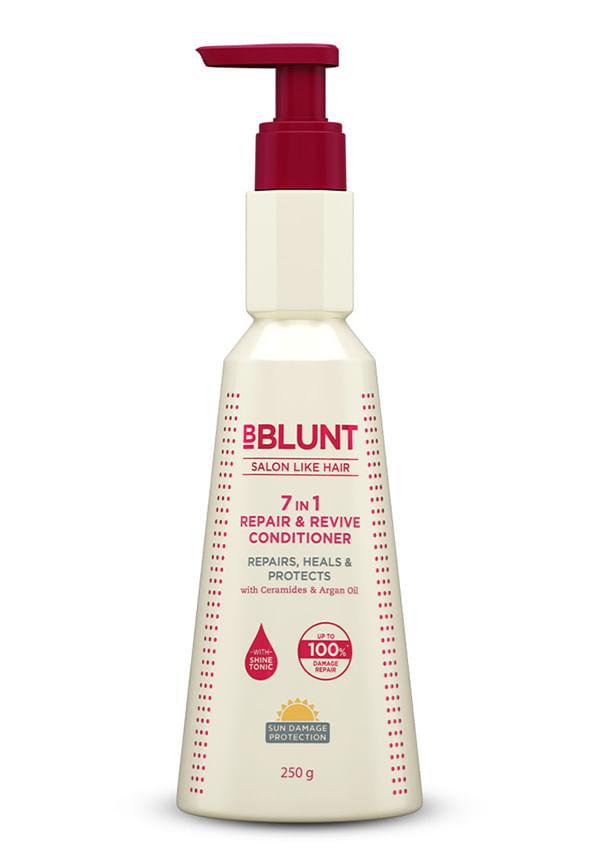
7 in 1 Repair & Revive Conditioner for Upto 100% Damage Repair
UV rays can damage your hair just like your skin, so consider leave-in treatments with SPF during summer. Your diet also plays a huge role—protein, iron, and vitamins A, C, and E all contribute to healthy hair tips that actually work from the inside out.
Let's address the elephant in the room: split ends repair. The honest truth is that once your hair splits, the only permanent solution is cutting it off. But before you panic, there are ways to temporarily seal split ends and prevent new ones from forming.
Different types of splits require different approaches. Basic splits can be temporarily sealed with silicone-based serums, while more severe damage like tree splits or feathering usually need professional trimming. The good news? You don't always need to chop off inches—a technique called dusting removes just the damaged ends.
Products with ingredients like cyclomethicone can temporarily glue split ends together, making your hair look and feel smoother. While this isn't a permanent fix, it buys you time between trims and prevents further splitting up the hair shaft.
Regular trims every 8-12 weeks, depending on your hair's condition, keep split ends from travelling up and causing more damage. Think of it as maintenance rather than losing length—you're actually preserving your hair's health for better growth.
Creating a sustainable routine is where the magic happens. Your morning routine should focus on protection—a leave-in conditioner or hair oil on the ends, gentle styling, and heat protection if you're using tools. Evening is repair time—this is when you can apply overnight treatments or simply give your hair a break from styling.
Weekly intensive treatments become your hair's spa day. Whether it's a protein treatment, deep conditioning mask, or oil treatment, consistency is what brings results. Track your progress with photos—it's easy to forget how far you've come when you see your hair every day.
You don't need to break the bank for effective hair conditioning and repair. Many drugstore brands offer excellent protein treatments and deep conditioners. The key is reading ingredients and choosing products with proven actives like keratin, ceramides, and natural oils.
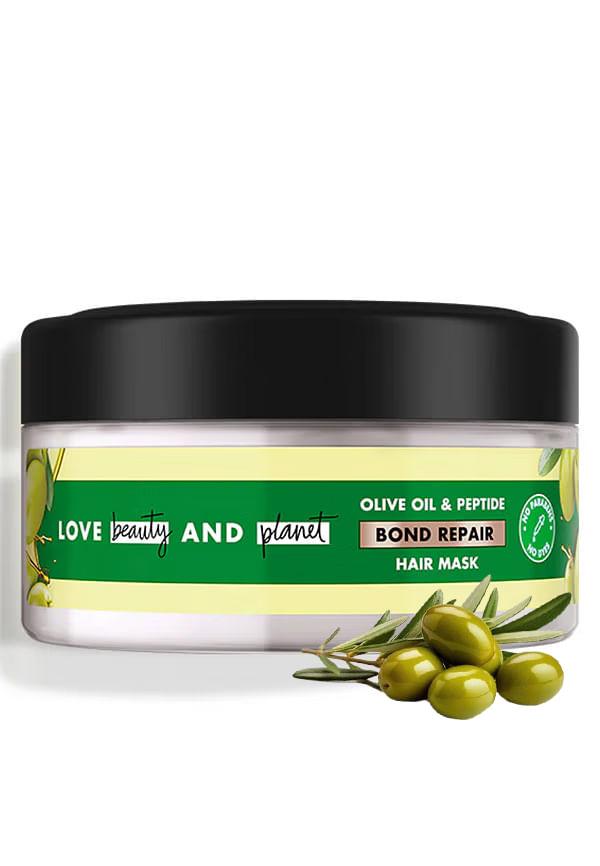
Olive oil & Peptide Bond Repair Hair Mask
This is where platforms like Smytten become incredibly useful for your haircare journey. Instead of committing to full-size products that might not work for your hair type, you can try mini versions from trusted brands. With over 1,500 brands available, you can experiment with different hair repair for breakage treatments, from protein masks to leave-in conditioners, all through affordable trial packs. The platform's Trial Points system means you can get up to 8 minis for just ₹249, making it budget-friendly to find your perfect hair repair routine.
Hair breakage can be significantly improved through consistent protein treatments, deep conditioning, and protective care routines. While severely damaged sections may need trimming, healthy hair practices can restore strength and prevent further breakage.
Most people notice improvements within 4-6 weeks of consistent treatment, with full repair taking 3-6 months depending on the severity of damage and how well you stick to your routine.
Protein treatments rebuild the hair's structure and are best for chemically damaged or over-processed hair. Moisture treatments add hydration and are ideal for dry, brittle hair. Most damaged hair needs both, but in the right balance.
Professional treatments can be more effective for severe damage, but many at-home options work well for mild to moderate breakage. The key is choosing the right treatment for your specific hair needs and damage level.
Generally every 8-12 weeks, but this depends on your hair's condition and styling habits. If you use a lot of heat or have chemically treated hair, you might need trims every 6-8 weeks.
Hair repair for breakage isn't about finding one miracle product—it's about understanding your hair's specific needs and creating a routine that addresses them consistently. Whether you choose professional treatments, DIY remedies, or a combination of both, the key is patience and persistence.
Remember, healthy hair tips aren't just about what you put on your hair, but how you treat it daily. Gentle handling, proper nutrition, and protection from environmental damage all play crucial roles in maintaining strong, healthy hair. With the right approach and quality products—which you can easily discover through trial sizes on platforms like Smytten—you can transform damaged, breaking hair into the strong, beautiful hair you've been dreaming of. After all, why settle for damaged hair when you can try different solutions and find what works best for you?
