How to Repair Hair Barrier: Steps to Restore Hair Health

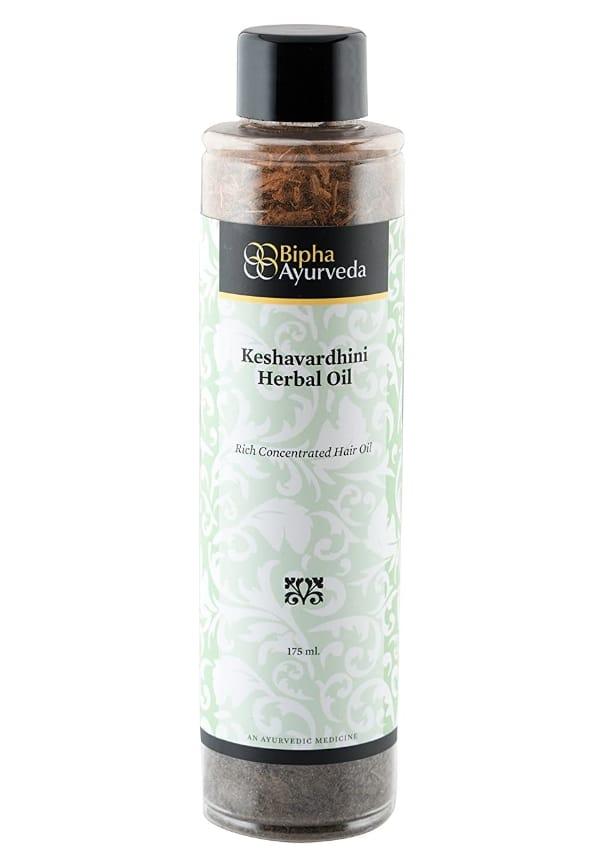
Keshavardhini Thailam
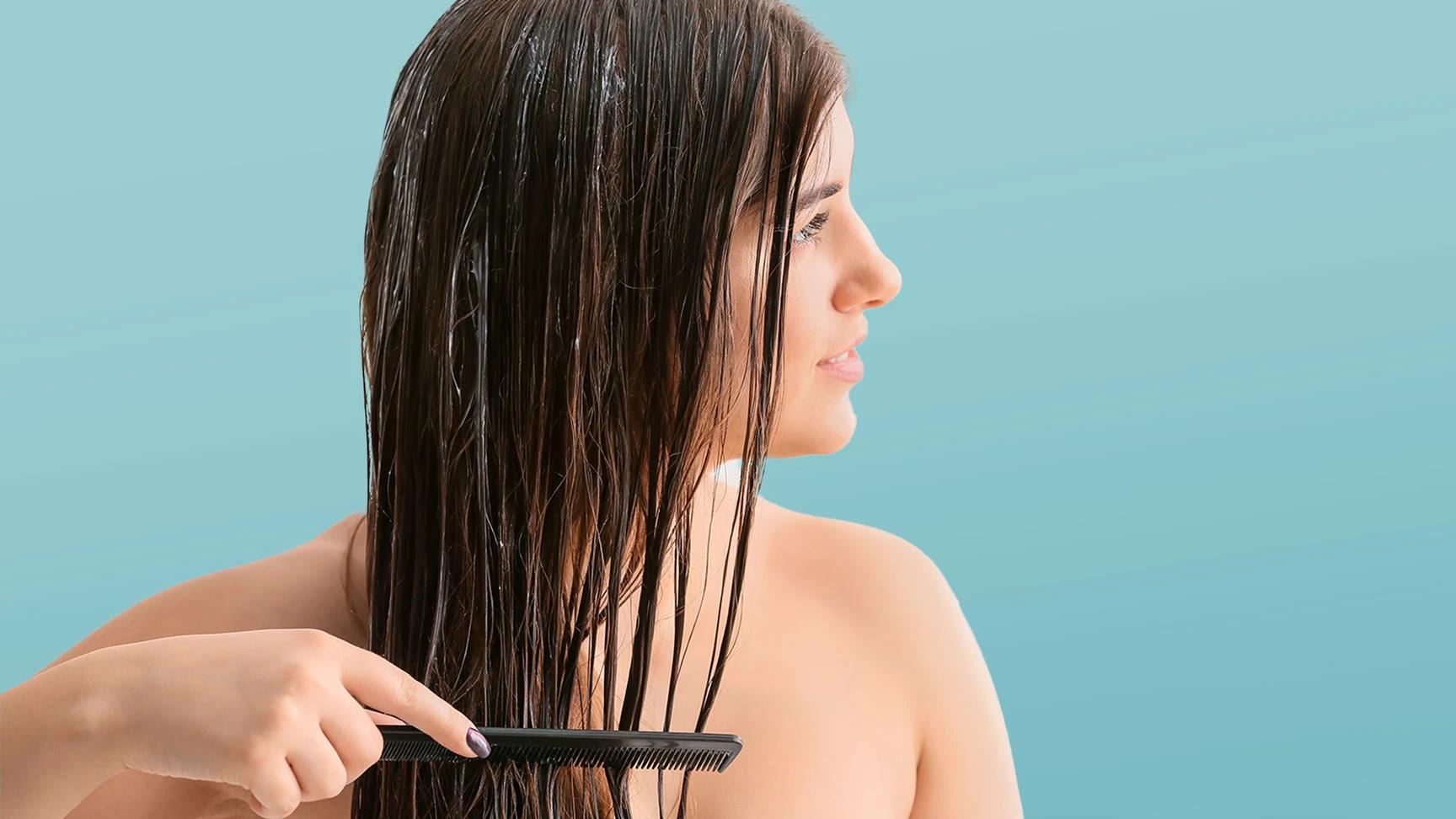
Your hair's been through a lot lately—heat styling, chemical treatments, environmental stress—and now it's crying out for help. If you've noticed increased breakage, dryness, or that rough texture that just won't smooth out, your hair barrier might be compromised. The good news? Hair barrier repair isn't some mystical process that takes forever. With the right hair barrier repair steps, you can start seeing improvements in as little as a few days, though full restoration takes a bit more patience. Whether you're dealing with mild damage or more serious structural issues, understanding how to strengthen hair cuticle and restore your hair's natural protective layer is the key to getting back that healthy, manageable hair you've been missing. Let's dive into the science-backed methods that actually work, plus some brilliant at-home tricks that won't break the bank. Smytten's extensive collection of haircare minis lets you trial different repair treatments without committing to full-size products, making it easier to find what works for your specific hair needs.
TL;DR
Hair barrier damage shows up as increased porosity, breakage, and rough texture—but it's totally repairable with the right approach
Essential repair steps include gentle cleansing, protein-moisture balance, and protective styling to rebuild hair structure
Natural treatments like rice water and oil sealing work brilliantly alongside professional bond-building treatments
Consistency is key—you'll see initial improvements in 48-72 hours, but full barrier restoration takes 2-8 weeks depending on damage severity
Prevention through heat protection and pH-balanced products keeps your repaired barrier healthy long-term
Think of your hair barrier as your hair's natural armour—it's the outermost layer of overlapping cuticle scales that protect the inner hair shaft from damage. When this hair moisture barrier is intact, your hair feels smooth, looks shiny, and retains moisture beautifully. But when it's compromised, you're left with porous, fragile strands that seem to drink up moisture only to lose it just as quickly.
The culprits behind barrier damage are pretty much everywhere in our daily routines. Heat styling tools, chemical treatments like colouring or relaxing, harsh weather conditions, and even aggressive brushing can lift and damage those protective cuticle scales. Over-washing with harsh shampoos or using products with the wrong pH can also strip away your hair's natural protective oils, leaving the cuticle vulnerable.
Hair porosity repair becomes necessary when you notice your hair drinks up water quickly but dries out just as fast. Other red flags include increased tangles, rough texture even after conditioning, and breakage that seems to happen out of nowhere. The classic test? Drop a clean strand of hair into water—if it sinks quickly, your cuticles are too open and need some TLC.
Right, let's get into the actual hair barrier repair steps that'll start turning things around. The beauty of barrier repair is that you can see some improvements pretty quickly if you follow the right sequence.
Start with gentle cleansing using pH-balanced shampoos (ideally between 4.5-5.5 pH). This helps close the cuticle scales rather than lifting them further. Skip the harsh sulfates for now—your damaged cuticles don't need any extra aggravation.
For immediate relief, try this sequence: gentle cleanse, apply a protein treatment for 5-10 minutes, rinse, then follow with a moisture-rich conditioner. Seal everything with a light oil on damp hair. This combo helps temporarily fill in gaps in the cuticle while providing the moisture your hair desperately needs.
Consistency beats intensity every time. Aim for one protein treatment and one deep moisture treatment per week, alternating them. Your hair needs both structural support (protein) and flexibility (moisture) to rebuild properly. Too much of either can actually make things worse.
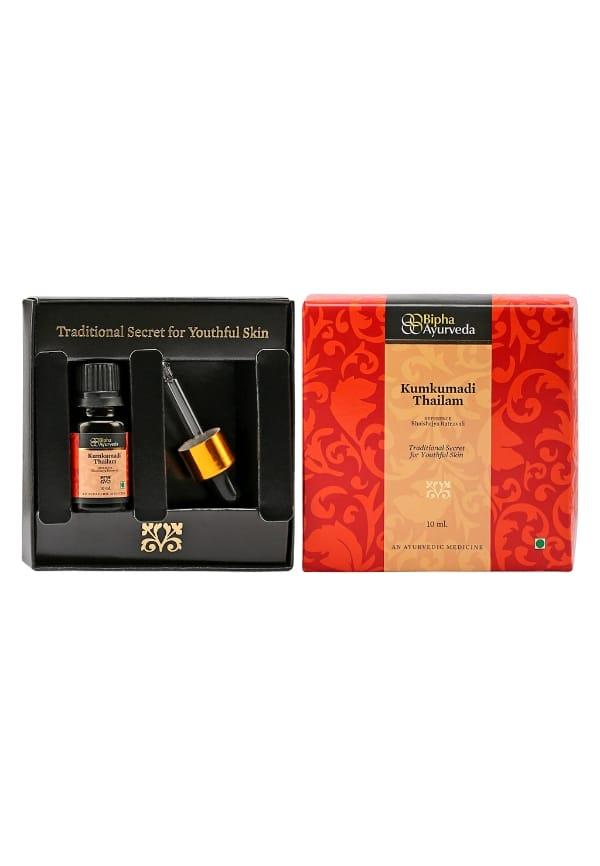
Kumkumadi Thailam
When it comes to how to strengthen hair cuticle, you've got two main approaches: protein treatments that rebuild structure and moisture treatments that restore flexibility. The trick is finding the right balance for your specific damage level.
Hair protein treatment works by temporarily filling in gaps in the hair shaft with amino acids and proteins. Think of it like spackling holes in a wall—you're giving your hair the building blocks it needs to rebuild. Look for treatments containing hydrolyzed proteins, keratin, or amino acids.
Salon treatments like Olaplex or K18 work at the molecular level to rebuild broken bonds, which is brilliant for severely damaged hair. At-home options include protein masks, leave-in treatments, and even DIY options like rice water rinses. The key difference? Professional treatments tend to work faster and last longer, but at-home options are gentler and more budget-friendly.
After protein comes moisture—and this isn't just about slathering on any old conditioner. Look for treatments with ceramides, fatty alcohols, and natural oils that can actually penetrate the hair shaft. Deep conditioning masks should be left on for at least 10-15 minutes to really work their magic.
Let's be real—you don't always need expensive salon treatments to see results. Some of the most effective damaged hair treatment options are probably sitting in your kitchen right now.
Rice water has become a bit of a sensation, and for good reason. It's packed with amino acids and vitamins that can help strengthen hair cuticle naturally. Ferment rice water for 24-48 hours, then use it as a rinse after shampooing. The slightly acidic pH helps smooth the cuticle scales down.
Not all oils are created equal when it comes to hair shaft repair. Coconut oil, argan oil, and jojoba oil have small enough molecules to actually penetrate the hair shaft rather than just sitting on top. Apply to damp hair, leave for 30 minutes to overnight, then shampoo out gently.
Apple cider vinegar rinses help restore your hair's natural pH and smooth the cuticle. Mix one part ACV with three parts water and use as a final rinse. Aloe vera gel works brilliantly as a leave-in treatment—it's naturally pH-balanced and contains amino acids that help repair damage.
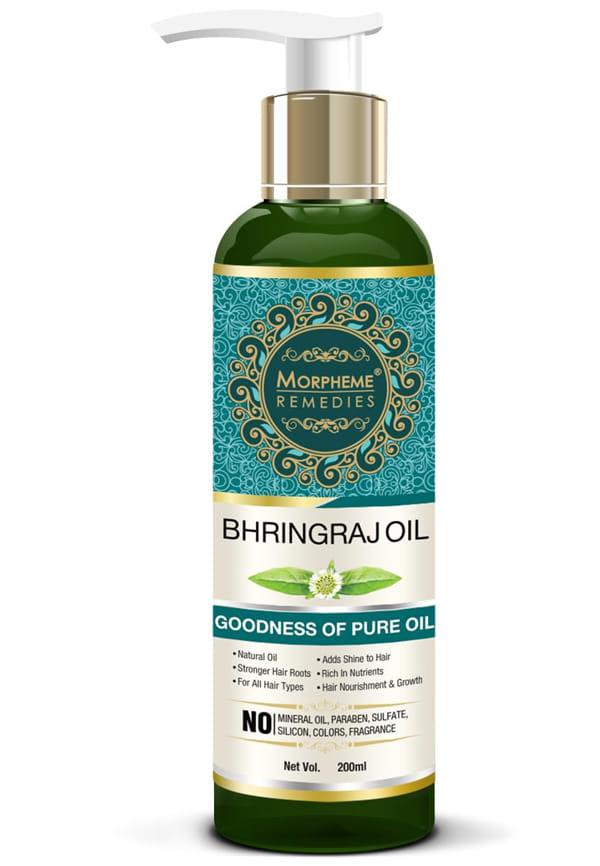
Remedies Bhringraj Oil - No Mineral Oil, Silicones
Sometimes DIY treatments just aren't enough, especially if you're dealing with serious chemical damage or mechanical breakage. This is where professional hair breakage solutions and advanced treatments come into play.
Bond-building treatments work differently from traditional protein treatments—they actually rebuild the chemical bonds within your hair shaft rather than just coating it. These treatments can improve hair elasticity dramatically and are worth the investment if your hair is severely compromised.
If you've been consistent with at-home treatments for 6-8 weeks without seeing improvement, it's time to consult a professional. Signs you need expert help include continued excessive breakage, hair that feels gummy when wet, or sections that won't hold moisture no matter what you try.
High porosity hair needs special attention because the cuticles are permanently raised. Focus on protein treatments to rebuild structure, followed by heavy moisturizers and sealants. The goal is to temporarily fill those gaps and create a barrier that helps retain moisture.
Once you've put in the work to restore hair health, maintaining it becomes much easier. The key is building protective habits into your daily routine rather than waiting for damage to happen.
Heat protection is non-negotiable—use a heat protectant every single time you style, and keep tools below 180°C when possible. Silk or satin pillowcases reduce friction while you sleep, and regular trims prevent split ends from travelling up the hair shaft.
Choose products specifically formulated for your hair's porosity level. Low porosity hair needs lightweight, water-based products, while high porosity hair benefits from heavier creams and oils. Always check the pH of your shampoo—anything above 6.5 can lift the cuticle and undo your repair work.
UV rays, pollution, and harsh weather can all damage your newly repaired barrier. Use leave-in treatments with UV protection, cover your hair in extreme weather, and consider protective styles when you're spending lots of time outdoors.
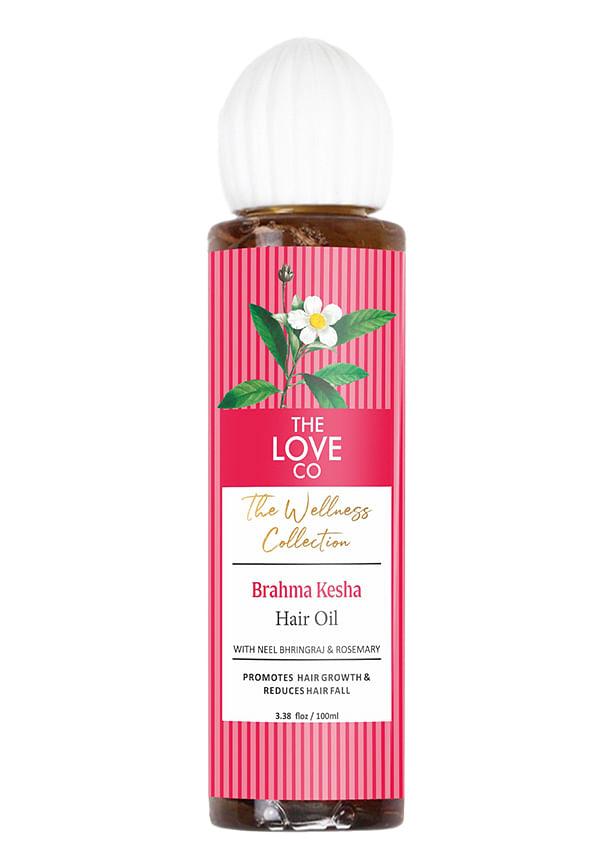
Brahma Kesha Hair Oil - 100ml
For mild damage, initial improvements may be visible within 2-4 weeks of consistent care, though full restoration varies by individual. Moderate damage typically takes 4-8 weeks to show significant improvement, while severe damage from chemical processing or heat damage can take 3-6 months of dedicated treatment. Remember, hair grows about half an inch per month, so complete renewal takes time.
While you can't fully repair severe damage in 3 days, you can definitely see initial improvements. Emergency repair protocols using protein treatments followed by deep conditioning can temporarily smooth the cuticle and reduce breakage within 48-72 hours. This gives you a good foundation to build on with longer-term treatments.
The fastest approach combines immediate protein support with moisture sealing. Try a rice water rinse followed by a protein mask, then seal with oil on damp hair. This combination addresses both structural damage and moisture loss simultaneously. Consistency with this routine will show results within a week.
The porosity test is your best friend here—drop a clean strand in water and see how quickly it sinks. Other signs include hair that tangles easily, feels rough even after conditioning, breaks with minimal manipulation, and loses moisture quickly after washing. If your hair drinks up products but still feels dry, that's a classic sign of barrier damage.
Natural methods work brilliantly for mild to moderate damage and are excellent for maintenance, but professional treatments tend to work faster for severe damage. The best approach often combines both—using professional treatments for initial repair and natural methods for ongoing maintenance. Smytten's trial packs let you test professional treatments affordably before committing to full sizes.
Hair barrier repair isn't about finding one miracle product—it's about understanding your hair's specific needs and building a routine that addresses both protein and moisture balance. Start with gentle cleansing and pH-balanced products, then layer in targeted treatments based on your damage level. Natural methods like rice water rinses and oil treatments work brilliantly for maintenance and mild damage, while professional bond-building treatments are worth the investment for severe cases.
Remember that consistency beats intensity every time. It's better to do moderate treatments regularly than to overwhelm your hair with aggressive treatments occasionally. Your hair barrier didn't get damaged overnight, and it won't repair overnight either—but with the right approach, you'll start seeing improvements within days and significant changes within weeks.
Repairing your hair barrier might seem overwhelming at first, but it's absolutely achievable with the right knowledge and products. The key is finding treatments that work for your specific hair type and damage level—and that's where Smytten really shines. As India's largest product discovery platform, Smytten connects you with over 2,400 trusted beauty and haircare brands through curated trial packs. Instead of gambling on full-size products that might not work for your hair, you can try before you buy with authentic brand-verified minis from top names like WishCare, Swiss Beauty, and Love, Beauty & Planet. With up to 10 Trial Points for just ₹279 and 100% cashback on trials redeemable for future purchases, you can experiment with different repair treatments without the financial risk. Plus, with PAN-India delivery and 100% authentic products directly sourced from brands, you can access professional-grade treatments no matter where you are. After all, why settle for damaged hair when you can #TryItAll and find the perfect repair routine for your unique needs?
