How to Repair Breakage with Powerful Hair Masks


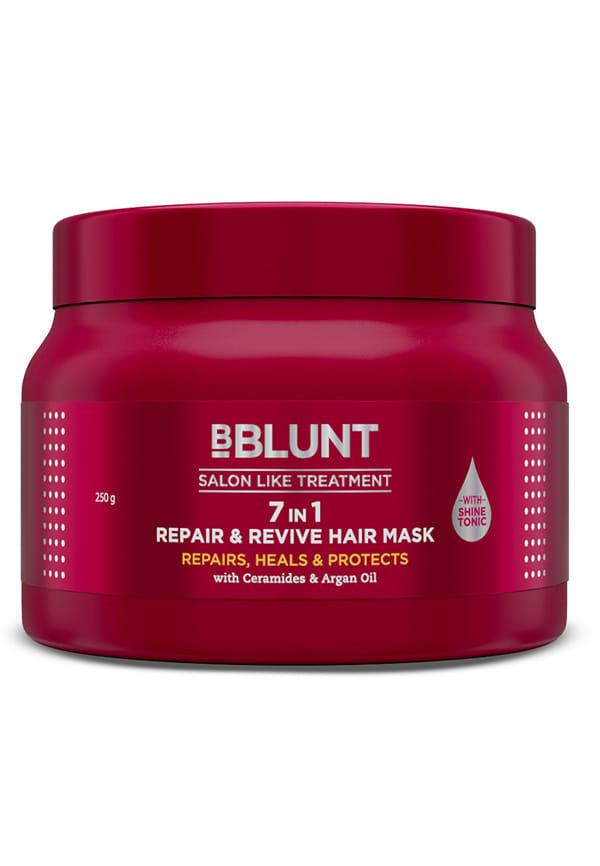
7 in 1 Repair & Revive Hair Mask for Upto 100% Damage Repair
Let's be real—watching your hair snap and break every time you brush it is absolutely heartbreaking. Whether it's from too much heat styling, chemical treatments, or just life being life, damaged hair can feel like a never-ending battle. But here's the thing: hair repair masks for breakage might just be your hair's new best friend. These powerful treatments work deep within your hair shaft to rebuild, strengthen, and restore what's been lost. Think of them as intensive therapy sessions for your strands—because sometimes your hair needs more than just a quick wash and go.
Before diving into solutions, it's worth understanding what's actually happening to your hair. Breakage isn't just bad luck—it's your hair crying out for help. When the protective cuticle layer gets damaged, your hair becomes vulnerable to further harm, creating a cycle that's tough to break without proper intervention.
Your hair faces daily battles you might not even realise. Chemical processing like colouring, perming, or relaxing strips away natural proteins and moisture, leaving strands weak and prone to snapping. Heat styling tools, whilst giving you that perfect look, literally cook your hair at temperatures that would make you jump if applied to your skin.
Environmental factors play a massive role too. UV rays break down hair proteins just like they damage your skin, whilst pollution creates a film that weighs down and weakens strands. Even something as simple as aggressive brushing when hair is wet can cause mechanical damage that leads to breakage over time.
Your hair has its own way of telling you it needs help. Visible split ends are the most obvious sign, but there are subtler clues too. If you're noticing excessive shedding during washing or styling, your hair might be breaking rather than naturally falling out.
Texture changes are another red flag. When healthy hair becomes dry, brittle, or loses its natural elasticity, it's time for intervention. Loss of shine and manageability often signals that the cuticle layer is damaged and needs repair.
Understanding the science behind these treatments helps you choose the right approach for your specific needs. Hair masks for damaged hair work on multiple levels, from surface smoothing to deep structural repair.
Think of your hair like a rope made of tiny fibres. When damage occurs, these fibres start to fray and separate. Protein treatments work by filling in gaps and rebuilding the internal structure, whilst moisture treatments focus on flexibility and smoothness.
Modern hair repair products use molecular repair technology that can actually penetrate the hair shaft and rebuild broken bonds. This isn't just surface-level conditioning—it's genuine structural repair that makes hair stronger from the inside out.
Not all ingredients are created equal when it comes to repairing damage. Protein treatments featuring keratin, hydrolyzed proteins, and peptides work to rebuild the hair's internal structure. These ingredients are small enough to penetrate the hair shaft and fill in damaged areas.
Moisture boosters like hyaluronic acid, glycerin, and natural oils focus on flexibility and shine. They help prevent future breakage by keeping hair supple and manageable. Bond repair ingredients such as amino acids work at the molecular level to reconnect broken protein chains within the hair shaft.
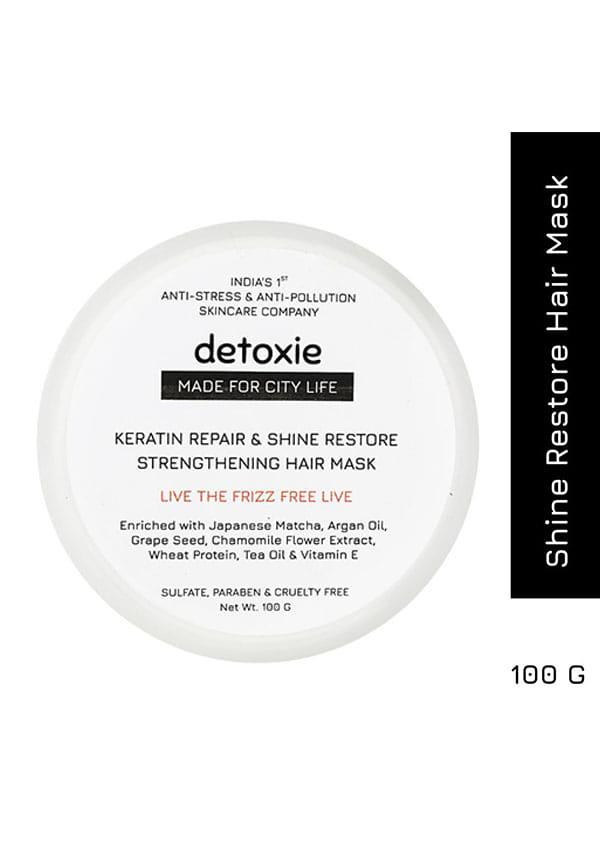
Keratin Repair & Shine Restore Strengthening Hair Mask
You've got options when it comes to treating breakage, from salon-quality treatments to kitchen cabinet solutions. The key is understanding what your hair needs and choosing accordingly.
For severe damage, look for protein hair masks with high concentrations of keratin and amino acids. These intensive treatments can dramatically improve hair strength in just a few uses. Brands often formulate these specifically for chemically treated or heat-damaged hair.
If your hair feels more dry than damaged, moisture-rich masks with natural oils and ceramides might be your answer. These focus on improving flexibility and shine whilst preventing future breakage. For chemically treated hair, pH-balancing masks help restore your hair's natural acid mantle.
Sometimes the best solutions are sitting in your kitchen. A DIY hair mask for breakage using eggs provides natural proteins that can temporarily fill in damaged areas. Mix one egg with honey and coconut oil for a treatment that addresses both protein and moisture needs.
For intense moisture, try mashing an avocado with banana and olive oil. This combination provides healthy fats and vitamins that can improve hair flexibility. Greek yoghurt mixed with honey and argan oil creates a protein-rich treatment that's gentler than egg-based masks.
Application technique can make or break your results—literally. Getting this right ensures your hair breakage treatment actually reaches the areas that need it most.
Start with damp, not soaking wet hair. Excess water dilutes the treatment and prevents proper penetration. Section your hair into manageable parts and focus application from mid-length to ends—these are the oldest, most damaged parts of your hair.
Work the product through with your fingers or a wide-tooth comb, ensuring even distribution. The processing time depends on your hair's damage level and the product's instructions, but generally ranges from 10-30 minutes for most treatments.
Severely damaged hair can handle 2-3 treatments per week initially, but monitor how your hair responds. Over-treating can lead to protein overload, making hair feel stiff and brittle. Moderately damaged hair typically benefits from weekly treatments.
Once you see improvement, scale back to bi-weekly maintenance treatments. Your hair will tell you what it needs—if it starts feeling stronger and more manageable, you're on the right track.
One size definitely doesn't fit all when it comes to hair repair. Understanding your hair's specific needs helps you choose treatments that actually work rather than just temporarily masking problems.
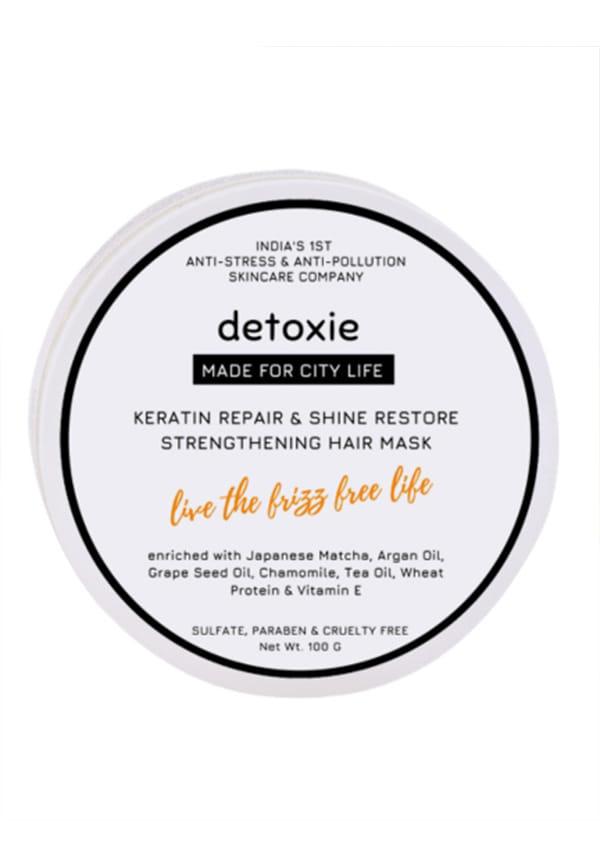
Keratin Repair & Shine Restore Strengthening Hair Mask
High porosity hair, often the result of chemical processing or heat damage, typically needs protein to rebuild its structure. These hair types absorb products quickly but also lose moisture fast. Low porosity hair, on the other hand, has trouble absorbing products and usually needs moisture-focused treatments.
The key is finding balance. Too much protein makes hair brittle, whilst too much moisture can make it limp and weak. Pay attention to how your hair feels after treatments—it should be strong but flexible, shiny but not greasy.
Fine hair needs lightweight treatments that won't weigh it down. Look for hair masks for dry hair that focus on protein rather than heavy oils. Thick, coarse hair can handle richer formulations with natural oils and butters.
Curly and textured hair typically needs more moisture than protein, as these hair types are naturally drier. Colour-treated hair benefits from pH-balanced, sulphate-free treatments that won't strip artificial colour whilst repairing damage.
Even with the best intentions, it's easy to sabotage your hair repair efforts. Avoiding these common pitfalls can dramatically improve your results and speed up the healing process.
Many people apply masks to clean hair, but slightly dirty hair actually holds treatments better. The natural oils help the product adhere and penetrate more effectively. Another common mistake is applying product to the roots—focus on mid-lengths and ends where damage is most severe.
Timing matters too. Leaving treatments on too long can cause protein overload, whilst not leaving them on long enough prevents proper penetration. Follow product instructions, but also pay attention to how your hair feels during processing.
Choosing the wrong protein-moisture balance is probably the biggest mistake people make. If your hair feels stiff after protein treatments, switch to moisture-focused masks. If it feels limp after moisturising treatments, try adding some protein.
Avoid masks with harsh sulphates or drying alcohols, especially if your hair is already damaged. These ingredients can undo the good work you're trying to accomplish with your repair routine.
Ready to take your hair repair game to the next level? These advanced techniques can help you see results faster and maintain them longer.
Gentle heat can help treatments penetrate deeper into the hair shaft. Try wrapping your hair in a warm, damp towel or using a hair steamer whilst your mask processes. Scalp massage improves circulation, bringing nutrients to hair follicles and supporting healthy growth.
Protective styling between treatments gives your hair a break from daily manipulation. Consider silk pillowcases and gentle handling practices—these small changes add up to significant improvements over time.
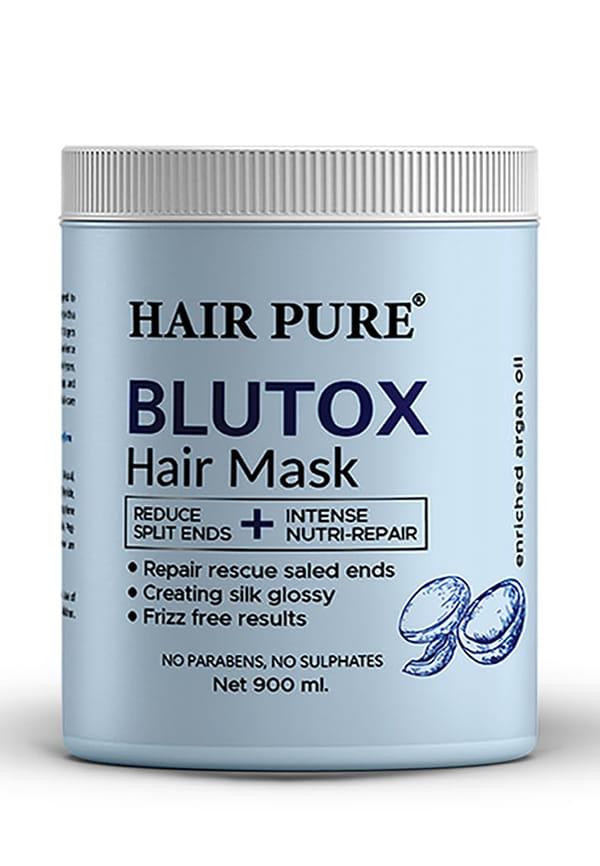
Blutox Hair Mask for Reduces Split Ends & Intense Nutri-Repair Treatment
What you eat affects your hair's ability to repair itself. Protein, vitamins, and minerals provide the building blocks your hair needs to grow strong and healthy. Staying hydrated helps maintain your hair's natural moisture balance from the inside out.
Stress management and quality sleep support your body's natural repair processes. When you're well-rested and relaxed, your hair has the best chance to recover and regenerate.
Finding the right products for your specific hair needs doesn't have to involve expensive trial and error. Smytten offers curated trial packs from trusted haircare brands, letting you explore different hair strengthening masks and treatments before committing to full-size purchases. With over 1,500 brands available and the ability to try up to 8 minis for just ₹249, you can discover what works for your hair without the financial risk.
The best hair repair masks for breakage contain a balanced combination of proteins like keratin and moisturising ingredients. Professional options include intensive repair treatments, whilst effective DIY alternatives combine eggs, honey, and natural oils for comprehensive repair.
Repair hair breakage by using protein treatments to rebuild damaged bonds, deep conditioning masks for moisture, and protective styling techniques. Focus on keratin-based products and minimise heat styling whilst your hair recovers.
Yes, regular use of appropriate hair masks can significantly reduce breakage by strengthening hair structure, improving elasticity, and maintaining optimal moisture levels. Consistency is key for lasting results.
For severely damaged hair, use masks 2-3 times weekly initially. Moderately damaged hair benefits from weekly treatments, whilst healthy hair needs bi-weekly maintenance masks. Adjust frequency based on how your hair responds.
Yes, overusing protein treatments can cause hair to become brittle and stiff. Balance protein treatments with moisturising masks, and reduce frequency if your hair starts feeling rigid or breaking more than usual.
Hair masks typically contain higher concentrations of active ingredients and are designed for longer processing times. Deep conditioners focus mainly on moisture, whilst masks can target specific issues like breakage, damage, or split end repair.
Repairing hair breakage isn't an overnight process, but with the right approach, you can see significant improvements in just a few weeks. The key is understanding your hair's specific needs and choosing treatments that address both protein and moisture balance. Whether you opt for professional products or DIY solutions, consistency is what delivers real results.
Remember that prevention is just as important as treatment. Gentle handling, protective styling, and regular maintenance treatments can prevent future damage whilst your hair heals. With patience and the right products, even severely damaged hair can be restored to health and strength.
The journey to healthier hair is all about making informed choices and finding what works for your unique needs. Smytten's platform makes this exploration affordable and risk-free, with 100% cashback on trial purchases redeemable for future orders. With over 25 million users discovering their perfect products through trial-sized options, you can confidently explore different treatments until you find your hair's perfect match. After all, why settle for damaged hair when you can #TryItAll and find the solution that brings your strands back to life?
