How to Remove Product Buildup From Your Scalp Effectively


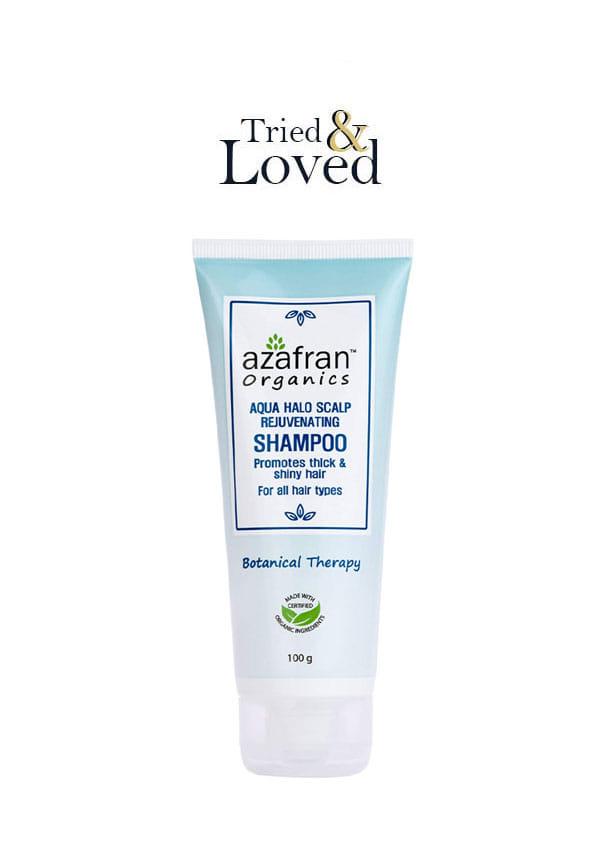
Aqua Halo Scalp Rejuvenating Shampoo
You know that moment when your hair feels heavy and lifeless despite washing it yesterday? Or when your scalp feels itchy and you can see white flakes that aren't quite dandruff? Real talk — that's probably product buildup doing its thing. Between dry shampoos, leave-in treatments, and styling products, our scalps can turn into a bit of a dumping ground. The good news? Getting rid of that stubborn buildup isn't as complicated as it sounds, and your hair will thank you for it.
Let's break down what's actually happening up there. Scalp buildup is basically a cocktail of sebum (your natural oils), dead skin cells, and leftover product residue that decides to camp out on your scalp. Think of it as your scalp's way of collecting everything you've put on it — and not letting go.
Your scalp naturally produces oils to keep things moisturised, but when these oils mix with styling products, environmental pollutants, and dead skin cells, they create a waxy layer that's tough to shift with regular shampoo. It's like trying to clean a greasy pan with just water — not happening.
Heavy styling products are the usual suspects here. Silicone-based serums, thick hair oils, waxes, and even some conditioners can accumulate over time. If you're someone who loves a good hair mask or uses multiple products daily, you're more likely to experience this. Hard water doesn't help either — those minerals love to bind with your products and create an even stickier situation. Ironically, overwashing can also trigger your scalp to produce more oil, creating a vicious cycle of buildup.
Spotting scalp buildup is pretty straightforward once you know what to look for. That white, waxy substance you can scrape off with your fingernail? That's it. Your scalp might feel itchy or flaky, your hair looks greasy even after washing, and you've probably noticed your usual volume has gone missing. If your favourite products aren't working like they used to, buildup might be blocking them from doing their job.
Right, let's get to the good stuff — actually getting rid of this buildup. These methods range from gentle weekly treatments to more intensive deep-cleaning sessions, so you can pick what works for your hair type and lifestyle.
A clarifying shampoo is your first line of defence against product buildup. These shampoos contain stronger cleansing agents like sulfates or salicylic acid that can break down stubborn residue. Use one weekly if you're a heavy product user, or bi-weekly if your routine is more minimal. Just remember — clarifying shampoos can be drying, so always follow up with a good conditioner on your lengths and ends.
This kitchen staple is brilliant for scalp detox. Mix two tablespoons of apple cider vinegar with one cup of water, and use it as a final rinse after shampooing. The acidity helps dissolve buildup whilst balancing your scalp's pH levels. Let it sit for a couple of minutes before rinsing thoroughly — and don't worry, the smell disappears once your hair dries.
For a more intensive hair follicle cleanse, try a baking soda paste. Mix four tablespoons of baking soda with three-quarters of a cup of water to create a spreadable paste. Massage it gently into your scalp, focusing on areas with visible buildup. The alkaline nature helps break down acidic residue, but use this sparingly — once a month max — as it can be quite harsh.
Physical exfoliation can work wonders for removing dead skin cells and loosening product residue. You can use a scalp brush during shampooing or try a DIY sugar scrub made with brown sugar and a carrier oil. Chemical exfoliants containing salicylic acid are gentler and work by dissolving the bonds that hold dead skin cells together.
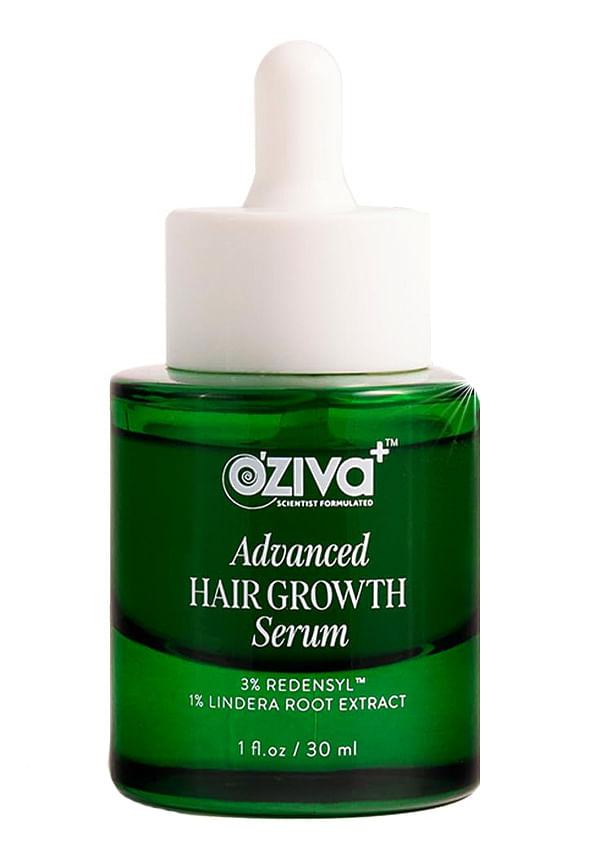
Advanced Hair Growth Serum to Rebalance Scalp Microbiome
Borrowed from skincare, double cleansing involves washing your hair twice in one session. The first wash removes surface buildup and excess oil, whilst the second wash can penetrate deeper for a thorough hair follicle cleanse. This method is particularly useful if you use a lot of styling products or haven't washed your hair in several days.
Sometimes you need to call in the professionals. Salon scalp treatments often use chelating shampoos that can remove mineral deposits from hard water. If you're dealing with persistent buildup that won't budge with home treatments, a professional scalp analysis might reveal underlying issues that need medical attention.
If you prefer natural solutions, your kitchen probably has everything you need for effective scalp buildup removal. These remedies are gentler on your hair whilst still being effective at breaking down stubborn residue.
Tea tree oil isn't just great for spots — it's brilliant for scalp health too. Add a few drops to your regular shampoo or mix it with a carrier oil for a pre-wash treatment. Its antimicrobial properties help keep your scalp clean whilst dissolving product buildup.
Fresh lemon juice mixed with water makes an excellent rinse for oily scalp solutions. The citric acid helps break down buildup whilst controlling excess oil production. Use the juice of one lemon mixed with two cups of water as a final rinse.
Bentonite or rhassoul clay can absorb excess oil and draw out impurities from your scalp. Mix the clay with water to form a paste, apply to your scalp, and leave for 10-15 minutes before washing out. This is particularly effective for those with naturally oily scalps.
Activated charcoal acts like a magnet for toxins and buildup. You can find shampoos containing activated charcoal or make your own mask by mixing charcoal powder with water. It's especially useful if you live in a polluted area or use a lot of styling products.
Prevention is always better than cure, and keeping your scalp clean doesn't have to be complicated. A few simple changes to your haircare routine can keep buildup at bay and maintain a healthy scalp long-term.
Look for products that rinse out easily with water. Avoid heavy silicones, waxes, and petroleum-based ingredients that tend to accumulate over time. Water-based styling products and sulfate-free shampoos that still cleanse effectively are your best friends here.
Finding the right washing frequency is key. Overwashing strips natural oils and triggers more oil production, whilst underwashing allows buildup to accumulate. Most people do well with washing every 2-3 days, but this varies based on hair type, lifestyle, and product use.
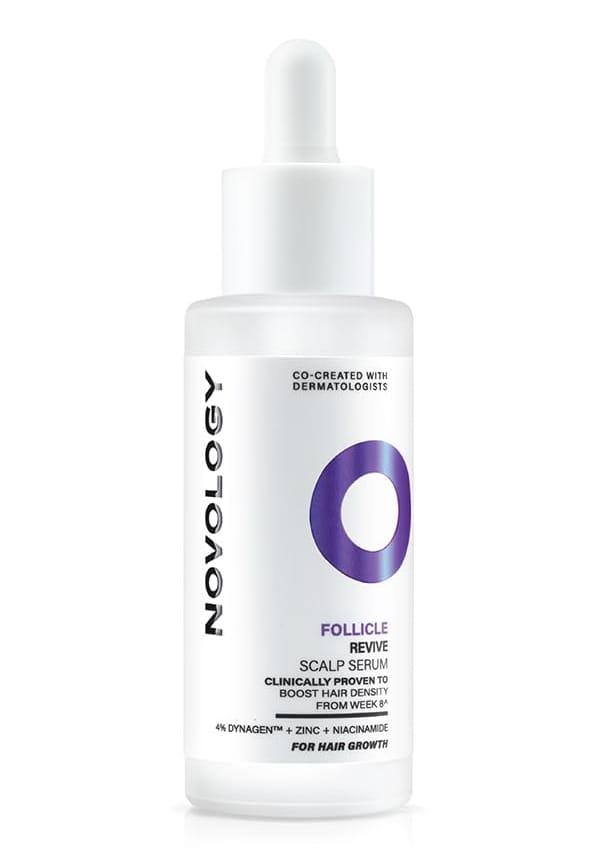
Follicle Revive Scalp Serum
Focus your shampoo on the scalp, not the lengths of your hair. Use your fingertips (not nails) to massage in circular motions, which helps loosen buildup and stimulates circulation. Rinse thoroughly — and we mean really thoroughly. Leftover shampoo is just another form of product buildup waiting to happen.
If you live in a hard water area, consider installing a shower filter or using chelating shampoos monthly. Hard water minerals bind with your products and make them harder to rinse out, leading to faster buildup accumulation.
Your brushes, combs, and styling tools can harbour old product residue and transfer it back to clean hair. Clean them weekly with warm soapy water to prevent recontamination.
Sometimes what looks like product buildup might actually be a scalp condition that needs different treatment. Knowing the difference can save you time and prevent unnecessary irritation from using the wrong approach.
Dandruff flakes are usually smaller, yellowish, and oily, whilst product buildup appears as larger, white, waxy chunks. Dandruff treatment requires antifungal ingredients like zinc pyrithione or ketoconazole, whereas buildup just needs thorough cleansing.
This condition causes red, scaly patches and can be mistaken for severe buildup. If your scalp is inflamed or you're experiencing significant itchy scalp relief needs, see a dermatologist rather than trying to scrub it away.
Persistent itching, bleeding, or signs of infection need professional evaluation. Don't assume it's just buildup if symptoms don't improve with gentle cleansing methods.
Psoriasis creates thick, silvery scales that are quite different from waxy product buildup. If you notice thick, adherent scales that don't respond to clarifying treatments, consult a healthcare professional.
Maintaining a healthy scalp isn't about perfect products — it's about consistency and understanding what your scalp needs. A good routine adapts to your lifestyle, hair type, and the seasons.
Plan a weekly scalp detox day where you focus on thorough cleansing. This might involve a clarifying shampoo, scalp massage, or a natural treatment like apple cider vinegar rinse. Make it part of your self-care routine rather than a chore.
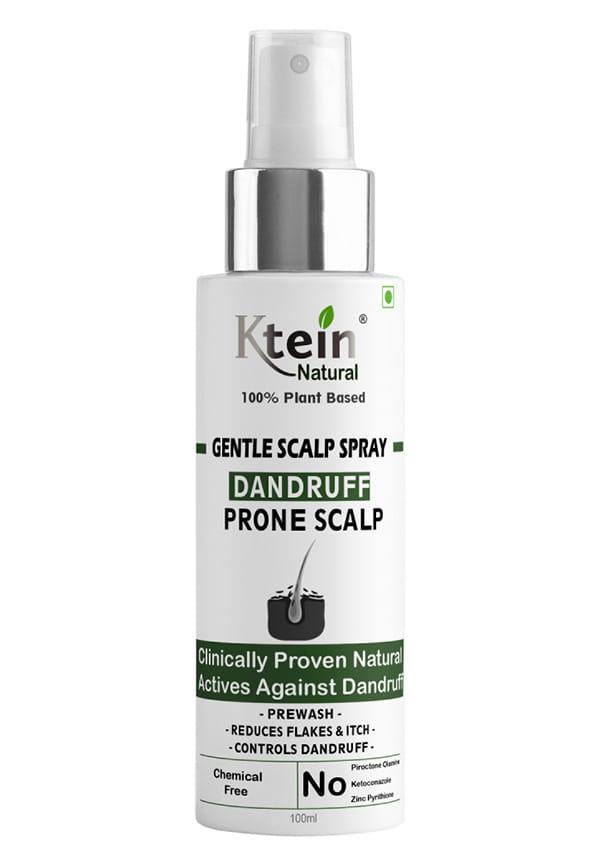
Natural 100% Plant Based Gentle Scalp Spray Dandruff Prone Scalp
Rotate between different types of shampoos to prevent your scalp from getting too used to one formula. Use a clarifying shampoo weekly, a gentle daily shampoo most days, and perhaps a treatment shampoo for specific concerns.
Your scalp's needs change with the weather. Summer might require more frequent washing due to sweat and humidity, whilst winter might need more moisturising treatments to combat dryness from heating systems.
Keep track of how your scalp responds to different treatments. Take photos if needed, and note which products or methods give you the best results. Your scalp will tell you what it likes — you just need to listen.
Most people benefit from using a clarifying shampoo once a week, but this depends on how many products you use and your hair type. If you use minimal products, every two weeks might be sufficient. Those with oily scalps or heavy product users might need it twice weekly, but be careful not to overdo it as clarifying shampoos can be drying.
Whilst dry methods like scalp brushing can help loosen some surface buildup, you'll need water and some form of cleanser to properly remove accumulated residue. Dry shampoo might temporarily absorb oils but won't eliminate existing buildup — it might actually add to it if used too frequently.
That white, waxy substance is typically a mixture of sebum (natural oils), dead skin cells, and product residue that has accumulated over time. It's completely normal and happens to most people who use hair products regularly. The key is removing it before it causes scalp irritation or affects hair health.
With consistent treatment, you should see improvement within 1-2 weeks. Severe buildup might take up to a month of regular clarifying treatments to completely resolve. The key is patience and consistency rather than aggressive scrubbing, which can irritate your scalp.
Over-exfoliation can damage your scalp's protective barrier, leading to irritation, dryness, or increased sensitivity. Stick to gentle methods and limit physical exfoliation to once or twice weekly. If you have sensitive skin or scalp conditions, consult a dermatologist before starting any exfoliation routine.
Hard water itself doesn't cause permanent damage, but the mineral buildup it creates can lead to chronic scalp irritation if left untreated. The good news is that switching to filtered water or using chelating products can reverse these effects relatively quickly.
If you experience persistent itching, inflammation, bleeding, or if buildup doesn't improve with proper cleansing methods after 4-6 weeks, it's time to see a professional. These could be signs of underlying scalp conditions that need medical treatment rather than just better cleansing.
Getting rid of product buildup doesn't have to be a massive ordeal — it's really about finding the right method for your hair type and sticking with it. Whether you go for a weekly clarifying shampoo routine or prefer natural remedies like apple cider vinegar rinses, consistency is what makes the difference. Remember, a healthy scalp is the foundation for great hair, so it's worth investing a bit of time in getting this right.
The brands available through Smytten's curated selection include some brilliant clarifying shampoos and scalp treatments that can help you tackle buildup effectively. With options from trusted names like WishCare and Love Beauty & Planet, you can find products that work for your specific scalp needs. Not sure which approach works best for your hair? Smytten also offers trial-size versions of many scalp care products — a smart way to test different methods before committing to full-size bottles.
