How to Remove Hard Water Buildup from Your Hair
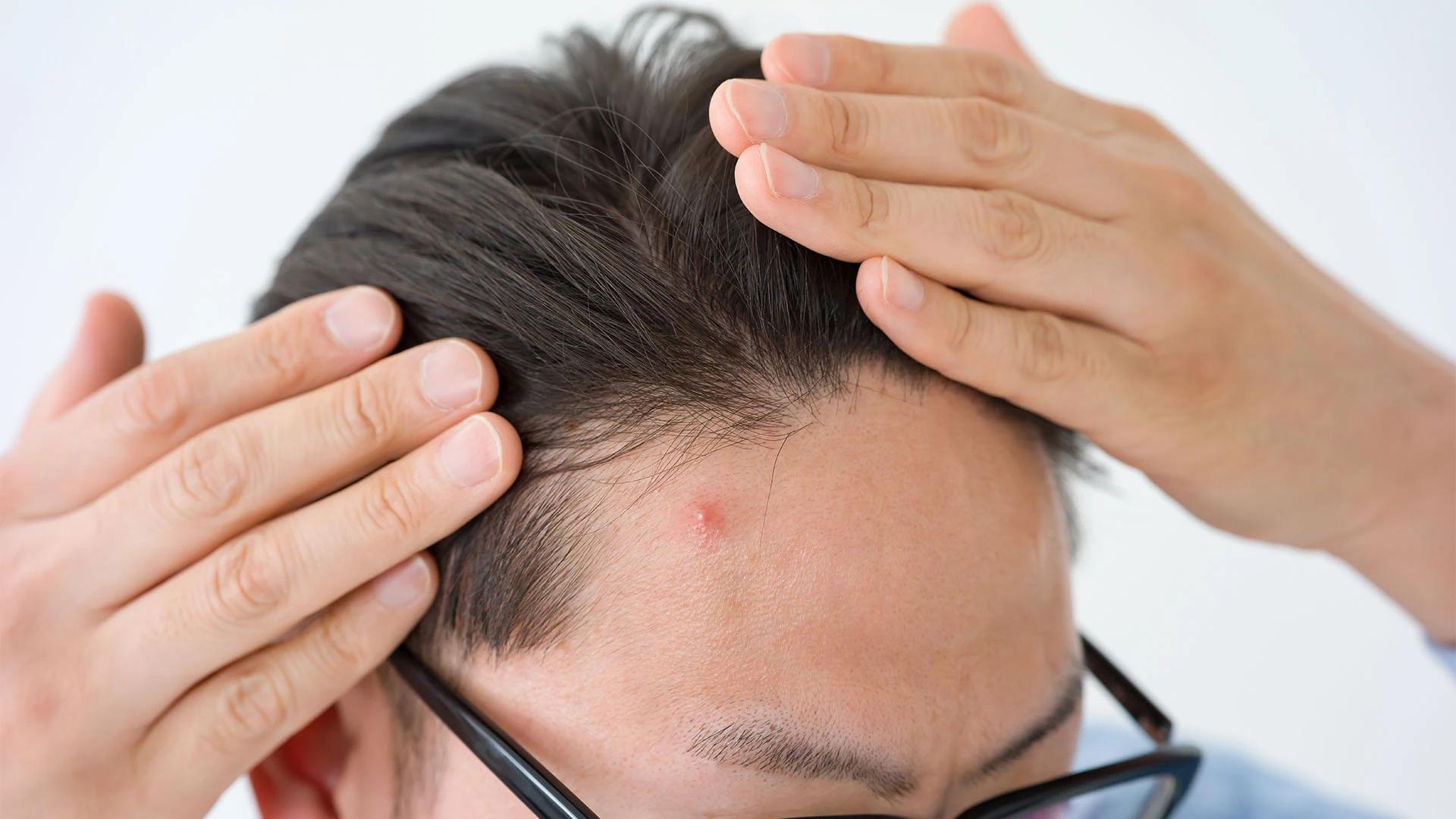

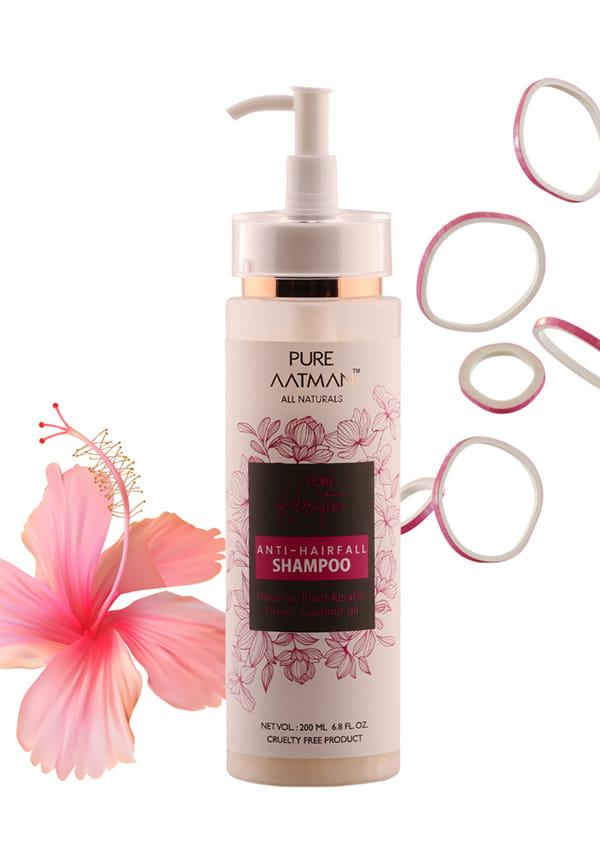
Shampoo for women men ladies Keratin Anti Hairfall
Ever noticed your hair feeling rough, looking dull, or refusing to hold colour the way it used to? If you live in an area with hard water, those pesky minerals might be the culprit behind your hair woes. Hard water buildup removal for women has become a hot topic in haircare circles, and for good reason. When calcium, magnesium, and other minerals from hard water coat your strands, they create a barrier that makes your hair look lifeless and feel like straw. The good news? You don't have to live with hard water hair forever. Let's dive into proven methods to restore your hair's natural shine and softness.
Hard water damage happens when mineral-rich water leaves deposits on your hair shaft over time. Think of it like soap scum building up in your shower, but happening directly on your hair. These minerals create a film that blocks moisture from penetrating your strands and prevents your haircare products from working effectively.
The science behind hair mineral buildup is pretty straightforward. Hard water contains high levels of dissolved minerals, particularly calcium and magnesium. When you wash your hair with this water, these minerals don't rinse away completely. Instead, they stick to your hair cuticles, creating a coating that builds up with each wash.
This buildup affects your hair in several ways:
Blocks moisture absorption, leading to dryness
Makes hair appear dull and lacklustre
Causes tangles and makes combing difficult
Interferes with chemical processes like colouring or perming
Spotting hard water effects on hair isn't always obvious at first. The changes happen gradually, which is why many people don't realise what's causing their hair troubles.
Visual signs include hair that looks flat, lifeless, or has lost its natural shine. If you've recently coloured your hair and noticed it fading faster than expected, hard water might be stripping away the colour molecules. Your hair might also feel rougher to the touch, almost like it has a coating on it that won't wash away with regular shampoo.
When it comes to tackling serious mineral buildup, professional-grade solutions often deliver the most dramatic results. These products are specifically formulated to break down and remove stubborn deposits that regular shampoos can't touch.
A chelating shampoo is your best friend when dealing with hard water buildup removal. These specialised formulas contain ingredients that literally grab onto mineral deposits and pull them away from your hair shaft. Look for shampoos with EDTA (ethylenediaminetetraacetic acid), citric acid, or sodium gluconate on the ingredient list.
The key to using chelating shampoo effectively is timing. Most hair experts recommend using it once a week if you have moderately hard water, or twice a week for severely hard water areas. Apply it to wet hair, work up a good lather, and let it sit for 2-3 minutes before rinsing thoroughly.
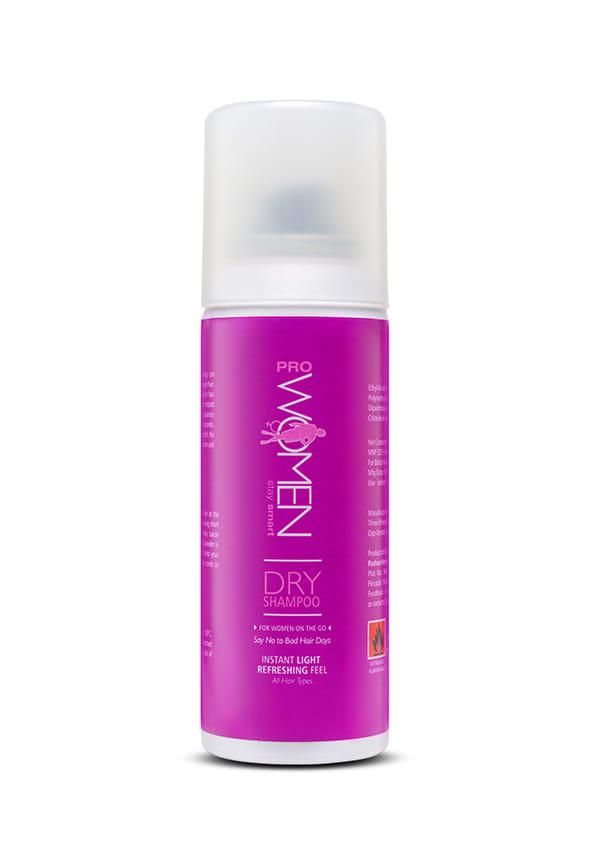
Dry Shampoo
Loving the Dry Shampoo
 5
5“really great dry shampoo. loving it.”
While clarifying shampoos and chelating formulas might sound similar, they work differently. Clarifying shampoos remove product buildup and excess oils, whilst chelating treatments specifically target mineral deposits. For comprehensive hair detox, you might need both.
Professional salon treatments can provide intensive scalp buildup removal for severe cases. These treatments often combine chelating agents with deep conditioning to restore hair health in one session. At-home intensive treatments typically involve leaving a chelating mask on your hair for 10-15 minutes before rinsing.
Not everyone wants to invest in specialised products right away, and that's completely fair. Several kitchen staples can help tackle mineral buildup naturally, though they may take longer to show results than professional treatments.
Apple cider vinegar is mildly acidic, which helps dissolve alkaline mineral deposits. Mix one part apple cider vinegar with three parts water for fine hair, or use a 1:2 ratio for thicker, more resistant hair.
After shampooing, pour the mixture over your hair, focusing on the mid-lengths and ends. Massage gently into your scalp, then let it sit for 2-3 minutes before rinsing with cool water. The smell might be strong initially, but it fades as your hair dries. You should notice softer, shinier hair after just one treatment.
The combination of acidic lemon juice and alkaline baking soda creates a powerful reaction that can help break down stubborn mineral deposits. However, this method requires caution, especially for colour-treated or chemically processed hair.
Mix two tablespoons of lemon juice with one tablespoon of baking soda to form a paste. Apply to damp hair, avoiding the scalp, and leave for 5-10 minutes maximum. Rinse thoroughly and follow with a deep conditioning treatment. This method should only be used once a month at most, as it can be quite drying.
Your scalp deserves just as much attention as your hair strands when dealing with hard water damage. Mineral buildup on the scalp can clog hair follicles and interfere with healthy hair growth, making targeted scalp care essential.
Hard water doesn't just affect your hair—it impacts your scalp health too. Mineral deposits can create an environment where bacteria and fungi thrive, potentially leading to dandruff, itching, or even hair loss in severe cases.
Gentle scalp exfoliation once a week can help remove buildup without causing irritation. Use your fingertips (never nails) to massage your scalp in circular motions whilst shampooing. Some people find that a soft-bristled brush designed for scalp massage helps distribute products more evenly and provides gentle exfoliation.
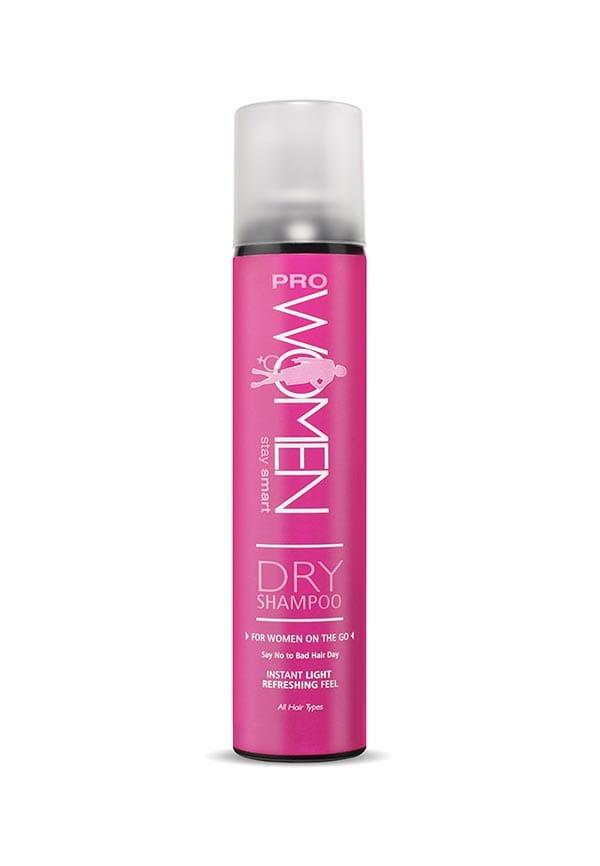
Dry Shampoo
Positive Product Review
5“I loved the product it was great.”
After using any clarifying or chelating treatment, your scalp might feel slightly dry or tight. This is normal, but you'll want to restore moisture and balance quickly. A lightweight scalp oil or serum can help, but avoid heavy products that might cause new buildup.
Focus on maintaining your scalp's natural pH balance by using lukewarm water for rinsing and avoiding harsh scrubbing. Your scalp should feel clean but not stripped after treatment.
Once you've successfully removed existing buildup, prevention becomes your next priority. The good news is that preventing hard water damage is often easier than treating it after the fact.
Installing a shower filter is one of the most effective long-term hard water hair solutions. These filters remove or reduce minerals before the water reaches your hair, preventing new buildup from forming. Quality shower filters typically cost between ₹2,000-₹8,000 and need replacement cartridges every 6-12 months.
For those dealing with extremely hard water, a whole-house water softening system might be worth considering. Whilst the initial investment is higher, it protects not just your hair but also your skin, appliances, and plumbing from hard water damage.
Small changes to your routine can make a big difference in preventing mineral buildup. Try rinsing your hair with filtered or bottled water as a final step, especially after washing. This removes any lingering minerals from your tap water.
Consider protective styling techniques that minimise your hair's exposure to hard water. Braids, buns, or protective scarves whilst showering can help reduce the amount of hard water that comes into contact with your hair.
Not all hard water treatments work the same for everyone. Your hair type, texture, and current condition all play a role in determining which approach will work best for you. This is where having access to trial-sized products becomes incredibly valuable—you can test different formulations without committing to full-size bottles that might not work for your specific needs.
Fine hair tends to show the effects of hard water buildup more quickly because the minerals can weigh down delicate strands. However, fine hair also responds faster to treatment, often showing improvement after just one or two chelating sessions.
Thick, coarse hair might take longer to show signs of hard water damage, but it can also be more stubborn when it comes to removal. You might need stronger formulations or more frequent treatments to see results. The trade-off is that thick hair can generally handle more intensive treatments without damage.
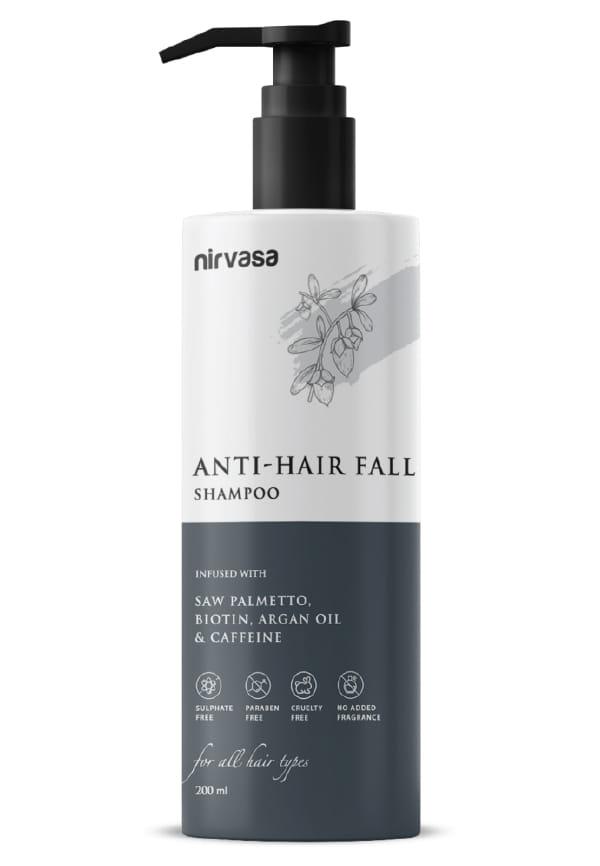
Anti-Hair Fall Shampoo for Men and Women
Good Quality, Small Quantity
5“it was great nice and quality , but the quantity is low comparatively but okay... good for hairfall”
If you've invested in hair colour or chemical treatments, you'll need to be extra careful with hard water buildup removal. Some chelating ingredients can strip colour or interfere with chemical bonds in permed or relaxed hair.
Look for colour-safe chelating shampoos that specifically mention compatibility with treated hair. These formulas are gentler but still effective at removing mineral deposits. You might also need to space treatments further apart and always follow up with intensive conditioning.
For most people, once a week is sufficient. If you live in an area with extremely hard water or swim frequently in chlorinated pools, you might benefit from twice-weekly treatments. Always follow up with a moisturising conditioner to prevent dryness.
When done correctly, chelating treatments are safe for most hair types. However, overuse can lead to dryness and brittleness. Start with once-weekly treatments and adjust based on how your hair responds. If you notice excessive dryness, reduce frequency or switch to a gentler formula.
Many people notice softer, shinier hair after just one treatment. However, if you've been dealing with buildup for months or years, it might take 3-4 weeks of consistent treatment to see dramatic improvements. Be patient and consistent with your chosen method.
Clarifying shampoos remove product buildup, excess oils, and surface dirt. Chelating shampoos specifically target mineral deposits from hard water. If you're dealing with both product buildup and hard water damage, you might need both types of treatments.
DIY treatments can be effective for mild to moderate buildup, but professional formulations are typically stronger and work faster. The choice often comes down to budget, convenience, and the severity of your hard water damage.
Yes, though it requires more effort. Regular chelating treatments, protective styling, and final rinses with filtered water can significantly reduce hard water damage. A shower filter is a more affordable alternative to whole-house water softening.
Dealing with hard water hair doesn't have to be a permanent struggle. Whether you choose professional chelating treatments, DIY solutions, or a combination of both, consistency is key to seeing lasting results. Remember that what works for your friend might not work for you—hair is incredibly individual, and finding your perfect routine might take some experimentation.
This is where platforms like Smytten become incredibly valuable for your haircare journey. As India's largest product discovery and trial platform, Smytten connects you with over 1,500 trusted brands including specialised haircare solutions. Instead of investing in full-size products that might not work for your specific hard water issues, you can try curated trial packs to find your perfect match. With trial minis available for just ₹249 and 100% cashback redeemable for future purchases, you can experiment with different chelating shampoos, clarifying treatments, and protective products without the financial risk. When you find a product that transforms your hard water hair, purchasing the full-size version is just a click away in Smytten's shop.
The key to successful hard water buildup removal lies in understanding your hair's unique needs and being patient with the process. Your hair didn't develop mineral buildup overnight, and it won't disappear immediately either. But with the right approach and products, you can restore your hair's natural beauty and keep it protected from future hard water damage. After all, why settle for dull, damaged hair when you can discover solutions that actually work?
