How to Remove Facial Hair Effectively: Expert Tips and Tricks
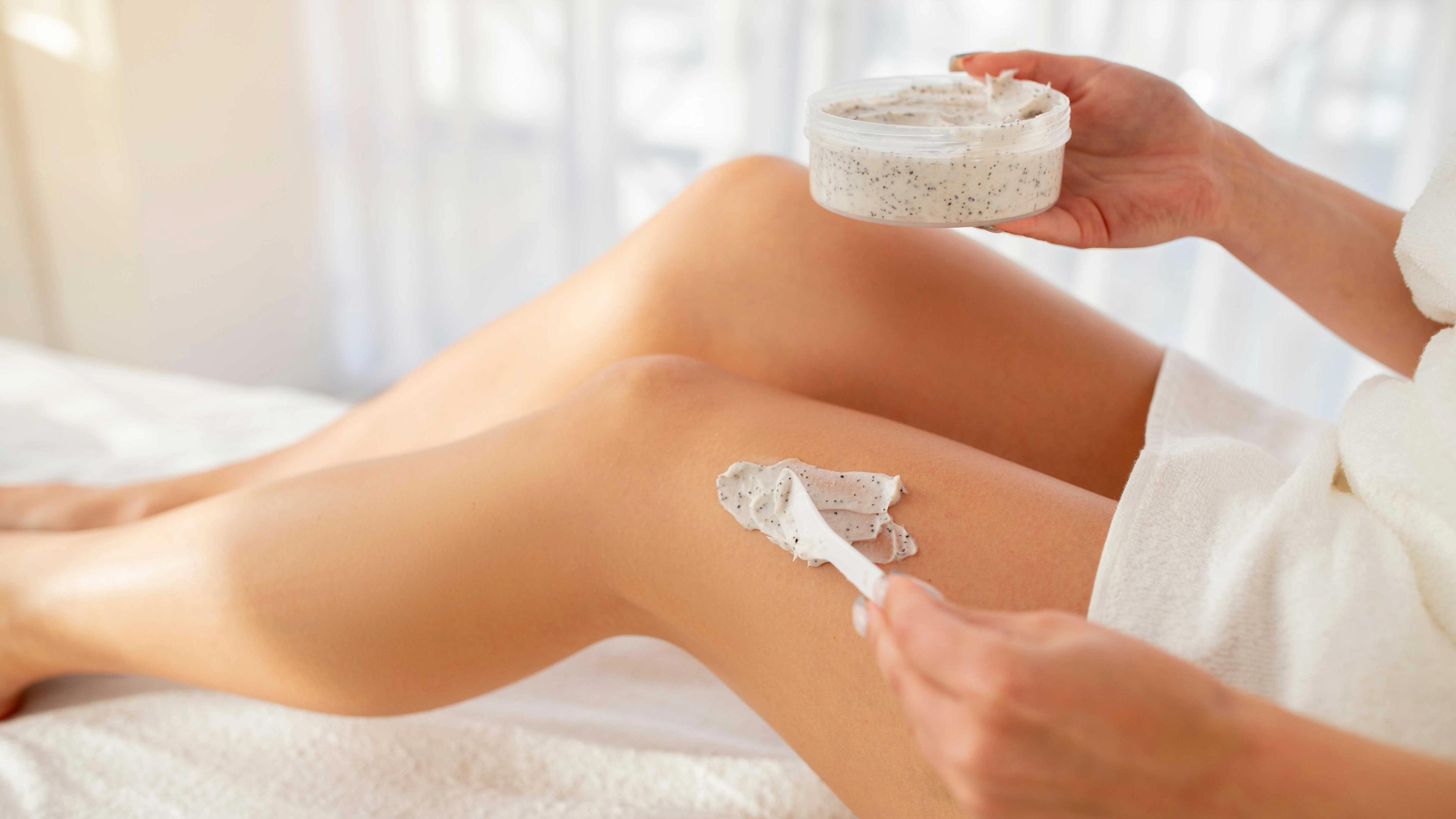

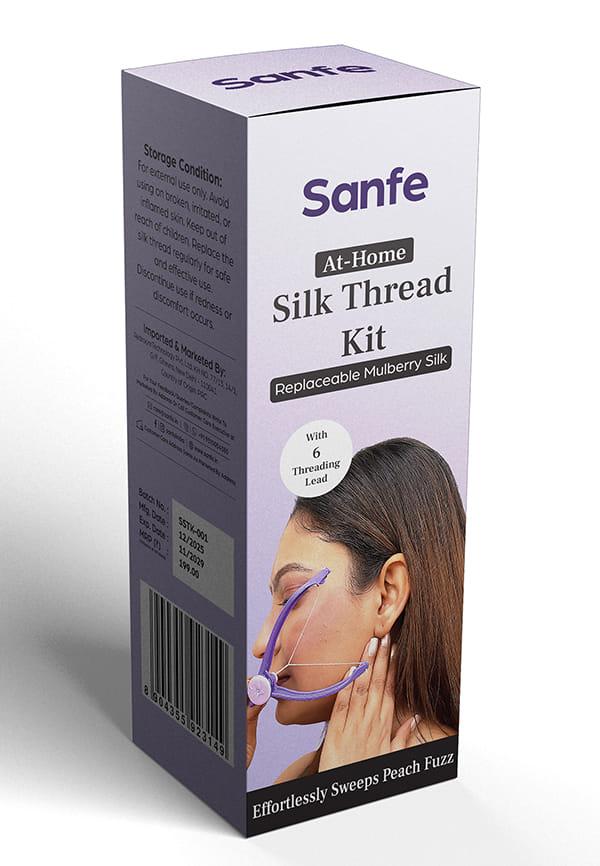
Facial Hair Removal Tool for Women
Let's be real—facial hair can be a bit of a pain to deal with. Whether it's those pesky upper lip hairs that seem to appear overnight or the stubborn chin fuzz that refuses to budge, finding the right facial hair removal method can feel overwhelming. But here's the thing: there's no one-size-fits-all solution. What works brilliantly for your mate might not be your cup of tea, and that's completely fine. The key is understanding your options and figuring out what suits your skin, your lifestyle, and your comfort level. From quick at-home fixes to professional treatments that deliver long-lasting results, we're diving deep into everything you need to know about how to remove facial hair effectively.
When it comes to facial hair removal techniques, you've got options—loads of them. Each method has its own vibe, from quick daily fixes to treatments that keep you hair-free for weeks. Let's break down the main categories so you can see what might work for your routine.
Shaving is probably the most straightforward option. It's quick, painless, and you can do it while half-asleep in the shower. Perfect for when you need results right now.
Tweezing works brilliantly for targeting specific areas like eyebrows or that one stubborn hair that keeps coming back. It's precise but can be time-consuming for larger areas.
Threading is an ancient technique that's incredibly precise. It's perfect for shaping brows and removing upper lip hair, though it does require some skill (or a trip to a professional).
Waxing removes hair from the root, giving you weeks of smooth skin. It's a bit uncomfortable, but the results last much longer than shaving.
Depilatory creams dissolve hair at the surface level. They're painless and easy to use, making them perfect for sensitive areas where other methods might be too harsh.
Epilators work like multiple tweezers at once, removing hair from the root. They hurt initially but get easier with regular use, and results can last up to four weeks.
Laser hair removal uses light energy to target hair follicles, reducing hair growth over time. Multiple sessions are needed, but it can provide semi-permanent to permanent results.
Electrolysis is the only FDA-approved method for permanent hair removal. It uses electrical current to destroy hair follicles one by one—effective but time-consuming.
Not all facial hair removal methods are created equal. Each has its sweet spot depending on what you're after—quick results, long-lasting smoothness, or minimal discomfort. Let's break down the pros and cons so you can make an informed choice.
Shaving and depilatory creams are virtually painless, making them great for daily use. Tweezing and threading involve some discomfort but are manageable for small areas. Waxing and epilating hurt more initially but become easier with regular use. Laser treatments cause mild discomfort, whilst electrolysis can be quite uncomfortable but offers permanent results.
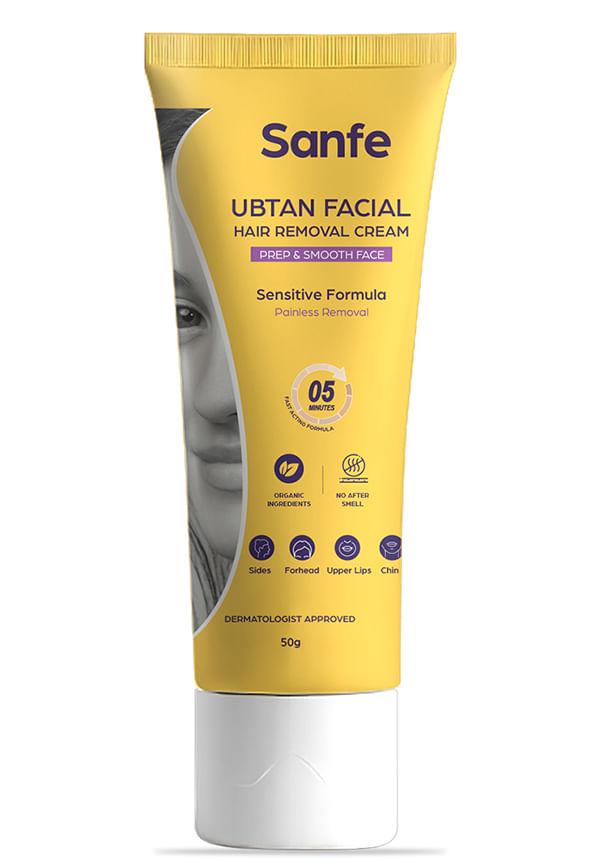
ubtan facial hair removal cream | facial hair removal cream for women
Easy to Use and Clean Product
 5
5“Good product easy to use and easy to clean ”
Effective hair removal
4“actually removes the facial hair.”
Very Nice Product
5“very nice product love it a lot”
Shaving lasts 1-2 days, whilst tweezing can give you up to a week. Threading and depilatory creams offer similar short-term results. Waxing and epilating keep you hair-free for 2-4 weeks. Laser treatments provide long-term reduction, and electrolysis offers permanent removal.
At-home methods like shaving, tweezing, and depilatory creams are budget-friendly. Professional treatments like laser and electrolysis require a bigger investment upfront but can be cost-effective long-term. Threading and professional waxing fall somewhere in between.
If you're into the DIY approach, there are several natural methods for removing facial hair naturally that have been used for generations. These gentle alternatives work well for those with sensitive skin or anyone wanting to avoid harsh chemicals.
A turmeric and gram flour mask is a classic. Mix equal parts turmeric powder and gram flour with milk or water to form a paste. Apply to the area, let it dry, then rub off in circular motions. The texture helps remove fine hair whilst turmeric soothes the skin.
Sugar and lemon paste works as a natural wax. Heat sugar with lemon juice until it forms a sticky paste, let it cool slightly, then apply and remove quickly. It's gentler than commercial wax but still effective.
An oatmeal and banana treatment combines the exfoliating properties of oats with the moisturising benefits of banana. Mash a ripe banana with ground oats, apply to the face, and gently scrub in circular motions before rinsing.
Regular exfoliation helps weaken hair follicles over time. Use a gentle scrub or exfoliating glove in circular motions. This won't remove hair immediately but can help reduce regrowth and prevent ingrown hairs.
Deciding between professional treatments and at-home solutions depends on your budget, pain tolerance, and desired results. Both approaches have their place in a comprehensive hair removal for face strategy.
Professional treatments make sense when you want long-lasting results, have coarse or stubborn hair, or want to avoid the trial-and-error process of finding the right at-home method. Dermatologists and trained aestheticians can assess your skin type and recommend the most suitable approach.
Technology has advanced significantly in recent years. Modern laser machines are more effective and comfortable than older versions, and many clinics offer package deals that make treatments more affordable.
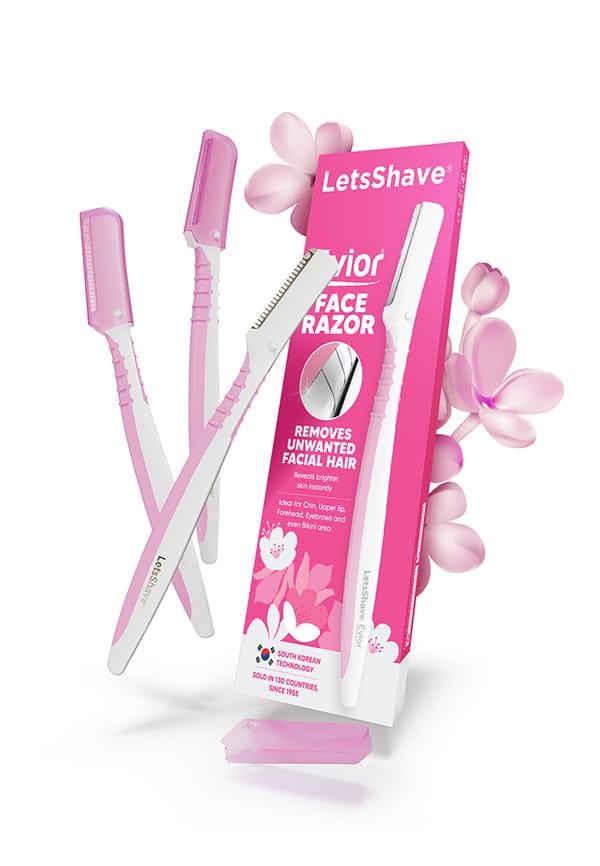
LetsShave Evior Reusable Face Razor for Women Facial Hair
Excellent Product
5“perfect design to hold, long lasting, works great, must buy”
High-Quality Product
5“great quality product been using this since log”
Fantastic Product
5“great amazing fantastic product”
Professional treatments typically offer better safety profiles for sensitive facial skin. Trained practitioners know how to adjust settings based on your skin tone and hair type, reducing the risk of burns or hyperpigmentation.
At-home devices have improved dramatically, but they're generally less powerful than professional equipment. They're safer for inexperienced users but may require more sessions to achieve similar results.
Proper skincare before and after facial hair removal can make the difference between smooth, happy skin and irritation or ingrown hairs. Each method requires slightly different preparation and aftercare.
Always start with clean skin. Gentle cleansing removes makeup, oils, and debris that could interfere with hair removal. For methods like waxing or epilating, light exfoliation 24 hours beforehand helps lift ingrown hairs and allows for better hair removal.
Avoid using retinoids, AHAs, or BHAs for at least 48 hours before waxing or professional treatments, as these can make skin more sensitive and prone to irritation.
After any facial hair removal technique, your skin needs some TLC. Apply a soothing gel or moisturiser to calm irritation. Aloe vera gel works brilliantly for this, as does a gentle, fragrance-free moisturiser.
Avoid harsh products, excessive heat (like saunas or hot showers), and direct sun exposure for 24-48 hours after treatment. Your skin is more vulnerable during this time and needs gentle care to heal properly.
Regular exfoliation is your best friend here. Use a gentle scrub or exfoliating cloth 2-3 times per week to prevent dead skin from clogging hair follicles. Moisturise daily to keep skin soft and supple, which helps new hair grow through more easily.
Finding the best way to remove facial hair for your specific situation involves considering several factors. Your skin type, hair texture, lifestyle, and budget all play a role in determining what will work best.
If you have sensitive skin, start with gentler methods like shaving or depilatory creams designed for sensitive skin. Test any new product on a small area first. Those with reactive skin might find that professional treatments, whilst more expensive, cause less irritation than DIY methods.
Fine, light hair responds well to bleaching or gentle removal methods. Coarse, dark hair might need more aggressive approaches like waxing or professional laser treatments. Very light or grey hair won't respond to laser treatment, so methods like electrolysis might be necessary for permanent removal.
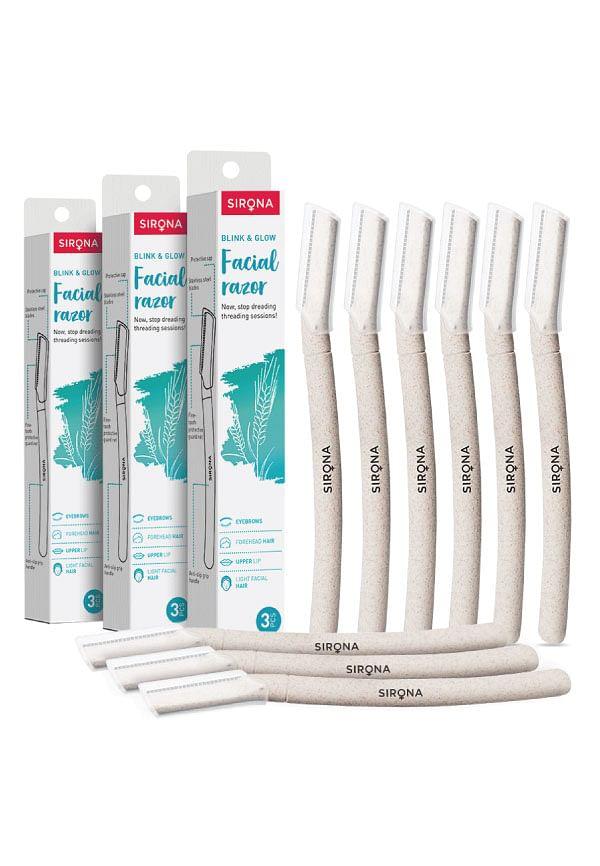
Facial Razor for Women
Smooth, Soft, and Easy to Use
4“verry smooth and soft blend for face skin easy to handling”
Good value with BOGO
5“good got it on buy one get one so worth the money”
Good value with BOGO
5“good got it on buy one get one so worth the money”
Hormonal changes can affect hair growth patterns. PCOS, menopause, and certain medications can increase facial hair growth. In these cases, professional consultation might be helpful to address underlying causes alongside choosing appropriate removal methods.
As part of exploring different facial hair removal products and techniques, platforms like Smytten make it easier to try various solutions without committing to full-size purchases. With trial packs available from trusted brands, you can discover what works for your skin before investing in larger quantities—perfect for finding your ideal hair removal routine.
This depends on your chosen method and hair growth rate. Shaving might be daily or every few days, whilst waxing typically lasts 3-4 weeks. Professional treatments like laser require sessions spaced 4-6 weeks apart initially.
No, this is a myth. Hair might appear thicker immediately after shaving because you're seeing the blunt cut end, but the actual hair structure doesn't change. Methods that remove hair from the root may actually make regrowth finer over time.
Facial skin is more delicate than body skin, so it's best to use products specifically formulated for the face. Body products might be too harsh and cause irritation or chemical burns on facial skin.
Electrolysis is the only FDA-approved method for permanent hair removal. Laser treatments can provide long-term reduction but aren't technically permanent, though many people find the results last for years.
Signs include excessive redness, swelling, blistering, or severe itching that doesn't subside within a few hours. If you experience these symptoms, rinse the area immediately and consider seeking medical advice.
Finding your perfect facial hair removal solution is a bit like finding the right skincare routine—it takes some experimentation and patience. What works brilliantly for your friend might not be your cup of tea, and that's completely normal. The key is starting with gentler methods and working your way up to more intensive treatments if needed.
Remember that consistency often matters more than the specific method you choose. Regular maintenance with a method that suits your skin and lifestyle will always give better results than sporadic use of a theoretically 'better' technique that you can't stick to.
Don't be afraid to combine methods either. Many people use daily shaving for quick touch-ups whilst relying on monthly waxing or quarterly laser sessions for the heavy lifting. The goal is smooth, comfortable skin that makes you feel confident—however you choose to achieve it.
Whether you're team natural remedies, professional treatments, or somewhere in between, Smytten's platform helps you explore different facial hair removal products without the commitment. With trial packs from over 1,500 trusted brands and 100% cashback on minis, you can experiment with various solutions until you find what works perfectly for your skin. After all, why settle for 'maybe' when you can try it all and discover your ideal routine?
