How to Reduce Hair Fall: Natural Remedies for Women

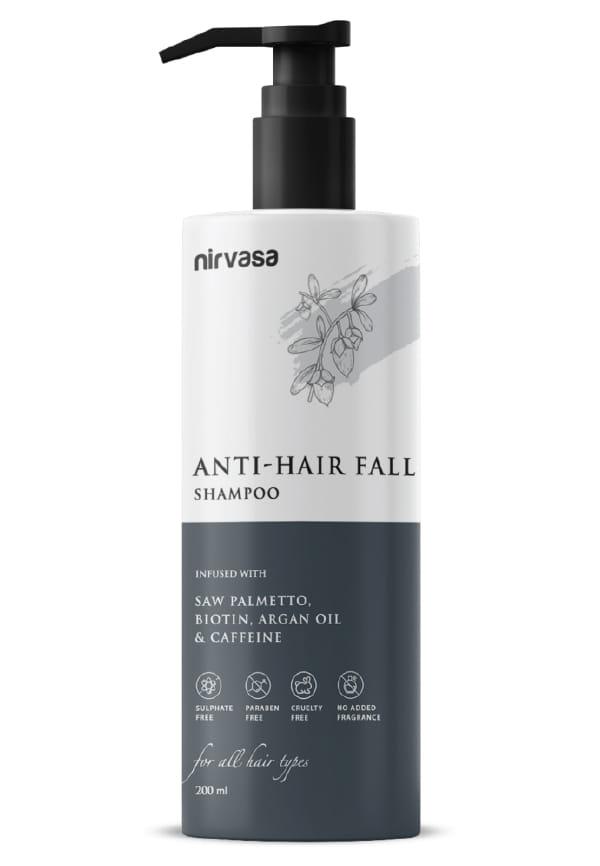
Anti-Hair Fall Shampoo for Men and Women
Good Quality, Small Quantity
 5
5“it was great nice and quality , but the quantity is low comparatively but okay... good for hairfall”
Let's be real—watching your hair fall out can feel like watching your confidence disappear strand by strand. Whether you're finding clumps in the shower drain or noticing your ponytail getting thinner, how to reduce hair fall for women becomes a pressing question that deserves proper answers. The good news? You don't need expensive treatments or harsh chemicals to tackle this issue. Natural remedies, combined with smart haircare choices, can make a real difference. From understanding what's actually causing your hair to fall out to discovering kitchen ingredients that double as powerful hair fall remedies, we're covering everything you need to know to get your locks back on track.
Before diving into solutions, it's worth knowing that some hair loss is completely normal. Your hair goes through natural growth cycles, and losing 50-100 strands daily is just part of the process. But when you're dealing with excessive shedding, thinning patches, or noticeable changes in hair density, that's when it's time to take action.
Normal hair loss happens gradually and evenly across your scalp. You might notice a few strands on your pillow or in your brush, but nothing dramatic. Concerning hair loss, however, shows up as visible thinning, especially around the crown or hairline, clumps of hair coming out during washing, or sudden changes in hair texture and thickness.
Understanding why your hair is falling out is half the battle. Hormonal changes top the list—pregnancy, menopause, PCOS, and even your monthly cycle can trigger hair loss. Nutritional deficiencies, particularly iron, protein, and biotin, leave your hair follicles struggling to produce healthy strands.
Stress plays a massive role too. Whether it's work pressure, relationship drama, or major life changes, chronic stress can push hair follicles into a resting phase, leading to increased shedding. Don't forget about physical damage from tight hairstyles, excessive heat styling, or harsh chemical treatments that weaken hair structure over time.
Ready to give your hair some TLC with ingredients you probably already have? These natural solutions have been helping women tackle hair loss for generations, and there's solid science backing many of them up.
Coconut oil massage isn't just relaxing—it penetrates the hair shaft better than most oils, providing deep nourishment whilst improving scalp circulation. Warm a tablespoon of coconut oil, massage it into your scalp using circular motions, and leave it on for at least 30 minutes before washing.
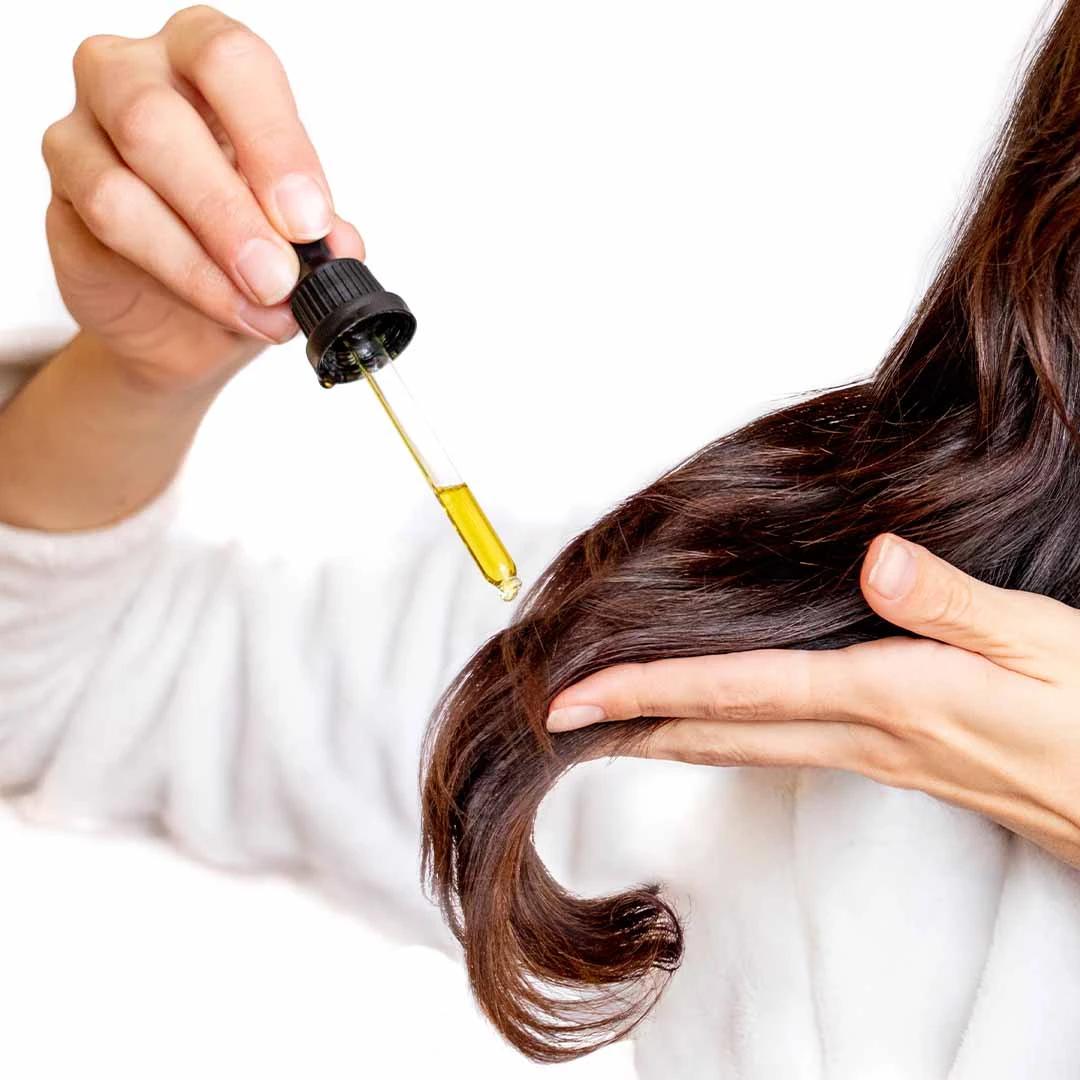
Rosemary oil deserves special mention here. Studies suggest it can be as effective as minoxidil for promoting hair growth. Mix a few drops with a carrier oil like jojoba or almond oil, massage into your scalp, and let it work its magic overnight.
Onion juice might make you cry, but it's brilliant for hair growth. The sulfur compounds help improve circulation and may even help with female pattern baldness. Blend an onion, strain the juice, apply to your scalp, leave for 15-20 minutes, then wash thoroughly.
An egg mask provides protein directly to your hair shaft. Whisk one or two eggs (depending on your hair length), apply from roots to tips, leave for 20 minutes, then rinse with cool water. Your hair will thank you for the protein boost.
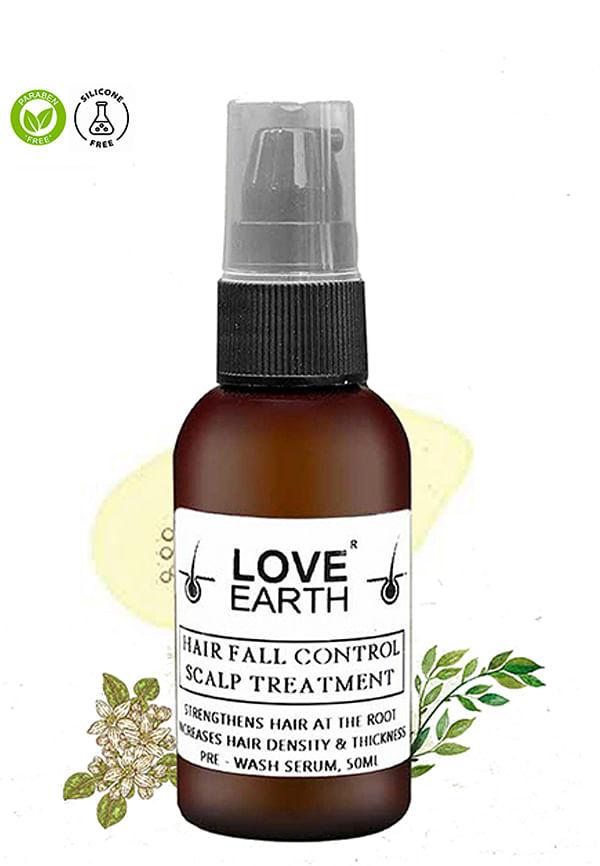
Hair Fall Control Scalp Treatment
Aloe vera gel soothes an irritated scalp whilst providing moisture and nutrients. Apply fresh aloe gel directly to your scalp, leave for an hour, then wash as usual. It's particularly helpful if you're dealing with dandruff or scalp inflammation alongside hair loss.
Curry leaves aren't just for cooking—they're packed with nutrients that support hair health. Boil curry leaves in coconut oil until they turn black, strain, and use this oil for regular scalp massages.
Sometimes the best hair loss treatment for women starts with changing how you treat your hair daily. Small tweaks in your routine can make a massive difference in preventing further damage and encouraging healthy growth.
The best shampoo for hair fall should be sulfate-free and gentle on your scalp. Look for formulas with biotin, keratin, or natural oils. Wash your hair 2-3 times a week unless you have very oily hair—overwashing strips natural oils that protect your strands.
When washing, focus the shampoo on your scalp rather than the lengths of your hair. Use lukewarm water instead of hot, which can damage hair cuticles and irritate your scalp. Always follow with a moisturising conditioner from mid-length to ends.
Tight ponytails, buns, and braids might look sleek, but they put constant tension on your hair follicles. Opt for loose styles and use silk or satin scrunchies that won't snag your hair. When you do use heat styling tools, always apply a heat protectant first and keep temperatures below 180°C.
Switch to a silk or satin pillowcase—it creates less friction than cotton, reducing breakage whilst you sleep. When brushing, start from the ends and work your way up, using a wide-tooth comb on wet hair to prevent unnecessary pulling.
Your hair is essentially a reflection of your overall health, and what you eat plays a crucial role in hair growth and strength. A healthy hair diet focuses on nutrients that support follicle function and hair structure.
Protein is non-negotiable—your hair is made of keratin, which is a protein. Include eggs, lean meats, fish, legumes, and quinoa in your diet. Aim for at least 50-60 grams of protein daily to support healthy hair growth.
Iron deficiency is one of the most common causes of hair loss in women. Load up on spinach, lentils, tofu, and lean red meat. Pair iron-rich foods with vitamin C sources like citrus fruits or bell peppers to boost absorption.
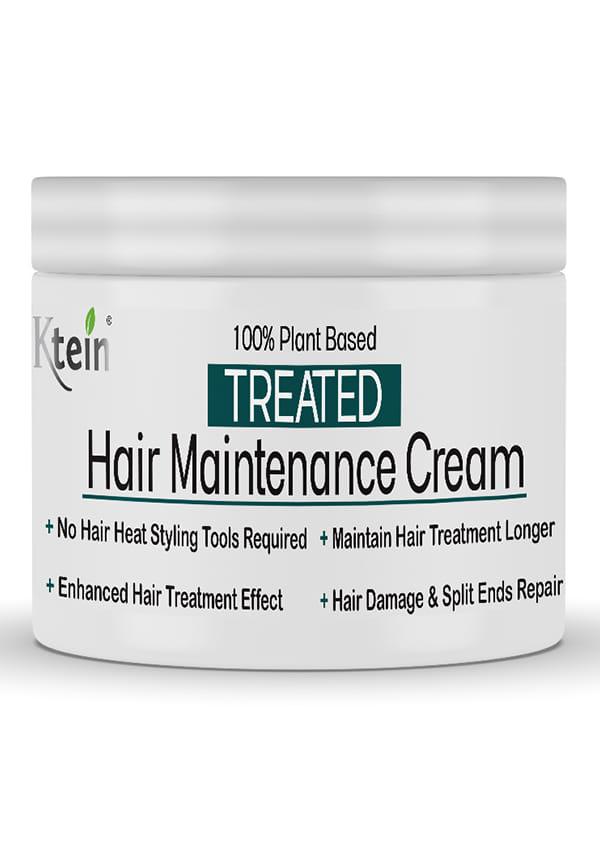
100% Plant Based Treated Hair Maintenance Cream Natural
Biotin and B-vitamins support hair follicle health. You'll find these in oats, nuts, seeds, and leafy greens. Omega-3 fatty acids from fish, walnuts, and flaxseeds keep your scalp healthy and add shine to your hair.
Chronic inflammation can disrupt hair growth cycles. Focus on antioxidant-rich foods like berries, dark leafy greens, and fatty fish. Turmeric, ginger, and green tea also help reduce inflammation that might be affecting your hair follicles.
Sometimes the most effective hair fall remedies don't come in a bottle—they come from lifestyle adjustments that support your overall wellbeing and, by extension, your hair health.
Chronic stress can push hair follicles into a resting phase, leading to increased shedding months later. Meditation and yoga help regulate stress hormones like cortisol that can interfere with hair growth. Even 10 minutes of deep breathing daily can make a difference.
Quality sleep is crucial too—your body repairs and regenerates during rest, including hair follicles. Aim for 7-9 hours of sleep and try to maintain consistent sleep and wake times.
Regular exercise improves circulation throughout your body, including to your scalp. This increased blood flow delivers more nutrients and oxygen to hair follicles. You don't need intense workouts—even a daily 30-minute walk can boost circulation and help manage stress levels.
Yoga poses like downward dog or headstands (if you're comfortable with them) can specifically increase blood flow to your scalp, though the circulation benefits of any exercise will help overall.
While natural remedies work brilliantly for many women, sometimes you need to bring in the professionals. Knowing when to seek medical advice can save you time and prevent further hair loss.
Minoxidil is the only FDA-approved topical treatment for female pattern baldness. The 2% solution is typically recommended for women and can help slow hair loss and promote regrowth when used consistently.
Low-level laser therapy uses red light to stimulate hair follicles and has shown promising results in clinical studies. PRP (Platelet-Rich Plasma) injections use your own blood platelets to stimulate hair growth and are becoming increasingly popular.
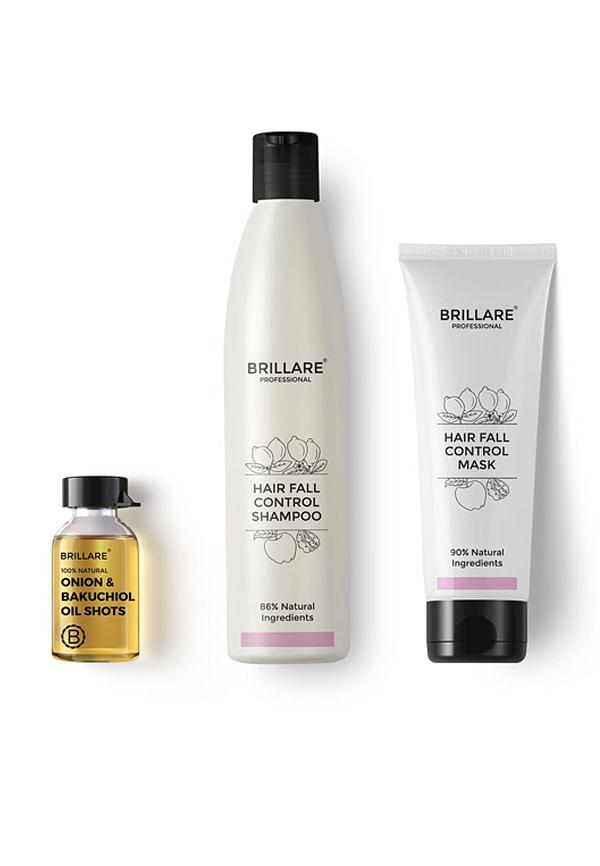
Anti Hair Fall Treatment Combo
Excellent Product Combo
5“best combo I have purchased .”
Loved the product
5“loved it! love the product 👍👍👍”
Positive Product Review
5“a good product...good packaging...does the job...”
If you're losing more than 100 hairs daily for several weeks, notice sudden bald patches, or experience hair loss alongside other symptoms like fatigue or irregular periods, it's time to consult a dermatologist or your GP. They can test for underlying conditions like thyroid disorders, PCOS, or autoimmune diseases that might be causing your hair loss.
Finding the right products to support your hair health journey doesn't have to involve expensive guesswork. With Smytten's curated trial packs, you can explore haircare products from trusted brands without committing to full sizes. Whether you're looking for gentle shampoos, nourishing treatments, or scalp serums, trying before buying ensures you find what actually works for your hair type and concerns.
A comprehensive approach works best: combine gentle haircare practices, natural treatments like oil massages, a nutrient-rich diet, stress management, and address any underlying health issues. Consistency is key—most natural remedies take 2-3 months to show results.
While you can't completely stop hair fall in a week, you can start protective measures immediately: switch to gentle, sulfate-free shampoos, begin scalp massages with nourishing oils, avoid tight hairstyles, and start taking a biotin supplement. Real results typically take 6-12 weeks.
No, losing 700 hairs daily is excessive and requires medical attention. Normal hair loss is 50-100 strands per day. This level of shedding could indicate telogen effluvium, hormonal imbalances, or other underlying conditions that need professional evaluation.
Focus on scalp health with regular oil massages, eat protein and iron-rich foods, manage stress through exercise and meditation, use gentle haircare products, and try natural treatments like onion juice or rosemary oil. Be patient—natural regrowth takes time but can be very effective.
Rosemary oil has shown results comparable to minoxidil in studies. Combine this with scalp massage, a healthy diet rich in protein and iron, and stress management. However, female pattern baldness often benefits from professional treatment alongside natural approaches.
Tackling hair fall naturally requires patience, consistency, and a holistic approach. From nourishing oil treatments to dietary changes that support follicle health, the remedies we've covered can make a real difference when used regularly. Remember, healthy hair growth is a marathon, not a sprint—most natural treatments take 2-3 months to show visible results.
The key is finding what works for your specific situation. Whether it's addressing nutritional deficiencies, managing stress, or simply being gentler with your daily haircare routine, small changes can lead to significant improvements. And when you're ready to explore new products that support your hair health journey, platforms like Smytten make it easy to discover what actually works for you through affordable trial sizes, helping you make confident choices without the guesswork.
