How to Reduce Hair Fall for Men: Proven Techniques

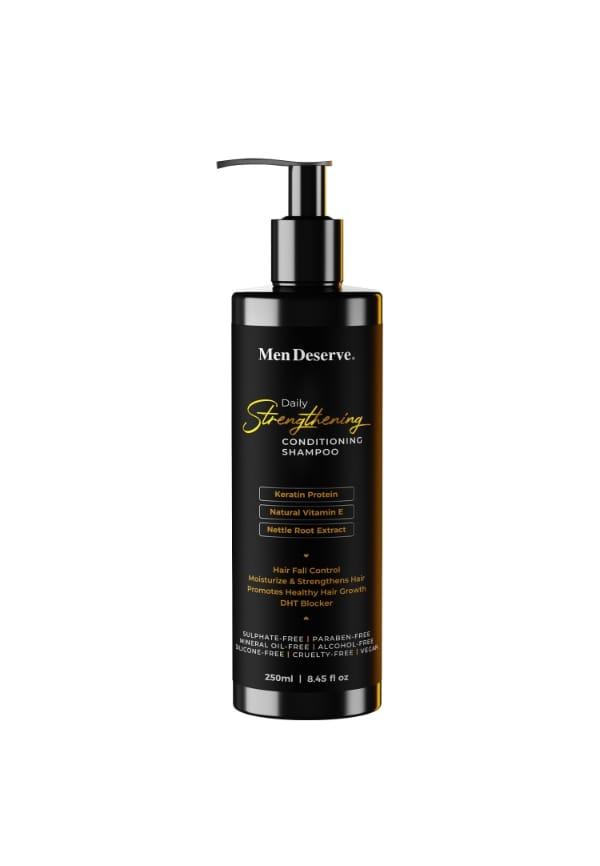
Daily Strengthening Conditioning Shampoo For Men
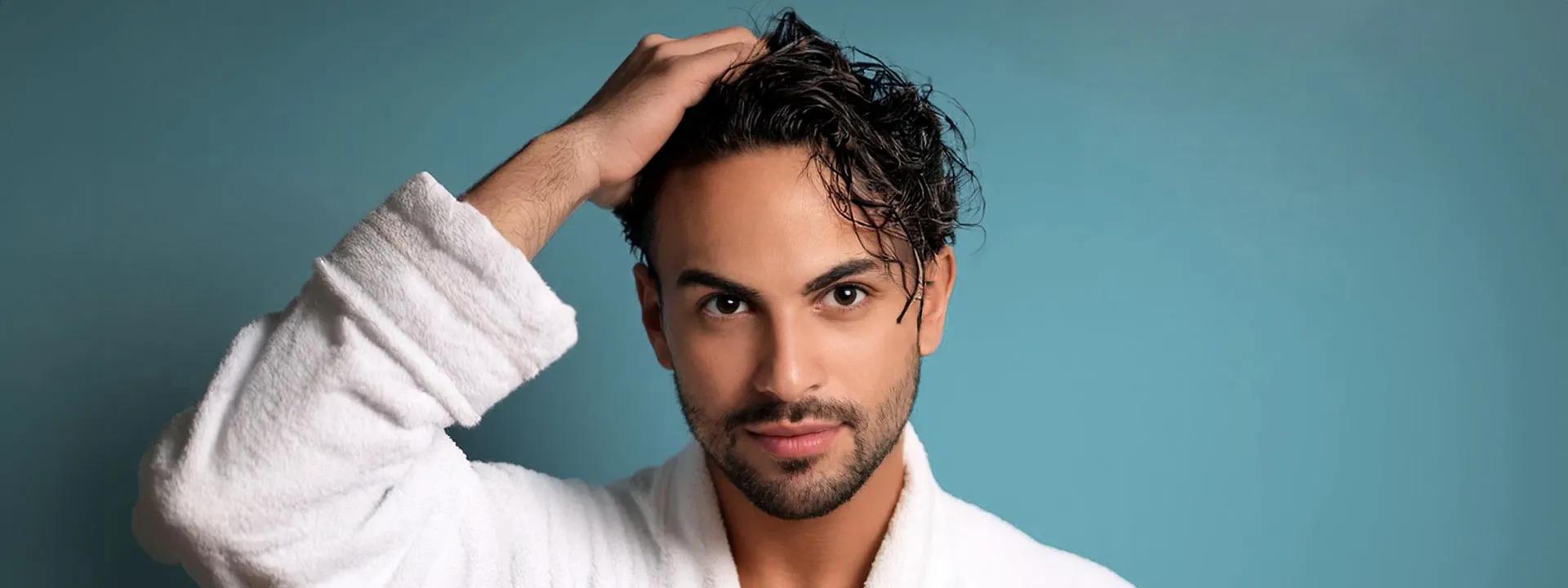
Let's be real—watching your hairline retreat or finding clumps of hair in the shower drain isn't exactly the confidence boost you signed up for. If you're dealing with hair fall, you're definitely not alone. Studies show that around 85% of men experience some degree of hair thinning by age 50, and for many, it starts way earlier than expected. The good news? There are proven techniques and hair fall control tips for men that actually work. From understanding what's causing your hair to bid farewell to implementing daily routines that promote hair health, this guide covers everything you need to know about how to reduce hair fall for men effectively.
Before diving into solutions, it's crucial to understand why your hair is falling out in the first place. Hair loss isn't always straightforward—it can stem from various factors that often work together to create the perfect storm for hair fall.
Male pattern baldness treatment starts with recognising that genetics play a massive role in hair loss. If your dad or granddad had a receding hairline, there's a good chance you might too. This type of hair loss, medically known as androgenetic alopecia, affects the hair follicles' sensitivity to dihydrotestosterone (DHT), a hormone that causes follicles to shrink over time.
Hormones can be proper troublemakers when it comes to hair health. Elevated DHT levels, thyroid issues, or fluctuating testosterone can all contribute to hair thinning. Stress hormones like cortisol also wreak havoc on your hair growth cycle, pushing more follicles into the resting phase.
Your hair is basically a reflection of your overall health. Deficiencies in iron, zinc, biotin, and protein can significantly impact hair strength and growth. Poor sleep, excessive stress, smoking, and harsh styling practices also contribute to hair fall, making hair health maintenance for men a holistic approach rather than a quick fix.
Now that we've covered the why, let's talk about the how. Hair loss prevention for men involves a multi-pronged approach that addresses both internal and external factors affecting hair health.
Your hair follicles are among the most active cells in your body, which means they need proper fuel to function optimally. Hair strengthening tips for men often start with what's on your plate.
Protein power: Aim for 1.2-1.6 grams of protein per kilogram of body weight daily. Think eggs, fish, lean meats, and legumes.
Iron-rich foods: Include spinach, lentils, and red meat to prevent iron-deficiency-related hair loss.
Biotin and B vitamins: Found in nuts, seeds, and whole grains, these support hair structure and growth.
Omega-3 fatty acids: Fish, walnuts, and flaxseeds help maintain scalp health and hair shine.
Small changes in your daily routine can make a significant difference in hair fall reduction. Stress management through meditation, regular exercise, and adequate sleep (7-9 hours) can help regulate hormones that affect hair growth.
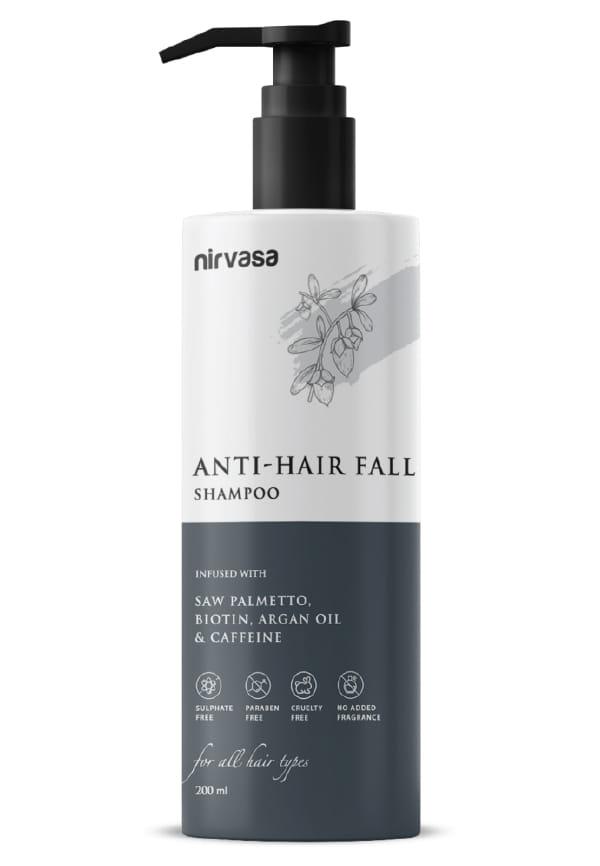
Anti-Hair Fall Shampoo for Men and Women
Good Quality, Small Quantity
 5
5“it was great nice and quality , but the quantity is low comparatively but okay... good for hairfall”
Practice stress-reduction techniques like deep breathing or yoga
Maintain a consistent sleep schedule
Stay hydrated—aim for 8-10 glasses of water daily
Limit alcohol consumption and quit smoking if applicable
Natural remedies for men's hair loss have been used for centuries and many have scientific backing. These gentle approaches can complement other treatments and are often the first line of defence against hair fall.
Certain essential oils have shown promise in promoting hair growth and reducing hair fall. Rosemary oil, in particular, has been found to be as effective as minoxidil in some studies.
Rosemary oil: Mix 3-4 drops with a carrier oil and massage into scalp twice weekly
Peppermint oil: Improves blood circulation to hair follicles
Lavender oil: Reduces stress and promotes relaxation, indirectly benefiting hair health
Male scalp care for hair fall includes regular scalp massage, which increases blood flow to hair follicles. Use your fingertips to apply gentle pressure in circular motions for 5-10 minutes daily. This simple technique can be done with or without oils and fits easily into any routine.
Traditional herbs like saw palmetto, green tea extract, and pumpkin seed oil have shown potential in blocking DHT production. These can be found in supplements or incorporated into homemade hair masks.
When natural remedies aren't enough, hair regrowth techniques for men may include more advanced options. These treatments often require patience and consistency but can deliver more dramatic results.
Minoxidil remains one of the most effective over-the-counter treatments for hair fall. Applied directly to the scalp, it works by increasing blood flow to hair follicles and extending the growth phase of hair.
Finasteride, available by prescription, blocks the enzyme that converts testosterone to DHT. It's particularly effective for crown thinning and can slow or stop hair loss in many men. Always consult a healthcare provider before starting any medication.
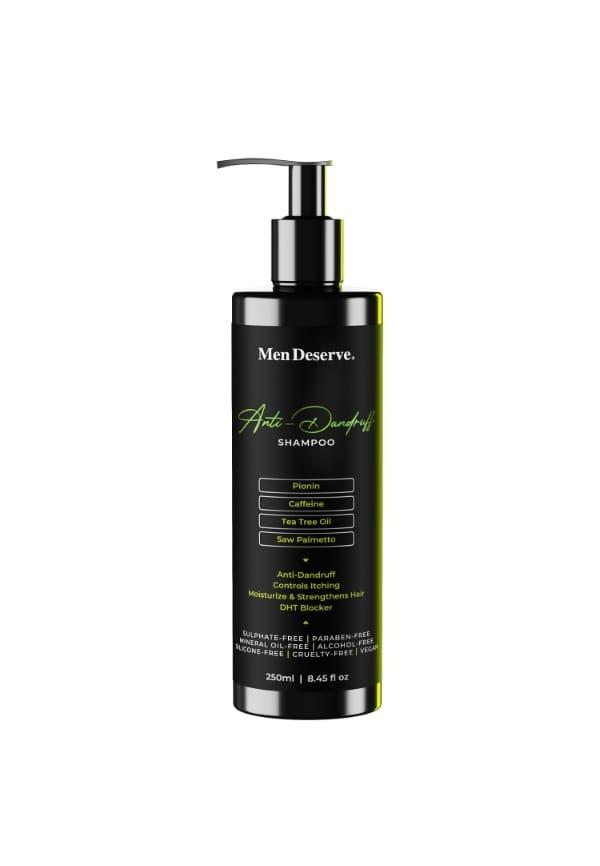
Anti Dandruff Shampoo For Men
Low-level laser therapy and platelet-rich plasma (PRP) treatments are gaining popularity. These procedures stimulate hair follicles and can be effective when combined with other treatments. While more expensive, they offer promising results for many men.
A proper daily routine is fundamental to hair fall reduction methods for men. The right approach to washing, styling, and protecting your hair can prevent unnecessary damage and create optimal conditions for growth.
Overwashing can strip natural oils, while underwashing can lead to scalp buildup. Find your sweet spot—usually every other day or every two days. Use lukewarm water and focus shampoo on the scalp, not the hair lengths.
Look for sulphate-free shampoos and conditioners formulated for your hair type. Products containing ketoconazole, biotin, or saw palmetto can provide additional benefits for hair fall prevention. When exploring new haircare products, platforms like Smytten allow you to discover and trial different brands before committing to full-size purchases, making it easier to find what works best for your specific needs.
Avoid tight hairstyles that pull on hair follicles. Use a wide-tooth comb on wet hair and limit heat styling. When using hair dryers or styling tools, always apply a heat protectant and use the lowest effective temperature setting.
Pat hair dry with a microfibre towel instead of rubbing vigorously
Sleep on silk or satin pillowcases to reduce friction
Protect hair from sun damage with hats or UV-protective products
Trim regularly to prevent split ends from travelling up the hair shaft
Sometimes, despite your best efforts with at-home treatments, professional intervention becomes necessary. Knowing when to seek help and what options are available can save you time and potentially preserve more of your hair.
If you're losing more than 100 hairs per day, noticing sudden bald patches, or experiencing rapid hair thinning, it's time to see a specialist. A trichologist can identify underlying causes and create a personalised treatment plan.
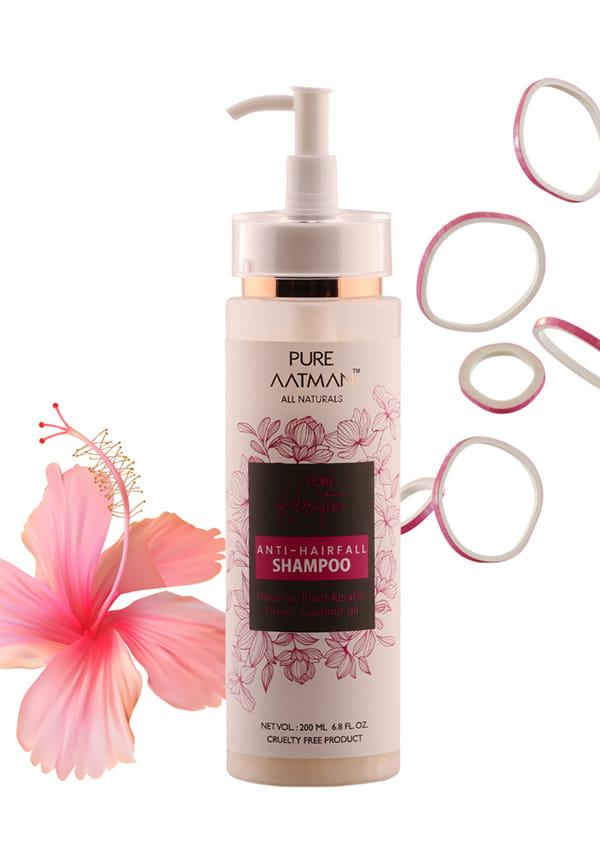
Shampoo for women men ladies Keratin Anti Hairfall
Modern hair transplant techniques like FUE (Follicular Unit Extraction) offer natural-looking results. However, they're significant investments and work best when hair loss has stabilised. Research thoroughly and choose experienced surgeons with proven track records.
Professional treatments like micro-needling, PRP therapy, and prescription-strength topical treatments can be more effective than over-the-counter options. These treatments often work best when combined with a comprehensive approach to hair health.
Most treatments require 3-6 months of consistent use before noticeable results appear. Hair grows slowly, and it takes time for new growth to become visible. Patience and consistency are key to success.
The permanence of results depends on the underlying cause and treatment method. Genetic hair loss is progressive, so treatments typically need to be continued to maintain results. However, addressing nutritional deficiencies or lifestyle factors can provide more lasting improvements.
Absolutely. Your hair follicles need specific nutrients to produce strong, healthy hair. Deficiencies in protein, iron, zinc, and vitamins can directly impact hair growth and strength. A balanced diet supports overall hair health significantly.
Early signs include a receding hairline at the temples, thinning at the crown, increased hair shedding, and changes in hair texture. If you notice these signs, starting treatment early often yields better results.
Many natural remedies have scientific support. Rosemary oil, scalp massage, and proper nutrition can be effective, especially for mild to moderate hair fall. However, severe hair loss often requires medical intervention for optimal results.
Reducing hair fall isn't about finding one magical solution—it's about understanding your specific situation and implementing a comprehensive approach. Whether you're dealing with genetic predisposition, lifestyle factors, or nutritional deficiencies, there are proven techniques that can help. The key is consistency, patience, and choosing treatments that align with your specific needs and goals.
Remember that hair health is a reflection of overall wellness. While products and treatments play important roles, don't underestimate the power of good nutrition, stress management, and proper hair care routines. With over 1,500 trusted brands offering various haircare solutions, Smytten makes it easier to explore and discover products that work for your unique hair needs through curated trial packs. After all, when it comes to finding the right approach to hair fall prevention, why settle for 'maybe' when you can try it all and find what truly works for you?
