How to Protect Your Scalp from Summer Heat Effectively

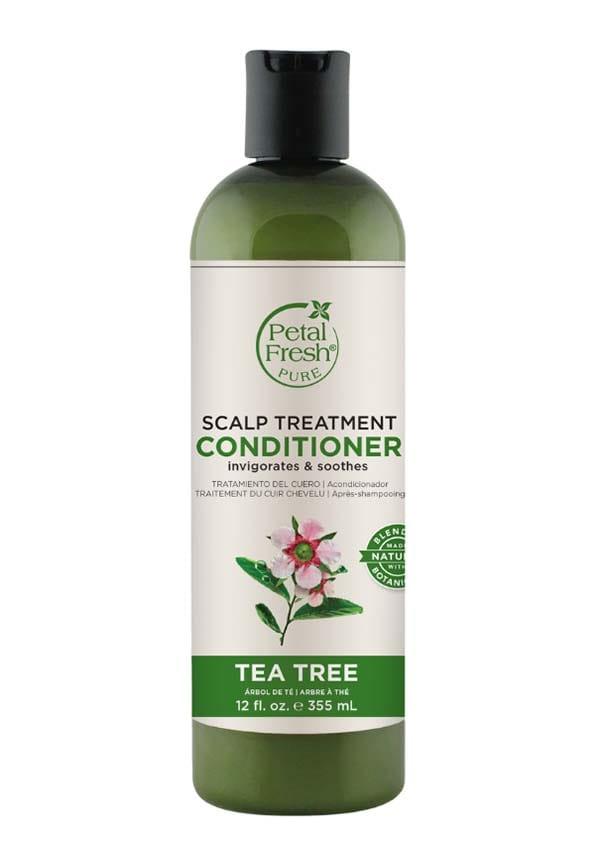
Scalp Treatment Teatree Conditioner
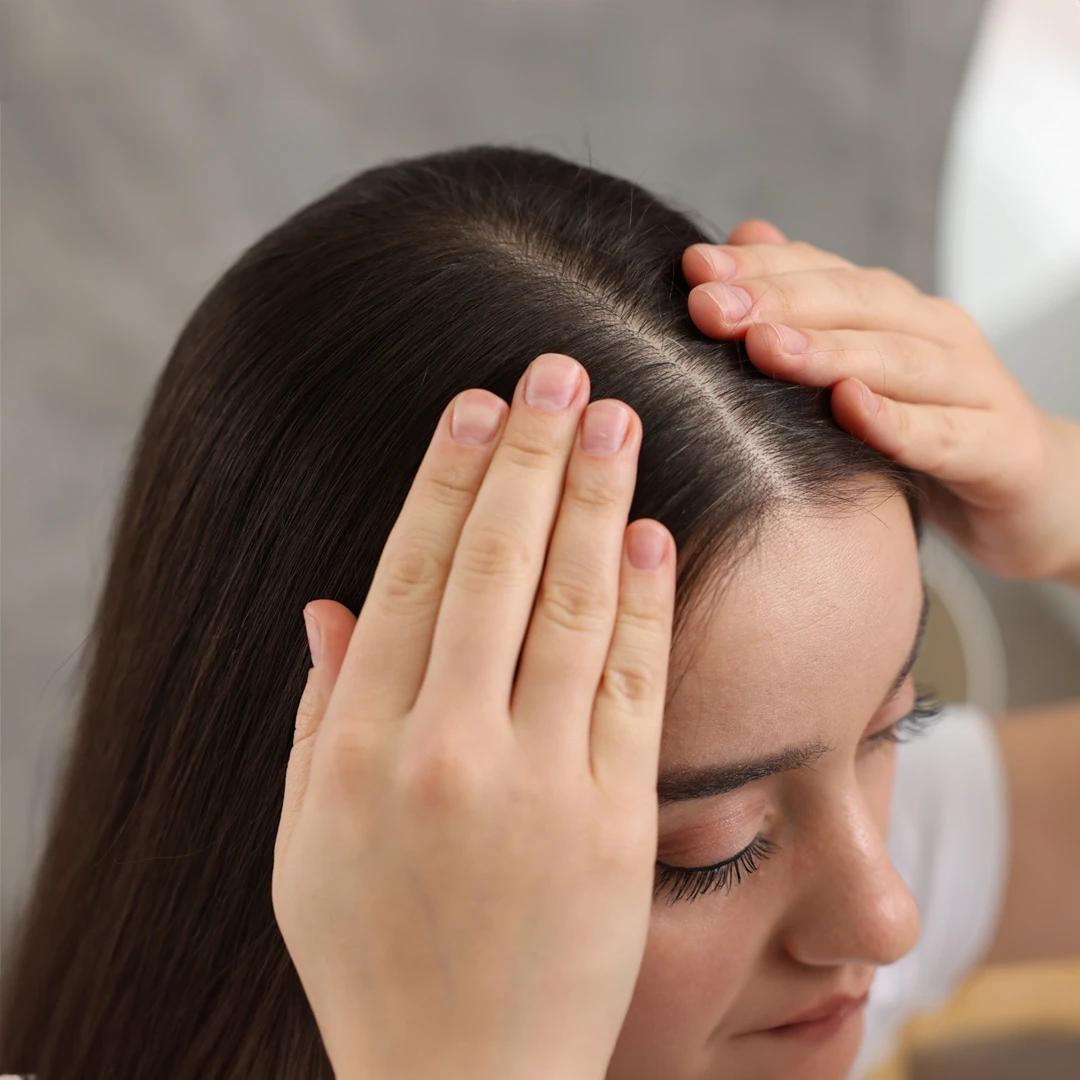
Summer heat can be absolutely brutal on your scalp, and let's be real—most of us don't think about protecting it until we're dealing with an uncomfortably hot, sweaty mess up there. Your scalp is basically the most exposed part of your head, taking the full brunt of UV rays and rising temperatures. Unlike the rest of your skin, it's often forgotten in our sun protection routine, even though it's just as vulnerable to damage. The good news? There are loads of effective scalp cooling treatments for hot climates that can keep you comfortable and protect your hair health all summer long.
Your scalp isn't just regular skin with hair on top—it's actually quite different and needs its own kind of TLC. The skin on your scalp is thinner and more sensitive than most other areas, making it super vulnerable to heat damage and UV exposure. When temperatures soar, your scalp can overheat quickly, leading to inflammation, irritation, and even hair follicle damage.
Here's what happens when your scalp gets too hot: blood vessels dilate, causing that uncomfortable burning sensation, and your hair follicles can actually go into shock. This disrupts the natural hair growth cycle and can lead to temporary or even permanent hair loss in extreme cases. Scalp health in summer becomes crucial because overheating can also trigger excessive oil production, clogged pores, and bacterial growth.
The scalp's unique structure means it retains heat differently than other skin areas. Hair can actually trap heat close to the scalp, creating a greenhouse effect that makes things even worse. Plus, if you've got darker hair, it absorbs more heat from the sun, making your scalp even hotter. That's why targeted cooling and protection strategies are absolutely essential.
Scalp cooling treatments for hot climates work by regulating temperature and providing immediate relief from heat stress. These treatments use various mechanisms—from evaporative cooling to direct temperature reduction—to bring your scalp back to a comfortable state. The science behind it is pretty straightforward: when you lower the scalp's temperature, you reduce inflammation, improve blood circulation, and create an environment where hair follicles can function properly.
There are two main types of scalp cooling approaches: active and passive. Active cooling involves products or devices that actively reduce temperature, like cooling caps or menthol-based treatments. Passive cooling focuses on preventing heat buildup in the first place through protective styling and barrier methods.
Medical-grade cooling treatments are typically used in clinical settings, especially for patients undergoing chemotherapy. These systems maintain precise temperatures and are designed for extended use. Cosmetic cooling treatments, on the other hand, focus on comfort and everyday heat relief.
Fine hair benefits from gentle cooling that doesn't weigh it down, while thick, coarse hair can handle more intensive treatments. Curly and textured hair types often see the most scalp cooling benefits because their hair structure naturally traps more heat.
Protecting your scalp from heat damage requires a multi-layered approach that combines physical barriers, chemical protection, and smart timing. Heat protection for scalp isn't just about slapping on some SPF and calling it a day—though that's definitely part of it.
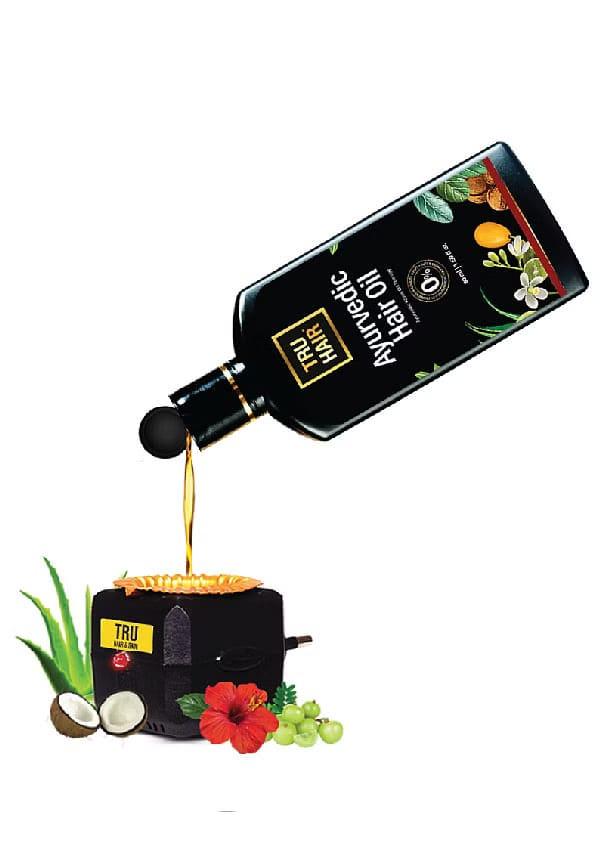
Ayurvedic Hair Oil With Heater
Excellent Product and Experience
 5
5“The product was great, used it for first time, can't wait to buy the second one. User friendly, too easy to use. very happy to order this product.”
Effective for Hair Fall
5“nice product very useful for hair fall”
Product & Oil Heater Good
5“love this product and oil heater working is very good.”
Physical barriers are your first line of defence. Wide-brimmed hats, lightweight scarves, and even strategic hairstyles can create shade and promote air circulation around your scalp. The key is choosing breathable materials that don't trap heat while still providing coverage.
Wide-brimmed hats: Look for ones with UPF ratings and breathable materials like cotton or linen
Protective styling: Loose braids, buns, or ponytails that lift hair off the scalp
Scalp-specific SPF: Products designed for the unique needs of scalp skin
Timing strategies: Avoiding outdoor activities during peak sun hours (10 AM to 4 PM)
Chemical protection involves using products with SPF specifically formulated for scalp and hair. Regular face sunscreen can be too heavy and might clog hair follicles, so look for lightweight, non-comedogenic formulas designed for this area.
Cooling caps for hair have come a long way from their medical origins and are now available for everyday use. These devices work by maintaining a consistently cool temperature against your scalp, providing immediate relief from heat stress and potentially preventing heat-related hair damage.
There are several types of cooling caps available, each with different mechanisms and use cases. Gel-based caps are frozen before use and provide cooling for about 20-30 minutes. Electric cooling caps maintain consistent temperatures and can be used for longer periods. Refrigerated caps offer a middle ground between convenience and effectiveness.
Post-exercise cooling can help prevent heat damage from intense workouts. If you're dealing with managing hair loss from heat, regular cooling sessions might help reduce inflammation and create better conditions for hair growth.
Professional treatments offer more precise temperature control and longer-lasting effects, but at-home options are more convenient and cost-effective for regular use. Many people find that combining both approaches works best.
Creating your own cooling treatments for hair at home is easier than you might think, and it's a great way to experiment with different approaches without breaking the bank. Summer haircare tips often focus on natural ingredients that provide cooling relief while nourishing your scalp and hair.
Aloe vera is probably the most popular DIY cooling ingredient, and for good reason. It has natural anti-inflammatory properties and provides immediate cooling relief when applied to the scalp. Peppermint oil creates a tingling, cooling sensation, but use it sparingly—a little goes a long way, and too much can actually irritate sensitive scalps.
Aloe vera gel masks: Apply directly to scalp for 15-20 minutes before washing
Cucumber and mint treatments: Blend fresh cucumber with mint leaves for a cooling paste
Cold water rinses: Finish your hair wash with the coldest water you can tolerate
Frozen hair masks: Keep your favourite hair mask in the fridge for extra cooling power
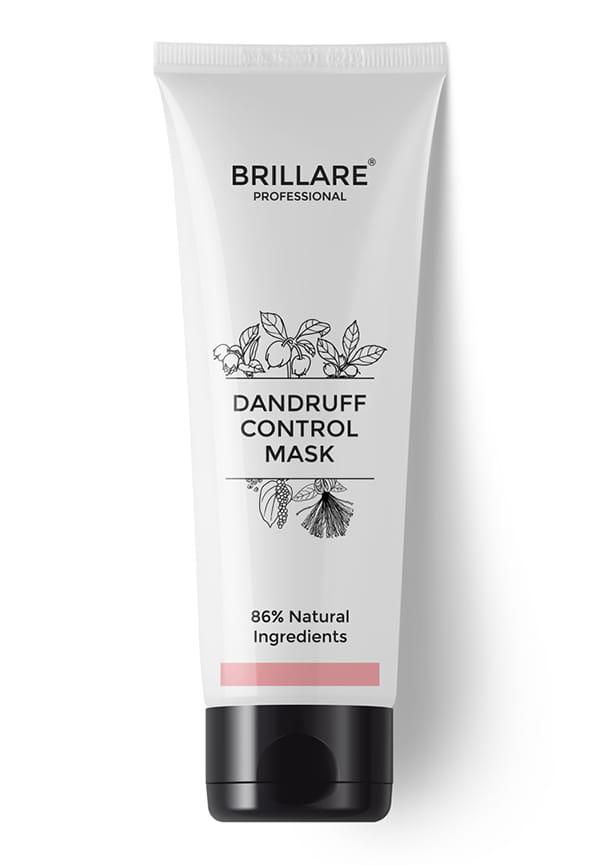
Conditioner For Itchy, Flaky Scalp
Good product, highly recommended
5“This product is very good highly recommend.”
Wonderful Product
5“nice product. result wonderful along with shampoo”
Effective Dandruff Treatment
4“removes dandruff and itchyness from hair”
Haircare for hot weather also means adjusting your washing routine. You might need to wash more frequently to remove sweat and oil buildup, but be gentle—over-washing can strip natural oils and make heat damage worse.
Styles that lift hair off your neck and scalp promote better air circulation and help prevent heat buildup. Think loose braids, high buns, or even just parting your hair differently to expose more scalp to air.
Applying cooling treatments before bed allows them to work while you sleep. Just make sure to use a towel or old pillowcase to protect your bedding from any drips or stains.
Sun protection for hair requires understanding that hair and scalp have different needs than regular skin. Hair itself can be damaged by UV rays, leading to colour fading, dryness, and brittleness, while the scalp needs protection from burning and overheating.
UV protection products for hair come in various forms—sprays, creams, oils, and leave-in treatments. Look for products with broad-spectrum protection that shield against both UVA and UVB rays. The SPF ratings for hair products work similarly to those for skin, but application and reapplication can be trickier.
SPF sprays: Easy to apply and reapply throughout the day
Leave-in treatments: Provide ongoing protection while conditioning hair
UV-protective styling products: Combine protection with hold and styling benefits
Scalp-specific sunscreens: Formulated to be lightweight and non-greasy
Reapplication is crucial, especially if you're swimming or sweating. Most hair protection products need to be reapplied every 2-3 hours for maximum effectiveness. If you've got coloured or chemically treated hair, protection becomes even more important because processed hair is more vulnerable to heat and UV damage.
This is where platforms like Smytten become incredibly valuable for discovering the right products for your specific needs. With access to trial-sized versions from trusted brands, you can experiment with different sun protection for hair products without committing to full-size purchases. Whether you're trying a new cooling treatment or testing different SPF formulations, being able to try before you buy makes finding your perfect summer haircare routine so much easier.
For general comfort, you can use cooling treatments daily during hot weather. If you're dealing with heat-related scalp issues, 2-3 times per week is usually sufficient. Listen to your scalp—if it feels irritated or overly dry, reduce frequency.
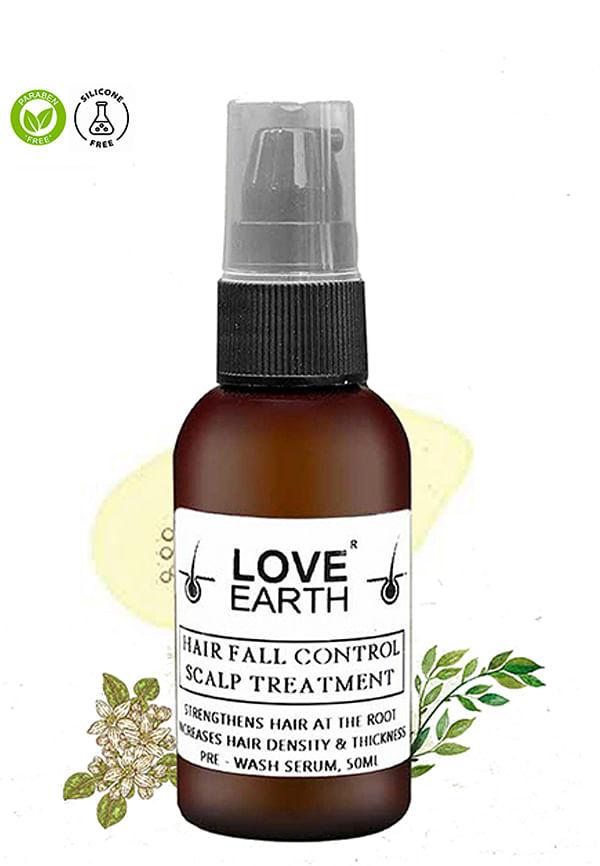
Hair Fall Control Scalp Treatment
Severe heat damage can potentially cause permanent hair loss by damaging hair follicles, but this typically requires extreme temperatures or prolonged exposure. Most heat-related hair loss is temporary and resolves once the scalp heals and temperatures return to normal.
Move to shade or air conditioning immediately, apply a cold, damp cloth to your scalp, and drink plenty of water. Avoid ice directly on the scalp, as this can cause thermal shock. Gentle cooling is more effective and safer.
Most cooling caps designed for consumer use are safe for daily use when used according to instructions. However, if you have sensitive skin or scalp conditions, start with shorter sessions and monitor your scalp's response.
Signs include burning sensation, redness, excessive sweating, headaches, and feeling uncomfortably hot even in shade. Your scalp might also feel tight or tender to the touch.
Look for menthol, peppermint, eucalyptus, aloe vera, cucumber extract, and tea tree oil. These ingredients provide natural cooling sensations and often have anti-inflammatory properties.
Protecting your scalp from summer heat doesn't have to be complicated, but it does require some planning and the right products. Whether you're dealing with intense heat waves or just want to stay comfortable during outdoor activities, having a solid scalp protection strategy makes all the difference. From professional cooling caps to DIY treatments, there are options for every budget and lifestyle.
The key is finding what works for your specific hair type and climate conditions. What works brilliantly for your friend might not be your cup of tea, and that's totally normal. This is where having access to trial-sized products becomes a game-changer. Smytten's platform lets you discover and try products from over 1,500 trusted brands without the commitment of full-size purchases, making it easier to find your perfect summer haircare routine. With trial packs available for just ₹249 and 100% cashback on purchases, you can explore different cooling treatments and heat protection products until you find your ideal match.
Remember, your scalp health directly impacts your hair health, so investing time in proper protection and cooling treatments isn't just about comfort—it's about maintaining healthy, strong hair year-round. Don't wait until you're dealing with heat damage to start protecting your scalp. A little prevention goes a long way in keeping both you and your hair happy during the hottest months of the year.
