How to Protect Your Scalp from Harsh Summer Sun

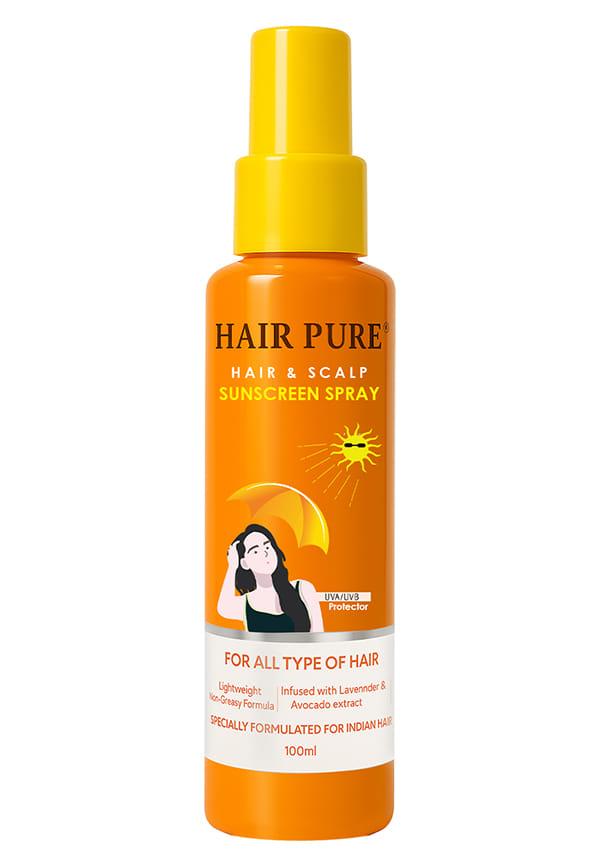
Hair & Scalp Sunscreen Spray
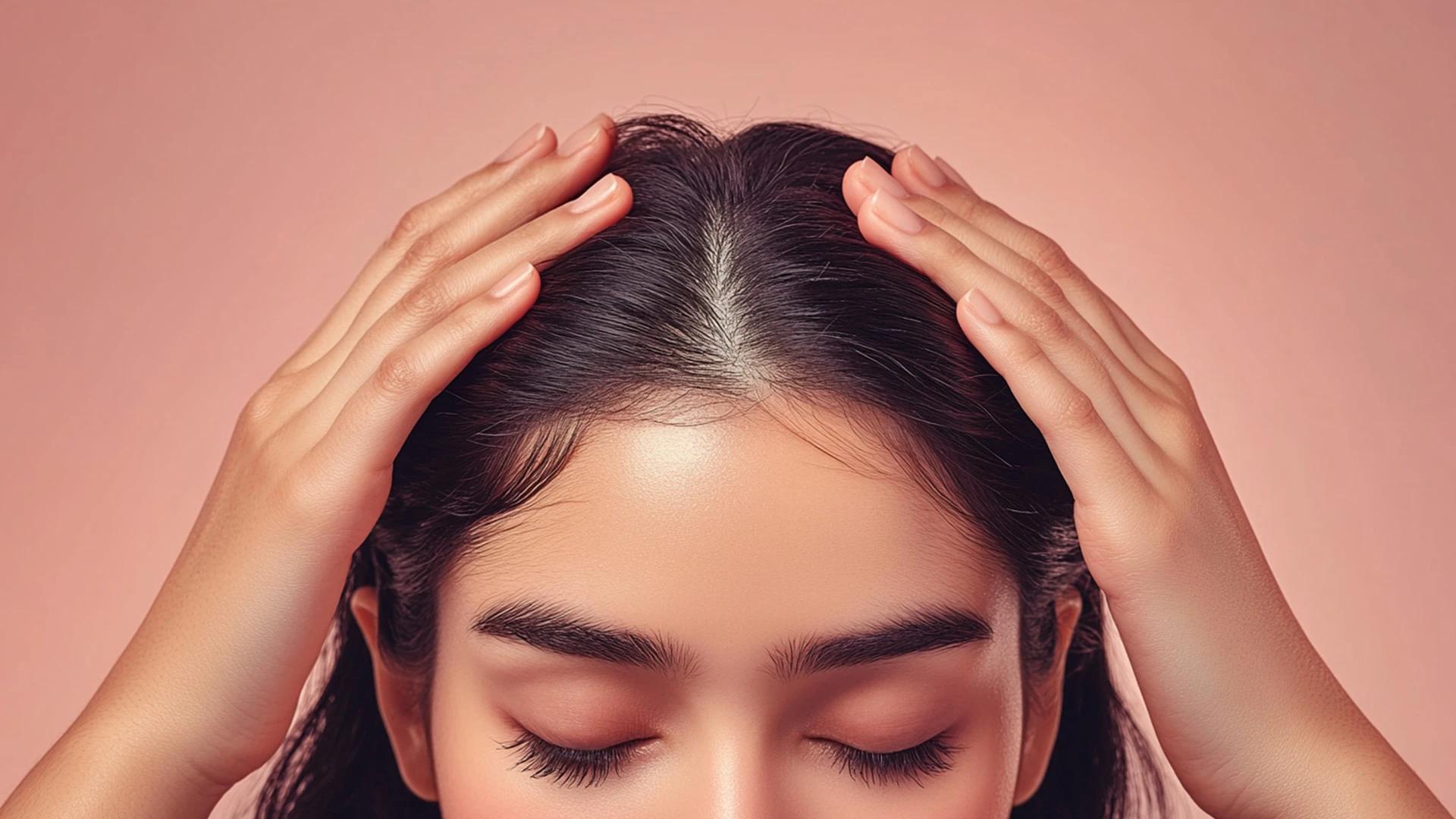
Let's be real—when you think about sun protection, your scalp probably isn't the first thing that comes to mind. Most of us slather on sunscreen everywhere else and assume our hair's got our scalp covered. Plot twist: it doesn't. Your scalp is actually one of the most vulnerable spots for sun damage, especially during those scorching summer months. The skin up there is thinner than you'd think, and those UV rays are sneaky little things that find their way through hair strands like they're on a mission. Whether you've got thick locks or are dealing with thinning hair, your scalp needs proper protection. That's where scalp sunscreens for hot weather come in—your new summer essential that you never knew you needed.
Here's something that might surprise you: your scalp is basically a UV magnet. The skin on your scalp is thinner and more delicate than the rest of your body, making it super vulnerable to sun damage. Even if you've got a full head of hair, those UV rays are crafty—they bounce off surfaces, sneak through hair strands, and target areas like your part line, crown, and temples.
Real talk, scalp skin cancer rates are higher than most people realise. The scalp accounts for about 10% of all skin cancers, and that's not a stat to mess around with. Your hair provides some natural UV protection for scalp, but it's nowhere near enough, especially when you're spending time outdoors in hot weather.
Scalp sunburn hits different—literally. It's often more painful than regular sunburn because the skin is thinner and more sensitive. You might notice symptoms like burning, itching, or even blistering that can last longer than your typical sunburn. The healing process can be trickier too, especially since your hair can trap heat and moisture, making recovery slower.
Not all scalp sunscreens for hot weather are created equal. The key is finding something that actually stays put when you're sweating and doesn't leave your hair looking like you dunked it in oil. Let's break down your options so you can find your perfect match.
Spray-on formulas are probably your easiest bet for quick application. They're lightweight, don't mess with your hairstyle too much, and you can reapply without completely redoing your look. The downside? They can be a bit patchy if you're not careful with coverage.
Powder-based options are brilliant for oily hair types or anyone who wants zero grease factor. These sunscreen for hair products often come with a bit of tint to blend with your hair colour, which is pretty clever. They're also great for touch-ups throughout the day.
Leave-in treatments with SPF are multitaskers that protect while conditioning your hair. Perfect if you're all about that efficient routine. Stick formulations work well for targeted protection—think part lines and hairlines where you need precise application.
For your scalp, don't mess about with anything less than SPF 30. SPF 50+ is even better, especially if you're planning to be outdoors for extended periods. Broad-spectrum protection is non-negotiable—you want coverage against both UVA and UVB rays.
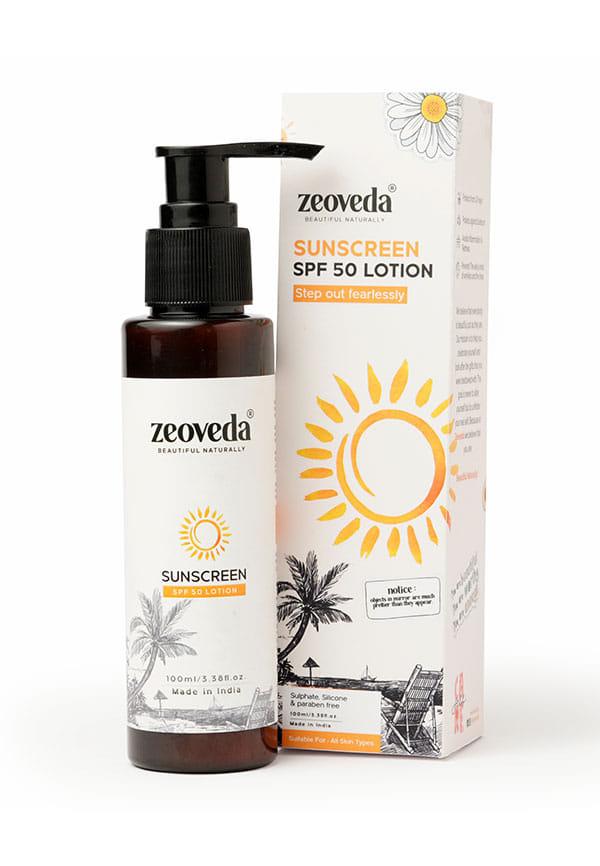
Sunscreen
Mixed scent and longevity
 5
5“smell is not good but long lasting”
Application technique can make or break your sun protection for scalp game. Start by sectioning your hair into small parts—think of it like you're getting highlights done. This ensures you're not missing any spots.
For spray formulas, hold the bottle about 6 inches away and spray in short bursts. Don't just spray the top layer of hair and call it a day. You need to get down to the scalp level. Work in sections, lifting hair as you go.
If you're using a cream or lotion-based hair sunscreen, apply it with your fingertips in gentle, circular motions. Focus extra attention on your part line, crown, and any areas where your hair is thinner. Don't forget your hairline and the tops of your ears—these spots are sunburn magnets.
Short hair makes application easier, but you'll need more frequent reapplication since there's less hair coverage. For long hair, section it off and work systematically from front to back. Curly hair can be trickier—the curls create natural gaps that UV rays love to exploit, so be extra thorough.
Scalp sunburn prevention isn't just about slapping on some SPF and hoping for the best. It's about creating a proper defence system. Hats are your first line of defence—look for ones with UPF (Ultraviolet Protection Factor) ratings. Wide-brimmed hats are ideal, but even a good baseball cap can provide decent coverage for your face and part line.
Timing matters too. Those peak UV hours between 10 AM and 4 PM are when the sun is at its most aggressive. If you can, plan your outdoor activities for early morning or late afternoon. When you can't avoid midday sun, seek shade whenever possible.
Protective hairstyles can be surprisingly effective. Braids, buns, and styles that keep hair close to your scalp provide better coverage than loose, flowing styles. Think of your hair as natural scalp protection—the more coverage, the better.
Heat protection for hair during summer isn't just about UV damage. High temperatures can dry out your scalp and hair, making them more vulnerable to damage. Consider using products that offer both UV and thermal protection, especially if you're planning beach days or outdoor sports.
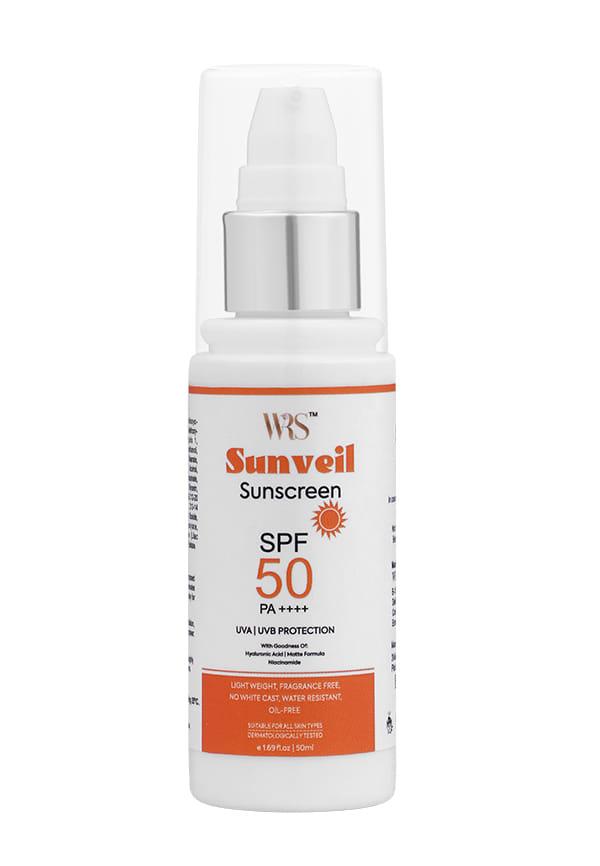
Sunveil Sunscreen
Knowing what to look for can help you catch scalp sun damage early. Redness, tenderness, and a burning sensation are obvious signs, but watch out for more subtle symptoms too. Itching, flaking, or unusual dryness can all indicate UV damage.
If you notice any new moles, changes in existing spots, or areas that don't heal properly, don't ignore them. Your scalp isn't easy to examine on your own, so consider asking someone to help you check for any concerning changes.
Severe scalp sunburn with blistering, fever, or signs of infection needs medical attention. Don't try to tough it out. Similarly, any persistent changes in your scalp's appearance warrant a dermatologist visit.
Building a solid scalp care routine for summer means thinking beyond just sun protection. Start your day by applying your chosen scalp sunscreen about 15-20 minutes before heading outdoors. This gives it time to properly absorb and form a protective barrier.
Midday reapplication is crucial, especially if you're sweating or swimming. Most sun protection haircare products need reapplying every 2-3 hours for optimal protection. Evening routines should focus on recovery—gentle cleansing to remove sunscreen buildup and moisturising treatments to repair any damage.
Weekly deep treatments can help maintain scalp health throughout the summer months. Look for products with ingredients like aloe vera, hyaluronic acid, or ceramides that help repair and hydrate sun-stressed skin.
This is where platforms like Smytten become incredibly useful for discovering the right products for your scalp care needs. With access to trial-sized versions of over 1,500 trusted brands, you can experiment with different scalp sunscreens and protective treatments without committing to full-size purchases. Whether you're trying out a new hair SPF formula or testing a cooling scalp treatment, being able to try before you buy takes the guesswork out of finding what works for your specific needs.
Combining scalp protection with your regular styling routine doesn't have to be complicated. Apply your sunscreen first, let it absorb, then add your styling products. Some leave-in conditioners and heat protectants now come with built-in SPF, making your routine even more streamlined.
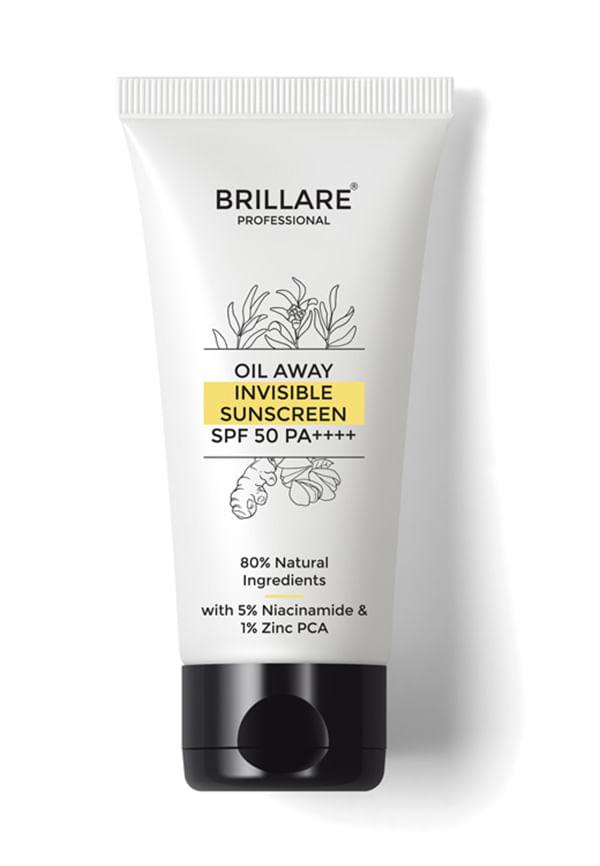
Oil Away INVISIBLE Sunscreen
Brillare Sunscreen Good for Oily Skin
5“Brillare oil away invisible sunscreen is good for oily prone skin, must try Brillare sunscreen.”
Good product for summer
5“Good product and wirks well in summer”
Light, Non-Sticky Texture
5“loved the texture. so light and non sticky”
While regular sunscreen can provide some protection, scalp-specific formulas are designed to work better with hair and won't leave the same greasy residue. They're also formulated to stay put despite sweating and hair movement.
Every 2-3 hours is the general rule, but if you're sweating heavily or swimming, you might need to reapply more frequently. Water-resistant formulas can extend this slightly, but don't push it beyond 4 hours.
Some water-resistant formulas work on damp hair, but most are designed for dry application. Check your product's instructions—applying to wet hair can dilute the protection and reduce effectiveness.
Modern formulas are much lighter than older versions. Spray and powder formulations are particularly good at avoiding the greasy factor. If you have fine hair, look for oil-free or mattifying formulas.
Those with less hair coverage need more robust protection. Consider higher SPF levels, more frequent reapplication, and combining sunscreen with hats or other physical barriers. Stick formulas can be easier to apply precisely to exposed areas.
Mineral-based sunscreens with zinc oxide or titanium dioxide are gentler options. Natural oils like coconut or shea butter offer minimal SPF (around 4-7), but they're not sufficient on their own for serious sun protection.
Protecting your scalp from harsh summer sun isn't just about avoiding a painful sunburn—it's about long-term scalp health and preventing serious sun damage. The right combination of quality scalp sunscreens for hot weather, protective styling, and smart timing can keep your scalp happy and healthy all summer long.
Remember, finding the perfect scalp protection routine might take some trial and error. What works for your friend's thick, curly hair might not be ideal for your fine, straight strands. That's where being able to test different products becomes invaluable. With Smytten's trial-sized options, you can explore various scalp sunscreens and protective treatments from trusted brands without the commitment of full-size purchases. After all, why settle for maybe when you can try it all and find exactly what your scalp needs to stay protected and healthy?
