How to Protect Your Scalp from Hard Water Damage

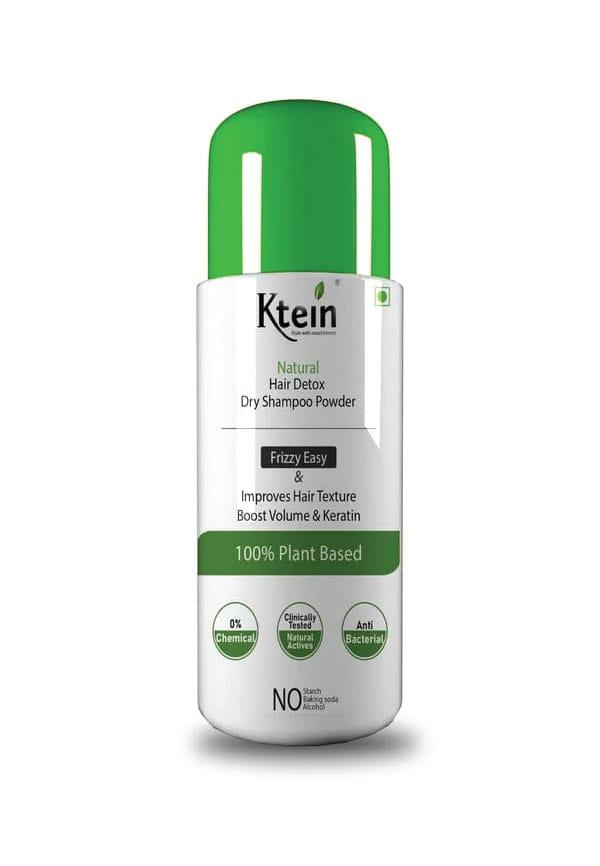
Natural Detox Dry Shampoo
Living in a hard water city can feel like your scalp is constantly under attack. If you've noticed your hair feeling rough, your scalp getting itchy, or products just not working the way they should, hard water might be the culprit. The good news? With the right scalp health routine for women in hard-water cities, you can protect your scalp and keep your hair looking fab. Let's dive into everything you need to know about fighting back against those pesky minerals that are messing with your mane.
Hard water is basically water that's loaded with minerals like calcium and magnesium. While these minerals aren't harmful to drink, they're absolute chaos for your scalp health. Think of it like this—every time you wash your hair, you're essentially coating your scalp and strands with a thin layer of mineral buildup.
This buildup doesn't just sit there looking pretty. It clogs your hair follicles, blocks your scalp's natural oils from doing their job, and creates the perfect environment for irritation and dryness. Your scalp starts feeling tight, itchy, and sometimes even painful. Meanwhile, your hair becomes a tangled, dull mess that refuses to cooperate no matter what products you throw at it.
Cities like Delhi, Mumbai, Bangalore, and Chennai are notorious for their hard water issues. If you're living in any major Indian city, chances are you're dealing with hard water hair problems without even realising it. The telltale signs include white residue on your taps, soap that doesn't lather well, and that persistent feeling that your hair never quite feels clean.
Your scalp has its own way of crying for help when hard water is wreaking havoc. Here are the red flags you shouldn't ignore:
Persistent dryness and flakiness that doesn't go away no matter how much you moisturise. This isn't your typical dandruff—it's your scalp literally suffocating under mineral buildup.
Increased scalp sensitivity where even gentle products start stinging or causing irritation
Hair feeling rough or brittle immediately after washing, like straw rather than silk
Difficulty getting a good lather from your shampoo, no matter how much you use
Visible buildup and residue on your scalp that looks like tiny white flakes or film
Increased hair breakage and noticeable thinning, especially around the hairline
Colour-treated hair fading faster than it should, looking dull and lifeless
If you're ticking multiple boxes here, it's time to seriously consider itchy scalp remedies and dry scalp treatment options specifically designed for hard water damage.
Creating an effective haircare routine for hard water areas isn't just about switching shampoos—it's about completely rethinking your approach to scalp care. This routine is designed to remove mineral buildup, restore your scalp's natural balance, and protect against future damage.
Start with dry brushing using a natural bristle brush to stimulate circulation and loosen any surface buildup. Follow this with a pre-treatment oil massage using coconut or jojoba oil, focusing on areas that feel particularly dry or irritated.
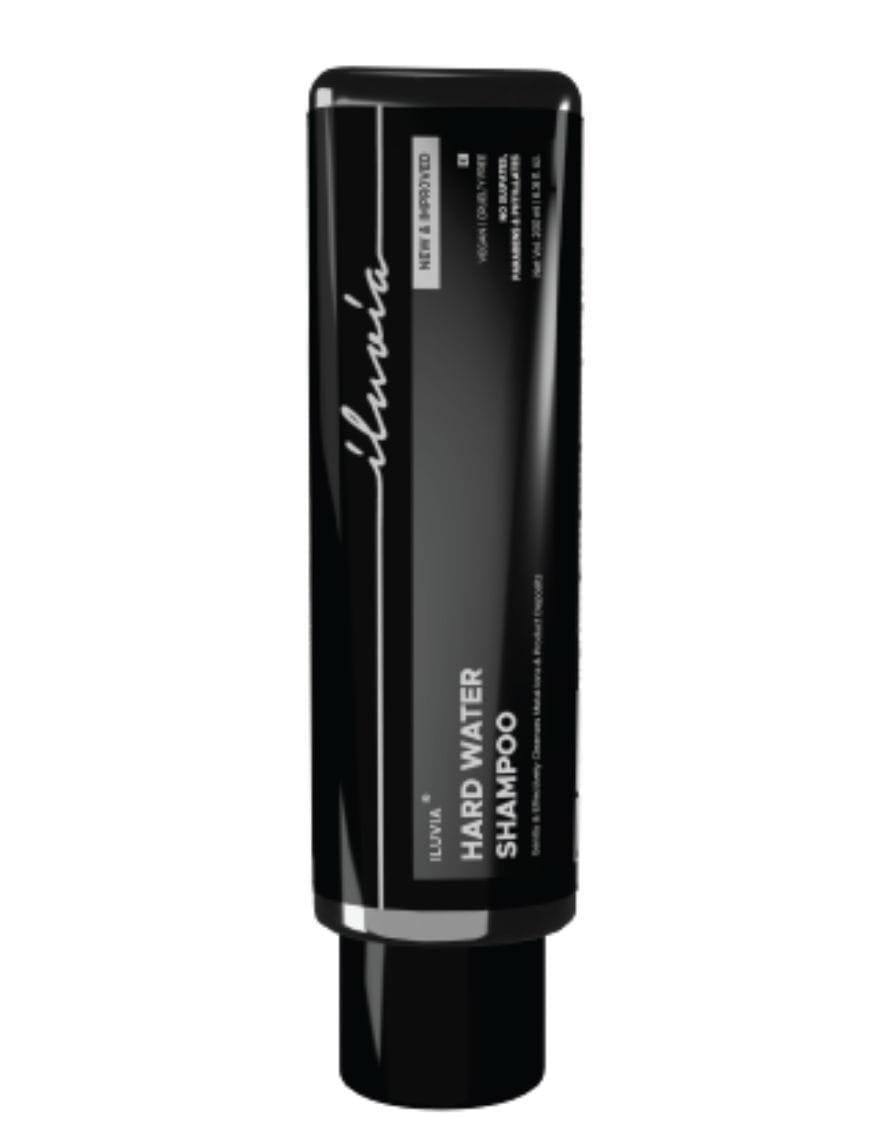
Professional Hard Water Shampoo
Positive Shampoo Review
 5
5“It is good shampoo and like it”
This is where the magic happens. Use a chelating shampoo specifically designed to remove mineral deposits—these contain ingredients like EDTA that literally grab onto those stubborn minerals and wash them away. Apply the shampoo twice, letting the first application sit for 2-3 minutes before rinsing thoroughly with lukewarm water.
After cleansing, apply a pH-balanced conditioner from mid-length to ends, avoiding the scalp. Once a week, treat your scalp to a deep conditioning mask that contains ingredients like hyaluronic acid or ceramides to restore moisture and repair damage.
Gently squeeze out excess water and pat dry with a microfibre towel. Apply a scalp serum containing niacinamide or salicylic acid to help maintain balance and prevent future buildup. Avoid heat styling when possible, and if you must, use a heat protectant.
Finding the right hair products for hard water can feel overwhelming, but knowing what ingredients to look for makes all the difference. The key is choosing products that can effectively remove mineral buildup while nourishing your scalp.
Chelating shampoos are your best friend here. Look for formulas containing EDTA, citric acid, or sodium gluconate—these ingredients are specifically designed to bind with minerals and wash them away. Brands like Neutrogena, Paul Mitchell, and Redken offer excellent chelating options that won't strip your hair completely.
For monthly scalp detox treatments, consider using apple cider vinegar rinses or bentonite clay masks. These natural options help remove stubborn buildup while being gentle on your scalp. Mix two tablespoons of apple cider vinegar with a cup of water for an effective rinse, or create a paste with bentonite clay and water for a deep-cleansing mask.
Don't forget about water filtration systems. Installing a shower filter can significantly reduce the mineral content in your water, making your entire routine more effective. Look for filters that specifically target calcium and magnesium removal.
Sometimes basic cleansing isn't enough, especially if you've been dealing with hard water damage for years. Advanced scalp care for women involves targeted treatments and lifestyle changes that support overall scalp health.
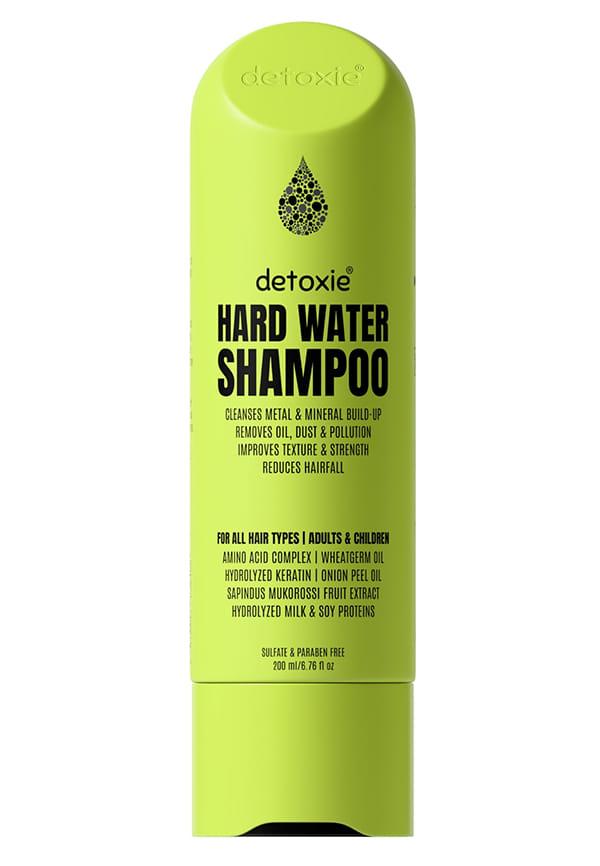
Hard Water Relief, Hair Fall Control & Pro Growth Shampoo
Effective Scalp Cleansing
5“cleaned scalp soooooo effectively”
Effective and long-lasting product
5“love the product, my scalp never felt this good. it lasts for a long time.”
Effective for hard water
5“chat gpt recommend this shampoo to me as we have hard water at out home. very little amount is required. can feel the effect in 2-3 wash.”
Incorporate weekly detox treatments into your routine. Apple cider vinegar rinses help restore your scalp's natural pH balance, while bentonite clay masks draw out impurities and excess minerals. For a gentle exfoliating treatment, mix brown sugar with olive oil to create a scalp scrub that removes dead skin cells and buildup.
Your scalp health starts from within. Ensure you're getting enough biotin, zinc, and omega-3 fatty acids in your diet. These nutrients support healthy hair growth and can help your scalp recover from hard water damage more quickly. Stay hydrated and consider adding foods like salmon, walnuts, and leafy greens to your meals.
If you're experiencing severe hair loss solutions or persistent scalp issues, it might be time to consult a trichologist or dermatologist. They can assess whether your problems are solely due to hard water or if there are underlying conditions that need addressing. Professional scalp treatments and medicated shampoos might be necessary for severe cases.
Prevention is always better than cure, and when it comes to healthy hair tips for hard water areas, consistency is key. The goal is to minimise mineral exposure while maintaining your scalp's natural protective barrier.
Consider investing in a whole-house water softening system if hard water is a persistent problem in your area. While this requires an initial investment, it can dramatically improve not just your hair health but your skin and overall quality of life. For a more budget-friendly option, shower filters are effective and easy to install.
When travelling to areas with hard water, pack travel-sized chelating shampoo and a small bottle of apple cider vinegar for emergency rinses. Your hair will thank you for the extra protection.
Monitor your scalp health regularly by taking photos and noting any changes in texture, sensitivity, or appearance. This helps you catch problems early and adjust your routine as needed. Remember, what works in winter might need tweaking during the humid summer months.
This is where platforms like Smytten become incredibly valuable for your haircare journey. With over 1,500 trusted brands and the ability to try products before committing to full sizes, you can experiment with different chelating shampoos, scalp treatments, and protective serums without the fear of wasting money on products that don't work for your specific hard water situation.
Most people start seeing improvements within 2-4 weeks of consistent treatment. Complete recovery can take 2-3 months, depending on the severity of damage and how long you've been exposed to hard water.
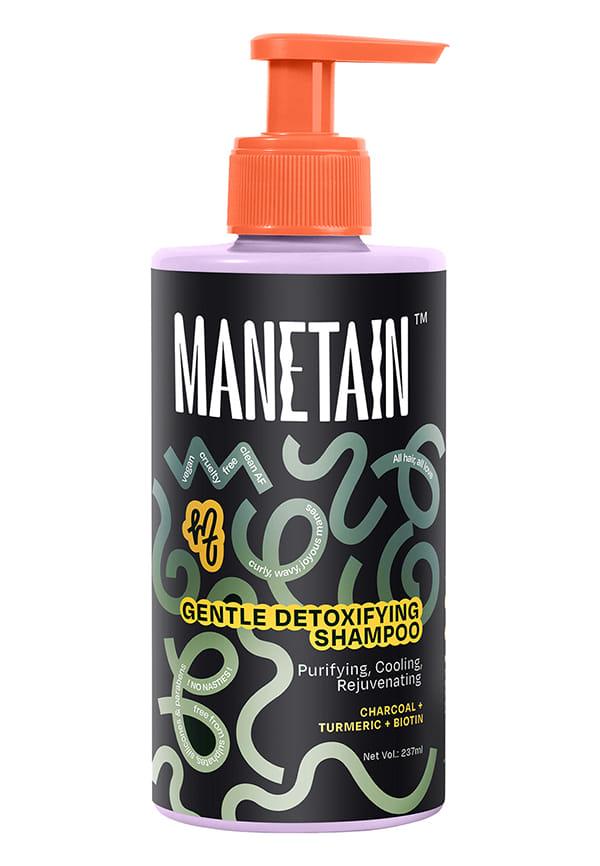
Gentle Detoxifying Shampoo with Charcoal
Hard water itself doesn't cause permanent hair loss, but prolonged exposure can weaken hair follicles and lead to increased breakage. The good news is that with proper treatment, most hair loss from hard water is reversible.
Hard water-induced dry scalp typically feels tight and itchy with small, white flakes. Dandruff usually involves larger, yellowish flakes and can be oily. Hard water issues improve with chelating treatments, while dandruff might need antifungal ingredients.
Use a chelating or clarifying shampoo 1-2 times per week, depending on your water's hardness level and hair type. Overuse can strip natural oils, so find the balance that works for your scalp.
If you're dealing with very hard water and multiple family members are affected, a water softener can be a worthwhile investment. For individual use, a good shower filter often provides sufficient protection at a fraction of the cost.
Apple cider vinegar rinses, aloe vera gel, and coconut oil treatments are excellent natural options. These ingredients help restore pH balance, provide moisture, and have anti-inflammatory properties.
Protecting your scalp from hard water damage isn't just about finding the right products—it's about understanding your specific needs and creating a routine that works for your lifestyle. The key is consistency and patience, as scalp health improvements take time to become visible.
Remember, every scalp is different, and what works for your friend might not work for you. This is where Smytten's trial approach becomes incredibly valuable. With access to over 1,500 trusted brands and the ability to try up to 8 minis for just ₹249, you can experiment with different chelating shampoos, scalp treatments, and protective products without committing to full sizes. Plus, with 100% cashback on trial purchases, you can discover your perfect hard water routine without the financial stress.
Whether you're dealing with mild dryness or severe scalp irritation, there's a solution out there that's worth trying. After all, why settle for damaged, uncomfortable scalp when you can #TryItAll and find what actually works for your unique hard water situation?
