How to Protect Your Hair from Winter Damage

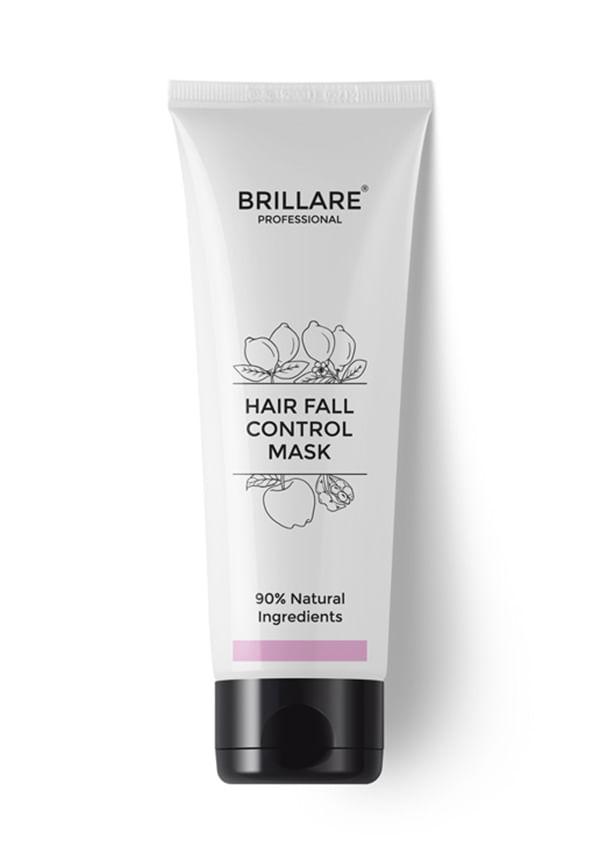
Hair Fall Control Mask To Reduce Seasonal Hair Fall
Great Hair Mask and Shampoo
 5
5“Must buy and a very food and effective hair mask Shampoo is good too”
Winter's here, and your hair's probably sending you some serious SOS signals. That morning frizz, the static that makes you look like you've been electrocuted, and don't even get us started on how dry your scalp feels. Let's be real—winter can be brutal on your hair, but it doesn't have to be a losing battle. With the right winter hair care tips and a bit of know-how, you can keep your locks looking lush all season long. Think of this as your complete survival guide for protecting your hair from everything winter throws at it.
Ever wondered why your hair goes from manageable to absolutely chaotic the moment temperatures drop? It's not just in your head—there's actual science behind winter's hair-damaging powers. Understanding what's happening can help you fight back more effectively.
Cold air is basically a moisture thief. When temperatures plummet, the air holds way less humidity, which means it's constantly trying to steal moisture from wherever it can find it—including your hair. Your hair cuticles, those tiny scales that protect each strand, start lifting and becoming rough when they're dehydrated. This creates a perfect storm for tangles, breakage, and that dreaded straw-like texture.
Indoor heating makes things even worse. Those cosy radiators and central heating systems are pumping out dry, hot air that's even more dehydrating than the cold stuff outside. It's like your hair is caught between two moisture-sucking forces, and honestly, it doesn't stand a chance without proper protection.
Let's talk about what you're actually dealing with day-to-day. Dry hair remedies become essential when your strands feel more like hay than hair. You might notice your hair snapping when you brush it, or those annoying little flyaways that refuse to stay put no matter what you do.
Static electricity becomes your worst enemy, especially when you're pulling off woolly jumpers or walking across carpeted floors. Your scalp might start feeling tight and itchy, sometimes even flaking. And that gorgeous shine your hair had in summer? Yeah, that's probably taken a holiday until spring arrives.
Time to completely rethink your winter haircare routine. What worked in summer definitely won't cut it now, so let's build you a proper defence strategy that actually works with the season, not against it.
First things first—put down that shampoo bottle. Seriously, you're probably washing your hair way too often for winter conditions. Aim for 2-3 times per week maximum, because every wash strips away natural oils that your hair desperately needs right now.
When you do wash, ditch anything with sulfates. These harsh cleansers are like using washing-up liquid on your hair—they'll clean it, sure, but they'll also strip away every bit of moisture in the process. Look for gentle, moisturising formulas instead.
Water temperature matters more than you think. That scalding hot shower might feel amazing on a freezing morning, but it's absolutely terrible for your hair. Lukewarm water is your friend—it'll clean effectively without shocking your hair cuticles into complete chaos. Finish with a cool rinse to seal those cuticles back down.
Your regular conditioner isn't going to cut it anymore. You need to bring in the big guns—winter hair masks that can actually penetrate and repair damaged strands. Once a week minimum, treat your hair to a proper deep conditioning session.
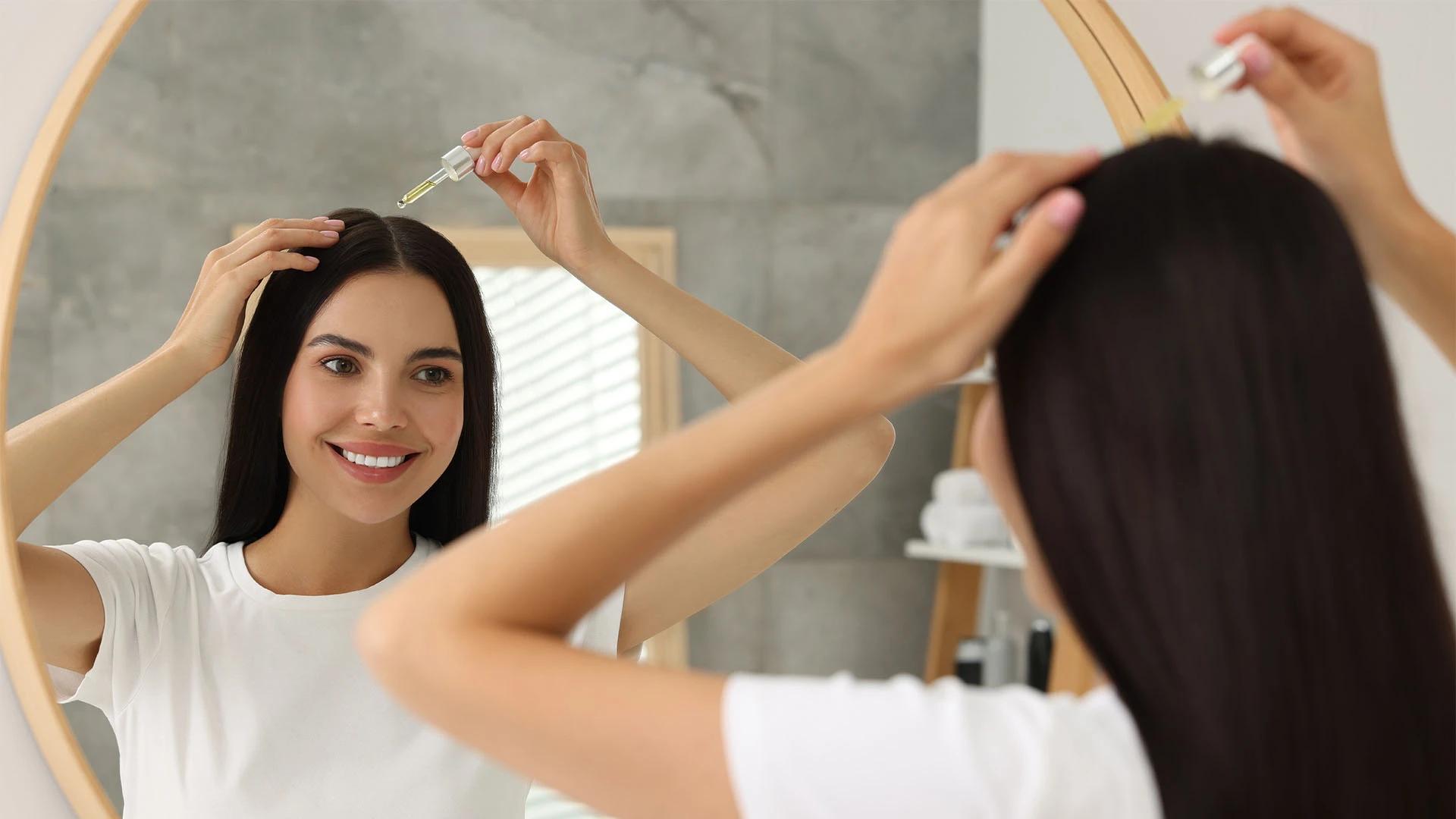
Layer your moisture like you layer your clothes. Start with a leave-in conditioner on damp hair, then add a hair oil to the ends, and finish with a light serum if needed. This creates multiple barriers against moisture loss throughout the day.
Let's get serious about hair hydration tips that go beyond just slapping on some conditioner and hoping for the best. Your hair needs intensive moisture restoration, and these methods deliver.
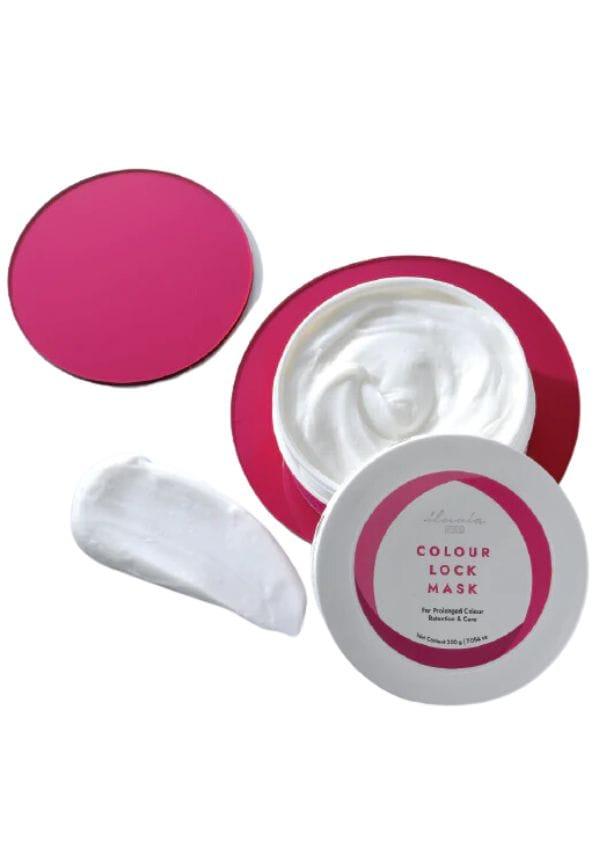
Colour Lock Mask
Oil treatments are absolute game-changers in winter. Coconut oil is brilliant for most hair types—warm it slightly between your palms and work it through from mid-length to ends. Leave it on for at least 30 minutes, or overnight if you're feeling ambitious.
For fine hair that gets weighed down easily, argan oil is your best mate. It's lightweight but incredibly nourishing, and it won't leave your hair looking greasy. Jojoba oil is fantastic for scalp care winter routines because it closely mimics your natural sebum.
The key with oil treatments is consistency. Once a week minimum, but twice is even better if your hair is really struggling. Apply to dry hair before shampooing for maximum penetration.
Sometimes the best treatments are sitting right in your kitchen. Mash up half an avocado with a tablespoon of honey for an incredibly moisturising mask that'll leave your hair feeling like silk. The avocado provides healthy fats whilst the honey locks in moisture.
For a protein boost that helps with hair breakage prevention, mix a ripe banana with a tablespoon of olive oil. This combination strengthens weak strands whilst adding serious moisture. Apply to damp hair, leave for 20-30 minutes, then rinse thoroughly.
We know you're not going to give up your hair dryer completely, but winter calls for some serious damage control when it comes to heat styling. Your hair is already stressed from the weather—don't make things worse with unnecessary heat damage.
Heat protectant isn't optional anymore—it's absolutely essential. Apply it to damp hair before any heat styling, and don't skimp on the amount. Your hair needs a proper barrier between it and those hot tools.
Turn down the temperature on everything. Your hair dryer, straighteners, curling irons—they all need to run cooler in winter. Damaged hair can't handle the same heat levels as healthy hair, so be gentle.
Air drying becomes your best friend, even if it takes longer. If you must blow-dry, use the cool shot button at the end to seal your cuticles and add shine. Protective styles like loose braids or buns can help minimise exposure to harsh elements.
Those split ends aren't going to heal themselves, no matter what any product claims. The only real split end treatment is cutting them off, and winter makes regular trims even more important.
Book yourself in every 6-8 weeks, even if it's just for a tiny trim. Removing damaged ends prevents splits from travelling up the hair shaft and causing more breakage. Think of it as preventative maintenance for your hair's health.
Your scalp is the foundation of healthy hair, and it needs just as much attention as your strands during winter. A dry, irritated scalp can't produce healthy hair, so let's sort that out.
Gentle exfoliation once a week can work wonders for a flaky scalp. Use a soft brush or your fingertips to massage your scalp whilst shampooing—this removes dead skin cells and boosts circulation.
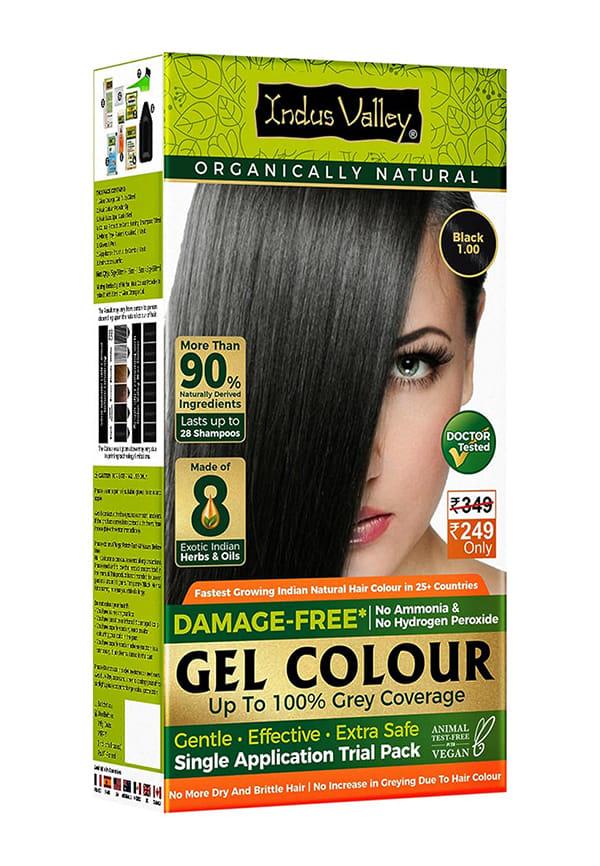
Damage Free Natural Gel Hair Colour for Women
Amazing Product
4“amazing product 😁😁😁😁😁😁😁😁”
Amazing Product
4“amazing product 😁😁😁😁😁😁😁😁”
Amazing Product
4“amazing product 😁😁😁😁😁😁😁😁”
Scalp massage isn't just relaxing—it's genuinely beneficial for hair health. Spend a few minutes each day massaging your scalp with your fingertips. This increases blood flow, which brings nutrients to your hair follicles.
If dandruff becomes an issue, look for pH-balanced anti-dandruff solutions rather than harsh medicated shampoos that might strip your scalp further. Sometimes what looks like dandruff is actually just dry skin from dehydration.
Tea tree oil is brilliant for scalp health, but always dilute it properly—a few drops in your regular shampoo or mixed with a carrier oil. It has antimicrobial properties that can help with scalp irritation.
Aloe vera gel straight from the plant (or a pure version from the shop) can soothe an irritated scalp. Apply it directly, leave for 15-20 minutes, then rinse out. It's cooling and incredibly healing for dry, tight scalp skin.
Static hair is probably one of the most annoying winter hair problems, but there are proper frizzy hair solutions that actually work. It's all about creating barriers and controlling your environment.
Invest in a silk or satin-lined hat if you're going to be wearing headwear regularly. Cotton and wool create friction that leads to breakage and static, whilst silk allows your hair to glide smoothly.
Learn proper scarf wrapping techniques that protect your hair without flattening it completely. Loose, gentle wrapping is key—you want protection without creating dents or tangles.
Never, ever leave the house with wet hair in winter. Wet hair is incredibly vulnerable to damage, and cold temperatures can actually cause the water in your hair shaft to expand and create microscopic cracks.
An ionic hair dryer can be a game-changer for static hair control. These dryers emit negative ions that neutralise the positive charges that cause static electricity. Worth the investment if static is a major problem for you.
Anti-frizz serums work best when applied to slightly damp hair, not completely dry hair. A tiny amount distributed through your lengths can create a protective barrier against humidity changes throughout the day.
Silk pillowcases aren't just a luxury—they genuinely reduce friction whilst you sleep, which means less breakage and static when you wake up. Plus, they're gentler on your skin too.
Real talk—you can't just treat hair damage from the outside and expect miracles. What you eat and drink has a massive impact on your hair's health, especially during the stressful winter months.
Omega-3 fatty acids from fish, walnuts, and flaxseeds help maintain hair's natural oils and shine. If your diet is lacking in these, your hair will definitely let you know by becoming dry and brittle.
Biotin and vitamin D become even more important in winter when you're getting less sunlight. Consider supplements if you're not getting enough from food sources, but check with a healthcare provider first.
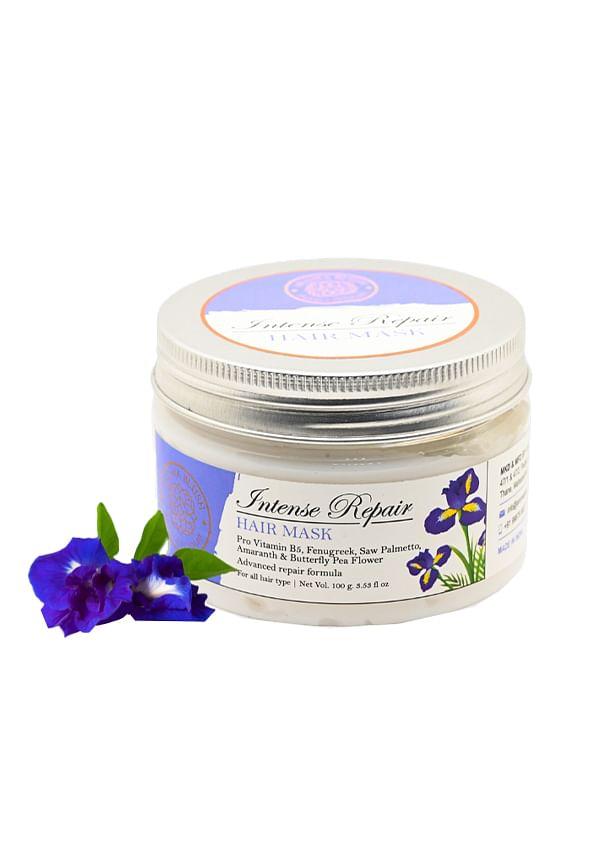
Intense Repair Hair Mask
Nice Product, Lovely to Use
5“nice product lovely to use this product Maja agya”
Hydrating & Soothing Scalp
5“very hydrating and soothing on the scalp”
Iron deficiency can cause hair thinning and breakage, so make sure you're getting enough from sources like spinach, lentils, and lean meats. Protein is crucial too—your hair is basically made of protein, so skimping on it will show in your hair's condition.
You might not feel as thirsty in winter, but your body (and hair) still needs plenty of water. Aim for at least 8 glasses a day, and remember that heating systems can be incredibly dehydrating.
A humidifier in your bedroom can work wonders for both your hair and skin. It adds moisture back into the air that heating systems remove, creating a more hair-friendly environment whilst you sleep.
When you're exploring different products to find what works for your hair, platforms like Smytten make it so much easier to try before you commit. With curated trial packs from over 1,500 trusted brands, you can test various dry hair remedies and winter treatments without the risk of buying full-size products that might not work for you. Getting up to 8 minis for just ₹249, plus 100% cashback redeemable for future orders, means you can experiment with different haircare solutions until you find your perfect winter routine.
Reduce washing to 2-3 times per week maximum. Winter air is already stripping moisture from your hair, so frequent washing will only make dryness worse. Focus on using dry shampoo between washes to keep your scalp fresh.
Use a silk or satin-lined hat, sleep on silk pillowcases, and apply a small amount of anti-frizz serum to damp hair. Avoid over-brushing dry hair, and consider using an ionic hair dryer to neutralise static charges.
Your hair's needs change dramatically with the seasons. Winter calls for richer, more moisturising products, whilst summer might require lighter formulas. Switch to sulfate-free shampoos and heavier conditioners during cold months.
Stretch a wet strand of hair. If it snaps immediately, you need moisture. If it stretches too far without snapping back, you need protein. Most winter-damaged hair needs moisture first, then protein for strengthening.
Generally yes, but fine hair might get weighed down. Start with lighter oils like argan or jojoba, and apply only to the lengths and ends. If your hair feels greasy the next day, reduce the amount or try a shorter treatment time.
Using the same routine they use in summer. Winter requires completely different products and techniques—more moisture, less frequent washing, lower heat settings, and protective styling become essential.
Winter doesn't have to mean bad hair days for the next few months. With the right approach—focusing on moisture, protection, and gentle care—you can actually have some of your best hair days during the coldest season. Remember, consistency is key with any winter haircare routine.
The most important changes you can make right now are reducing your washing frequency, switching to gentler products, and adding regular oil treatments to your routine. Your hair will thank you for the extra TLC, and you'll notice the difference within just a few weeks.
Don't forget that finding the right products for your specific hair type might take some trial and error. That's where platforms like Smytten become invaluable—you can explore different brands and formulations without committing to full-size products. With over 25 million users trusting the platform for product discovery, you're in good company when you decide to try something new. After all, why settle for 'maybe' when you can #TryItAll and find exactly what your hair needs to thrive this winter?
