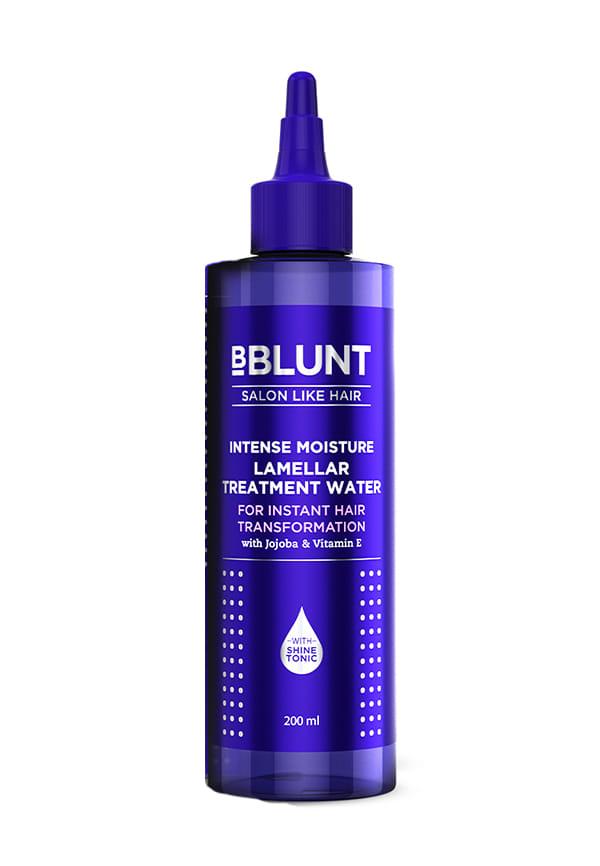
“the packaging is very good and the product is also very good on your hair”
Ruchika Choudhary29 Dec 2025
Makes hair super soft
5
“I keep repurchasing this. It makes my hair so super soft”
Mishika Sinha27 Dec 2025
Ever wondered why your hair feels like straw despite using the most expensive conditioners? Or why your shampoo barely lathers no matter how much you use? The culprit might be lurking in your shower head—hard water. This mineral-heavy water doesn't just leave spots on your dishes; it's quietly wreaking havoc on your hair. From dullness and breakage to stubborn buildup that makes styling a nightmare, hard water hair damage is more common than you think. But here's the good news: with the right hard-water haircare routine for women, you can turn things around and get your hair back to its healthy, shiny self.
What Is Hard Water and How Does It Damage Your Hair?
Let's get real about what hard water actually is. Hard water contains high levels of dissolved minerals like calcium, magnesium, and sometimes iron. When you wash your hair with this mineral-rich water, these substances don't just rinse away—they stick around, creating a film on your hair shaft that's basically invisible armour against everything good.
The science behind hard water hair damage is pretty straightforward but frustrating. These minerals bond with your hair's natural proteins and any products you use, creating a buildup that's tough to shift. Think of it like trying to wash dishes with soap in mineral-heavy water—you get that filmy residue that just won't budge. Your hair experiences the same thing, except this mineral buildup hair issue affects how your hair looks, feels, and responds to styling.
Signs Your Hair Is Suffering from Hard Water Damage
Spotting hard water hair damage isn't always obvious at first. You might notice your hair feels different but can't quite put your finger on why. Here are the telltale signs that hard water is messing with your mane:
• Hair feels dry and brittle despite regular conditioning treatments
• Your usual shampoo barely creates a lather, no matter how much you use
• Hair colour fades faster than it should, especially if you've recently dyed it
• Scalp feels itchy or flaky, even with gentle products
• Hair looks dull and lacks its natural shine
• Strands feel heavy or weighed down, like there's something coating them
• Increased tangling and breakage during brushing
• Styling products don't seem to work as well as they used to
If you're ticking off multiple boxes here, it's time to address your hard water hair damage with a targeted approach.
Essential Hard-Water Haircare Routine for Women
Creating an effective hard-water haircare routine for women isn't about completely overhauling your current routine—it's about making smart swaps and additions that specifically target mineral buildup. The key is consistency and using products that actually work against hard water's effects.
Your haircare for hard water routine should focus on three main goals: removing existing buildup, preventing new accumulation, and restoring moisture that hard water strips away. This isn't a quick fix situation, but with the right approach, you'll start seeing improvements within a few weeks.
Pre-Wash Preparation
Before you even step into the shower, there are a few things you can do to set your hair up for success. Start by gently detangling your hair with a wide-tooth comb—this prevents unnecessary breakage when your hair is wet and more vulnerable.
Consider doing a quick scalp massage with a few drops of oil. This helps loosen any buildup and prepares your scalp for the cleansing process.
The Cleansing Phase
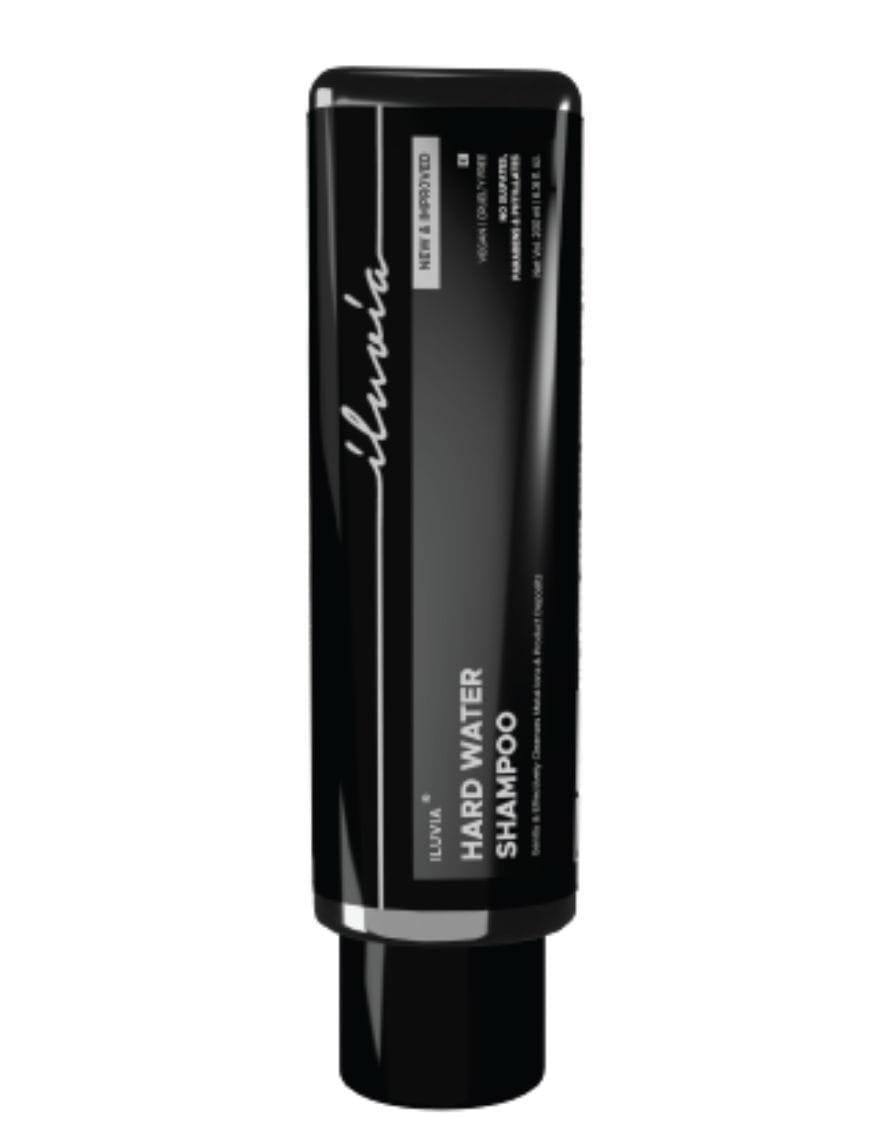
4.1|(200 ml)
iluvia
Professional Hard Water Shampoo
₹ 930
Reviews from genuine users
Positive Shampoo Review
5
“It is good shampoo and like it”
Sanjay Kushwaha18 Mar 2025
This is where your hard water shampoo choice makes all the difference. Regular shampoos just aren't equipped to deal with mineral deposits effectively. You need something with more power—enter the chelating shampoo.
Chelating shampoos contain ingredients like EDTA that literally grab onto mineral deposits and pull them away from your hair. Think of them as the heavy-duty cleaners of the haircare world. Use a chelating shampoo once or twice a week, depending on how severe your hard water situation is.
For daily washing, look for shampoos specifically formulated for hard water. These are gentler than chelating shampoos but still more effective than regular formulas at dealing with mineral buildup.
Deep Conditioning Protocol
Hard water strips moisture from your hair, so replenishing it is crucial. After every wash, use a deep conditioning treatment that focuses on hydration rather than protein. Your hair is already dealing with mineral deposits; adding too much protein can make it feel stiff and brittle.
Look for conditioners with ingredients like hyaluronic acid, glycerin, or natural oils. These penetrate the hair shaft and provide lasting moisture that helps combat the drying effects of hard water.
Post-Wash Care
This is where a hard water hair rinse becomes your best friend. After conditioning, do a final rinse with diluted apple cider vinegar or lemon juice. Mix one part vinegar or lemon juice with three parts water, pour it over your hair, and rinse with cool water.
This acidic rinse helps dissolve any remaining mineral deposits and restores your hair's natural pH balance. Your hair will feel softer and look shinier almost immediately.
Best Hard Water Hair Solutions and Treatments
When it comes to hard water hair solutions, you've got options ranging from professional treatments to DIY remedies. The key is finding what works for your hair type and lifestyle.
Professional hair detox for hard water treatments at salons can be incredibly effective, especially if you're dealing with severe buildup. These treatments use stronger chelating agents than what's available for home use and can reset your hair in one session.
At-Home Solutions
For regular maintenance, DIY treatments can be just as effective and much more budget-friendly. A weekly hair softening treatment using ingredients from your kitchen can work wonders.
Try this simple recipe: mix two tablespoons of baking soda with your regular shampoo once a week. The baking soda helps break down mineral deposits while the shampoo cleanses. Follow with a deep conditioning treatment to restore moisture.
Another effective hard water hair rinse involves dissolving a teaspoon of citric acid (available at most grocery stores) in a cup of warm water. Use this as a final rinse after conditioning.
Water Filtration Systems
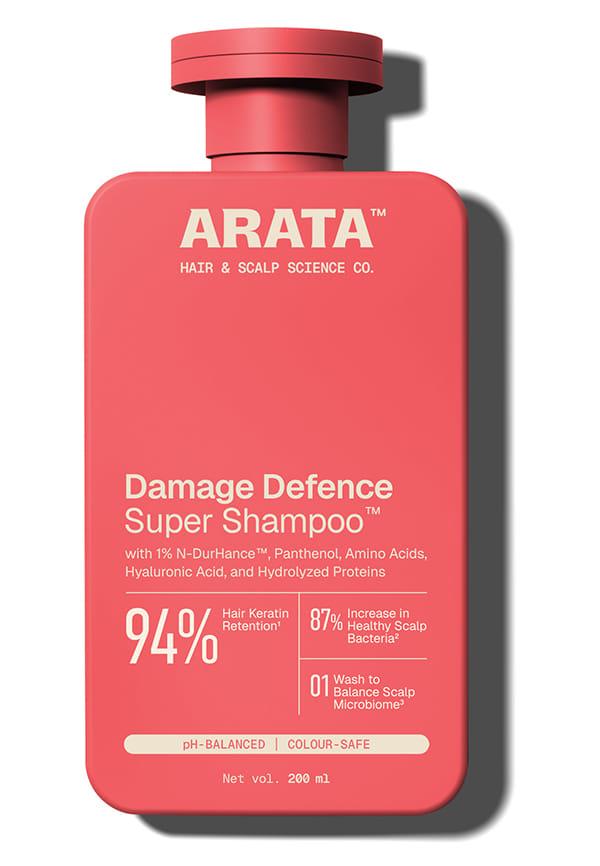
4.2|(200 ml)
Arata
Damage Defence Super Shampoo
₹ 44940 % OFF
₹ 269
Reviews from genuine users
Nice Product
4
“nice product...................”
Seetha K25 Aug 2026
Nice Product
4
“nice product...................”
Seetha K25 Aug 2026
Good for damaged hair
5
“works good on damage hairs.....”
Preity Shinde13 Aug 2026
If you're serious about solving your hard water problem long-term, consider investing in a shower filter or water softening system. While this requires an upfront investment, it can transform not just your hair but your skin and overall shower experience.
Shower filters are the more affordable option and can remove a significant amount of minerals from your water. They're easy to install and replace, making them a practical choice for renters or those on a budget.
Product Selection Guide for Hard Water
Choosing the right products for your hard-water haircare routine for women can feel overwhelming with so many options available. The good news is that you don't need to completely replace everything in your shower—just make strategic swaps.
When shopping for a hard water shampoo, look for formulas that specifically mention chelating properties or hard water on the label. Ingredients like EDTA, citric acid, or sodium gluconate are your friends here.
Key Ingredients to Look For
Chelating agents are the stars of hard water haircare. EDTA (ethylenediaminetetraacetic acid) is the most common and effective. Citric acid is a gentler, more natural option that works well for regular use.
Moisturising ingredients like ceramides, hyaluronic acid, and natural oils help counteract the drying effects of both hard water and chelating treatments. Look for products that balance cleansing power with hydration.
Ingredients to Avoid
Steer clear of products with high levels of sulfates if you're already dealing with dry, damaged hair from hard water. While sulfates can help remove buildup, they can also strip away too much moisture.
Also avoid products with heavy silicones, as these can add to the buildup problem when combined with mineral deposits.
This is where platforms like Smytten become incredibly valuable for anyone dealing with hard water hair issues. With over 1,500 trusted brands including Cetaphil, Dot & Key, and Love, Beauty & Planet, you can try different hard water hair solutions without committing to full-size products. Getting up to 8 minis for just ₹249 means you can test various chelating shampoos and treatments to find what works best for your specific hair needs.
Prevention Strategies and Long-Term Hair Health
Preventing mineral buildup hair issues is often easier than treating them after they've developed. Small changes to your routine can make a big difference in how your hair responds to hard water over time.
Consider the temperature of your water—hot water opens up the hair cuticle, making it easier for minerals to penetrate and stick. Washing with lukewarm water and finishing with a cool rinse helps seal the cuticle and prevent mineral absorption.
Daily Prevention Habits
Protective styling becomes even more important when you're dealing with hard water. Styles that keep your hair away from your face and reduce manipulation help minimise damage from environmental factors, including mineral-heavy water.
Regular trims are crucial too. Hard water can make split ends worse, so staying on top of cuts helps prevent damage from travelling up the hair shaft.
Lifestyle Adjustments
If you travel frequently, pack a small bottle of chelating shampoo or citric acid rinse. Different areas have varying levels of water hardness, and your hair might react differently depending on where you are.
Seasonal adjustments matter too. Winter heating can make hard water effects more pronounced, so you might need to increase your deep conditioning frequency during colder months.
Frequently Asked Questions
How often should I use a chelating shampoo for hard water?
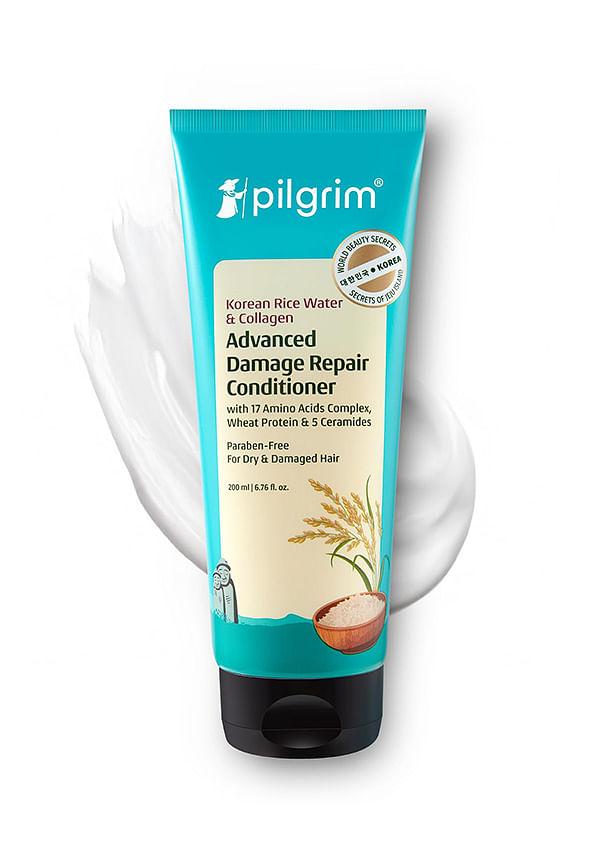
4.6|(200 ml)
Pilgrim
Korean Rice Water & Collagen Advanced Damage Repair Conditioner
₹ 39547 % OFF
₹ 209
Reviews from genuine users
Great Smell & Soft Hair
5
“such a great smell and soft hair”
Snighdha Karmakar01 Sep 2026
A Must-Try Product
4
“a must try product. I like it.”
Chaitu Reddy30 Aug 2026
Very Good Product
5
“this is very good products and made my day”
Gurjot Sng19 Aug 2026
Most hair types benefit from using a chelating shampoo once or twice a week. If your hair is particularly damaged or you have very hard water, you might need to use it more frequently initially, then reduce to once a week for maintenance.
Can hard water cause permanent hair damage?
While hard water hair damage can be severe, it's rarely permanent. With consistent use of the right products and treatments, most people see significant improvement within 4-6 weeks of starting a proper routine.
What's the difference between hard water shampoo and regular shampoo?
Hard water shampoo contains chelating agents that specifically target mineral deposits, while regular shampoos focus on removing dirt and oil. Hard water shampoos are formulated to work effectively even when your water doesn't lather well.
How do I know if my area has hard water?
You can test your water hardness with simple test strips available online or at hardware stores. Signs include soap scum buildup, spots on dishes, and of course, the hair and skin issues we've discussed.
Are there natural alternatives to commercial hard water treatments?
Yes! Apple cider vinegar, lemon juice, and baking soda can all help with mineral buildup hair issues. While they might not be as powerful as commercial chelating agents, they're gentler and work well for maintenance.
Can hard water affect hair colour and chemical treatments?
Absolutely. Hard water hair can cause colour to fade faster and make chemical treatments less effective. The mineral buildup creates a barrier that prevents products from penetrating properly.
Final Thoughts
Dealing with hard water doesn't mean you have to accept dull, damaged hair as your reality. With the right hard-water haircare routine for women, you can restore your hair's health and maintain it long-term. The key is consistency and using products specifically designed to tackle mineral buildup.
Remember, finding the perfect routine might take some trial and error. What works for your friend might not work for you, and that's completely normal. Your hair type, the severity of your hard water, and your lifestyle all play a role in determining the best approach.
Smytten's trial platform makes this experimentation process much more affordable and less risky. With 100% cashback on trial purchases and access to over 1,500 brands, you can test different hard water hair solutions until you find your perfect match. After all, why settle for 'maybe' when you can try it all and find what actually works for your unique hair needs?

 5
5