How to Protect Hair From Helmet: Easy Solutions for Bikers

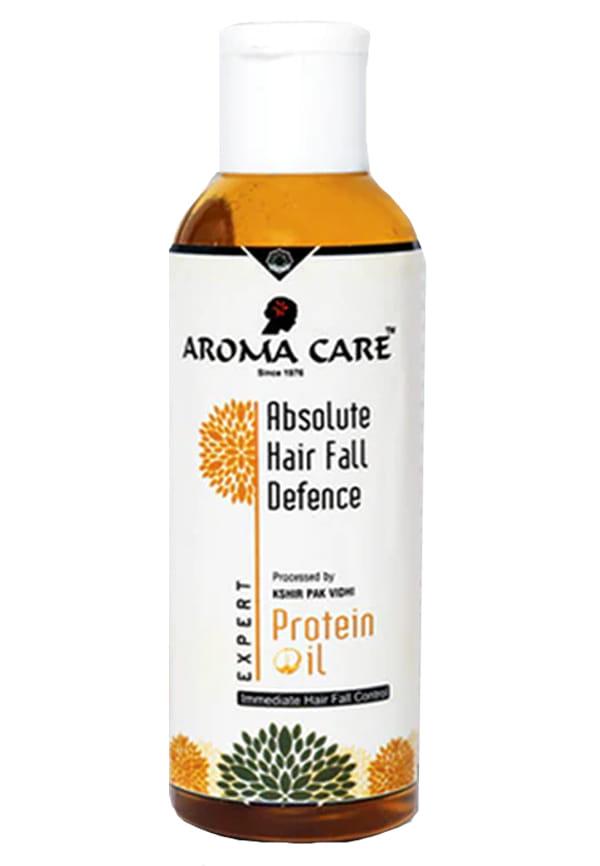
Absolute Hair Fall Defence Protein Oil
Picture this: you've just pulled off your helmet after a long ride, and your hair looks like you've been through a wind tunnel backwards. The dreaded helmet hair strikes again. If you're a regular biker, you know this struggle all too well. Between the pressure, the sweat, and the inevitable friction, your hair takes a proper beating every time you gear up for safety. But here's the thing – protecting your hair from helmet damage doesn't have to mean choosing between safety and style.
Let's be real about what's actually happening to your hair under that helmet. It's not just about looking a bit flat when you take it off – there's proper science behind the damage.
When you strap on a helmet, you're creating a perfect storm for hair damage. The constant friction between your hair and the helmet's interior lining roughens up your hair cuticles, leading to frizz and breakage. Add the pressure from a snug fit (which you need for safety), and you're literally flattening your hair follicles against your scalp. Then there's the moisture situation. Your scalp naturally produces oils and sweat, but under a helmet, there's nowhere for that moisture to go. This creates a humid environment that can make your hair limp, greasy, or even cause scalp irritation. The heat buildup doesn't help either – trapped warm air can weaken your hair shaft over time.
Not all hair types suffer equally under helmets. Curly and textured hair faces the biggest challenge because the natural bends and curves create more surface area for friction. Fine hair gets flattened easily and loses volume instantly. Long hair has its own set of problems – it's more likely to tangle and break from the constant rubbing. Your scalp type matters too. Oily scalps can become a greasy mess, whilst dry scalps might get irritated from the friction and lack of airflow.
The good news? There are loads of clever accessories designed specifically for this problem. You don't have to suffer in silence.
These are absolute game-changers for anyone with curly or textured hair. Silk and satin create a smooth surface that reduces friction dramatically. They also help retain your hair's natural moisture instead of absorbing it like cotton would. The key is getting the right fit – too tight and you're adding pressure, too loose and it'll bunch up. To use them properly, slip the liner on first, then position your hair as you normally would before putting on your helmet. Wash them gently by hand with mild detergent, and they'll last you ages.
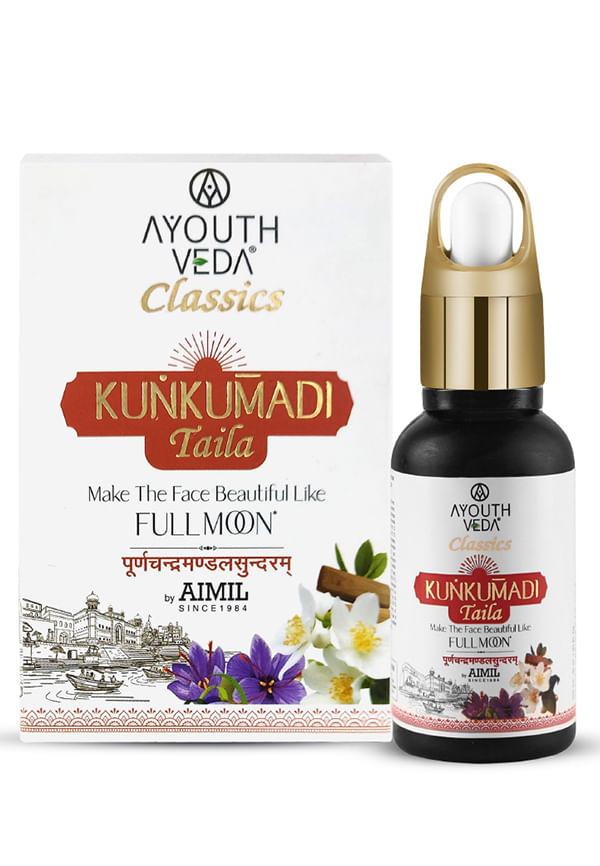
Kunkumadi Taila
For daily commuters or anyone riding in hot climates, breathable skull caps are worth their weight in gold. Look for bamboo or moisture-wicking lycra materials that absorb sweat without making your scalp feel suffocated. Cotton bandanas work too, but they can get soggy on longer rides. The trick is finding one that's thin enough not to affect your helmet fit but substantial enough to create a protective barrier. Many bikers swear by cycling skull caps – they're designed for exactly this purpose.
If you've got long, thick hair, external hair protectors might be your solution. These attach to the back of your helmet and create a wind-resistant pouch for your hair. They're particularly brilliant for braided styles or when you want to keep your hair completely out of the helmet. Most modern versions use magnetic or clip-on systems that don't compromise your helmet's safety features. Just make sure whatever you choose is compatible with your specific helmet model.
Half the battle is won before you even put your helmet on. A bit of prep work can save you loads of hassle later.
The golden rule for helmet-friendly hairstyles is low tension. Tight ponytails or high buns create pressure points that'll leave you with dents and potential breakage. Instead, try loose braids that start low on your neck, or a soft bun positioned where your helmet doesn't press. For shorter hair, consider sectioning it strategically. Part your hair in a way that distributes the pressure evenly, rather than having all the weight in one spot. Some bikers find that slightly dampening their hair before styling helps it hold its shape better post-ride.
This is where the right products can make all the difference. A lightweight leave-in treatment creates a protective barrier between your hair and the helmet. Look for something with silicones – they're brilliant at reducing friction. Heat protectants aren't just for styling tools; they work against helmet-trapped heat too. Anti-frizz serums applied to damp hair can help maintain smoothness throughout your ride. The key is timing – apply products to slightly damp hair about 10-15 minutes before you plan to put your helmet on. This gives them time to absorb without making your hair feel heavy or greasy.
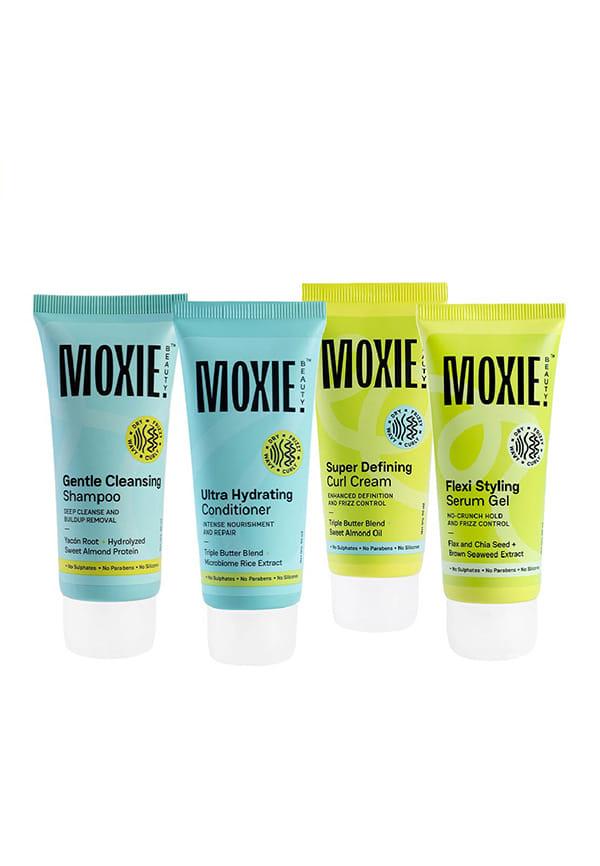
Curly Travel Routine - Shampoo, Conditioner, Curl Cream & Styling Serum Gel for Curly Hair
So you've taken your helmet off and your hair looks like it's been through a tumble dryer. Don't panic – there are quick fixes that actually work.
For instant volume, flip your head upside down and gently shake your hair at the roots. A blast of cool air from a hand dryer (if you're at work) or even just fanning yourself can help lift flattened sections. Dry shampoo is your best friend here – it absorbs excess oil and adds texture back to limp hair. For frizz and flyaways, a tiny amount of hair oil or serum smoothed over your palms and gently pressed onto problem areas works wonders. Don't rub it in – just press and smooth.
Regular helmet wearing does require some extra TLC for your hair. Weekly deep conditioning treatments help repair any damage from friction and heat. Pay special attention to your scalp too – gentle massages with your fingertips can improve circulation that might be affected by helmet pressure. Overnight treatments with natural oils like coconut or argan can help restore moisture and strength. Just remember to use a silk or satin pillowcase so you don't undo all the good work with more friction whilst you sleep.
Not all helmets are created equal when it comes to hair friendliness. If you're in the market for a new one, there are features worth looking out for.
The interior lining material makes a huge difference. Smooth, moisture-wicking fabrics are far better than rough or cotton-based linings. Good ventilation systems help prevent the moisture buildup that leads to limp, greasy hair. Some helmets now come with removable, washable liners – these are brilliant for maintaining hygiene and preventing scalp issues. Fit is crucial, but it's a balance. Your helmet needs to be snug enough for safety but not so tight that it's crushing your hair against your scalp. Many modern helmets have adjustable internal systems that let you customise the fit.
A clean helmet is a hair-friendly helmet. Sweat, oils, and product buildup can make helmet hair problems worse and potentially cause scalp irritation. Clean your helmet's interior weekly with antibacterial wipes or a mild soap solution. Let it dry completely before your next ride. If your helmet liner is looking worse for wear, replace it. Most manufacturers sell replacement liners, and it's a small investment that can make a big difference to your hair's health.
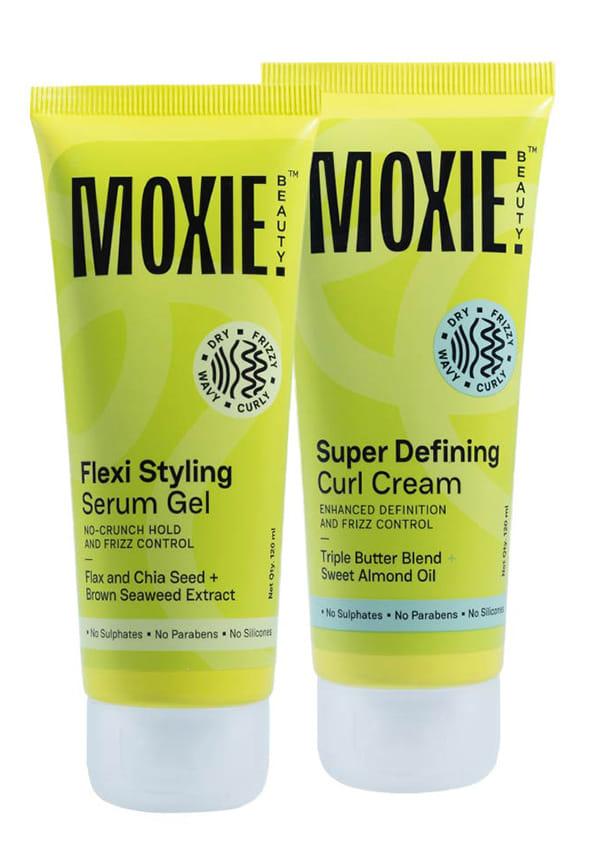
Curly Vibe Setter Duo - Defining Curl Cream & Styling Serum Gel for Curly Hair
The key is preparation and the right accessories. Use a silk liner to reduce friction, style your hair in low-tension ways, and apply protective products before riding. A breathable skull cap can also help absorb sweat whilst protecting your hair from direct contact with the helmet.
Choose helmet-friendly hairstyles like loose braids or low buns. Avoid tight ponytails or styles that create pressure points. Apply a light leave-in treatment for protection, and keep dry shampoo handy for quick post-ride touch-ups.
A poorly fitting helmet or one with a rough interior can contribute to hair breakage and loss. Ensure your helmet fits properly without being too tight, keep it clean, and use protective accessories like silk liners. If you notice excessive hair loss, consider switching to a helmet with better ventilation and a smoother interior.
Flip your head upside down and gently shake your hair at the roots immediately after removing your helmet. Use dry shampoo to add volume and texture. For longer-term solutions, try volumising products before riding and consider a helmet with better ventilation to prevent moisture buildup.
Whilst safety standards are the same, women often have longer hair and different styling concerns. Look for helmets with more interior space to accommodate longer hair, better ventilation systems, and smoother linings. Some manufacturers now make women-specific helmets with these features in mind.
Protecting your hair from helmet damage isn't about compromising on safety – it's about being smart with your approach. The right combination of protective accessories, proper preparation, and post-ride care can keep your hair healthy and looking good, even with daily helmet use. Start with the basics: a silk liner and some leave-in protection. These small changes can make a massive difference to how your hair feels and looks after riding. Remember, consistency is key. The more you stick to a routine, the better your hair will adapt and the healthier it'll stay. Not sure which hair protection products work best for your specific hair type? Smytten offers trial-size versions of many haircare products – a good way to test what works for you before committing to full-size bottles.
