How to Protect Hair from Heat Styling Damage


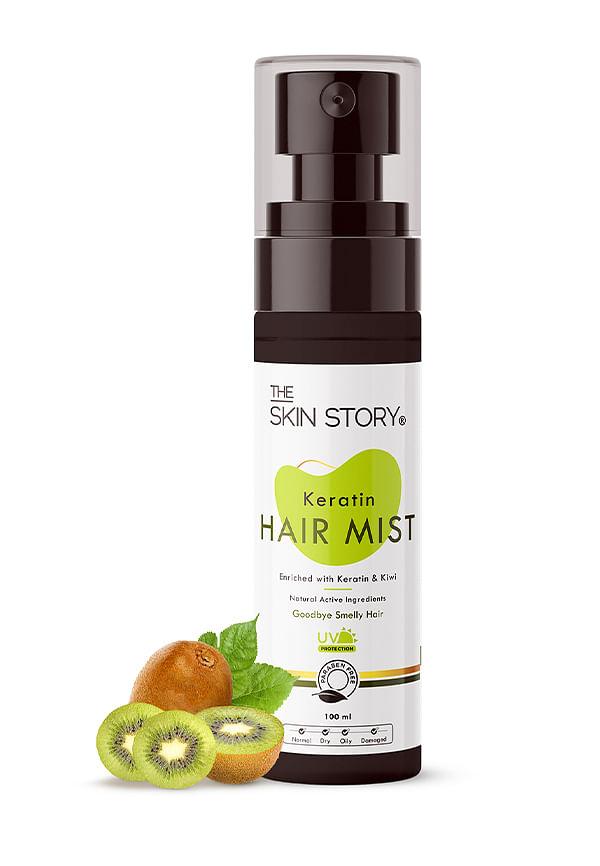
Keratin Hair Mist Enriched With Refreshing Kiwi Essence, UV Protection | For All Hair Types
Your hair straightener might be your best mate for achieving that sleek look, but let's be real—heat styling can be brutal on your strands. Between blow-drying, straightening, and curling, our hair goes through a lot. The good news? You don't have to choose between gorgeous styles and healthy hair. With the right hair masks for heat styling and a solid protection routine, you can have both. Think of hair masks as your hair's personal bodyguard—they create a protective barrier while repairing damage that's already done. Ready to give your hair the TLC it deserves?
Here's what actually happens when you apply heat to your hair: the high temperatures break down the protein structure in your hair shaft, causing moisture to evaporate faster than you can say "blowout." When your styling tools hit temperatures above 150°C, you're essentially cooking your hair—and not in a good way.
The telltale signs of heat damage are hard to miss. Your hair starts feeling rough and brittle, split ends become your constant companion, and that natural bounce? Gone. You might notice increased breakage when brushing, or your hair just doesn't hold styles like it used to. This is where a quality hair mask for damaged hair becomes your saving grace.
Your everyday conditioner is lovely, but it's like bringing a spoon to a knife fight when dealing with heat damage. Hair masks for heat styling contain concentrated proteins and moisture-binding ingredients that penetrate deeper into the hair shaft. They're formulated to create a protective film around each strand, acting as a thermal barrier during styling.
A proper heat protectant hair mask works on multiple levels. It fills in microscopic gaps in damaged hair cuticles with proteins, whilst creating a moisture-rich environment that helps hair withstand high temperatures. The key is in the molecular structure—these masks contain ingredients small enough to penetrate the hair shaft but substantial enough to provide lasting protection.
Not all hair masks are created equal, especially when it comes to heat protection. The most effective formulations combine both protective and reparative ingredients to give your hair the ultimate defence against styling damage.
Keratin proteins are the gold standard in hair repair masks. They literally rebuild your hair's structure from the inside out. Look for hydrolyzed proteins like wheat, silk, or quinoa—these smaller molecules can actually penetrate the hair shaft rather than just sitting on the surface.
Ceramides deserve a special mention here. These lipid molecules help restore your hair's natural protective barrier, making them brilliant for a deep conditioning hair mask. They're particularly effective for hair that's been chemically treated or frequently heat-styled.
If you're into DIY treatments, certain natural ingredients can create an effective homemade hair mask for heat damage. Coconut oil is a standout—its molecular structure allows it to penetrate the hair shaft better than most oils, providing both moisture and protein.
Argan oil is another winner, packed with vitamin E and fatty acids that help repair damaged cuticles. For a protein boost, eggs are brilliant—they contain amino acids that can temporarily fill in gaps in damaged hair. Honey acts as a humectant, drawing moisture from the air into your hair.
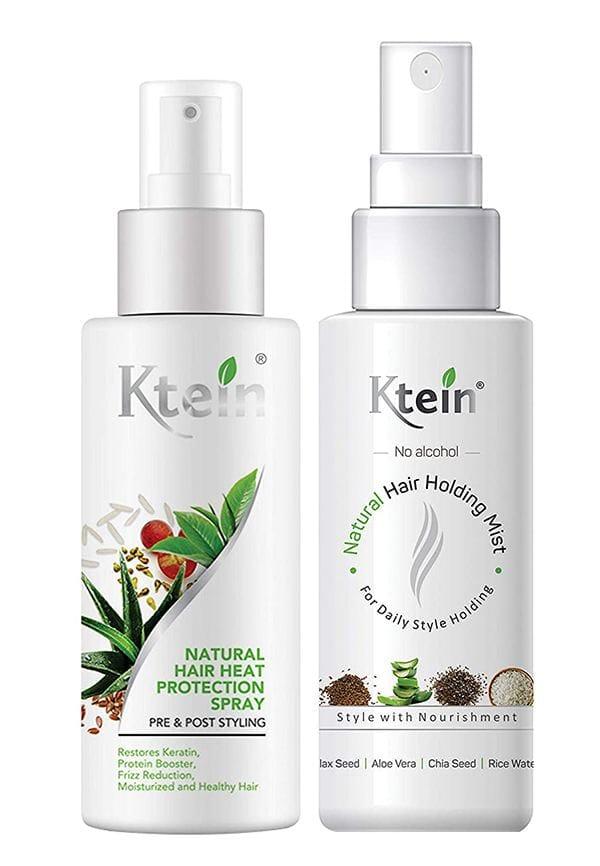
Heat Protection Spray And Hair Holding Spray
Finding the right hair mask for styling depends on your hair type and damage level. Some masks work better as preventive treatments, whilst others are designed for serious repair work.
For severely damaged hair, look for intensive hair repair masks that you can use weekly. These typically contain higher concentrations of proteins and ceramides. The best hair mask for heat protection will have thermal protection properties—ingredients like silicones that create a heat-resistant barrier around each strand.
If breakage is your main concern, seek out a hair mask for breakage that focuses on strengthening ingredients. These often contain keratin complexes and amino acids that help rebuild the hair's structural integrity.
A simple yet effective natural hair mask for heat styling combines coconut oil with honey. Mix two tablespoons of melted coconut oil with one tablespoon of honey, apply to damp hair, and leave for 30 minutes before shampooing.
For a protein-rich treatment, mash half an avocado with one egg yolk and a tablespoon of olive oil. This creates a nourishing hair mask for dry hair that's perfect for weekly use.
Timing is everything when it comes to hair mask application. The most effective approach is to use your heat protectant hair mask as part of a comprehensive routine that includes both preventive and reparative treatments.
Apply your mask to clean, damp hair about 20-30 minutes before you plan to style. This gives the ingredients time to penetrate whilst ensuring your hair isn't oversaturated when you start styling. Section your hair into four parts for even distribution—this ensures every strand gets protection.
Your weekly deep conditioning hair mask should be more intensive. Apply generously from mid-length to ends, avoiding the roots to prevent greasiness. Cover with a shower cap and leave for 45 minutes to an hour. For extra penetration, apply gentle heat with a hair dryer on low setting for the first 10 minutes.
Whilst hair masks for heat styling are crucial, they're just one part of a comprehensive heat protection routine. The most effective approach combines multiple strategies to keep your hair healthy and styled.
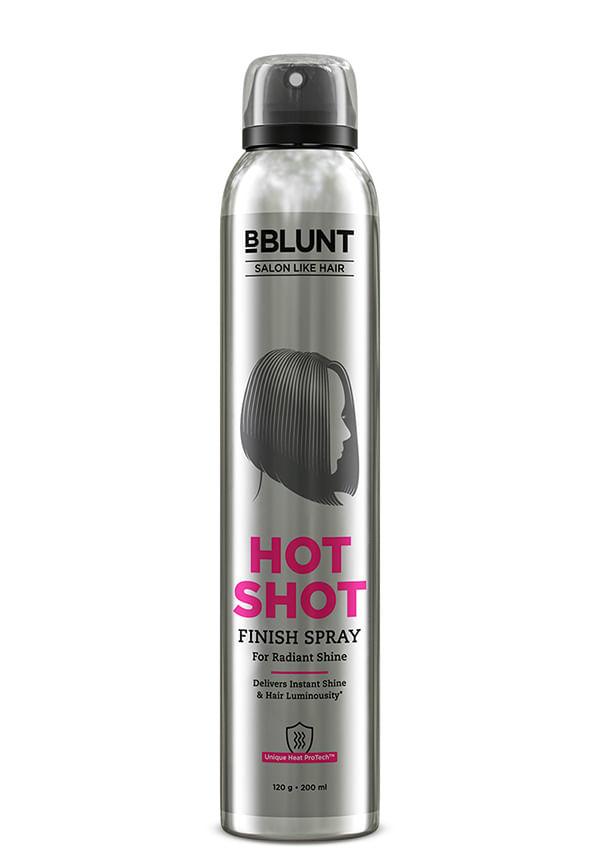
Hot Shot Finish Spray For Radiant Shine
Temperature control is non-negotiable. Fine hair should never exceed 150°C, whilst thick, coarse hair can handle up to 180°C. Always use the lowest effective temperature for your hair type. Invest in tools with adjustable heat settings and ceramic or tourmaline plates that distribute heat more evenly.
Section your hair properly—smaller sections mean less time and heat exposure per area. Never style soaking wet hair; it should be about 80% dry before you reach for your straightener or curling iron.
Start with a heat protectant spray or serum before any thermal styling. These products work alongside your hair mask for damaged hair to provide an extra layer of protection. Look for products that offer protection up to 230°C.
Different hair types need different approaches to heat protection. What works brilliantly for thick, coarse hair might weigh down fine strands, so it's worth tailoring your routine accordingly.
If you have fine hair, opt for lighter formulations that won't weigh your hair down. A hair mask for breakage designed for fine hair typically contains smaller molecules that penetrate without adding bulk. Use these masks less frequently—once a week is usually sufficient.
Thick hair can handle richer, more intensive treatments. You might benefit from using a deep conditioning hair mask twice weekly, especially if you style frequently. These hair types often need extra moisture, so look for masks with heavier oils and butters.
Finding the right products for your hair can feel overwhelming, but it doesn't have to be. Smytten makes this journey easier by offering trial-sized versions of top haircare brands, so you can test different hair masks for heat styling without committing to full-size products. With over 1,500 trusted brands including professional haircare lines, you can explore various formulations to find what works best for your hair type and styling needs.
For regular heat styling, use a protective mask 2-3 times per week. If you style daily, consider a lighter leave-in treatment between intensive mask sessions.
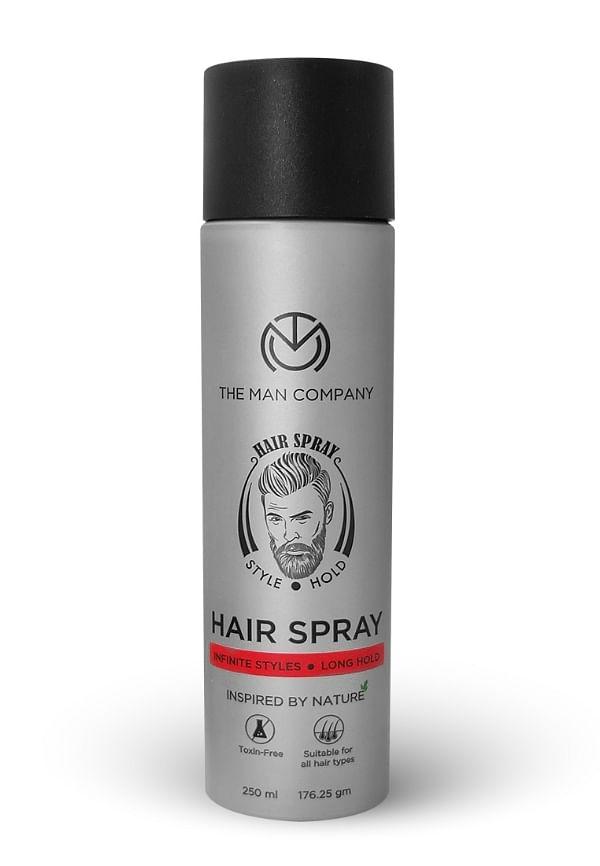
Hair Spray
Yes, but ensure hair is only damp, not soaking wet. Excess water can dilute the mask's effectiveness and make heat styling less efficient.
Hair repair masks contain higher concentrations of proteins and moisturising agents. They're designed to penetrate deeper into the hair shaft, whilst conditioners primarily work on the surface.
You'll notice immediate improvements in hair texture and manageability. For repair of existing damage, expect to see significant results after 4-6 weeks of consistent use.
DIY masks can be effective for basic moisture and protein needs, but professional formulations often contain advanced ingredients and better penetration enhancers for superior results.
It's better to alternate different masks rather than layer them. Use a protein mask one week and a moisture mask the next to maintain balance.
Fine hair: 120-150°C, medium hair: 150-180°C, thick/coarse hair: 180-200°C. Never exceed 200°C regardless of hair type.
Look for reduced hair fall during brushing, improved elasticity when wet, and fewer split ends appearing between trims.
Protecting your hair from heat styling damage isn't about giving up your favourite tools—it's about being smart with how you use them. The right hair masks for heat styling can make all the difference between damaged, brittle hair and healthy, styled locks that turn heads for all the right reasons.
Remember, consistency is key. Whether you choose professional treatments or create your own homemade hair mask for heat damage, regular use will give you the best results. Start with a weekly deep conditioning hair mask, add a pre-styling protective treatment, and always use the lowest effective temperature for your hair type.
Your hair deserves the best care possible, and with the right routine, you can enjoy beautiful styles without compromising on hair health. After all, why settle for damaged hair when you can have both gorgeous styles and healthy strands?
