How to Protect Hair from Environmental Damage


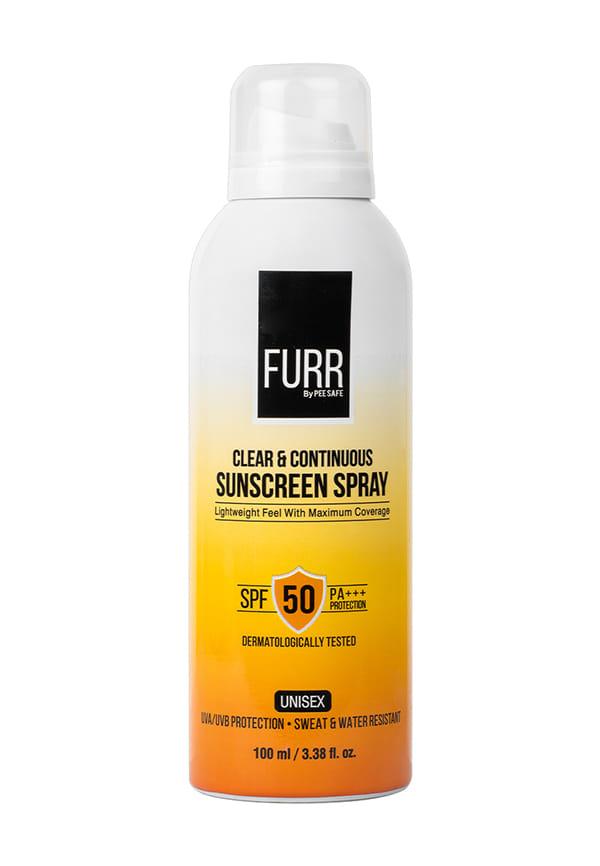
FURR Sunscreen Spray Protect your skin from UVA and UVB rays
Your hair faces a daily battle against environmental stressors that most of us don't even think about. From the moment you step outside, pollution particles, UV rays, and humidity start working against your strands. The result? Dry and brittle hair, unexpected breakage, and that frustrating lack of shine you can't seem to fix. But here's the thing—environmental damage hair care isn't just about damage control. It's about building a defence system that keeps your hair healthy, strong, and gorgeous despite what the world throws at it.
Let's be real—your hair is constantly under attack from things you can't control. Environmental stressors work differently than the heat damage from your straightener or the chemical damage from bleaching. They're sneaky, building up over time until one day you notice your hair just doesn't feel the same.
Environmental damage happens when external factors mess with your hair's natural structure. Think of your hair like a protective shield that gets worn down by daily exposure to harsh elements.
Air pollution and particulate matter are probably the biggest culprits. Those tiny particles in the air don't just disappear—they settle on your scalp and strands, creating buildup that weighs hair down and blocks moisture from getting in.
UV radiation exposure breaks down the proteins in your hair shaft, leading to sun damaged hair that's weak, faded, and prone to snapping. If you've got color treated hair, UV rays are basically your worst enemy.
Humidity and weather fluctuations cause your hair cuticles to open and close repeatedly, which leads to moisture loss and frizz. Wind doesn't help either—it creates friction that roughens the cuticle and causes tangles.
Hard water and mineral buildup might be the most overlooked cause of environmental damage. Those minerals coat your hair shaft, making it feel rough and preventing products from working properly.
Spotting environmental damage early means you can fix it before it gets worse. Look out for hair that feels rough or straw-like, even after conditioning. Split ends that seem to appear faster than you can trim them are another red flag.
If your hair colour fades quickly or looks dull despite using quality products, environmental stressors are likely the cause. Loss of elasticity is another sign—healthy hair should stretch slightly when wet and bounce back to its original length.
Creating a barrier between your hair and environmental nasties is your first line of defence. Think of it like sunscreen for your strands—prevention is always easier than repair.
Start your day with a leave-in treatment that contains antioxidants. These products create a protective film around each strand that helps repel pollution particles. Look for formulas with vitamin E, green tea extract, or other antioxidants that neutralise free radicals.
Physical protection works wonders too. A silk scarf, wide-brimmed hat, or even a loose bun can shield your hair from direct contact with pollutants and UV rays. The key is making protection feel effortless, not like a chore.
Your evening routine is just as important as morning protection. Use a clarifying shampoo once or twice a week to remove buildup that regular shampoo might miss. On other days, focus on gentle cleansing that removes pollutants without stripping natural oils.
Double cleansing isn't just for your face—it works for hair too. Start with a pre-shampoo oil treatment to dissolve stubborn buildup, then follow with your regular shampoo routine.
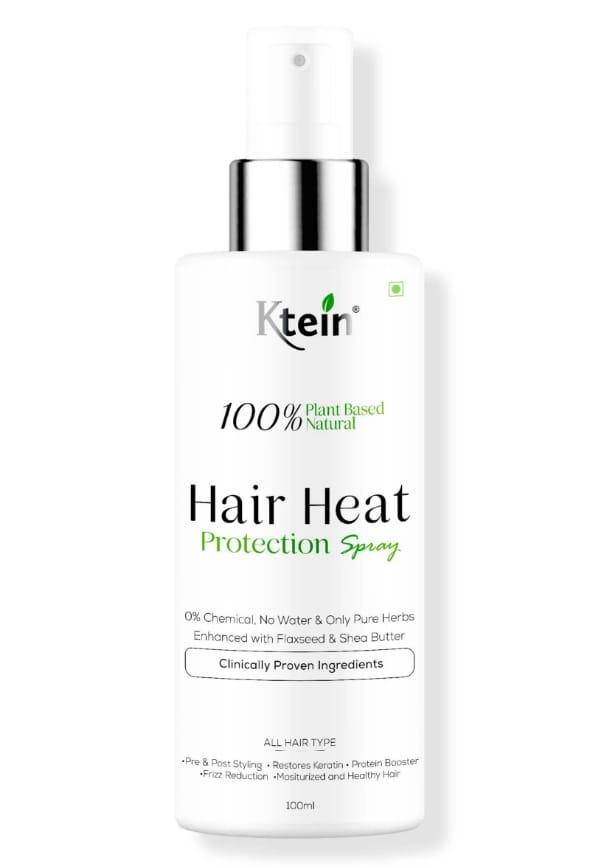
100% Plant Based Natural Hair Heat Protection Spray
UV protection for hair is non-negotiable, especially if you spend time outdoors or live in a sunny climate. The sun's rays penetrate the hair shaft and break down the proteins that give your hair its strength and elasticity.
Hair-specific SPF products are game-changers. Unlike regular sunscreen, these formulas are designed to protect without weighing hair down or leaving residue. Apply them before heading outside, just like you would facial SPF.
Natural UV-blocking ingredients like coconut oil, shea butter, and zinc oxide offer gentle protection for sensitive scalps. These ingredients also provide moisture, which helps repair existing damage while preventing new damage.
If your hair is already showing signs of sun damage, focus on protein treatments that rebuild the hair shaft. Look for products containing keratin, collagen, or amino acids that can fill in gaps where proteins have been damaged.
Moisture restoration is equally important. Sun-damaged hair often feels dry because the cuticle has been roughened, allowing moisture to escape. Deep conditioning masks with ingredients like hyaluronic acid or ceramides help restore the hair's moisture barrier.
When environmental damage has already happened, the right repair strategy can bring your hair back to life. The key is addressing both the structural damage and the moisture loss that comes with environmental stress.
Let's be honest—once you have split ends, the only permanent solution is cutting them off. But that doesn't mean you're helpless until your next trim. Temporary sealing treatments can smooth the cuticle and prevent splits from travelling up the hair shaft.
Look for products with ingredients like silicones or plant-based proteins that coat the hair and fill in rough spots. These won't permanently fix splits, but they'll make your hair look and feel healthier while you grow out the damage.
Hair breakage from environmental damage usually happens because the hair shaft has been weakened by repeated exposure to stressors. The solution involves both strengthening the existing hair and preventing further damage.
Protein treatments are your best friend here. Use them weekly if your hair is severely damaged, or bi-weekly for maintenance. Just remember to balance protein with moisture—too much protein can make hair brittle.
Gentle handling is crucial when dealing with breakage-prone hair. Use wide-tooth combs, sleep on silk pillowcases, and avoid tight hairstyles that put stress on already weakened strands.
Building resilience against environmental stressors means choosing products with ingredients that actually work. Not all hair products are created equal, especially when it comes to environmental protection.
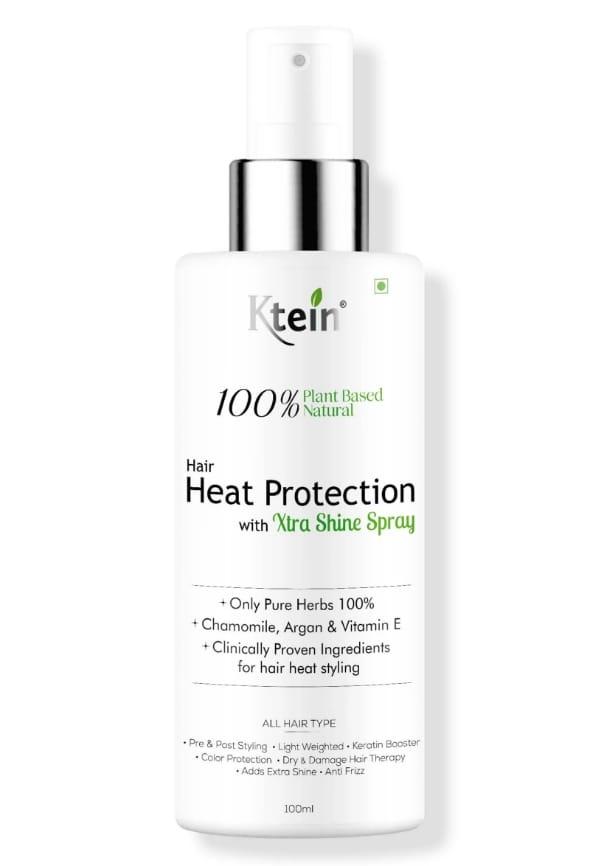
100% Plant Based Natural Heat Protection With Extra Shine Spray
Antioxidants are your hair's best defence against environmental damage. Vitamin E neutralises free radicals from pollution, while vitamin C helps maintain collagen in the hair shaft. Green tea extract provides additional antioxidant protection plus anti-inflammatory benefits for the scalp.
Proteins rebuild damaged hair structure. Look for hydrolysed proteins that are small enough to penetrate the hair shaft, like hydrolysed keratin or silk proteins.
Ceramides restore the hair's moisture barrier, which is often compromised by environmental damage. They help seal the cuticle and prevent moisture loss.
Natural oils like argan, jojoba, and coconut oil provide both protection and nourishment. They create a barrier against environmental stressors while delivering essential fatty acids that keep hair healthy.
A good environmental damage hair care routine doesn't have to be complicated. Start with a gentle, sulfate-free shampoo that removes buildup without stripping natural oils. Follow with a moisturising conditioner that contains strengthening ingredients.
Weekly deep treatments are non-negotiable for environmentally stressed hair. Alternate between protein treatments and moisture masks based on what your hair needs most. If it feels weak and stretchy, go for protein. If it feels dry and brittle, choose moisture.
Your scalp is where healthy hair begins, and environmental damage doesn't just affect your strands—it affects your scalp too. Pollution buildup can clog follicles and create inflammation that impacts hair growth.
Weekly scalp exfoliation removes dead skin cells, product buildup, and pollution particles that regular shampooing might miss. Use a gentle scrub with ingredients like sugar or jojoba beads, or try a chemical exfoliant with salicylic acid for deeper cleansing.
Proper scalp exfoliation improves blood circulation, which brings nutrients to hair follicles and promotes healthy growth. It also helps your hair products work better by removing barriers to absorption.
Balance is key when it comes to scalp care in polluted environments. Over-cleansing can strip natural oils and cause irritation, while under-cleansing allows buildup to accumulate. Most people do well with washing every 2-3 days, adjusting based on their environment and hair type.
Look for scalp-specific treatments with ingredients like tea tree oil for antimicrobial benefits, or niacinamide to reduce inflammation and regulate oil production.
What you do outside your hair routine matters just as much as the products you use. Environmental damage hair care isn't just about external protection—it's about supporting your hair's health from the inside out.
Antioxidant-rich foods help your body fight environmental damage from within. Berries, leafy greens, and nuts provide vitamins and minerals that support healthy hair growth and protect against oxidative stress.
Staying hydrated is crucial for maintaining hair moisture. When you're dehydrated, your hair is one of the first places your body pulls water from, leaving strands dry and vulnerable to environmental damage.
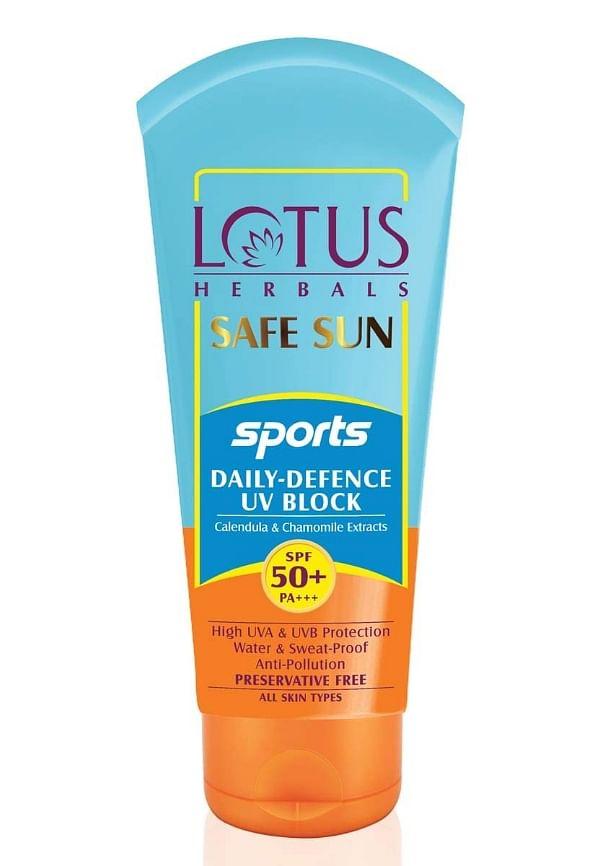
Safe Sun Sports Daily-Defence UV Block Sunscreen SPF 50+
Poor sleep and high stress levels make your hair more susceptible to environmental damage. Stress hormones can disrupt the hair growth cycle and make existing damage worse.
Create a bedtime routine that protects your hair while you sleep. Silk or satin pillowcases reduce friction, and loose braids or silk scrunchies prevent tangles without causing breakage.
Finding the right environmental damage hair care routine might feel overwhelming, but it doesn't have to break the bank. Platforms like Smytten make it easy to try different hair strengthening products without committing to full sizes. With trial packs from trusted brands, you can discover what works for your specific environmental challenges before investing in the full-size versions.
Use leave-in treatments with antioxidants, cover your hair when possible, and cleanse regularly with clarifying products to remove buildup. Focus on creating a barrier between your hair and environmental stressors.
Look for dryness, brittleness, increased breakage, split ends, colour fading, and loss of shine. Hair may also feel rough or straw-like despite regular conditioning.
Once or twice weekly is usually sufficient for most people. If you live in a highly polluted area or use many styling products, you might need to clarify more frequently.
Yes, heat damaged hair has a compromised cuticle that makes it more vulnerable to environmental stressors. Focus on repairing the existing damage while building protection against further harm.
Antioxidants like vitamin E and green tea extract, proteins for strengthening, ceramides for moisture barrier repair, and natural oils for protection and nourishment work best for environmental damage prevention.
Perform a simple stretch test on wet hair. If it stretches too much and doesn't bounce back, you need protein. If it snaps immediately without stretching, you need moisture.
Environmental damage hair care is about building a comprehensive defence system that protects, repairs, and strengthens your hair against daily stressors. The key is consistency—small daily actions add up to significant improvements over time.
Remember that prevention is always easier than repair, but even severely damaged hair can bounce back with the right care. Focus on gentle cleansing, regular deep treatments, and products with proven protective ingredients.
Most importantly, don't feel like you have to figure it all out at once. Smytten's trial packs let you experiment with different approaches to environmental protection without the commitment of full-size purchases. With over 1,500 trusted brands available in mini sizes, you can build your perfect environmental damage hair care routine one trial at a time. After all, why settle for damaged hair when you can discover exactly what your strands need to thrive?
