How to Protect Hair From Damage: Simple Tips


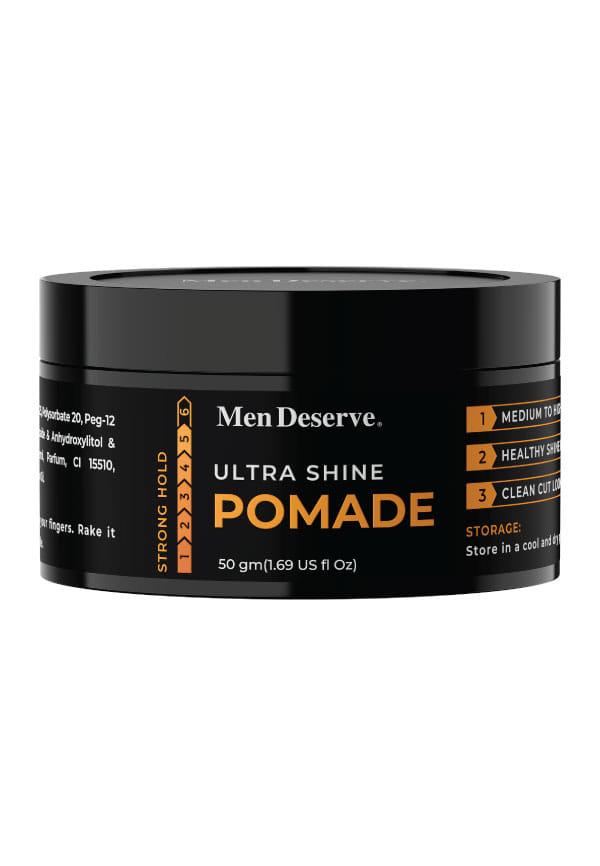
Hair Styling Ultra Shine Pomade for Strong Hold and Wet Look Hairstyle
You know that sinking feeling when you run your fingers through your hair and find more strands than you'd like? Or when you catch your reflection and notice your once-bouncy locks looking a bit... well, tired? Real talk — hair damage creeps up on all of us. Whether it's from that daily blow-dry routine, too many beach days without protection, or just life happening, our hair takes a beating. But here's the thing: protecting your hair doesn't have to be complicated or expensive. With a few simple tweaks to your routine and some smart habits, you can keep your hair looking healthy and strong. Let's dive into how to protect hair from everyday damage and build habits that actually work.
Before we get into the how-to, let's talk about what's actually happening when your hair gets damaged. Your hair is basically made up of three layers — the cuticle (the outer protective layer), the cortex (where your hair's strength and colour live), and the medulla (the innermost core). When these layers get compromised, that's when you start seeing breakage, dryness, and those dreaded split ends.
Heat styling, chemical treatments, environmental factors like UV rays and pollution, and even just rough handling can all mess with your hair's structure. Here's something that might surprise you: wet hair is actually three times more fragile than dry hair. That's why being gentle during and after washing is so crucial for hair damage prevention.
The signs your hair needs some extra TLC are pretty obvious once you know what to look for. Excessive breakage, dryness that won't quit no matter how much conditioner you use, split ends that seem to multiply overnight, and hair that feels rough or looks dull are all red flags. The good news? Catching these early and adjusting your routine can make a massive difference.
Your daily hair care routine is where the magic happens. Small changes here can prevent major damage down the line, and honestly, most of these tweaks are easier than you think.
Let's start with washing — something most of us do without much thought. First up: you probably don't need to wash your hair every day. Unless you're dealing with very oily hair or you've been sweating loads, washing 2-3 times per week is usually plenty. Over-washing strips your hair of its natural oils, leaving it dry and more prone to damage.
When you do wash, focus the shampoo on your scalp, not the lengths of your hair. Your scalp is where the oil and buildup actually are, and the shampoo will clean the rest of your hair as you rinse. Use lukewarm water instead of hot — it's gentler on both your hair and scalp, and won't strip away as much moisture.
Here's where many of us go wrong: the post-wash routine. Rubbing your hair vigorously with a regular towel is basically asking for breakage. Instead, try gently blotting with a microfiber towel or even a cotton t-shirt. These materials are much gentler and won't rough up your hair cuticles.
For detangling, always start from the ends and work your way up to the roots using a wide-tooth comb. This prevents unnecessary pulling and breakage. If you're dealing with particularly tangled hair, apply a leave-in conditioner or detangling spray first — it'll make the process much smoother.
Heat styling is probably the biggest culprit when it comes to hair damage, but that doesn't mean you have to give up your blow dryer or straightener completely. It's all about being smart with how you use them.
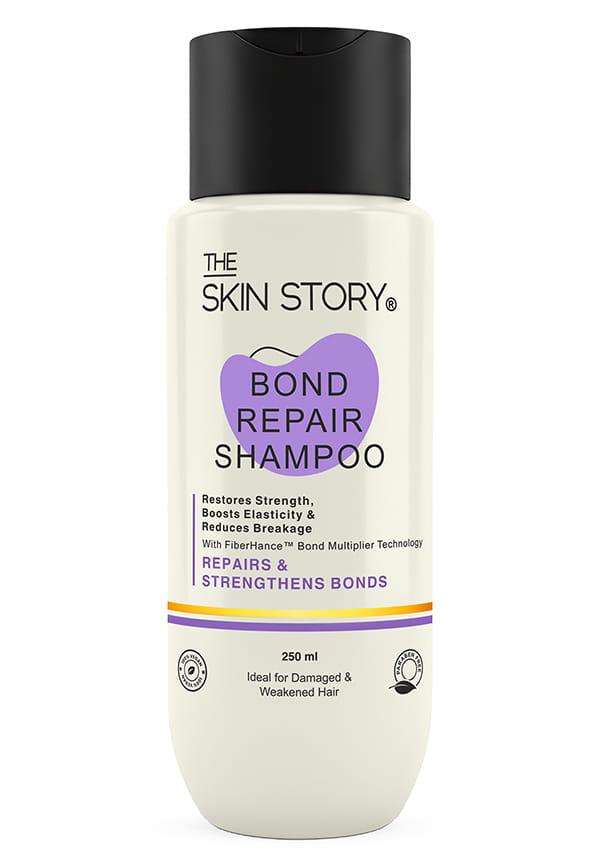
Professional Bond Repair Shampoo For Damaged Hair
Never, and I mean never, use hot tools on your hair without a thermal protectant. These products create a barrier between your hair and the heat, reducing damage significantly. Apply the protectant to damp hair before blow-drying, or to dry hair before using other hot tools.
Temperature matters more than you might think. Fine or damaged hair should stick to lower heat settings (around 250-300°F), while thicker, coarser hair can handle higher temperatures (up to 350-400°F). Most of us use way more heat than we actually need, so start low and only increase if necessary.
Try to limit heat styling to 2-3 times per week max. On off days, embrace air-drying or try some heat-free styling methods like braiding damp hair for waves, or using foam rollers for volume.
If you're going to blow-dry, do it right. Start by applying a heat protectant and a volumising mousse or smoothing serum, depending on your hair goals. Use the cool shot button at the end of your blow-dry session — this helps seal the hair cuticle and adds shine.
Keep the dryer moving and maintain about 6 inches of distance from your hair. Concentrating heat in one spot for too long is a recipe for damage. Work in sections and don't rush the process — it's better to take your time than to crank up the heat.
You spend about a third of your life sleeping, so it makes sense to think about how to protect hair while sleeping. The friction from tossing and turning can cause tangles, breakage, and even hair loss over time.
Silk pillowcases are worth the investment. They create less friction than cotton, which means less breakage and fewer tangles. Plus, they're gentler on your skin too — bonus! If silk isn't in your budget, a silk or satin hair wrap or bonnet works just as well.
For longer hair, try loosely braiding it or putting it in a very loose bun with a silk scrunchie before bed. Avoid tight elastics or anything that might leave dents or cause pulling. The goal is to keep your hair contained without creating stress on the strands.
Your hair faces environmental challenges every day, from UV rays to pollution to chlorinated water. A bit of planning can go a long way in protecting it from these external stressors.
Just like your skin, your hair can get damaged by UV rays. Prolonged sun exposure can fade colour, dry out your hair, and weaken the protein structure. If you're spending time outdoors, especially during peak sun hours, consider wearing a hat or scarf.
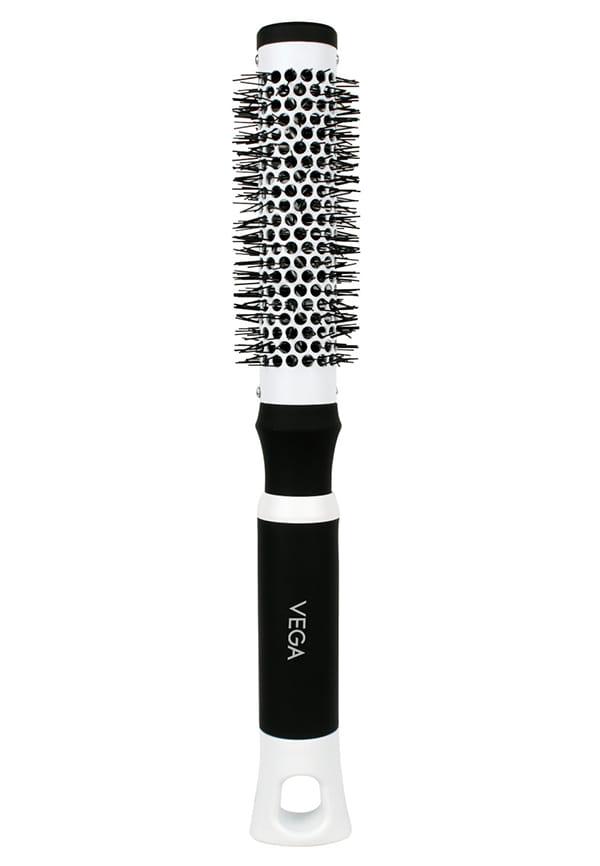
Hot Curl Hair Brushfor Hair Styling, Drying, Healthy Hair and Add Volume, Small (H1-PR S)
There are also hair sunscreen products available that provide UV protection without weighing your hair down. Look for leave-in treatments or sprays that mention UV protection on the label. These are particularly useful if you're at the beach or pool where you might not want to wear a hat.
Chlorine is notorious for drying out hair and can even cause colour changes, especially in lighter hair. Before jumping in the pool, wet your hair with clean water — this helps prevent it from absorbing as much chlorinated water. You can also apply a leave-in conditioner or hair oil as an extra barrier.
After swimming, rinse your hair immediately with fresh water and use a clarifying shampoo once a week to remove chlorine buildup. If you're a regular swimmer, consider investing in a good deep conditioning treatment to keep your hair moisturised.
Sometimes the best hair protection comes from simple, natural methods you can do at home. These hair moisturising techniques don't require expensive salon treatments and can be just as effective.
Deep conditioning masks are your hair's best friend, especially if you're dealing with dryness or damage. You can buy ready-made masks or create your own using ingredients like honey, avocado, or coconut oil. Apply these treatments to clean, damp hair, focusing on the mid-lengths and ends, and leave on for 15-30 minutes before rinsing.
Natural oils like argan, jojoba, or coconut oil can work wonders for hair protection. Use them sparingly — a few drops worked through the ends of your hair can add moisture and shine without making it greasy. These oils are particularly good for protecting hair overnight or before heat styling.
What you eat affects your hair health more than you might realise. Foods rich in vitamins A, C, D, and E, plus biotin and omega-3 fatty acids, all contribute to stronger, healthier hair. Think salmon, nuts, eggs, leafy greens, and berries — basically, a balanced diet that's good for your overall health is good for your hair too.
Stress management is another often-overlooked aspect of hair health. Chronic stress can actually cause hair loss and affect the quality of new hair growth. Regular exercise, adequate sleep, and stress-reduction techniques all play a part in maintaining healthy hair.
Creating a sustainable hair care routine is about finding what works for your specific hair type and lifestyle. Start with the basics: gentle cleansing, proper conditioning, and minimal heat styling. From there, you can add in weekly treatments, protective styling, and other hair protection tips based on your needs.
Your routine might look different in summer versus winter, or when you're more active versus during quieter periods. The key is to pay attention to how your hair responds and adjust accordingly. Keep a mental note of what products and techniques make your hair look and feel its best.
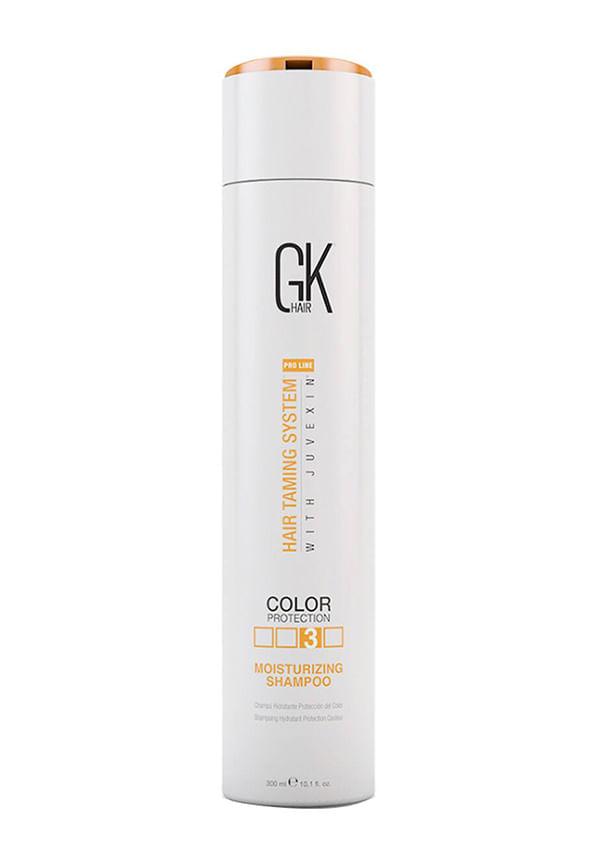
Moisturizing Shampoo Color Protection
Remember, consistency is more important than perfection. It's better to stick to a simple routine that you can maintain than to try an elaborate regimen that you'll abandon after a week. Start small, build habits gradually, and give new products or techniques at least a few weeks to show results.
Focus on gentle handling techniques like using a wide-tooth comb, avoiding tight hairstyles, and minimising heat styling. Incorporate natural oils like coconut or argan oil for moisture, eat a balanced diet rich in hair-healthy nutrients, and protect your hair from environmental damage with hats or scarves when needed.
Establish a routine that includes washing only when necessary (2-3 times per week for most hair types), using lukewarm water, applying conditioner properly, using heat protectants before styling, and sleeping on silk pillowcases. Small daily habits like these make the biggest difference over time.
Switch to silk or satin pillowcases to reduce friction, loosely braid long hair or put it in a gentle bun with silk scrunchies, and consider using a silk hair wrap or bonnet. Avoid tight elastics or anything that might cause pulling or leave dents in your hair.
Include protein-rich foods like eggs and fish, healthy fats from nuts and avocados, and foods high in vitamins A, C, D, and E. Leafy greens, berries, salmon, and foods rich in biotin and omega-3 fatty acids all contribute to stronger, healthier hair from the inside out.
Most hair types benefit from weekly deep conditioning treatments, though damaged, chemically processed, or very dry hair might need more frequent treatments. Listen to your hair — if it feels dry or looks dull, it's probably time for some extra moisture.
Protecting your hair doesn't have to be complicated or expensive — it's really about developing good habits and being consistent with them. Focus on gentle handling, smart heat styling practices, and giving your hair the moisture it needs. Remember that healthy hair starts from the inside out, so don't forget about nutrition and stress management as part of your overall hair health strategy.
The most important thing is to start somewhere. Pick one or two changes that feel manageable and build from there. Whether it's switching to a silk pillowcase, using a heat protectant every time you style, or incorporating a weekly deep conditioning treatment, small steps add up to big results over time.
If you're looking to experiment with new hair protection products, Smytten offers trial-size versions of many haircare essentials from trusted brands — a smart way to test what works for your hair before committing to full-size products. After all, finding the right products for your hair type is part of the protection journey, and there's no need to guess when you can try first.
