How to Prevent Winter Hair Breakage Naturally


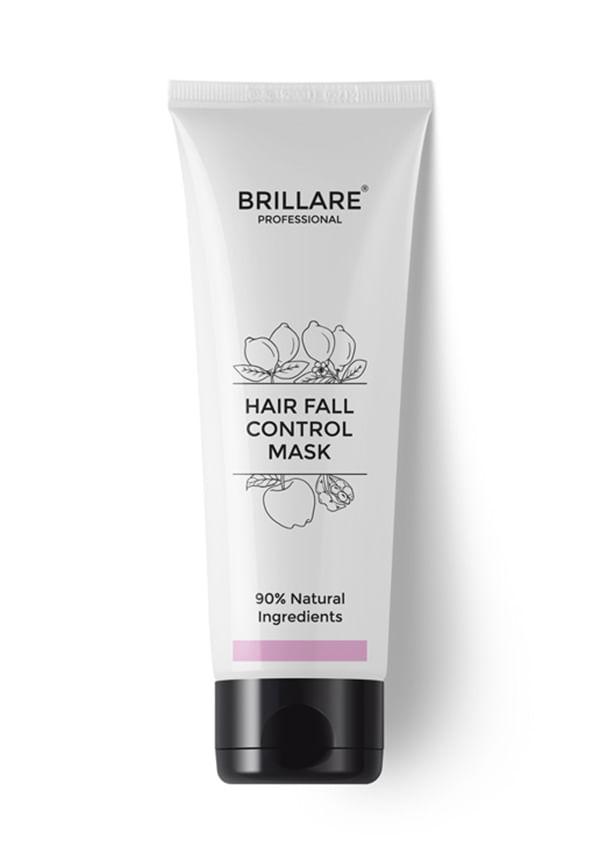
Hair Fall Control Mask To Reduce Seasonal Hair Fall
Great Hair Mask and Shampoo
 5
5“Must buy and a very food and effective hair mask Shampoo is good too”
Winter's here, and whilst we're all about cosy jumpers and hot chocolate, our hair? Not so much. The cold weather can be absolutely brutal on your strands, leaving them dry, brittle, and prone to breakage. But here's the thing—you don't need expensive salon treatments to keep your hair healthy through the chilly months. Natural winter hair breakage prevention methods can work wonders, and they're probably sitting in your kitchen cupboard right now. Let's dive into why winter wreaks havoc on our hair and how to fight back with simple, effective remedies that actually work.
Real talk—winter is basically your hair's worst enemy. The science behind it is pretty straightforward, but the effects can be devastating if you're not prepared. When temperatures drop, the air loses its ability to hold moisture, creating that harsh, dry environment that strips your hair of its natural oils.
Your hair cuticles, which are like tiny protective scales, start to lift and become rough when exposed to low humidity. This makes your strands more vulnerable to damage and creates that frustrating frizzy texture we all know too well. Add indoor heating systems to the mix, and you've got a recipe for disaster. Those radiators and heaters might keep you warm, but they're constantly pulling moisture from the air—and your hair.
Going from freezing outdoor temperatures to warm indoor spaces puts your hair through constant thermal shock. This expansion and contraction weakens the hair shaft over time, making it more prone to snapping.
That annoying static that makes your hair stick to everything? It's not just a cosmetic issue. The friction from static electricity can actually cause micro-tears in your hair cuticles, leading to long-term damage and breakage.
The good news is that preventing winter hair damage doesn't require a complete overhaul of your routine. Small tweaks to your existing habits can make a massive difference in keeping your strands strong and healthy throughout the cold weather months.
First up—your washing frequency. You might think you need to wash your hair more often in winter because of hats and scarves, but actually, the opposite is true. Winter hair care tips always start with reducing wash frequency to preserve your hair's natural oils. Aim for 2-3 times a week max, depending on your hair type.
Hot showers feel amazing when it's freezing outside, but they're terrible for your hair. Lukewarm water is your friend—it cleanses effectively without stripping away essential moisture.
Ditch the rough towel rubbing. Instead, gently squeeze excess water out and wrap your hair in a microfibre towel or cotton t-shirt. This reduces friction and helps prevent hair damage from the get-go.
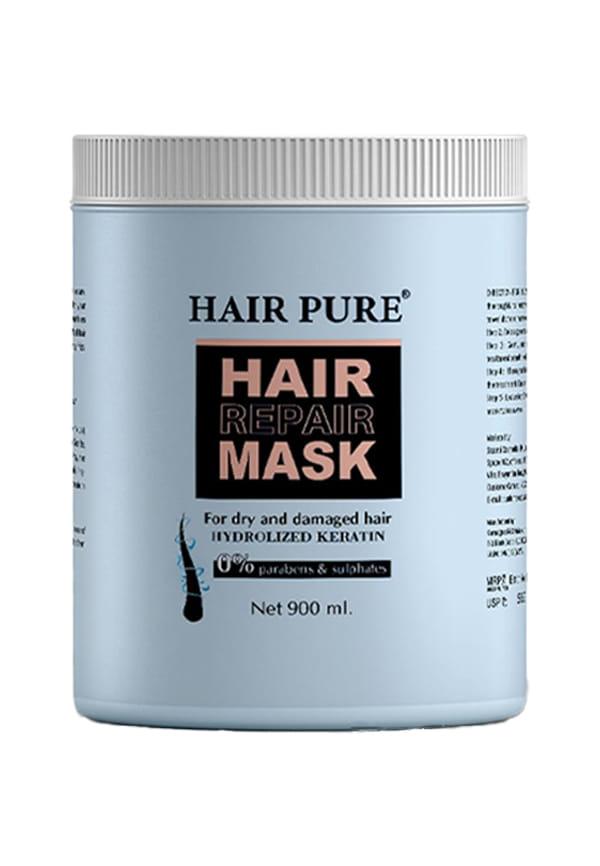
Hair Repair Mask Deep Conditioning
Amazing product, suited skin
5“the product was amazing and it suited my skin”
When your hair feels like straw, it's crying out for moisture—and nature has some brilliant solutions. These dry hair treatment methods use ingredients you probably already have at home, making them perfect for anyone wanting to try natural remedies without breaking the bank.
Coconut oil is probably the most talked-about natural hair treatment, and for good reason. It penetrates the hair shaft better than most other oils, providing deep hydration from within. Apply it as a pre-shampoo treatment, leaving it on for at least 30 minutes before washing.
Avocado and honey make an incredible hydrating mask. Mash one ripe avocado with two tablespoons of honey, apply to damp hair, and leave for 20 minutes. The natural fats in avocado combined with honey's humectant properties create the perfect hair hydration treatment.
A diluted apple cider vinegar rinse (one part vinegar to four parts water) helps seal the hair cuticles and restore your hair's natural pH balance. Use it once a week for best results.
Creating a solid hair moisturising routine is like having insurance for your strands. It's all about layering moisture and sealing it in, especially during those harsh winter months when your hair needs extra TLC.
Start with a leave-in conditioner on damp hair—this creates your base layer of moisture. Follow up with a few drops of hair oil for dryness, focusing on the mid-lengths and ends where damage typically occurs first. The key is using just enough to nourish without weighing your hair down.
Set aside time once a week for a proper deep conditioning treatment. This could be a natural mask or a store-bought deep conditioner—whatever works for your hair type and budget.
Silk or satin pillowcases aren't just luxury items—they genuinely reduce friction whilst you sleep. If that's not in your budget, a silk scarf wrapped around your hair works just as well.
Once damage has occurred, it's all about damage control and strengthening what you've got. These hair breakage remedies focus on rebuilding your hair's structure and preventing further damage from occurring.
Protein treatments are crucial for hair strengthening, but you don't need expensive salon versions. Rice water, which has been used for centuries in Asian cultures, is packed with amino acids and vitamins that help rebuild damaged hair proteins. Simply soak rice in water for 30 minutes, strain, and use the water as a final rinse.
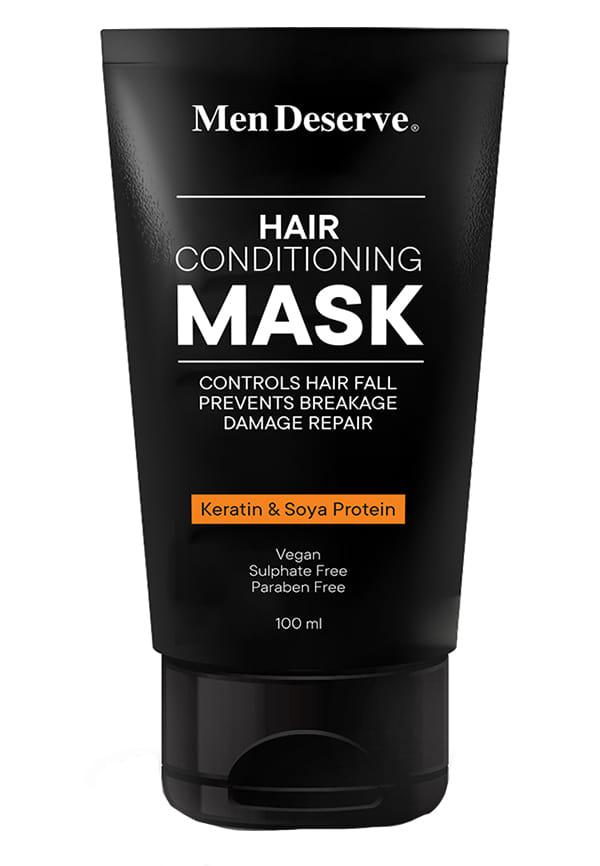
Hair Conditioning Mask For Hair Fall Control and Nourishment
Egg yolks are another fantastic source of protein for damaged hair. Mix one egg yolk with a tablespoon of olive oil for a strengthening mask that helps repair weak, brittle strands.
Don't forget about your scalp—healthy hair starts at the roots. Regular scalp massages with oils like rosemary or peppermint can improve blood circulation and promote stronger hair growth.
Let's be honest about split ends repair—once your hair has split, the only permanent solution is a trim. But you can temporarily seal split ends and prevent new ones from forming with the right approach.
Regular trims every 6-8 weeks might seem counterproductive when you're trying to grow your hair, but removing damaged ends actually helps your hair grow healthier and stronger. Think of it as an investment in your hair's future.
Focus on keeping your ends moisturised with regular oil treatments and avoid excessive heat styling. When you do use heat tools, always use a heat protectant—no exceptions.
Your hair's health isn't just about what you put on it—what you put in your body matters just as much. Winter can affect your overall health in ways that directly impact your hair, from vitamin D deficiency due to less sunlight to dehydration from indoor heating.
Staying hydrated is crucial, even when you don't feel as thirsty as you do in summer. Your hair needs moisture from the inside out, so aim for at least 8 glasses of water daily. Foods rich in omega-3 fatty acids, like salmon and walnuts, help maintain your hair's natural oils and shine.
Winter's shorter days mean less vitamin D, which can affect hair growth cycles. Consider a supplement or make sure you're eating vitamin D-rich foods like eggs and fortified cereals.
Your hair repairs itself whilst you sleep, so quality rest is essential for healthy hair growth. Aim for 7-9 hours of good sleep each night.
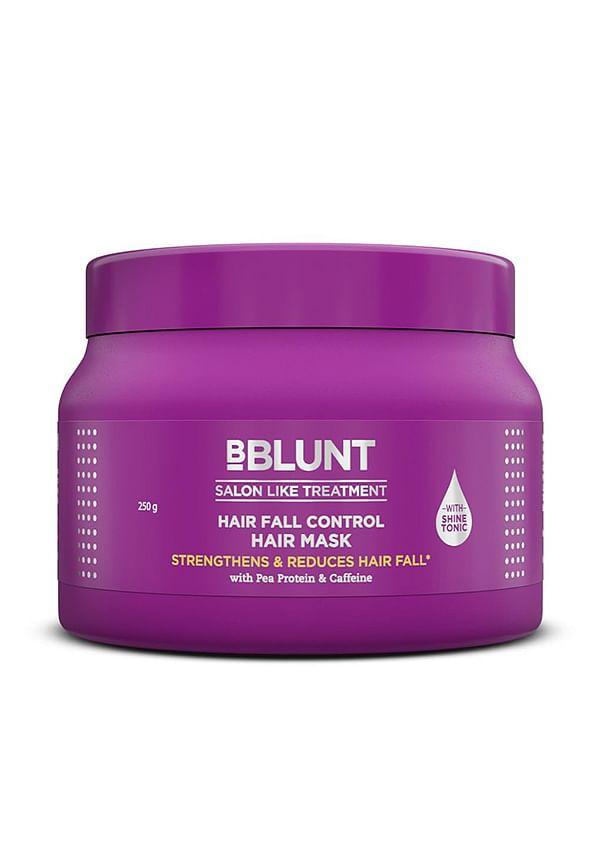
Hair Fall Control Hair Mask
Superb Hair Mask
5“Superb mask for hair give shine and help to stay healthy”
Superb Hair Mask
5“Superb mask for hair give shine and help to stay healthy”
Good Product
5“Good product..................”
Even with the best intentions, it's easy to make mistakes that can undo all your hard work. Over-washing is probably the biggest culprit—stripping your hair of natural oils when it needs them most.
Another common mistake is cranking up the heat styling tools to combat winter frizz. This creates a vicious cycle where heat damage leads to more frizz, which leads to more heat styling. Instead, embrace air-drying when possible and use heat protectants religiously when you do style.
Speaking of products, this is where platforms like Smytten become incredibly valuable. With over 1,500 trusted brands offering trial-sized products, you can experiment with different winter hair care formulations without committing to full-size purchases. Whether you're looking for a new leave-in conditioner or want to try a different hair oil, being able to test products first means you're more likely to find what actually works for your hair type.
Most hair types benefit from washing 2-3 times per week during winter months. Oily hair might need more frequent washing, whilst dry or chemically treated hair can often go longer between washes. Pay attention to how your scalp feels rather than sticking to a rigid schedule.
Unfortunately, once hair splits, the only permanent solution is cutting. However, you can temporarily seal split ends with protein treatments and oils, and prevent new ones by keeping your hair well-moisturised and avoiding excessive heat styling.
It depends on your hair type. Coconut oil works well for most hair types and penetrates deeply. Argan oil is lighter and great for fine hair, whilst jojoba oil closely mimics your scalp's natural sebum. Try small amounts first to see what your hair responds to best.
You might notice immediate improvements in hair texture and manageability, but significant changes in hair strength and health typically take 4-6 weeks of consistent treatment. Remember, hair grows slowly, so patience is key.
A balanced diet rich in protein, omega-3 fatty acids, and vitamins always supports healthy hair. In winter, focus on staying hydrated and consider a vitamin D supplement if you're not getting enough sunlight.
Winter doesn't have to mean accepting damaged, brittle hair as inevitable. With the right combination of natural treatments, gentle care practices, and lifestyle adjustments, you can keep your hair healthy and strong throughout the coldest months.
The key is consistency—these natural remedies work best when used regularly, not just when your hair is already damaged. Start implementing these winter hair breakage prevention strategies now, and your hair will thank you come spring.
Remember, finding the right products for your specific hair needs doesn't have to involve expensive trial and error. Smytten's trial-sized offerings from trusted brands mean you can discover what works for your hair without the commitment of full-size purchases. With 100% cashback on trial minis and access to over 1,500 brands, you can experiment with different formulations until you find your perfect winter hair care routine. After all, why settle for damaged hair when you can try it all and find what actually works?
