How to Prevent Hair Loss: Simple Steps for Stronger Hair


Hair Revive | Plant Based Biotin | Promotes Healthy Hair and Fights Hair Fall
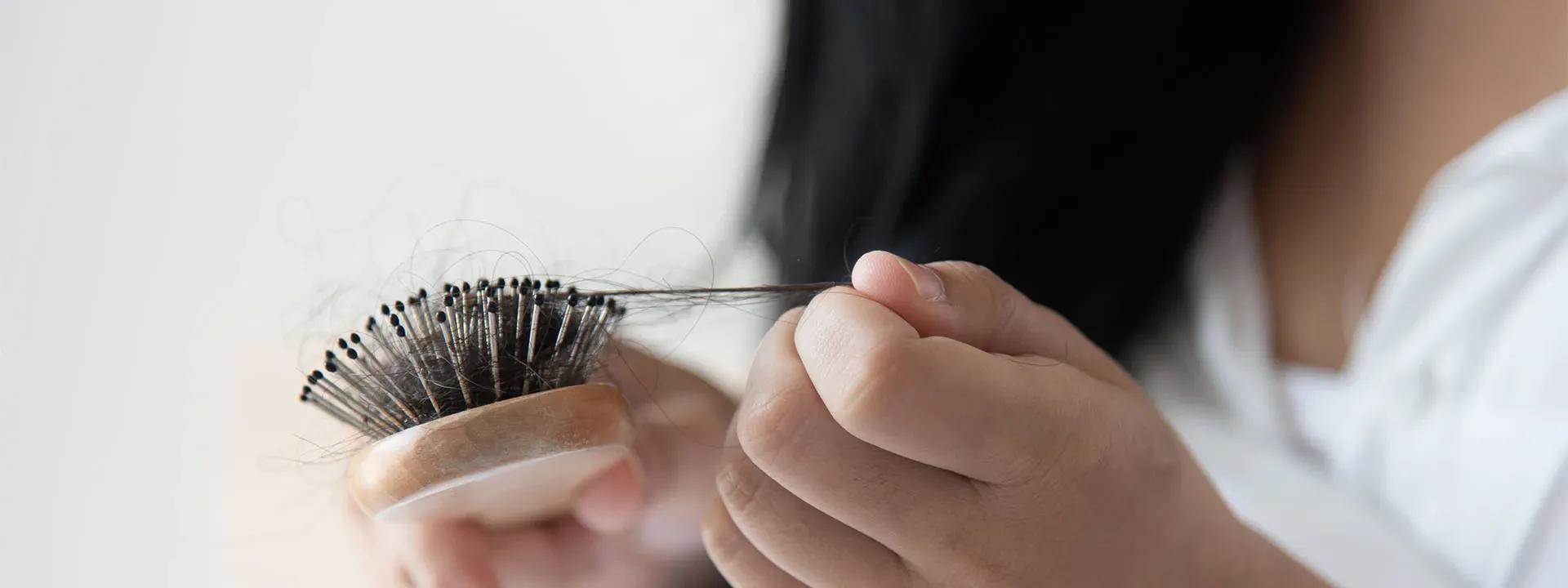
You're standing in front of the mirror, running your fingers through your hair, and there it is again—more strands than you'd like to see coming away in your hand. That sinking feeling hits as you notice your hairline looking a bit different or your ponytail feeling thinner than it used to. If this sounds familiar, you're definitely not alone. Hair loss affects millions of people, but here's the thing—catching it early and taking the right steps can make all the difference. Let's dive into some real, actionable ways to keep your hair strong and healthy.
Before we jump into solutions, let's get real about what's actually happening up there. Hair loss prevention starts with understanding the difference between normal shedding and something that needs your attention. Your hair naturally goes through cycles—growing, resting, and eventually falling out to make room for new growth.
Here's what's considered normal: losing about 50 to 100 hairs daily is totally fine. Your hair is just doing its thing, cycling through its natural phases. But if you're consistently seeing way more than that—like 200+ strands on your pillow, in the shower drain, or on your brush—that's when you might want to pay closer attention.
Hair fall control becomes more relevant as we age, but it's not just about getting older. In your twenties, stress from studies or starting your career can trigger hair loss. Your thirties might bring hormonal changes, especially for women dealing with pregnancy or PCOS. And let's not forget genetics—if your parents dealt with thinning hair, you might be more prone to it too.
Keep an eye out for these red flags: your hairline starting to recede, noticeable thinning at the crown, or your part looking wider than before. Sometimes it's subtle—maybe your hairstylist mentions your hair feels thinner, or you notice you need fewer bobby pins to secure your bun.
Now that we've covered the basics, let's talk about the daily habits that can actually make a difference. The way you treat your hair every day plays a huge role in preventing further damage and keeping what you have healthy and strong.
Contrary to what you might think, washing your hair every day isn't doing you any favours. Aim for 2-3 times a week unless you have very oily hair. When you do wash, focus the shampoo on your scalp—not the lengths of your hair. Your scalp is where the oil and buildup happen, and gentle massaging while shampooing can actually boost blood circulation.
Wet hair is incredibly fragile, so treat it like delicate silk. Swap your regular towel for a microfiber one or even a cotton t-shirt to reduce friction. When detangling, always start from the ends and work your way up with a wide-tooth comb. Never brush wet hair aggressively—that's a fast track to hair breakage remedies becoming necessary.
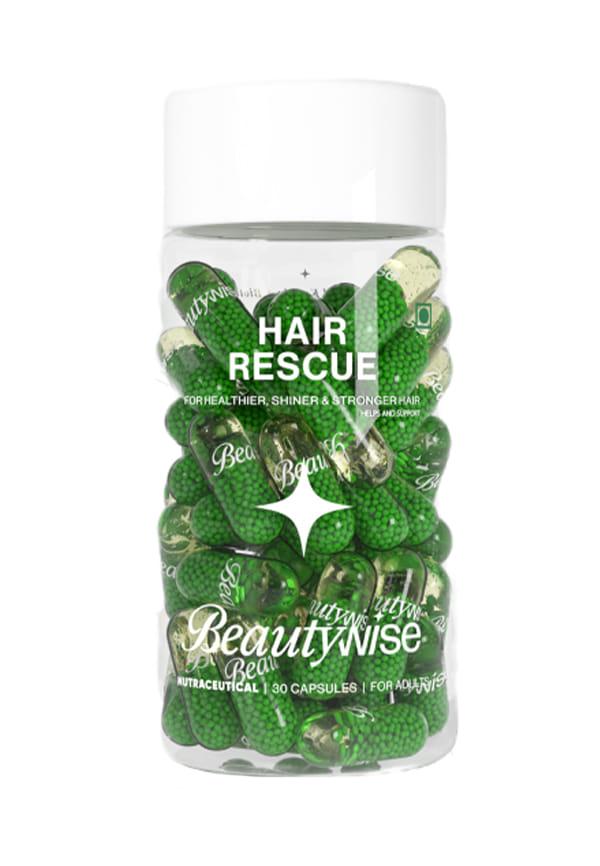
Hair Rescue, Hair Aminos, Vitamins, DHT Blocker for Hairfall Control & Growth
Good product, slow hair growth
 4
4“good product but slow process of growth of hair”
Hair Improvement
5“my hair are improving day by day.”
We get it—sometimes you need that perfect blowout or sleek straightened look. But try to limit heat styling to 2-3 times a week max, and always use a heat protectant. Keep your tools below 180°C for fine hair and under 200°C for thicker hair. Air-drying might take longer, but your hair will thank you for it.
Here's where things get interesting—what you eat and how you live directly impacts your hair health. Think of your hair follicles as tiny factories that need the right raw materials to produce strong, healthy strands. These healthy hair tips aren't just about what you put on your hair, but what you put in your body too.
Your hair is basically made of protein, so it makes sense that eating enough protein is crucial. Include eggs, fish, chicken, lentils, and nuts in your diet. If you're vegetarian, don't worry—quinoa, chickpeas, and Greek yogurt are excellent sources too. Aim for a palm-sized portion of protein with each meal.
Iron deficiency is one of the most common causes of hair loss, especially in women. Include spinach, red meat, and pumpkin seeds in your diet. Zinc helps with hair tissue growth and repair—you'll find it in oysters, pumpkin seeds, and chickpeas. Don't forget about biotin (eggs, almonds), vitamin D (fatty fish, fortified foods), and B12 (meat, dairy, nutritional yeast for vegans).
Dehydrated hair becomes brittle and prone to breakage. Aim for at least 8 glasses of water daily, and you'll notice your hair looking shinier and feeling stronger. It's one of those hair growth secrets that's hiding in plain sight—sometimes the simplest solutions are the most effective.
Your scalp is the foundation for healthy hair growth, yet it's often the most neglected part of our hair care routine. A proper scalp care routine can improve blood circulation, remove buildup, and create the optimal environment for strong hair growth.
Set aside 20 minutes once a week for a proper scalp massage with oil. Coconut oil works great for most hair types, while those with fine hair might prefer lighter options like jojoba or argan oil. Use your fingertips (not nails) to massage in small circular motions, working from your hairline to the crown and down to the nape of your neck.
Just like your skin, your scalp benefits from occasional exfoliation. You can use a gentle scrub made from brown sugar and coconut oil once a month, or look for shampoos with salicylic acid that help remove buildup without being too harsh.
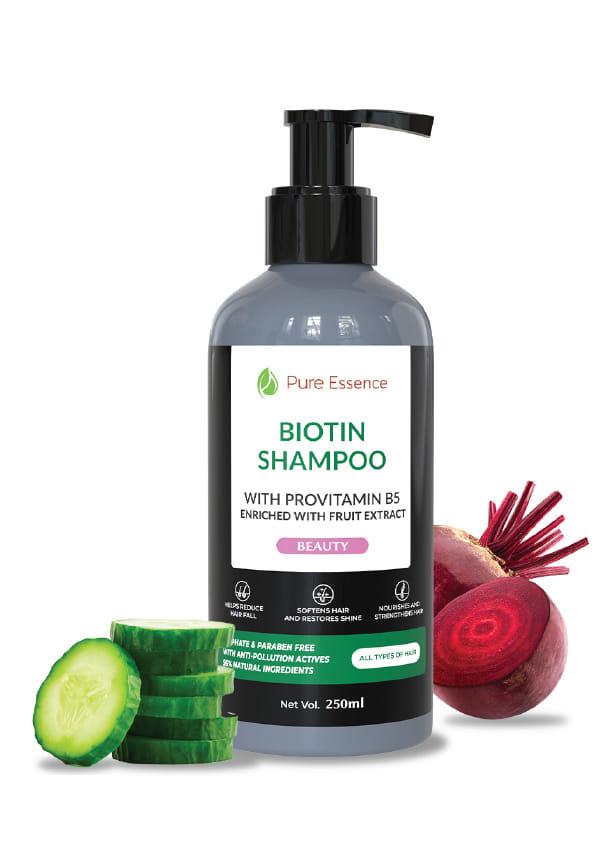
Biotin Shampoo | Softens Hair | Nourishes Scalp | Lowers Hairfall
Positive Product Review
5“Good product, thank you for the support”
Positive Product Experience
5“it's better experience everything in this product is soo nice good worth it ❤️”
Simple head massages aren't the only way to boost circulation. Try inversions like hanging your head off the edge of your bed for a few minutes, or do some yoga poses like downward dog. Even brushing your hair with a natural bristle brush can help distribute oils and stimulate blood flow.
Sometimes your hair needs a little extra TLC beyond your regular routine. These hair strengthening treatments can help repair damage and prevent future breakage, giving you stronger, more resilient strands.
For dry, damaged hair, try a mask made from mashed avocado, honey, and olive oil. If you're dealing with oily roots but dry ends, apply a clay mask to your scalp and a moisturising mask to your lengths. Protein treatments using eggs or yogurt can help strengthen weak hair, but don't overdo it—once a month is plenty.
If DIY treatments aren't cutting it, consider professional options like keratin treatments, deep conditioning sessions, or scalp treatments at a salon. These can be more intensive and targeted to your specific hair concerns.
Aloe vera gel applied directly to the scalp can soothe irritation and provide moisture. Onion juice might sound weird, but it's rich in sulfur, which can help with hair growth—just make sure to rinse thoroughly! Green tea rinses can also help reduce DHT, a hormone linked to hair loss.
For those dealing with more significant hair loss or wanting to prevent baldness, it's worth exploring more advanced options. Early intervention is key when it comes to pattern baldness and other serious forms of hair loss.
If you're noticing the classic signs of male or female pattern baldness—receding hairline, crown thinning, or overall hair density reduction—don't wait. The earlier you start treatment, the better your chances of maintaining what you have and potentially regrowing some hair.
If you're losing more than 100 hairs daily for several weeks, experiencing sudden bald patches, or noticing significant thinning, it's time to see a professional. They can identify underlying causes and recommend appropriate treatments, whether that's topical solutions, oral medications, or lifestyle changes.
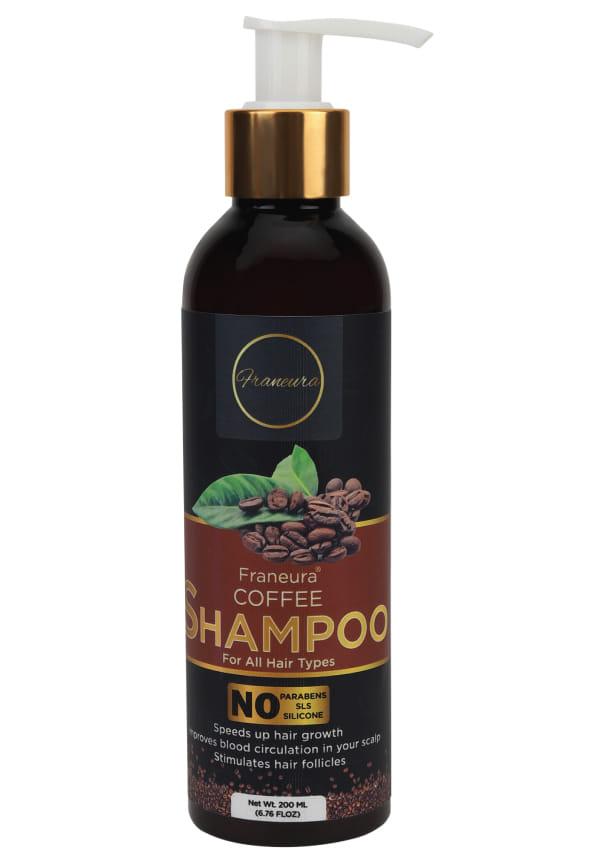
Daily Use Natural Coffee Shampoo - Revitalize and Strengthen Hair
Great Product at Low Price
5“coffe shampoo at such low price is awesome”
Great Product at Low Price
5“coffe shampoo at such low price is awesome”
Great Product at Low Price
5“coffe shampoo at such low price is awesome”
Sometimes hair loss is a symptom of something else going on in your body. Thyroid disorders, PCOS, anemia, and autoimmune conditions can all trigger hair loss. Getting these underlying issues treated often helps with hair recovery too.
Focus on gentle hair handling, eat a balanced diet rich in protein and vitamins, manage stress levels, and maintain a consistent scalp care routine. Avoid tight hairstyles, excessive heat styling, and harsh chemical treatments. Regular scalp massages and staying hydrated also play important roles in natural hair loss prevention.
Losing 700 hairs daily is definitely concerning and well above the normal range of 50-100 hairs. This level of hair loss suggests an underlying issue that needs attention, whether it's stress, hormonal changes, nutritional deficiencies, or a medical condition. It's worth consulting a healthcare professional to identify the cause.
Most hair loss prevention methods take 3-6 months to show noticeable results because of your hair's natural growth cycle. You might notice less hair falling out within 4-6 weeks, but actual regrowth and thickness improvements typically become visible after 3-4 months of consistent care.
Yes, stress-related hair loss is often reversible once the stressor is removed or managed effectively. This type of hair loss, called telogen effluvium, usually resolves within 6-12 months after stress levels normalise. Focus on stress management techniques like meditation, exercise, and adequate sleep.
Hair loss occurs when hair falls out from the root, often due to genetics, hormones, or medical conditions. Hair breakage happens when hair snaps along the shaft due to damage from heat, chemicals, or rough handling. Breakage can be prevented with better hair care practices, while hair loss might require medical intervention.
Preventing hair loss isn't about finding one magic solution—it's about creating a comprehensive approach that addresses your hair from multiple angles. Start with gentle daily care practices, nourish your body with the right nutrients, and don't ignore early warning signs. Remember, consistency is key, and results take time.
The most important thing is to start somewhere, whether that's switching to a silk pillowcase, adding more protein to your diet, or finally booking that appointment with a dermatologist you've been putting off. Your hair care for thinning hair journey is unique to you, and what works for your friend might not be your perfect solution.
If you're looking to experiment with different hair care products to find what works best for your hair type and concerns, Smytten offers trial-size versions of many hair strengthening and scalp care products. It's a smart way to test different formulations and brands before committing to full-size purchases—because finding your perfect hair care routine shouldn't involve guesswork or expensive mistakes.
