How to Prevent Hair Fall for Women: Expert Tips & Tricks

How to Prevent Hair Fall for Women: Expert Tips & Tricks
Published Date - 31 October 2025
Hairfall Defence Shampoo100 ml

The Man Company

Hairfall Defence Shampoo

44425 % OFF
333
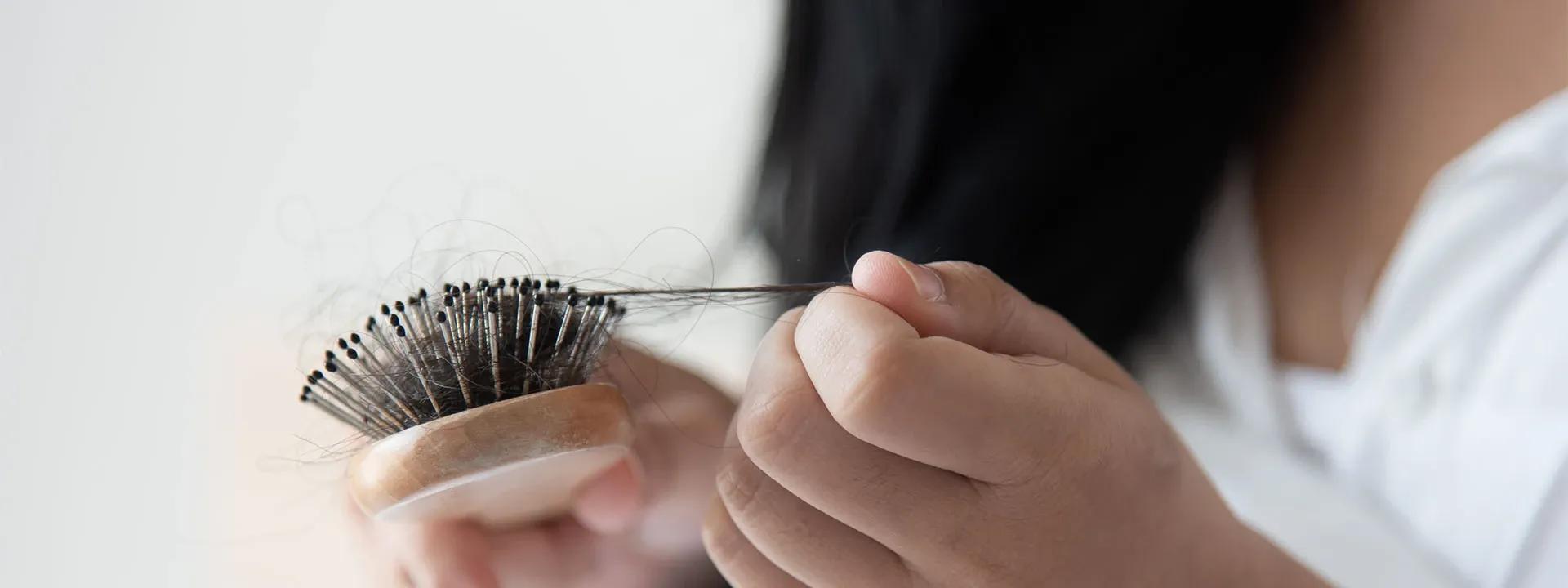
Let's be real—hair fall can feel like the ultimate betrayal. One day you're flipping your hair like you're in a shampoo ad, and the next, you're finding strands everywhere except where they belong. If you've been wondering how to prevent hair fall for female users specifically, you're not alone. Nearly 40% of women experience noticeable hair loss by age 40, and it's not just about genetics. From hormonal changes to stress and lifestyle factors, there are loads of reasons why your hair might be staging a dramatic exit. The good news? Most hair fall is preventable with the right approach, and we're here to spill all the tea on keeping your locks healthy and strong.

Understanding What Triggers Hair Fall in Women

Before diving into solutions, it's worth understanding why hair decides to peace out in the first place. Hair loss prevention starts with identifying the root cause—literally.

Hormonal Changes That Affect Hair Growth

Hormones are basically the puppet masters of your hair health. During pregnancy, menopause, or even your monthly cycle, fluctuating oestrogen and progesterone levels can disrupt your hair's growth cycle. PCOS is another major culprit, often causing hair thinning on the scalp whilst increasing hair growth elsewhere.

Nutritional Gaps That Weaken Hair

Your hair is essentially a reflection of what you eat. Iron deficiency is particularly common in women and directly linked to hair fall. Protein deficiency, low vitamin D, and insufficient B vitamins can all contribute to hair thinning solutions becoming necessary sooner than expected.

Stress and Lifestyle Factors

Chronic stress triggers a condition called telogen effluvium, where hair prematurely enters its resting phase. Physical stress from crash diets, excessive exercise, or illness can have similar effects. Even emotional stress from work or relationships can manifest as hair fall.

Nutrition-Based Hair Fall Control Strategies

Your plate is your first line of defence when it comes to healthy hair growth. What you eat today affects your hair's strength three to six months down the line.

Protein Power for Stronger Strands

Hair is made of keratin, which is essentially protein. Aim for 25-30 grams of protein per meal from sources like eggs, fish, lentils, and Greek yoghurt. Biotin-rich foods like almonds and sweet potatoes support keratin production naturally.

Iron and Vitamin D Essentials

Iron deficiency is often the hidden reason behind unexplained hair fall. Include spinach, lean meats, and pumpkin seeds in your diet. Vitamin D helps create new hair follicles, so get some sunshine or consider fortified foods if you're spending too much time indoors.

Omega-3 Fatty Acids for Scalp Health

Hair Fall Control Shampoo with Buy One Get One700 ml

VLCC

Hair Fall Control Shampoo with Buy One Get One

36911 % OFF
328
Walnuts, flaxseeds, and fatty fish like salmon provide omega-3s that keep your scalp healthy and reduce inflammation. These healthy fats also add natural shine to your hair, making it look fuller and healthier.

Natural Remedies and Hair Strengthening Treatments

Sometimes the best hair fall reduction techniques come straight from nature's pantry. These remedies have been passed down for generations and actually have science backing them up.

Scalp Massage Magic

A five-minute daily scalp massage increases blood circulation to hair follicles. Use your fingertips in circular motions, or try a scalp massager tool. Research shows regular massage can increase hair thickness over time.

Oil Treatments That Actually Work

Coconut oil penetrates the hair shaft better than most other oils, reducing protein loss. Rosemary oil has been shown to be as effective as minoxidil for hair growth in some studies. Mix a few drops with a carrier oil and massage into your scalp before washing.

DIY Hair Masks for Strength

A weekly hair mask with ingredients like egg (protein), honey (moisture), and yoghurt (lactic acid for gentle exfoliation) can strengthen hair naturally. Avoid masks with harsh ingredients that might irritate your scalp.

Smart Female Hair Care Tips for Daily Maintenance

Your daily routine can make or break your hair fall management strategies. Small changes in how you handle your hair can lead to significant improvements over time.

Gentle Handling Techniques

Wet hair is 3x more fragile than dry hair. Use a wide-tooth comb starting from the ends and working upwards. Never brush wet hair aggressively, and avoid tight hairstyles that pull on your roots.

Heat Styling Damage Control

If you must use heat tools, always apply a heat protectant first. Keep temperatures below 180°C and limit heat styling to 2-3 times per week. Air drying might take longer, but your hair will thank you.

Product Selection Strategy

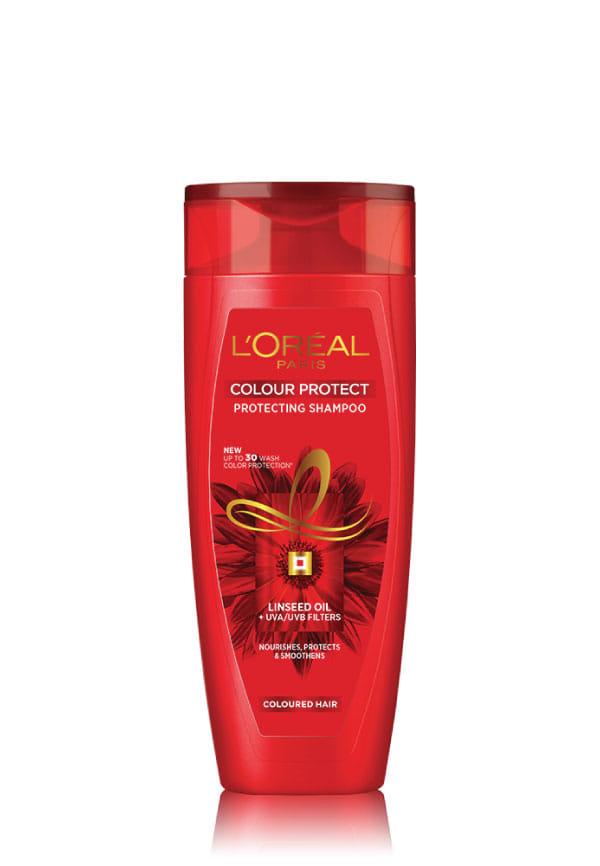
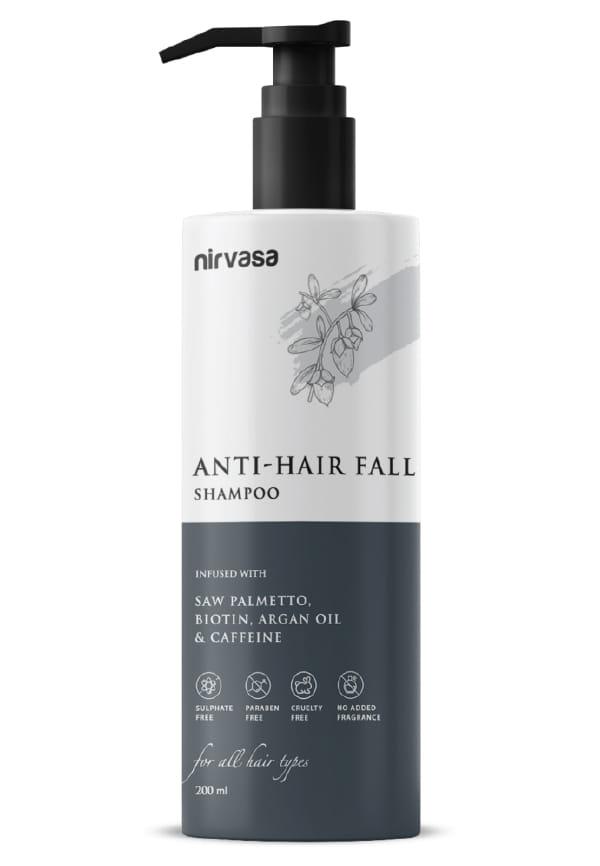
Choose sulphate-free shampoos that won't strip your hair's natural oils. Look for ingredients like biotin, keratin, and caffeine in hair products. Avoid products with heavy silicones that can build up and weigh hair down. This is where platforms like Smytten become incredibly useful—you can try different haircare products in mini sizes before committing to full-size bottles, ensuring you find what works for your specific hair type without wasting money on products that don't suit you.

Scalp Care for Hair Loss Prevention

Dryness Care Shampoo340 ml

Dove

Dryness Care Shampoo

43510 % OFF
392
A healthy scalp is the foundation of healthy hair growth. Think of it as the soil where your hair grows—if it's not in good condition, your hair won't thrive.

Cleansing Without Over-Washing

Wash your hair 2-3 times per week unless you have very oily hair. Over-washing strips natural oils that protect your scalp and hair. Use lukewarm water instead of hot water, which can dry out your scalp.

Exfoliation for Follicle Health

Once a week, gently exfoliate your scalp with a soft brush or a homemade scrub made from brown sugar and olive oil. This removes dead skin cells and product buildup that can clog follicles.

Managing Scalp Conditions

Dandruff and scalp psoriasis can contribute to hair fall. Use anti-dandruff shampoos with zinc pyrithione or ketoconazole if needed. If you have persistent scalp issues, consult a dermatologist for proper diagnosis and treatment.

Lifestyle Changes That Support Hair Health

Your overall health directly impacts your hair's condition. These lifestyle adjustments can significantly improve your hair fall situation.

Stress Management Techniques

Chronic stress is a major contributor to hair fall. Try meditation, yoga, or even just 10 minutes of deep breathing daily. Regular exercise helps manage stress hormones and improves circulation to your scalp.

Sleep Quality and Hair Growth

Your hair does most of its growing whilst you sleep. Aim for 7-9 hours of quality sleep each night. Use a silk or satin pillowcase to reduce friction that can cause breakage.

Hydration and Hair Health

Dehydration affects every part of your body, including your hair follicles. Drink at least 8 glasses of water daily, and include water-rich foods like cucumber and watermelon in your diet.

When to Consider Professional Hair Fall Management Strategies

Sometimes natural remedies aren't enough, and that's perfectly okay. Knowing when to seek professional help can save you time and prevent further hair loss.

Medical Treatments Worth Considering

Daily Shine Shampoo180 ml

Dove

Daily Shine Shampoo

16038 % OFF
99
Minoxidil is FDA-approved for female pattern hair loss and can be effective when used consistently. PRP therapy uses your own blood platelets to stimulate hair growth. Low-level laser therapy has shown promising results for hair density improvement.

Recognising When to See a Doctor

If you're losing more than 100 hairs per day, notice bald patches, or have sudden hair loss, it's time to consult a dermatologist. They can rule out underlying conditions like thyroid disorders or autoimmune diseases.

Frequently Asked Questions

How long does it take to see results from hair fall prevention methods?

Most natural methods take 3-6 months to show visible results since hair grows slowly. Consistency is key—don't expect overnight miracles, but you might notice less hair in your brush within 4-6 weeks.

Can stress-related hair fall be completely reversed?

Yes, hair fall due to stress (telogen effluvium) is usually temporary. Once you manage the underlying stress and support your hair with proper nutrition and care, regrowth typically occurs within 6-12 months.

Are expensive hair products always better for preventing hair fall?

Not necessarily. Many affordable products contain the same active ingredients as premium ones. Focus on ingredients rather than price tags, and remember that what works for others might not work for you.

How often should I wash my hair if I'm experiencing hair fall?

Washing 2-3 times per week is usually ideal. Over-washing can strip natural oils, whilst under-washing can lead to scalp buildup. Adjust based on your hair type and lifestyle.

Can supplements really help with hair growth?

Supplements can help if you have specific deficiencies, but they're not magic pills. Biotin, iron, and vitamin D supplements can be beneficial, but it's best to get blood tests done first to identify any actual deficiencies.

Final Thoughts

Preventing hair fall isn't about finding one miracle solution—it's about creating a comprehensive approach that addresses your unique situation. From nutrition and natural remedies to proper hair care techniques and stress management, every small change contributes to healthier hair growth. Remember that hair fall is incredibly common, and most of it is treatable with patience and the right strategies. The key is to start with gentle, natural approaches whilst monitoring your progress. If you don't see improvement after 3-4 months, don't hesitate to seek professional advice. With platforms like Smytten, you can explore different haircare solutions through trial packs from trusted brands, making it easier and more affordable to find products that work specifically for your hair type. After all, why settle for 'maybe' when you can try it all and discover what truly helps your hair thrive?
Sangria Experience Logo
Document