How to Prevent and Treat Split Hair: Expert Tips

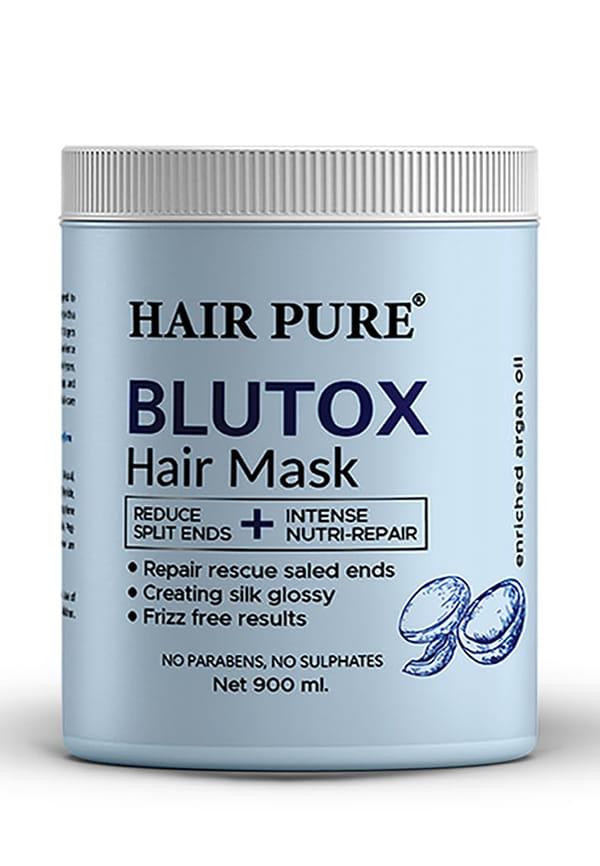
Blutox Hair Mask for Reduces Split Ends & Intense Nutri-Repair Treatment
Made my dry hair soft and silky
 5
5“I bought this one as a trial pack first omg it made my dry hair into sooo soft and silky guys its worth each penny”
Positive Product Review
5“smooth hair good smell and good”
Loved it, repurchasing
5“Love this product, repurchasing my favourite ”
Split hair might just be the most annoying thing that happens to your locks. You know the drill—those frayed, brittle ends that make your hair look rough no matter how much you style it. But here's the thing: split ends aren't just a cosmetic issue. They're actually your hair's way of crying for help. When the protective outer layer of your hair shaft gets damaged, it literally splits apart, and if you don't sort it out, the damage travels up the strand like a run in your tights. The good news? You can totally prevent and treat split hair with the right approach. Let's dive into everything you need to know about keeping your hair healthy, strong, and split-free.
Before we get into solutions, let's talk about why split hair happens in the first place. Your hair is basically made up of three layers—the medulla (inner core), cortex (middle layer), and cuticle (outer protective shell). When that outer cuticle gets damaged or worn away, the inner layers become exposed and vulnerable to hair breakage.
Your hair faces a lot of daily stress. UV rays from the sun, pollution, wind, and even air conditioning can strip moisture from your strands. Think of it like your hair getting a mini sunburn every day—eventually, that protective layer starts to crack.
Here's where most of us mess up: excessive heat styling and chemical treatments. That flat iron you use daily? It's literally cooking your hair at temperatures that can reach 200°C. Add in frequent colouring, perming, or chemical straightening, and you're basically asking for hair damage.
Rough towel drying, aggressive brushing when wet, tight hairstyles, and even sleeping on cotton pillowcases can cause friction that leads to split ends. Your hair is most vulnerable when it's wet, so this is when you need to be extra gentle.
To really understand hair repair, you need to know what you're working with. Your hair shaft is made up of overlapping scales called cuticles—imagine them like roof tiles. When these scales lie flat and smooth, your hair looks shiny and feels soft. But when they're damaged or lifted, your hair becomes rough, tangled, and prone to splitting. The cortex beneath contains keratin proteins that give your hair its strength and elasticity. When these proteins break down due to damage, your hair loses its structural integrity. This is why hair conditioning and protein treatments are so important—they help repair and reinforce these damaged areas.
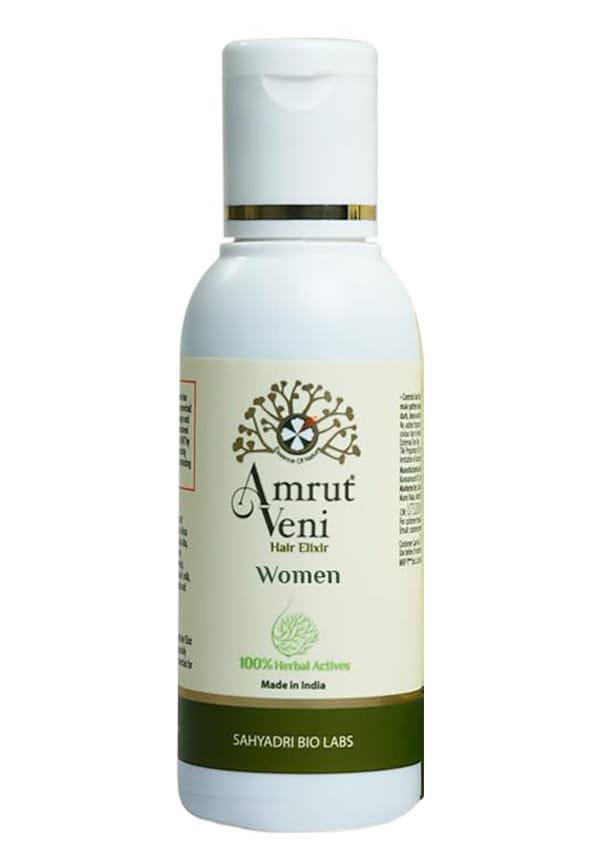
Hair Elixir Women
Prevention is honestly your best bet when it comes to split ends. Once your hair splits, the only real fix is cutting it off. But there's loads you can do to stop it happening in the first place.
Start with lukewarm water instead of hot—scalding water strips your hair of natural oils. Use a gentle, sulphate-free shampoo and focus on your scalp rather than the lengths. Your hair conditioning routine should happen every time you wash, concentrating on mid-lengths to ends where damage typically occurs.
If you're going to use heat tools, always apply a heat protectant first. These products create a barrier between your hair and the heat, reducing the risk of hair damage. Try to keep temperatures below 180°C and give your hair heat-free days whenever possible.
Ditch the harsh towel rubbing and instead gently squeeze excess water from your hair. Use a wide-tooth comb on wet hair, starting from the ends and working your way up. Sleep on silk or satin pillowcases to reduce friction, and avoid tight hairstyles that pull on your strands.
Sometimes you need to bring in the big guns. Professional treatments can make a real difference in your hair health, especially if you're dealing with significant damage.
This might seem obvious, but regular trims every 6-8 weeks are crucial for maintaining healthy hair. Even if you're trying to grow your hair out, removing those damaged ends prevents the splits from travelling up the hair shaft.
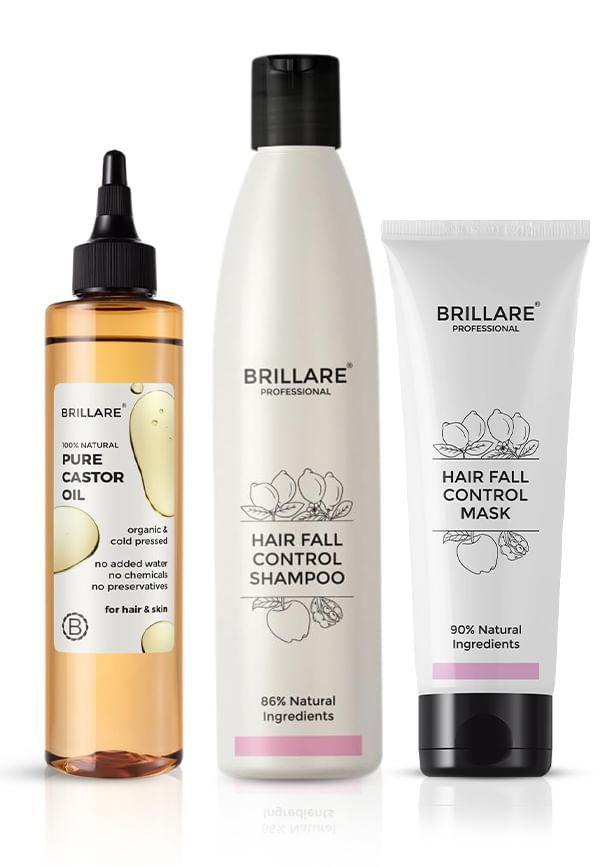
Ultimate Hair Strengthening Trio
Loved The Product
5“loved it! love the product 👍👍👍”
Excellent Product
5“soo good i love this product so much”
Great for Hair Fall
5“I think this combo is perfect for strengthening for hair fall go for it guys. It’s so nice”
Professional deep conditioning treatments can penetrate the hair shaft more effectively than at-home versions. These treatments often contain concentrated proteins and moisturising ingredients that help repair damage at a cellular level.
If your hair is severely damaged, protein treatments can help rebuild the hair's structure. These work by filling in gaps in the damaged cuticle and cortex, making your hair stronger and more resistant to future damage.
You don't always need expensive salon treatments to improve your hair health. Some simple home remedies can be surprisingly effective for minor damage and prevention.
Coconut oil, argan oil, and olive oil can all help seal the hair cuticle and add moisture. Apply from mid-length to ends, leave on for at least 30 minutes (or overnight), then shampoo out. These natural oils can penetrate the hair shaft and provide lasting hair conditioning.
Mix honey with plain yoghurt for a moisturising mask, or combine egg whites with olive oil for a protein boost. These ingredients might sound random, but they contain natural proteins and humectants that can help repair minor damage.
A diluted apple cider vinegar rinse (1 part vinegar to 3 parts water) can help smooth the hair cuticle and add shine. Use it once a week after shampooing but before conditioning.

Jonk Tail Hair Oil for Men and Women
Real hair maintenance goes beyond just what you put on your hair—it's about creating sustainable habits that support healthy growth from the inside out. Your diet plays a massive role in hair health. Protein-rich foods like eggs, fish, and legumes provide the building blocks for strong hair. Biotin, iron, and vitamins A, C, and E all contribute to healthy hair growth. If your diet isn't covering all bases, consider supplements, but chat to a healthcare professional first. Stress management is also crucial—chronic stress can actually affect your hair growth cycle and make existing hair more fragile. Getting enough sleep, staying hydrated, and finding healthy ways to manage stress all contribute to better hair. This is where platforms like Smytten become invaluable for your hair care journey. With access to trial-sized products from trusted haircare brands, you can experiment with different treatments and find what works best for your specific hair type without committing to full-size purchases. Whether you're looking for deep conditioning masks, heat protectants, or repair serums, trying before you buy helps you build an effective routine without the guesswork.
Every 6-8 weeks is the sweet spot for most people. If you use a lot of heat or have chemically treated hair, you might need trims every 4-6 weeks. The key is catching splits before they travel up the hair shaft.
Unfortunately, no. Once hair splits, the only way to truly fix it is to cut off the damaged portion. Hair treatment products can temporarily seal splits and prevent further damage, but they can't permanently repair the split.
Biotin, vitamin D, iron, and omega-3 fatty acids are all important for hair strength. A balanced diet usually provides these, but if you suspect deficiencies, speak to a healthcare professional about appropriate supplements.
Look for increased tangling, dullness, rough texture, and more breakage than usual. If you're finding lots of short, broken hairs around your hairline or on your pillow, your routine might be too harsh.
Not necessarily. While some high-end products do contain superior ingredients, many affordable options work just as well. The key is finding products with the right ingredients for your hair type—something that's much easier when you can try products risk-free.
Dealing with split hair doesn't have to be a constant battle. With the right prevention strategies, gentle handling, and consistent care, you can keep your hair healthy and strong. Remember, healthy hair is a marathon, not a sprint—it takes time to see real improvements, but the results are worth it. The beauty of modern haircare is that you have so many options to explore. From professional treatments to DIY remedies, there's something that will work for your lifestyle and budget. And with platforms like Smytten offering trial sizes from over 1,500 trusted brands, you can discover your perfect haircare routine without the risk of wasting money on products that don't suit your hair. After all, why settle for damaged, split-prone hair when you can try it all and find what truly works for you?
