
Haircare
•06 min read

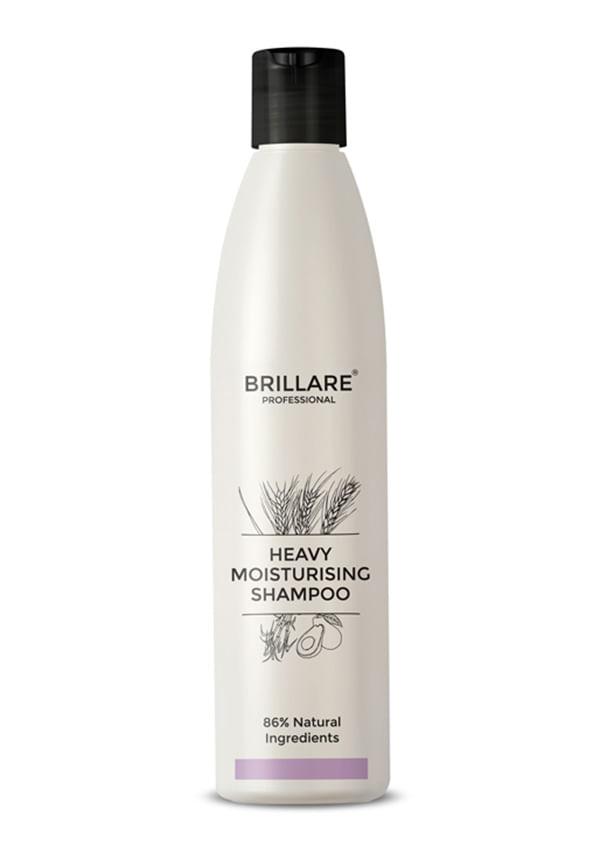
Professional Heavy Moisturising Shampoo
Excellent Product Quality
 5
5“Awesome product best in class.”
Good Product, Pleasant Smell
4“It was good product and smells good”
Amazing Shampoo, Reduced Hairfall
5“amazing amazing amzing. literally amazing jewell of crown .top shampoo ,reduced hair fall ..soft on scalp”
Let's be real—dry hair can feel like your worst enemy some days. You know the drill: brittle strands, frizz that defies gravity, and that rough texture that makes you want to hide under a hat forever. But here's the thing about learning how to moisturise dry hair: it's not rocket science, just good technique and the right approach. Whether your hair's been through the wringer with heat styling, chemical treatments, or just genetics playing tricks on you, proper hair hydration can transform your mane from straw-like to silky smooth. Ready to give your locks the love they deserve?
Before diving into dry hair remedies, let's decode what's actually happening up there. Dry hair isn't just about feeling rough—it's your hair literally crying out for moisture. You'll spot it through telltale signs like excessive frizz, split ends that seem to multiply overnight, hair that tangles easily, and strands that feel brittle to touch.
The culprits behind moisture-starved hair are more varied than you might think. Environmental damage from sun exposure and pollution, over-processing with chemical treatments, excessive heat styling, and even your genetics can leave your hair parched. Hormonal changes, certain medications, and even hard water can strip away your hair's natural oils, leaving the cuticles raised and vulnerable.
Here's the science bit that's actually useful: your hair's moisture depends on the cuticle layer staying smooth and intact. When these protective scales lift up, moisture escapes and your hair becomes porous. Different hair types have varying porosity levels—curly and coily hair naturally tends to be more porous, whilst straight hair often has tighter cuticles that can resist moisture absorption.
Ignoring hair hydration isn't just about bad hair days. Long-term moisture neglect leads to increased breakage, permanent damage to the hair shaft, and a cycle where your hair becomes progressively harder to manage. The good news? With consistent care and the right hair moisturising tips, you can reverse most of this damage.
Creating a solid daily routine is your first line of defence against dry hair. Think of it as skincare for your scalp and strands—consistency beats intensity every time.
Start your day by applying a leave in conditioner to damp (not soaking) hair. Work it through from mid-length to ends, avoiding the roots unless your scalp is particularly dry. The key is even distribution—use a wide-tooth comb or your fingers to ensure every strand gets some love.
Before bed, consider protective styling like loose braids or a silk scrunchie to prevent friction damage. If your hair is particularly parched, apply a small amount of natural hair care oil to the ends. Sleeping on a silk or satin pillowcase reduces friction and helps retain moisture overnight.
How often you moisturise depends on your hair type and lifestyle. Fine hair might need daily light moisture, whilst thick, coarse hair could benefit from heavier treatments every other day. Pay attention to how your hair feels—if it's still soft and manageable, you're on the right track.
Layering products effectively makes all the difference. Start with water-based leave-in conditioners for hydration, then seal with oil-based products to lock in moisture. This technique, known as the LOC method (Liquid, Oil, Cream), works particularly well for natural hair care routines.
Navigating the world of hair moisturisers can feel overwhelming, but understanding what each product type offers helps you make smarter choices. The best hair moisturiser for you depends on your hair's porosity, texture, and specific needs.
Leave in conditioner comes in two main forms: creams and sprays. Cream formulations work brilliantly for thick, coarse, or highly porous hair, providing intense moisture and frizz control. Spray leave-ins are perfect for fine hair or when you need a quick refresh without weighing your hair down.
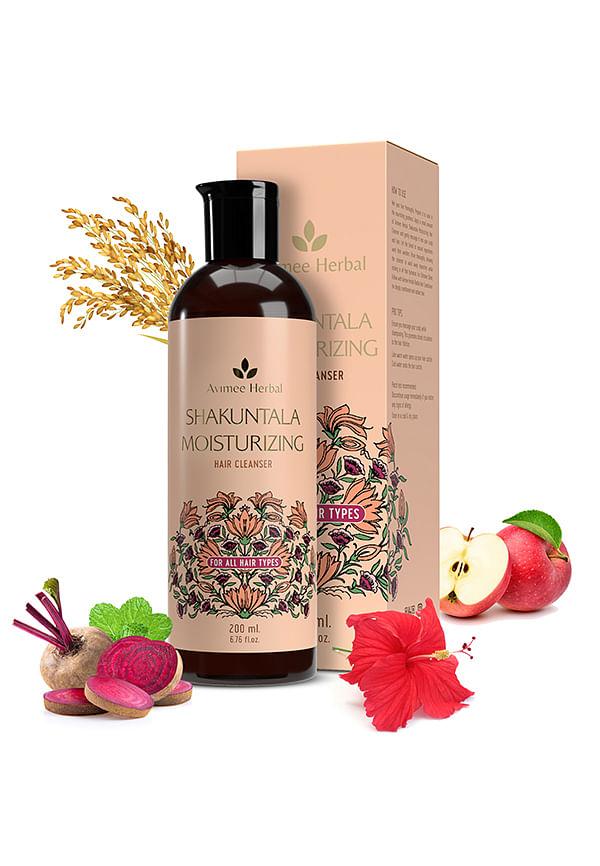
Shakuntala Moisturizing Shampoo
Hair oil for dry hair isn't one-size-fits-all. Argan oil works wonders for adding shine and smoothing frizz without heaviness. Jojoba oil closely mimics your scalp's natural sebum, making it excellent for both hair and scalp hydration. Coconut oil penetrates the hair shaft beautifully but can be too heavy for fine hair—use sparingly if you're in this camp.
Hair serums are brilliant for sealing split ends and adding instant shine, whilst hair creams provide deeper moisture for very dry or damaged hair. Choose based on your hair's immediate needs—serums for quick fixes, creams for intensive care.
When selecting products, consider your hair's porosity level. Low porosity hair needs lighter, water-based products that won't sit on the surface. High porosity hair can handle heavier creams and oils that fill in the gaps in damaged cuticles. Medium porosity hair—lucky you—can work with most product types.
Weekly deep conditioning treatment sessions are like spa days for your hair—they provide intensive repair and moisture that daily products simply can't match. These treatments penetrate deeper into the hair shaft, addressing damage from the inside out.
Apply your deep conditioning treatment to clean, damp hair, focusing on the mid-lengths and ends where damage typically accumulates. Leave it on for 15-30 minutes (check the product instructions), then rinse thoroughly with cool water to seal the cuticles.
Hair mask for dry hair doesn't always require expensive products. A simple honey and coconut oil mask provides intense moisture—mix two tablespoons of raw honey with one tablespoon of melted coconut oil. For protein-sensitive hair, try mashed avocado with olive oil for gentle nourishment.
Salon treatments like keratin masks or intensive moisture therapies can provide dramatic results for severely damaged hair. However, consistent home care often delivers better long-term results than occasional professional treatments.
Heat application during deep conditioning helps products penetrate better. Use a warm towel, shower cap, or even gentle heat from a hair dryer (on low) to enhance treatment effectiveness. Just remember—protein and moisture balance is crucial. Too much protein makes hair brittle, whilst too much moisture can make it mushy.
Sometimes the best solutions are hiding in your kitchen cupboard. Natural hair care approaches often provide gentle, effective moisture without harsh chemicals or hefty price tags.
Oil wrapping involves applying natural oils to your hair before bed and wrapping it in a silk scarf or shower cap. This intensive treatment works whilst you sleep, providing deep moisture and protection. Coconut, argan, or jojoba oils work beautifully for this technique.
Egg masks provide both protein and moisture—whisk one whole egg with a tablespoon of olive oil for a balanced treatment. Greek yoghurt mixed with honey creates a gentle, moisturising mask that's perfect for sensitive scalps. Mashed banana with a drizzle of coconut oil offers potassium and natural oils for soft, manageable hair.
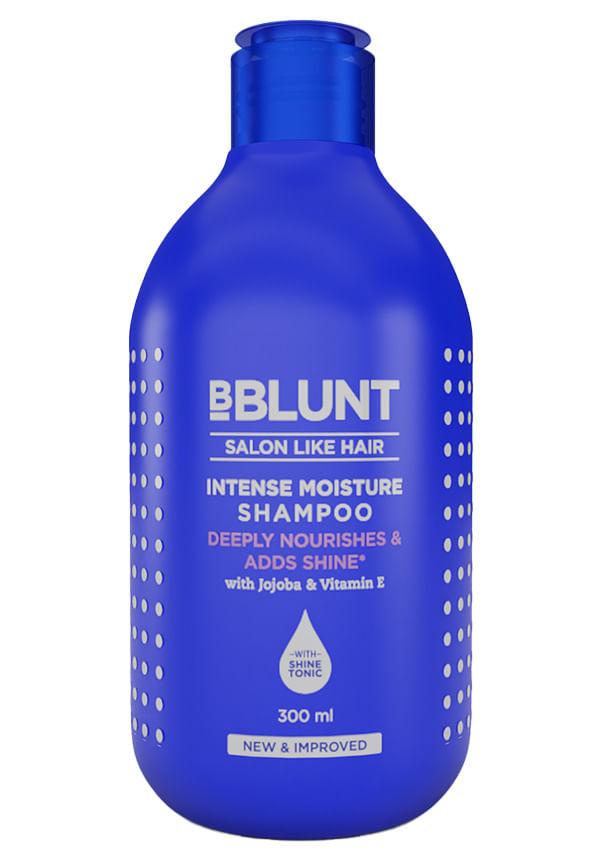
Intense Moisture Shampoo with Jojoba and Vitamin E for Dry & Frizzy Hair
Mixed: Bad Smell, Good Shine
4“smells not good but add shine to hair”
Mixed: Bad Smell, Good Shine
4“smells not good but add shine to hair”
Mixed: Bad Smell, Good Shine
4“smells not good but add shine to hair”
Don't forget about scalp hydration—a healthy scalp produces healthier hair. Gentle massage with natural oil blends stimulates circulation and distributes natural oils. Mix jojoba oil with a few drops of rosemary essential oil for a nourishing scalp treatment.
Environmental factors play a huge role in hair moisture. Using a humidifier in dry climates or during winter months helps maintain ambient moisture levels. Your diet also impacts hair health—foods rich in omega-3 fatty acids, vitamins A and E, and adequate water intake support hair hydration from within.
This is where platforms like Smytten become incredibly valuable. With over 1,500 trusted brands offering trial-sized products, you can experiment with different natural hair care formulations without committing to full-size purchases. Whether you're curious about a new leave-in conditioner or want to try a specific hair oil, Smytten's trial packs let you discover what works for your unique hair needs.
For immediate relief, apply a leave-in conditioner to damp hair, followed by a few drops of natural oil on the ends. A quick steam treatment in your bathroom whilst showering can also provide instant moisture boost.
Mix equal parts coconut oil and honey for an intensive overnight treatment. Apply to hair lengths, wrap in a silk scarf, and rinse out in the morning for deeply moisturised hair.
Once weekly is ideal for most hair types. If your hair is severely damaged or chemically processed, you might benefit from twice-weekly treatments initially, then reduce to weekly maintenance.
Absolutely! Use water-based leave-in conditioners or diluted conditioner in a spray bottle for daily moisture without buildup. Focus on mid-lengths and ends rather than roots.
Hydrating adds water content to your hair, whilst moisturising involves sealing that water in with oils or creams. Both are essential for healthy hair—think hydrate first, then moisturise to lock it in.
With consistent care, you'll notice improvements within 2-4 weeks. Complete restoration of severely damaged hair can take 2-3 months of dedicated moisture treatments and protective styling.
Learning how to moisturise dry hair is really about understanding your hair's unique needs and responding with consistent, gentle care. Whether you're dealing with environmental damage, over-processing, or just naturally dry hair, the right combination of daily moisture, weekly treatments, and protective practices can transform your hair health.
Remember, there's no universal solution—what works for your friend might not work for you, and that's perfectly normal. This is where Smytten's approach to product discovery becomes invaluable. With trial packs from trusted haircare brands, you can explore different formulations and find your perfect moisture routine without the financial risk of full-size purchases. From leave-in conditioners to natural oils, deep conditioning treatments to scalp care products, having access to mini versions lets you build a personalised routine that actually works for your hair type.
The journey to healthier, more hydrated hair takes patience, but every small step counts. Start with the basics—gentle cleansing, regular conditioning, and protecting your hair from damage—then build from there. Your hair will thank you for the extra attention, and you'll love the confidence that comes with having soft, manageable, beautifully moisturised hair.
