How to Meet Low Porosity Hair Needs for Healthy Strands


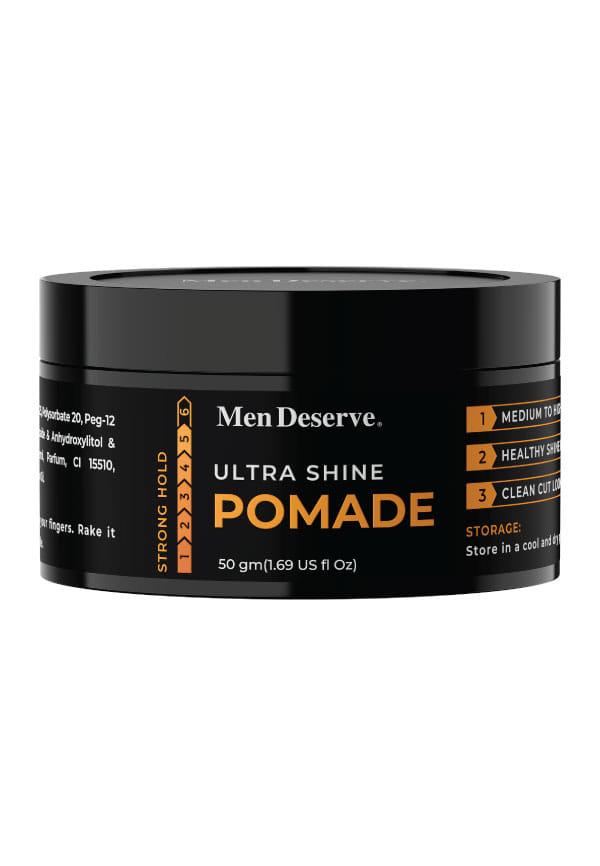
Hair Styling Ultra Shine Pomade for Strong Hold and Wet Look Hairstyle
Ever wondered why your hair seems to repel moisture like it's got trust issues? If your strands take forever to get wet, products sit on top instead of sinking in, and you're constantly battling dryness despite using every moisturising treatment under the sun, you might be dealing with low porosity hair. Understanding your hair porosity is like getting the cheat codes to finally crack your haircare routine. Let's dive into what low porosity hair needs really need and how to give your strands the TLC they're actually craving.
Low porosity hair is basically the introvert of the hair world. The cuticles (those outer protective layers) are tightly bound together, creating a barrier that makes it tough for moisture and products to penetrate. Think of it like trying to water a plant with waxy leaves—everything just rolls right off.
Want to know if you've got low porosity hair? Try the classic water test: drop a clean strand into a glass of water and watch what happens. Low porosity hair will float on the surface for ages because those tight cuticles won't let water in easily.
Your hair might be giving you these telltale signs:
Products seem to sit on your hair rather than absorbing
It takes forever for your hair to get fully wet in the shower
Hair dries slowly after washing
Buildup happens quickly, making hair feel heavy or greasy
Heat styling seems to work better than air drying
Your hair looks healthy but feels dry to the touch
The science bit is actually quite fascinating. Those tightly packed cuticles that make moisture absorption tricky also mean your hair retains whatever does get in really well. It's like having a really secure vault—hard to get into, but once you're in, you're staying put. This is why understanding hair porosity is crucial for building an effective routine.
Meeting low porosity hair needs isn't about using more products—it's about using the right ones in the right way. Your hair craves lightweight formulations that can actually penetrate those stubborn cuticles without causing buildup.
The golden rule for hair care for low porosity hair is this: think light, think heat, think smart. Heavy creams and butters are your hair's worst enemy, whilst water-based products and gentle heat application are your best friends.
Swap those thick, creamy products for water-based alternatives. Your hair needs moisture that can actually get past the cuticle barrier, not sit on top creating a greasy mess.
Gentle heat helps open those tight cuticles just enough to let moisture in. Think warm towels, hair steamers, or even sitting under a hooded dryer during deep conditioning treatments.
Because low porosity hair struggles with product absorption, buildup happens faster. Monthly clarifying treatments are essential to reset your strands and remove any stubborn residue.
Low porosity hair typically needs minimal protein treatments. Focus on hydration over strengthening, as too much protein can make your hair feel stiff and brittle.
Choosing the right low porosity hair products can feel like navigating a maze, but once you know what to look for, it becomes much simpler. The key is understanding which ingredients will work with your hair's unique structure, not against it.
When shopping for products, always check the ingredient list. Water should be one of the first ingredients, and you want to avoid anything that feels heavy or greasy when you touch it.
These ingredients are worth seeking out:
Humectants: Glycerin, honey, and aloe vera draw moisture from the environment
Lightweight oils: Jojoba, argan, sweet almond, and grapeseed oils penetrate better than heavier alternatives
Water-based leave-ins: Look for products with water as the first ingredient
Gentle surfactants: Sulphate-free cleansers that won't strip your hair
Not all oils are created equal when it comes to low porosity hair. Stick to lighter molecular weight oils that can actually penetrate your hair shaft rather than just coating it.
These ingredients might work for others but will likely cause issues for your hair type:
Heavy butters like shea or mango butter
Coconut oil and castor oil (too heavy for most low porosity hair)
Silicone-heavy products that create buildup
Protein-rich treatments (use sparingly, if at all)
Creating an effective low porosity hair routine is all about working smarter, not harder. Your hair needs a gentle but strategic approach that focuses on getting moisture in and keeping buildup out.
The best low porosity hair treatment approach involves consistent care rather than intensive weekly sessions. Think of it as maintaining a delicate balance rather than overwhelming your strands.
Here's how to structure your weekly routine:
Pre-treatment: Start with a warm water rinse to gently open the cuticles
Cleansing: Use a gentle, sulphate-free shampoo weekly, with a clarifying treatment monthly
Conditioning: Apply conditioner with gentle heat—try a warm towel wrap for 10-15 minutes
Deep treatment: Monthly lightweight masks with heat application
Styling: Apply water-based leave-ins to damp (not soaking) hair
Your daily routine should be minimal but effective:
Morning refresh with a water-based spray
Gentle protective styling to prevent damage
Silk or satin pillowcases to reduce friction
Light oil application to ends only, if needed
Learning how to hydrate low porosity hair properly is like mastering a delicate art form. The goal is getting moisture in without creating that heavy, greasy feeling that makes you want to wash your hair immediately.
Moisturising low porosity hair requires a completely different approach than what you might see recommended for other hair types. It's not about quantity—it's about technique and timing.
Gentle heat is your secret weapon for opening those stubborn cuticles:
Hair steamers: Professional-level hydration at home
Warm towel wraps: Budget-friendly and effective
Heated caps: Consistent, even heat distribution
Hooded dryers: Perfect for deep conditioning sessions
Apply products from thinnest to thickest consistency. Start with water-based leave-ins, then add a light oil if needed. This prevents heavier products from blocking lighter ones from penetrating.
Apply products to damp hair, not soaking wet or completely dry. Your hair should feel slightly moist to the touch—this is when the cuticles are most receptive to product absorption.
Properly hydrated low porosity hair feels soft and looks shiny without being greasy. It should have minimal frizz and bounce back when gently stretched.
Even with the best intentions, it's easy to fall into traps that can sabotage your haircare efforts. Understanding these common mistakes can save you months of frustration and help you achieve the healthy strands you're after.
The biggest mistake people make is following advice meant for high porosity hair. What works for your friend with damaged, bleached hair might be completely wrong for your low porosity strands.
These mistakes can undo all your good work:
Using too much product—a little goes a long way with low porosity hair
Applying products to bone-dry hair instead of damp strands
Skipping heat during conditioning treatments
Layering products in the wrong order
More isn't always better with low porosity hair:
Over-using protein treatments can make hair brittle
Daily deep conditioning can cause buildup
Neglecting regular clarifying leads to product accumulation
Not adjusting routine for seasonal humidity changes
Choosing the wrong products is often the root of many low porosity hair problems. Heavy creams, thick butters, and protein-rich treatments can all backfire spectacularly.
This is where platforms like Smytten become incredibly valuable. With over 1,500 trusted brands offering trial-sized products, you can test different formulations without committing to full-size purchases. Whether you're exploring lightweight leave-ins from Dot & Key or trying gentle cleansers from Cetaphil, you can discover what works for your unique hair needs without the financial risk.
Low porosity hair needs lightweight, water-based products, gentle heat application during conditioning, and regular clarifying to prevent buildup whilst maintaining proper hydration. The key is working with your hair's natural structure rather than against it.
Avoid heavy oils like coconut and castor oil, thick butters, protein-heavy treatments, silicone-laden products, and applying products to completely dry hair. These can cause buildup and prevent proper moisture absorption.
Wash 1-2 times per week with a gentle, sulphate-free shampoo, and use a clarifying treatment once monthly to prevent product buildup. Your hair doesn't need daily washing and can actually benefit from less frequent cleansing.
Yes, but stick to lightweight oils with smaller molecular structures like jojoba, argan, sweet almond, and grapeseed oils. These penetrate better than heavier alternatives and won't weigh your hair down.
Properly cared for low porosity hair feels soft and bouncy, looks shiny without being greasy, has minimal frizz, and doesn't feel weighed down. Your hair should also absorb products better over time as you find the right routine.
Use protein treatments sparingly, if at all. Low porosity hair typically has intact cuticles and doesn't need much protein reinforcement. Too much protein can make your hair feel stiff and brittle.
Understanding your low porosity hair needs is the first step towards achieving the healthy, manageable strands you've been dreaming of. It's not about fighting your hair's natural characteristics—it's about working with them intelligently.
Remember, finding the perfect routine takes time and experimentation. What works for someone else might not work for you, and that's completely normal. The key is being patient with the process and paying attention to how your hair responds to different products and techniques.
With Smytten's extensive range of trial-sized haircare products from trusted brands, you can explore different formulations without the commitment of full-size purchases. From lightweight leave-ins to gentle clarifying shampoos, you can build your perfect low porosity hair routine one trial at a time. After all, why settle for maybe when you can Try It All and find exactly what your hair needs to thrive?
