How to Manage Monsoon Scalp Issues for Healthy Hair
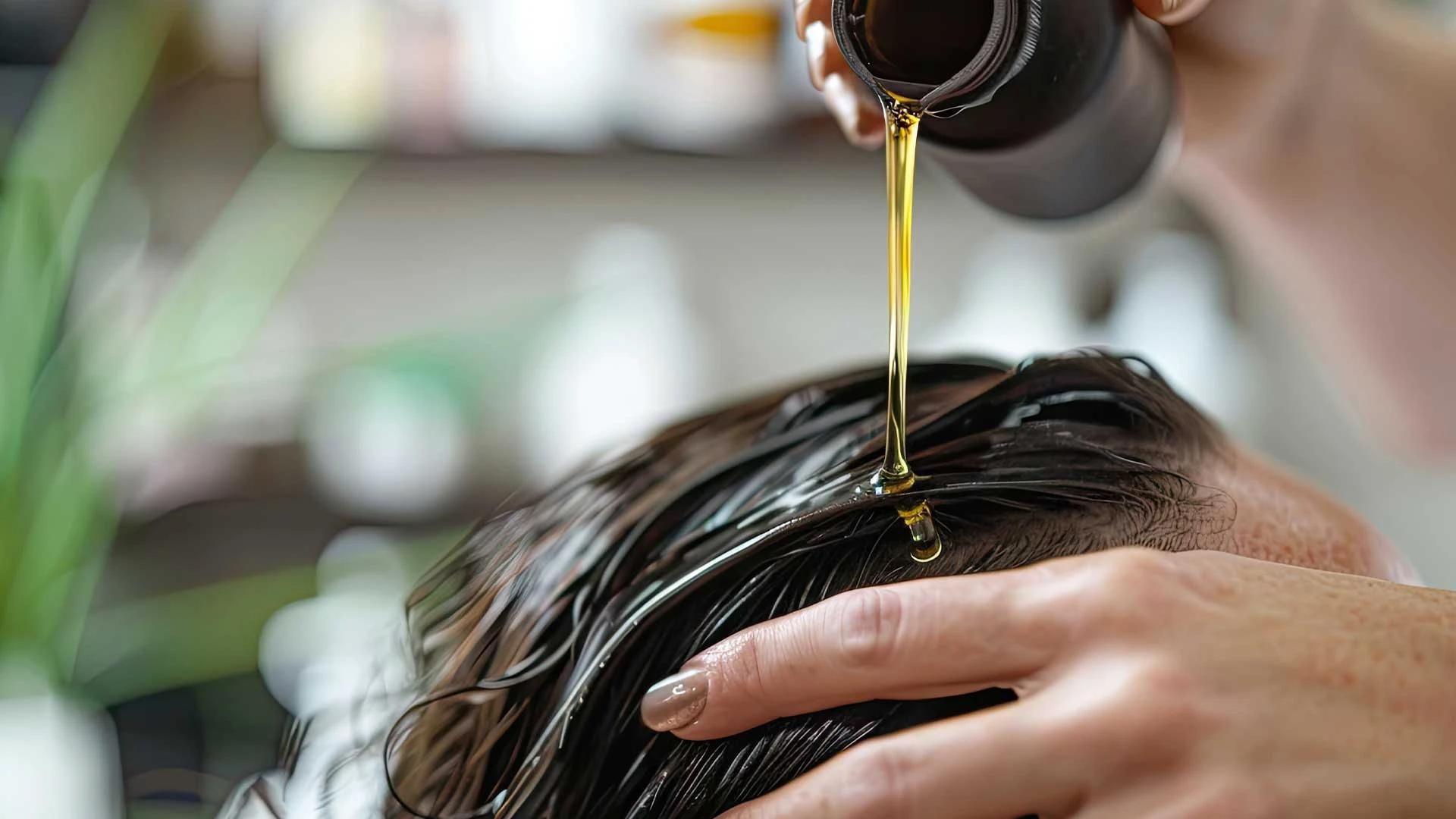

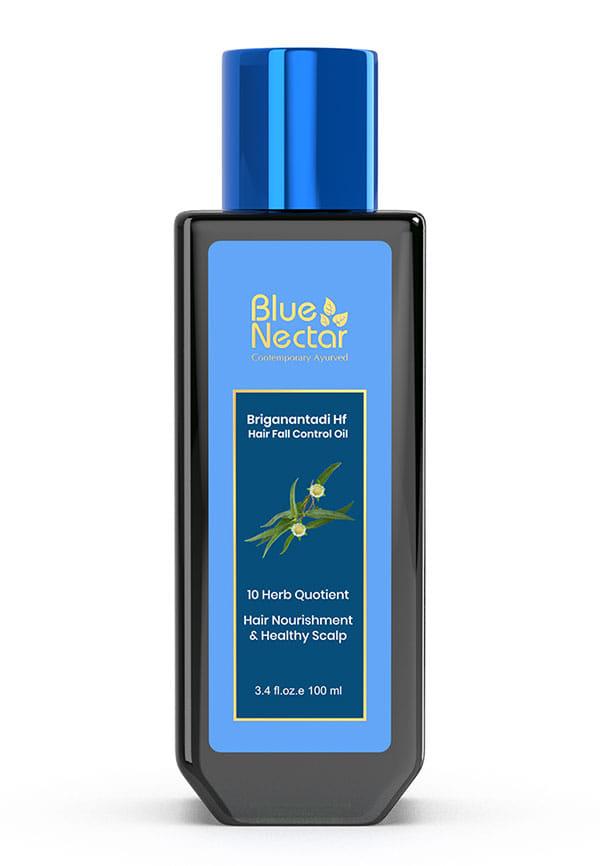
Briganantadi Hair Fall control and Healthy Scalp Hair Oil 10 Herbs
Monsoon season brings relief from scorching heat, but it also unleashes a perfect storm of scalp problems that can leave your hair feeling less than fabulous. With humidity levels soaring and pollution mixing with rainwater, your scalp becomes a breeding ground for fungal infections, dandruff flare-ups, and persistent itchiness. Studies indicate a significant increase in scalp issues during rainy months, making proper hair care more crucial than ever. The combination of increased moisture, reduced air circulation, and environmental pollutants creates ideal conditions for bacteria and fungi to thrive on your scalp. Understanding how to manage monsoon scalp issues isn't just about maintaining healthy hair—it's about preventing long-term damage that could affect your hair's strength and growth. Whether you're dealing with an oily scalp that feels constantly greasy or experiencing unexpected hair fall, the right approach can help you navigate through the rainy season with confidence. At Smytten, we understand that finding the perfect scalp care routine during monsoon requires trying different products to see what works best for your unique hair type and concerns.
TL;DR
Monsoon humidity creates perfect conditions for scalp problems like fungal infections, dandruff, and excessive oil production
Proper washing frequency (2-3 times weekly) with lukewarm water and gentle, sulfate-free shampoos is essential
Natural remedies like tea tree oil, coconut oil, and aloe vera can effectively treat common monsoon scalp issues
Prevention through protective styling, immediate post-rain cleansing, and maintaining scalp hygiene is key
Persistent issues lasting more than two weeks require professional medical attention
The rainy season transforms your scalp environment in ways that can catch even the most prepared hair care enthusiasts off guard. High humidity levels prevent proper moisture evaporation from your scalp, creating a damp environment that's basically a five-star resort for unwanted microorganisms. This moisture retention, combined with the natural oils your scalp produces, forms the perfect breeding ground for various scalp problems that seem to appear out of nowhere.
Humidity during monsoon doesn't just make your hair frizzy—it fundamentally changes how your scalp behaves. When moisture levels in the air increase dramatically, your scalp's natural ability to regulate oil production gets thrown off balance. The excess humidity prevents sweat and natural oils from evaporating properly, leading to buildup that clogs hair follicles. Additionally, acid rain and increased pollution levels during monsoon create a toxic cocktail that can irritate sensitive scalps and disrupt the natural pH balance, which is essential for a healthy scalp.
Let's break down the most common culprits that make monsoon season a nightmare for your scalp:
Fungal infections scalp monsoon: Warm, moist conditions allow fungi like Malassezia to multiply rapidly, causing red, itchy patches and sometimes even hair loss in affected areas
Dandruff control monsoon: Seasonal humidity triggers overproduction of skin cells on the scalp, leading to those embarrassing white flakes on your shoulders
Itchy scalp in rainy season: Combination of trapped moisture, product buildup, and bacterial growth creates persistent itching that can be both uncomfortable and socially awkward
Hair fall during monsoon: Weakened hair follicles due to excess moisture and fungal infections lead to increased hair shedding and breakage
Oily scalp monsoon remedies: Overactive sebaceous glands, which are tiny oil-producing glands in your scalp, produce excess oil that gets trapped by humidity, making hair look greasy within hours of washing
Managing your scalp during monsoon requires a strategic approach that balances cleansing without over-stripping your hair's natural protective oils. The key lies in understanding that your regular hair care routine might need some seasonal adjustments to combat the unique challenges that rainy weather brings. Hair care for humid weather isn't just about using different products—it's about adapting your entire approach to match what your scalp actually needs during this challenging season.
Contrary to what you might think, washing your hair daily during monsoon can actually make scalp problems worse. Over-washing strips away natural oils, causing your scalp to overcompensate by producing even more oil. Stick to washing 2-3 times per week with lukewarm water, which helps remove buildup without shocking your scalp with extreme temperatures. When shampooing, focus on massaging your scalp gently with fingertips (never nails) to stimulate circulation and ensure thorough cleansing of oil and dead skin cell buildup.
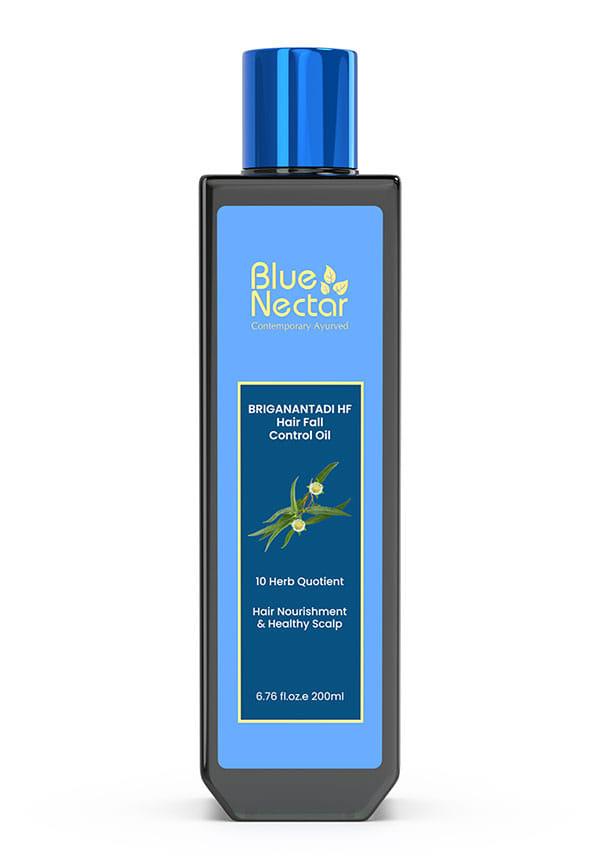
Briganantadi Hair Fall control and Healthy Scalp Hair Oil 10 Herbs
Your monsoon hair care arsenal should include sulfate-free shampoos that cleanse without being overly harsh on your already stressed scalp. Look for ingredients like tea tree oil, salicylic acid, or zinc pyrithione, which have natural antifungal and antibacterial properties. pH-balanced formulations help maintain your scalp's natural acid mantle, which acts as a protective barrier against harmful microorganisms. Avoid heavy, silicone-laden products that can create a barrier on your scalp, trapping moisture and bacteria underneath.
Sometimes the most effective solutions for scalp problems are sitting right in your kitchen cabinet. Natural remedies have been used for centuries to treat various scalp conditions, and many of them are particularly effective against monsoon-related issues. These treatments work by addressing the root causes of scalp problems—excess oil, bacterial growth, and inflammation—without the harsh side effects that some commercial products can cause.
Coconut oil remains one of the most versatile treatments for monsoon scalp issues. Its natural antifungal properties help combat the microorganisms that thrive in humid conditions, while its moisturising qualities soothe irritated skin. Warm a small amount of coconut oil and massage it into your scalp 30 minutes before shampooing, focusing on areas that feel particularly itchy or inflamed.
Tea tree oil blend: Mix 3-4 drops of tea tree oil with a carrier oil like jojoba or coconut oil for a powerful antifungal treatment
Aloe vera gel treatment: Fresh aloe vera gel applied directly to the scalp provides instant cooling relief and helps reduce inflammation
Apple cider vinegar rinse: Dilute ACV with water (1:3 ratio) for a final rinse that restores pH balance and removes product buildup
Your kitchen holds several powerful ingredients that can help combat monsoon scalp issues effectively. Neem leaves, when ground into a paste with water, create a potent antibacterial treatment that's been used in traditional medicine for generations. Fenugreek seeds soaked overnight and ground into a paste make an excellent anti-dandruff mask that also strengthens hair follicles. Lemon juice, when diluted properly, helps control excess oil production while its citric acid content provides gentle exfoliation to remove dead skin cells.
While home remedies work wonders for mild to moderate scalp issues, sometimes you need to bring in the big guns. Professional treatments and medicated products contain active ingredients at concentrations that can tackle stubborn problems more effectively than DIY solutions. Knowing when to escalate your treatment approach can save you weeks of frustration and prevent minor issues from becoming major problems.
Medicated shampoos containing ketoconazole or zinc pyrithione are your first line of defence against persistent fungal infections and stubborn dandruff. These ingredients work by directly targeting the microorganisms causing your scalp problems, providing relief that natural remedies might not achieve alone. Scalp serums with salicylic acid help exfoliate dead skin cells and unclog hair follicles, while also providing anti-inflammatory benefits that soothe irritated scalp tissue.
Some scalp conditions require professional medical intervention, and recognising these warning signs early can prevent long-term damage to your hair and scalp health.
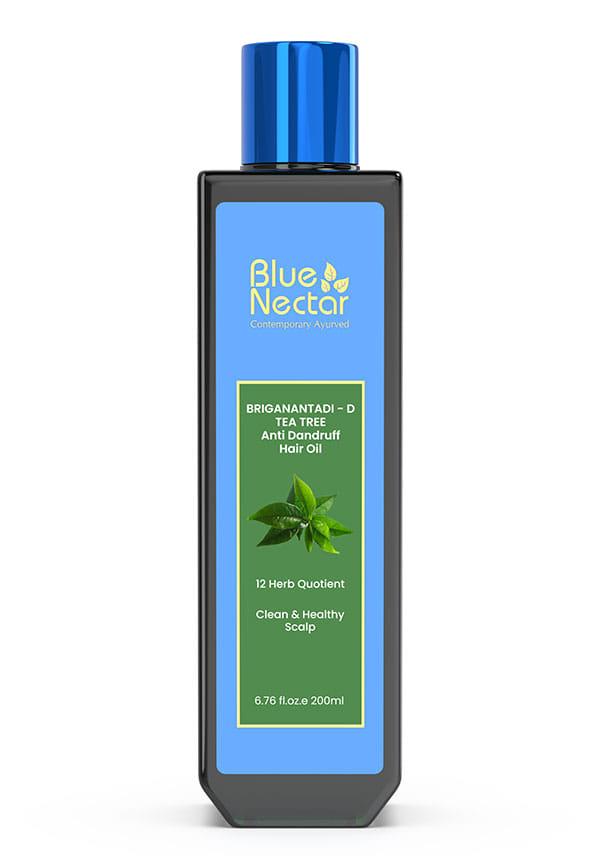
Tea Tree Anti Dandruff and Healthy Scalp Oil 12 Herbs
Persistent itching that lasts more than two weeks despite treatment
Severe hair loss or the appearance of bald patches
Signs of secondary bacterial infection like pus, extreme redness, or fever
Allergic reactions including severe swelling, rash, or difficulty breathing
Scalp pain that interferes with daily activities or sleep
Prevention truly is better than cure when it comes to monsoon scalp problems. Establishing a consistent daily routine that addresses the unique challenges of humid weather can help you avoid most common issues before they start. This proactive approach focuses on maintaining optimal scalp health through simple, sustainable practices that fit easily into your existing routine.
Start your day with gentle scalp massage using clean fingertips to stimulate blood circulation and distribute natural oils evenly. This simple practice helps prevent oil buildup in specific areas while promoting healthy hair growth. Choose protective hairstyles that allow air circulation around your scalp—tight ponytails and buns can trap moisture and create breeding grounds for bacteria.
Evening care should focus on removing the day's accumulation of pollution, sweat, and environmental toxins. If you've been caught in the rain, rinse your hair immediately with clean water to remove pollutants and contaminants that can irritate your scalp. Dry your hair thoroughly before bed to prevent fungal growth that thrives in damp conditions.
Your diet plays a crucial role in scalp health, especially during monsoon when your body needs extra support to fight off infections. Include zinc-rich foods like pumpkin seeds and chickpeas, which support immune function and help regulate oil production. Stay hydrated to help your body naturally flush out toxins that could contribute to scalp problems. Manage stress through regular exercise or meditation, as stress hormones can trigger excessive oil production and worsen existing scalp conditions.
Building resilience against seasonal scalp issues requires a holistic approach that strengthens your scalp's natural defence mechanisms. Think of it as building immunity—the stronger your scalp's natural barrier function, the better it can handle environmental challenges like increased humidity and pollution. This long-term strategy focuses on creating sustainable habits that support scalp health year-round, not just during problematic seasons.
Nutritional support forms the foundation of healthy hair follicles and scalp tissue. Omega-3 fatty acids from sources like walnuts and flaxseeds help maintain the scalp's natural moisture barrier, while vitamin D supports hair follicle health and immune function. Adequate hydration helps your body maintain optimal circulation to the scalp, ensuring that hair follicles receive the nutrients they need to stay strong and healthy.
Keep a simple hair diary to track which treatments work best for your specific scalp type and concerns. Note changes in itchiness, oil production, and hair fall in relation to weather patterns, product changes, and lifestyle factors. This information helps you identify patterns and adjust your routine proactively rather than reactively. Signs of improvement typically include reduced itching within the first week, decreased oil production after 2-3 weeks, and stronger, less brittle hair after 4-6 weeks of consistent care.
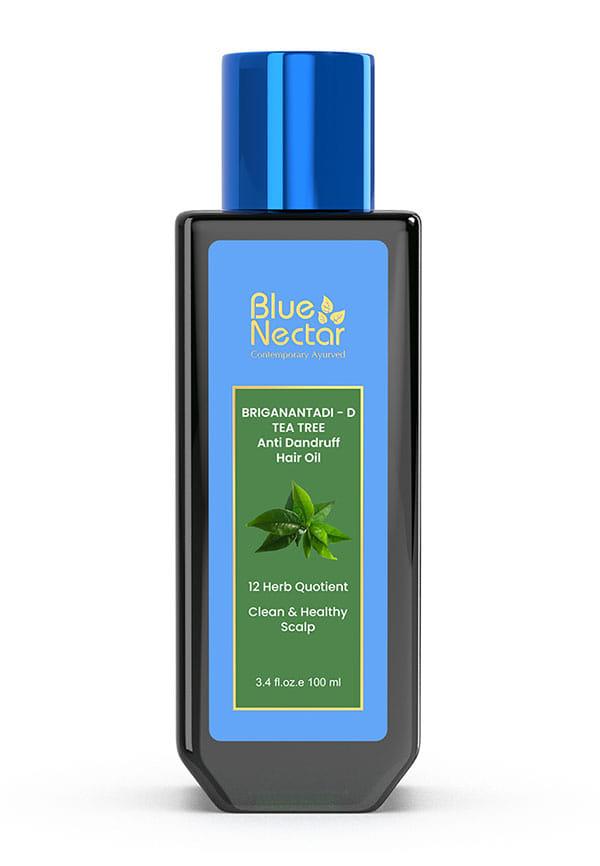
Tea Tree Anti Dandruff and Healthy Scalp Oil 12 Herbs
Focus on maintaining scalp cleanliness with 2-3 weekly washes using lukewarm water and gentle, sulfate-free shampoos. Avoid over-washing, which can strip natural oils and cause your scalp to overproduce oil. Include protein-rich foods in your diet and consider using a scalp serum with growth-supporting ingredients like rosemary or peptides. If hair fall persists beyond normal seasonal shedding, consult a dermatologist to rule out underlying conditions.
Use clarifying shampoos once a week to remove buildup, but balance this with gentle, daily-use shampoos to avoid over-stripping. Dry shampoo can help absorb excess oil between washes, but use it sparingly to prevent clogging pores. Avoid touching your scalp frequently, as this transfers additional oils and bacteria from your hands.
Daily washing isn't recommended as it can disrupt your scalp's natural oil balance, potentially making problems worse. Stick to 2-3 times per week with lukewarm water and sulfate-free formulations. If you must rinse daily due to heavy sweating or rain exposure, use just water or a very mild, diluted shampoo.
Seek professional help if you experience persistent itching lasting more than two weeks, severe hair loss, signs of infection (pus, extreme redness, fever), or if home remedies and over-the-counter treatments haven't provided relief after 3-4 weeks of consistent use. Smytten's trial packs let you test different medicated shampoos and treatments safely before committing to full-size purchases.
While generally safer than harsh chemicals, natural ingredients can still cause allergic reactions in sensitive individuals. Always patch test new treatments on a small area first. Essential oils should be diluted properly, and acidic ingredients like lemon juice should be used sparingly to avoid irritation.
Managing monsoon scalp issues successfully requires a balanced approach that combines proper cleansing techniques, targeted treatments, and preventive measures. The key is understanding that your scalp's needs change with the weather, and adapting your routine accordingly can prevent most common problems before they become serious. Remember that consistency matters more than intensity—gentle, regular care typically yields better results than aggressive treatments that can further irritate already stressed scalp tissue.
Natural remedies offer effective, gentle solutions for most monsoon-related scalp problems, but don't hesitate to seek professional help when issues persist or worsen. Building long-term scalp health through proper nutrition, stress management, and consistent care routines creates resilience against seasonal challenges. Most importantly, listen to your scalp and adjust your approach based on how it responds to different treatments and environmental conditions.
Navigating monsoon scalp challenges doesn't have to be a guessing game when you have access to the right products and information. Smytten is India's largest product discovery and trial platform, connecting consumers with top lifestyle, beauty, wellness, and grooming brands that can help address your specific scalp concerns. At its core, Smytten offers curated trial packs - mini-sized products from over 2,400 trusted brands such as Cetaphil, Dot & Key, True Elements, Oziva, Renee, Swiss Beauty Love, Beauty & Planet, WishCare, Carlton London and Bella Vita. This lets you explore and experience different scalp treatments before committing to full-size purchases. The platform covers a wide range of categories, including specialised haircare products perfect for monsoon scalp management. Each mini is linked with Trial Points, and users can get up to 10 Trial Points for just ₹279. Plus, Smytten offers 100% cashback on the purchase of these minis, redeemable in the shop section for future orders, making product discovery both affordable and rewarding. The best part is that when you find a scalp treatment that works perfectly for your monsoon hair care needs, buying the full-size version is just a click away in Smytten's shop. With over 28 million users and 100 million trial minis delivered across 90% pin code coverage, Smytten helps consumers make smarter, more confident choices about their scalp care routine. Why settle for 'maybe' when you can try before you buy and #TryItAll!
