How to Manage High Porosity Hair Like a Pro

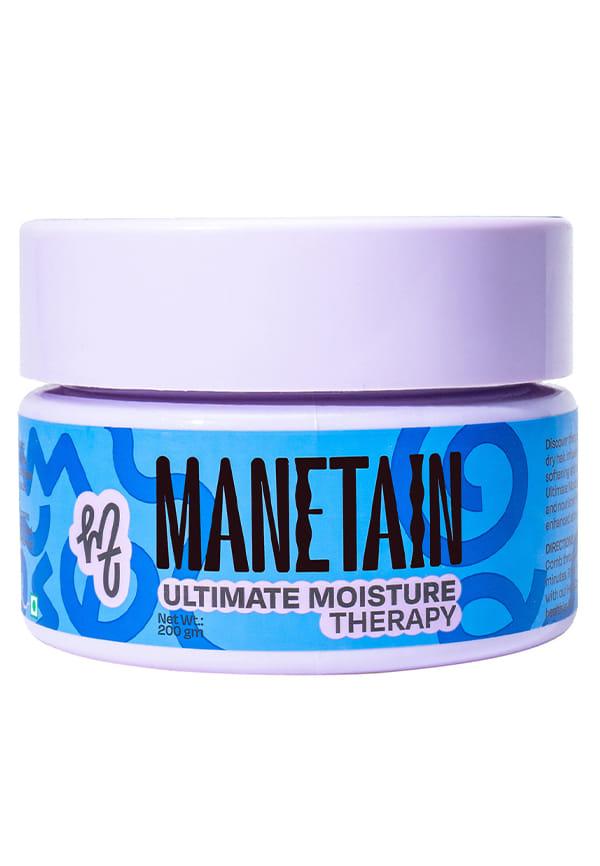
Ultimate Moisture Therapy For Deep Hydration
Let's be real—if your hair drinks up moisture like it's been wandering through a desert, you've probably got high porosity hair on your hands. This isn't necessarily a bad thing, but it does mean your hair cuticle is more open than usual, making it both a blessing and a challenge. The good news? Once you understand how high porosity hair care works, you can absolutely master the art of keeping your strands happy, hydrated, and healthy. Think of it as learning your hair's love language—once you crack the code, everything becomes so much easier.
Before diving into solutions, let's get clear on what we're actually dealing with. Hair porosity refers to how well your hair absorbs and holds moisture, and it's all about the condition of your hair cuticle—those overlapping scales that form your hair's outer layer.
Think of your hair cuticle like roof tiles. In healthy hair, these "tiles" lie flat and smooth, creating a protective barrier. With porous hair, these cuticles are raised, chipped, or damaged, creating gaps that let moisture in and out too easily. It's like having a roof with missing tiles—water gets in quickly, but it also escapes just as fast.
This happens because the cuticle layer becomes compromised, either through damage or genetics. When cuticles are lifted or damaged, your hair becomes more permeable, which is why high porosity hair absorbs products quickly but struggles to retain moisture for long periods.
Wondering if you're dealing with high porosity hair? Here are the telltale signs that might sound familiar:
Your hair gets soaking wet almost instantly in the shower
It dries super quickly after washing
Products seem to disappear into your hair without much effect
You're constantly battling frizz and tangles
Your hair feels dry and rough, even right after conditioning
Colour fades faster than you'd like
The classic test? Drop a clean strand of hair into a glass of water. If it sinks quickly, you've got high porosity hair. If it floats, your porosity is likely low to normal.
High porosity doesn't just happen overnight. Several factors can contribute to this condition:
Chemical processing: Bleaching, colouring, perming, or relaxing treatments
Heat damage: Regular use of hot tools without proper protection
Environmental factors: Sun exposure, chlorine, hard water, and pollution
Physical damage: Rough brushing, tight hairstyles, or aggressive towel drying
Natural factors: Some people are simply born with naturally high porosity hair
Now that you know what you're working with, let's talk strategy. Managing high porosity hair is all about finding the right balance between moisture and protein, plus learning how to seal in all that goodness you're putting into your strands.
Your daily routine should focus on gentle moisture replenishment without overwhelming your hair. Start your morning by lightly misting your hair with water or a leave-in conditioner spray. This helps reactivate any products from the night before and gives your hair a moisture boost.
In the evening, focus on protection. Apply a small amount of oil or cream to your ends and mid-lengths, then protect your hair with a silk or satin pillowcase or bonnet. This prevents moisture loss while you sleep and reduces friction that can cause further damage.
The LOC method (Liquid, Oil, Cream) is your best friend for high porosity hair. This layering technique helps trap moisture in your strands more effectively than using products individually.
Liquid: Start with water or a water-based leave-in conditioner. Your hair should be damp but not dripping wet.
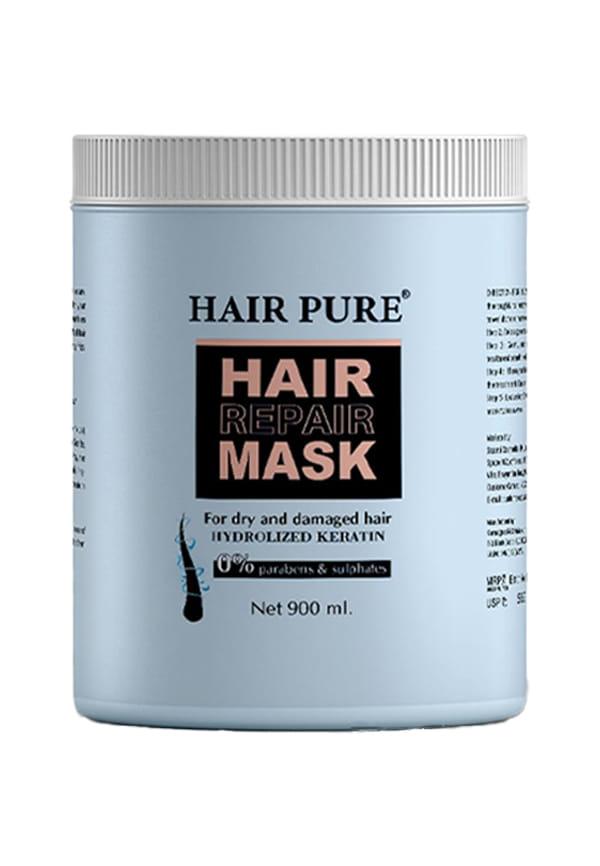
Hair Repair Mask Deep Conditioning
Amazing product, suited skin
 5
5“the product was amazing and it suited my skin”
Oil: Apply a light to medium oil like argan, jojoba, or sweet almond oil. Focus on your mid-lengths and ends, avoiding the roots.
Cream: Finish with a moisturising cream or butter to seal everything in. This creates a protective barrier that helps prevent moisture loss throughout the day.
When it comes to cleansing, gentle is the name of the game. Use sulfate-free shampoos or co-washes that won't strip your hair further. Wash with lukewarm water and finish with a cool rinse to help close the cuticles slightly.
Pre-poo treatments (applying oil or conditioner before shampooing) can provide extra protection during the cleansing process. This creates a barrier that prevents your hair from becoming overly stripped during washing.
Not all high porosity hair products are created equal. The key is finding formulations that can penetrate your hair shaft effectively while also providing lasting moisture and protection.
Look for moisturising hair treatments that are specifically designed for damaged or chemically processed hair. These typically contain smaller molecules that can penetrate raised cuticles more effectively.
Deep conditioning treatments should be your weekly ritual. Choose masks with both moisturising and strengthening properties. Leave-in conditioners are non-negotiable—they provide ongoing moisture throughout the day and help protect against environmental damage.
When shopping for products, keep an eye out for these powerhouse ingredients:
Humectants like glycerin, honey, and aloe vera draw moisture from the environment into your hair. However, be mindful of humidity levels—in very dry conditions, humectants can actually pull moisture out of your hair.
Proteins such as keratin, silk amino acids, and hydrolysed wheat protein help fill in the gaps in damaged cuticles, temporarily strengthening your hair structure.
Emollients and sealers like shea butter, coconut oil, and argan oil help smooth the cuticle and lock in moisture.
Avoid products with high concentrations of drying alcohols (like denatured alcohol) and harsh sulfates, as these can further damage already compromised cuticles.
While commercial products offer convenience and consistent formulations, DIY treatments can be incredibly effective for high porosity hair. Simple ingredients like honey, avocado, and coconut oil can create powerful moisturising hair treatments at home.
However, finding the right products for your specific needs often requires some trial and error. This is where platforms like Smytten become invaluable—you can try mini versions of different haircare products without committing to full-size purchases, helping you discover what works best for your unique hair needs.
Here's where things get interesting. High porosity hair often needs protein to help temporarily fill in those gaps in the cuticle, but too much protein can make your hair feel stiff and brittle. It's all about finding that sweet spot.
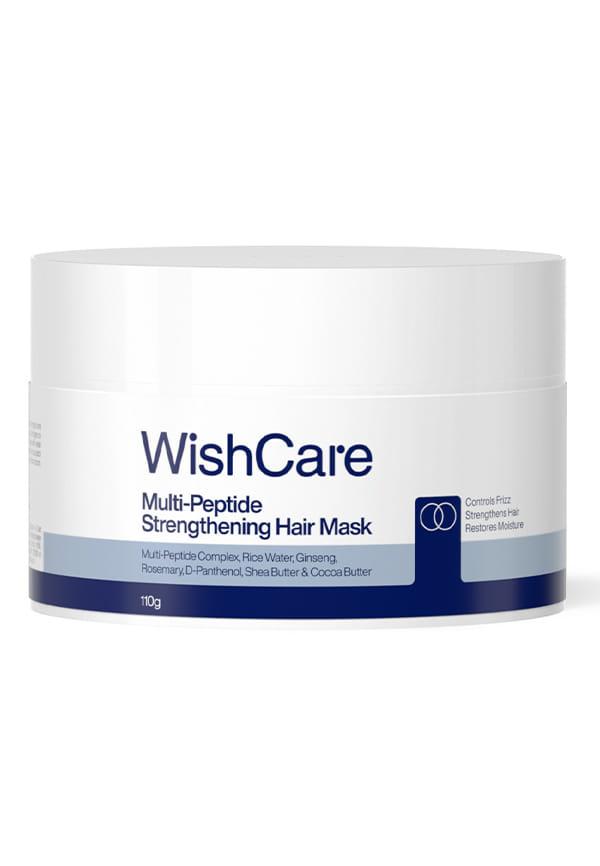
Multi-Peptide Strengthening Hair Mask
Good Smell, Worth Money
5“It smells tooo good and worth for money”
Nice, Strengthens Hair Roots
5“it very nice and strengthen the roots of hair”
Nice, Strengthens Hair Roots
5“it very nice and strengthen the roots of hair”
Think of protein and moisture as dance partners—they need to work together in harmony. Damaged hair repair often requires protein treatments to strengthen the hair structure, but these must be balanced with adequate moisture to maintain flexibility and softness.
Signs you need more protein include hair that feels mushy when wet, lacks elasticity, or breaks easily. Signs of protein overload include stiffness, dryness, and increased breakage. The key is listening to your hair and adjusting accordingly.
Simple protein treatments can be made at home using everyday ingredients. An egg mask (just beat one or two eggs and apply to damp hair for 20 minutes) provides gentle protein. Rice water, made by soaking rice in water for 30 minutes, contains amino acids that can help strengthen hair.
Gelatin treatments offer more intensive protein repair. Mix unflavoured gelatin with warm water and a bit of your favourite conditioner for a strengthening mask that can help temporarily seal raised cuticles.
Salon treatments like Olaplex or similar bond-building treatments can provide more intensive repair for severely damaged high porosity hair. These treatments work at a molecular level to rebuild broken bonds within the hair shaft.
At-home versions of professional treatments are becoming more accessible, offering a middle ground between DIY options and expensive salon visits.
Prevention is always better than cure, and this is especially true for high porosity hair. Protecting your strands from further damage while they recover is crucial for long-term hair health.
Embrace your hair's natural texture with heat-free styling methods. Braids, twists, and buns not only look great but also protect your ends from environmental damage. Natural hair care approaches often yield the best results for high porosity hair.
For overnight styling, try loose braids or a silk scarf wrap. These methods help maintain your style while preventing tangling and moisture loss during sleep.
If you must use heat, always start with a heat protectant product. Keep temperatures below 300°F (150°C) and use the lowest effective setting. Consider investing in tools with adjustable temperature controls and ceramic or tourmaline plates that distribute heat more evenly.
After heat styling, give your hair a recovery period with deep conditioning treatments and gentle handling.
High porosity hair is particularly susceptible to environmental damage. In humid conditions, use anti-humidity products to prevent frizz. In dry climates, focus on extra moisture and consider using a humidifier in your home.
UV protection is crucial—look for hair products with SPF or wear protective styles and hats when spending extended time in the sun.
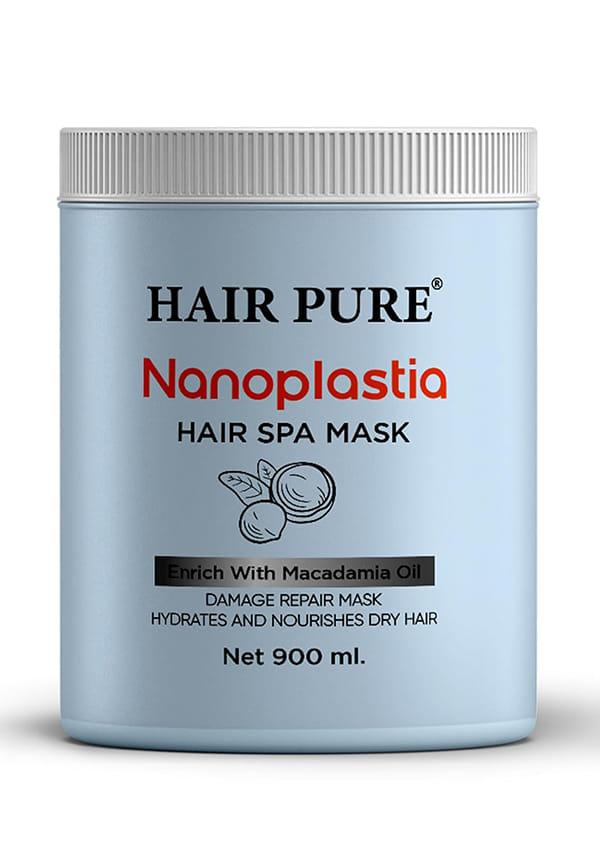
Nanoplastia Hair SPA Mask Deep Nourishment With Macadamia Oil
Pleasant Scent
4“nice product smells nice .....”
Managing high porosity hair is a marathon, not a sprint. These advanced strategies will help you maintain healthy hair over the long term while preventing further damage.
Regular trims are essential for removing damaged ends that can travel up the hair shaft. Aim for a trim every 8-12 weeks, or more frequently if you notice significant damage or splitting.
Learn to distinguish between damaged ends that need cutting and natural texture variations that are perfectly healthy. Not all rough or uneven areas require trimming—sometimes they just need the right products and techniques.
Your overall health directly impacts your hair health. A diet rich in protein, healthy fats, and vitamins supports strong hair growth from the inside out. Stay hydrated—hair hydration starts with proper body hydration.
Stress management is crucial, as chronic stress can affect hair growth and health. Quality sleep, regular exercise, and stress-reduction techniques all contribute to healthier hair.
Keep track of what works and what doesn't. Take photos of your hair regularly to monitor progress, and don't be afraid to adjust your routine based on seasonal changes, hormonal fluctuations, or lifestyle shifts.
Your hair's needs may change over time, so stay flexible and open to trying new approaches. With platforms like Smytten, you can continuously explore new products and techniques without the financial risk of full-size purchases that might not work for you.
Absolutely! While high porosity hair requires more attention and specific care techniques, it can definitely be healthy, strong, and beautiful. The key is understanding your hair's unique needs and providing consistent, appropriate care. Many people with naturally high porosity hair maintain gorgeous, healthy strands with the right routine.
Look for products with moisturising ingredients like glycerin, hyaluronic acid, and natural oils. Protein treatments, leave-in conditioners, and sealing creams or butters work particularly well. The best products for you will depend on your specific hair type, damage level, and personal preferences—which is why trying different options through trial sizes can be so helpful.
Coconut oil can be beneficial for high porosity hair because its small molecular structure allows it to penetrate the hair shaft effectively. However, some people find it too heavy or protein-rich. Use it sparingly and see how your hair responds. If it makes your hair feel stiff, try lighter oils like argan or jojoba instead.
Most high porosity hair benefits from deep conditioning once or twice per week. However, pay attention to how your hair responds—if it starts feeling mushy or overly soft, you might be overdoing it. Adjust the frequency based on your hair's condition and the products you're using.
While you can't completely reverse damage to the hair cuticle, you can significantly improve the appearance and manageability of high porosity hair through proper care. Protein treatments, regular conditioning, and protective styling can help temporarily smooth raised cuticles and strengthen the hair structure. The key is consistent care and patience.
Managing high porosity hair might feel overwhelming at first, but once you understand the science behind it and develop a routine that works for your lifestyle, it becomes second nature. Remember, high porosity hair isn't inherently damaged or unhealthy—it just requires a different approach to care.
The journey to healthy high porosity hair is all about experimentation, patience, and finding what works specifically for you. This is where Smytten's approach to product discovery becomes particularly valuable. As India's largest product discovery and trial platform, Smytten connects you with over 1,500 trusted brands including haircare favourites that might just become your next obsession. With curated trial packs, you can explore different high porosity hair products and dry hair solutions without the commitment of full-size purchases. Getting up to 8 minis for just ₹249, plus 100% cashback redeemable for future orders, makes discovering your perfect haircare routine both affordable and exciting. After all, why settle for 'maybe' when you can #TryItAll and find exactly what your high porosity hair has been craving?
