How to Manage Dry Hair in Indian Weather: Hydration Tips


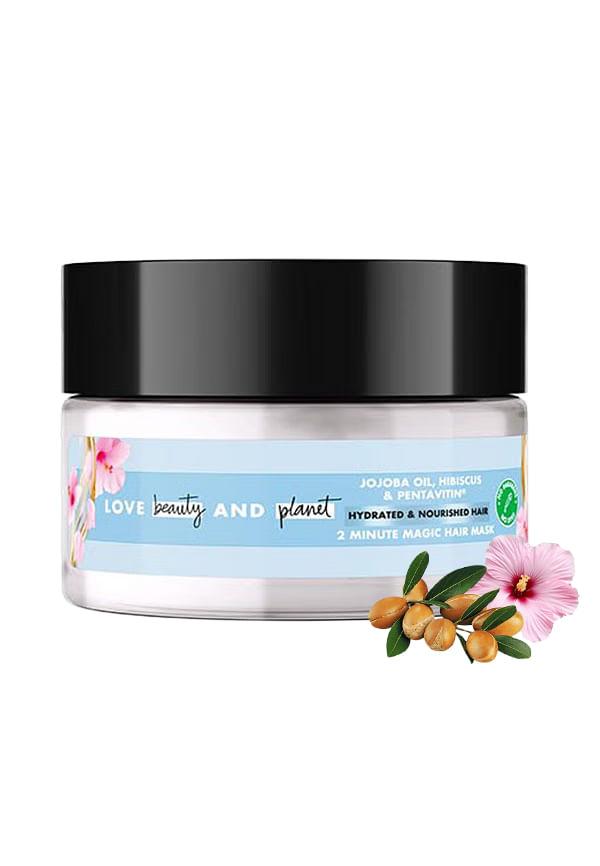
Jojoba oil , Hibiscus & Pentavitin Hydrate & Nourish Hair Mask
Hair Mask Works
 5
5“first time using this one hair mask and it also works”
Hair Mask Works
5“first time using this one hair mask and it also works”
Good Product, Go For It
5“like the product just go for it.”
Indian weather creates unique hair challenges through hard water, humidity paradoxes, and extreme temperature variations that strip natural oils and damage hair cuticles
Essential haircare for dry hair requires sulfate-free products, pH-balanced formulations, and climate-adaptive washing schedules tailored to your region
Natural remedies like traditional hair oils and kitchen ingredient masks can be highly effective when applied correctly for Indian conditions
Frizz control in humidity requires understanding hair porosity and using the right combination of serums, leave-in treatments, and protective styling techniques
Daily hydration maintenance involves both external treatments and internal factors like nutrition, sleep, and lifestyle adjustments
Indian weather isn't just challenging for your comfort—it's basically kryptonite for your hair. The combination of factors working against your strands creates a perfect storm that leaves even the healthiest hair looking like it's been through a blender. From the mineral-heavy water that coats your hair shaft to the humidity that plays tricks on your cuticles, every element seems designed to test your hair's limits.
Hard water is probably your hair's biggest enemy in India. Those minerals—calcium, magnesium, and iron—don't just rinse away after your shower. They build up on your hair shaft, creating a barrier that prevents moisture from penetrating and makes your hair feel rough and tangled. It's like trying to hydrate your skin through a plastic wrap—the good stuff just can't get through. This mineral buildup can affect hair porosity, making it harder for strands to absorb and retain moisture.
Then there's the humidity paradox that'll mess with your head. You'd think all that moisture in the air would help your hair, right? Wrong. When your hair is already damaged or porous, humidity actually draws moisture out of your strands and into the atmosphere. It's like your hair becomes a moisture highway, constantly losing hydration to the environment around you.
Your hair has its own way of crying for help, and once you know the signs, you can't unsee them. Brittleness is the big red flag—when your hair snaps at the slightest touch or breaks while you're just running your fingers through it. Split ends that seem to multiply overnight, a lack of shine that makes your hair look dull even right after washing, and that rough, straw-like texture that catches on everything.
The touch test is pretty telling too. Healthy hair should feel smooth and silky, even when it's not freshly washed. If your hair feels rough, tangles easily, or seems to repel products instead of absorbing them, you're looking at some serious hydration issues that need addressing stat.
Building a solid foundation for dry haircare in Indian weather starts with getting the basics right. You can't just wing it with whatever shampoo and conditioner are on sale—your hair needs products that understand the unique challenges of Indian climate and water conditions. Think of it as creating a protective shield that works 24/7, not just during your wash day.
Sulfate-free formulations aren't just a trendy buzzword—they're essential for Indian hair types dealing with hard water. Sulfates strip your hair of natural oils, and when you're already battling mineral buildup and environmental damage, the last thing you need is a shampoo that's working against you. Look for gentle cleansers that remove buildup without over-drying.
pH-balanced products are your secret weapon against hard water damage. When your shampoo and conditioner maintain the right pH level (typically between 4.5-5.5), they help seal your hair cuticles and prevent further moisture loss. Ingredients like ceramides, hyaluronic acid, and natural oils work overtime in Indian conditions, creating a protective barrier that locks in hydration.
Your washing schedule should adapt to your local climate, not some generic advice from a magazine. In humid coastal areas, you might need to wash more frequently to prevent scalp buildup, while in drier inland regions, over-washing can strip essential oils. Pre-wash treatments with natural oils can create a protective layer that prevents hard water minerals from penetrating your hair shaft.
Water temperature matters more than you think. Hot water opens your hair cuticles, making them more susceptible to damage and moisture loss. Lukewarm water for washing and a cool rinse at the end help seal those cuticles and lock in the good stuff from your conditioner.
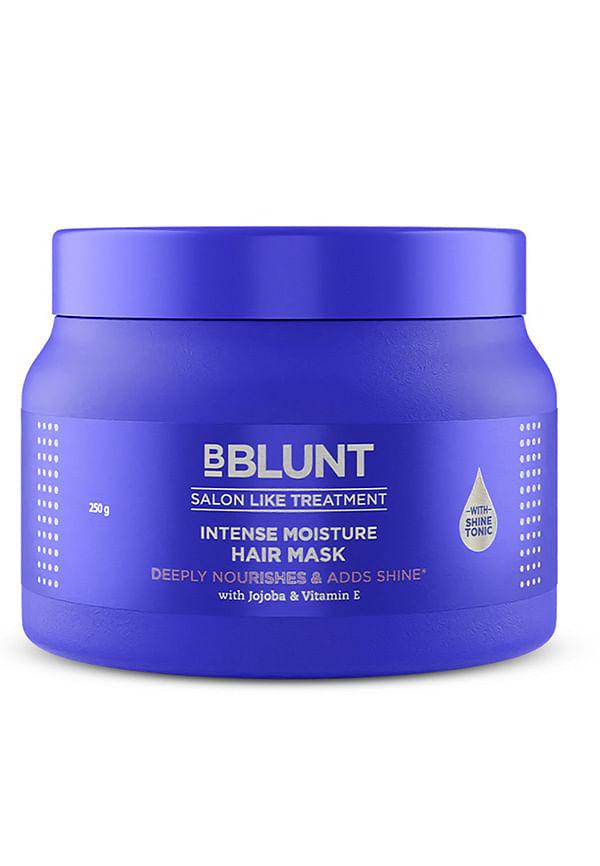
Intense Moisture Hair Mask with Jojoba Oil & Vitamin E for Nourished & Shiny Hair
Hydrating and Nourishing
5“very hydrating and nourished my hair”
Hydrating and Nourishing
5“very hydrating and nourished my hair”
Best for Dry Hair, Adds Shine
4“this is best for dry hair and add shine”
When basic conditioning isn't cutting it, it's time to bring out the big guns. Advanced moisturizing hair treatments are like intensive care for your strands—they go deeper than surface-level hydration to actually repair and rebuild your hair's moisture barrier. In Indian weather conditions, these treatments become less of a luxury and more of a necessity.
Hair masks for dry scalp issues need to work double duty—hydrating your strands while soothing your scalp. The key is finding formulations that penetrate deeply without weighing your hair down in humid conditions. Look for masks with ingredients like argan oil, shea butter, and protein complexes that can withstand the moisture-zapping effects of Indian weather.
Application technique can make or break your mask game. Start with damp (not soaking) hair, focus on mid-lengths to ends, and avoid the roots if you have an oily scalp. Timing matters too—in high humidity, shorter application times (15-20 minutes) often work better than leaving masks on for hours, which can lead to product buildup.
Professional treatments adapted for Indian weather take into account factors like water quality and climate stress that at-home treatments might miss. Salon-grade deep conditioning treatments often include chelating agents that remove mineral buildup before adding moisture, making them more effective for hard water areas.
At-home alternatives can be just as effective when you know what you're doing. The trick is layering treatments—start with a clarifying treatment to remove buildup, follow with a protein treatment if your hair is damaged, and finish with a moisture-rich mask. It's like creating your own salon experience, but tailored to your specific hair needs.
Sometimes the best solutions are the ones that have been around for centuries. Traditional Indian haircare practices weren't just developed randomly—they evolved specifically to deal with our climate, water conditions, and hair types. These natural remedies for dry hair work because they understand the unique challenges of Indian weather and provide solutions that have stood the test of time.
Coconut oil gets all the attention, but the real magic happens when you understand how to use it properly in Indian conditions. In humid weather, coconut oil can feel heavy and attract dirt, so the key is using it as a pre-shampoo treatment rather than a leave-in. Apply it to dry hair 30 minutes before washing, focusing on the lengths and ends where dryness is most apparent.
Argan and jojoba oils are game-changers for Indian hair because they're lighter and absorb better in humid conditions. These oils mimic your hair's natural sebum, so they don't sit on top of your strands like heavier oils might. Oil blending is where you can get creative—mixing coconut oil with lighter oils gives you the nourishing benefits without the weight.
Your kitchen is basically a haircare goldmine, and the best part is that these ingredients work synergistically with Indian weather patterns. Yogurt and honey masks are perfect for humid conditions because they provide moisture without making your hair feel sticky or heavy. The lactic acid in yogurt gently exfoliates your scalp, while honey acts as a humectant, drawing moisture from the environment into your hair.
Avocado and banana masks are rich in natural oils and vitamins that penetrate deeply into damaged hair shafts. These work particularly well in dry, inland climates where your hair needs serious moisture replenishment. Egg protein treatments help strengthen hair that's been weakened by hard water and environmental stress, but use them sparingly—too much protein can make your hair brittle.
Frizz control for dry hair in Indian humidity is like trying to tame a wild animal—it requires strategy, patience, and the right tools. The thing about frizz is that it's not just a styling issue; it's a sign that your hair's moisture barrier is compromised. When your hair cuticles are damaged or lifted, they grab moisture from the humid air, causing your strands to swell and create that dreaded frizzy texture.
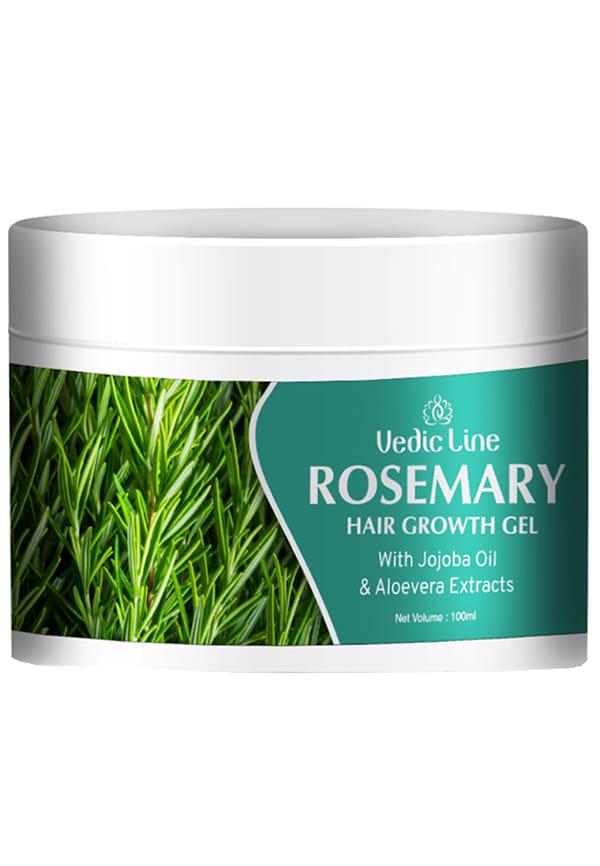
Rosemary Hair Growth Gel with Aloe Vera, Argan Oil & Jojoba Oil
Hair porosity is the secret to understanding why some people can step out in 90% humidity and look like they just left a salon, while others look like they stuck their finger in an electrical socket. High porosity hair (usually damaged hair) absorbs moisture quickly but also loses it just as fast. In humid conditions, this creates a constant cycle of swelling and shrinking that manifests as frizz.
Creating protective barriers against environmental damage is crucial. This means using products that form a light film over your hair shaft—think leave-in conditioners with silicones or natural oils that create a moisture barrier. The goal isn't to completely seal your hair (that would make it brittle), but to regulate how much moisture goes in and out.
Hair serums for dry ends are your first line of defense against humidity-induced chaos. Silicone-based serums work well in Indian weather because they create a protective coating that repels excess moisture while sealing in hydration. Oil-based serums are better for very dry or damaged hair, but they need to be applied sparingly to avoid weighing your hair down.
Application timing is everything with serums. Apply them to damp hair before styling to create a protective barrier, or use a tiny amount on dry hair to tame flyaways and add shine. In humid weather, less is definitely more—start with a pea-sized amount and build up if needed.
Daily hair hydration isn't just about what you put on your hair—it's about creating an environment where your hair can thrive despite the challenges of Indian weather. Think of it as a holistic approach that considers everything from your morning routine to your sleep setup. These hair hydration tips focus on sustainable practices that work with your lifestyle, not against it.
Your morning routine should be about protection and preparation. Start with a leave-in conditioner or hair mist that provides moisture and heat protection. If you're heading out into humid weather, a light serum or anti-humidity spray can help maintain your style throughout the day. Climate-adaptive styling means choosing techniques that work with the weather, not against it—loose braids in humidity, protective styles in windy conditions.
Evening routines are all about repair and preparation for the next day. A silk or satin pillowcase reduces friction and prevents moisture loss while you sleep. If your hair is particularly dry, a light oil treatment on the ends before bed can work wonders. Overnight treatments with natural ingredients like aloe vera gel can provide deep hydration without the heaviness of traditional hair masks.
Hydration from within is just as important as external treatments. Your hair is essentially dead protein, but the follicles that produce it are very much alive and affected by your overall health. Drinking enough water, eating foods rich in omega-3 fatty acids, and getting adequate sleep all contribute to healthier hair production.
Exercise and sweat management might seem counterintuitive for hair health, but regular exercise improves circulation to your scalp, promoting healthier hair growth. The key is managing sweat and salt buildup that can dry out your hair. A quick rinse with cool water after workouts can remove salt without requiring a full wash.
Managing dry hair in humidity requires next-level strategies that go beyond basic haircare. It's about understanding the complex relationship between your hair's structure, the environment, and the products you use. These advanced techniques help you work with humidity instead of constantly fighting against it, creating a sustainable routine that adapts to changing weather conditions.
Leave-in conditioners that work in high humidity need special formulations that provide moisture without attracting excess environmental moisture. Look for products with film-forming ingredients that create a protective barrier while still allowing your hair to breathe. Anti-humidity styling products often contain polymers that help maintain your style even when the air is thick with moisture.
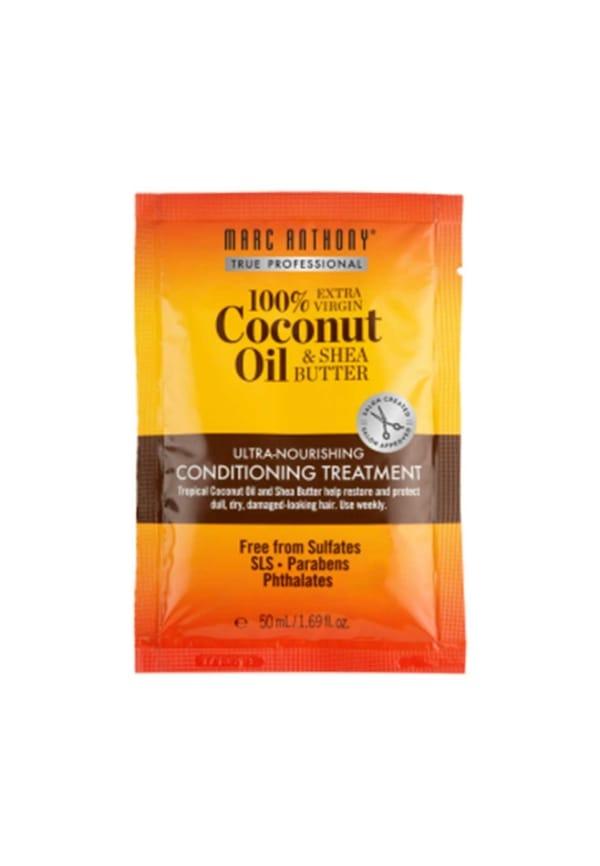
Hydrating Coconut Oil And Shea Butter Deep Nourishing Conditioning Treatment Mask
Seasonal product rotation is essential for Indian weather patterns. Your monsoon routine should focus on lightweight, quick-absorbing products that won't feel heavy in the humidity. Summer calls for heat protection and moisture retention, while winter might require richer, more nourishing formulations to combat dry air and indoor heating.
Salon hydration treatments for severe dryness often use professional-grade ingredients and techniques that aren't available for home use. Treatments like keratin smoothing or deep conditioning with steam can provide long-lasting results that make daily styling easier. The key is finding treatments that address your specific hair concerns rather than generic solutions.
Scalp treatments for improved hair growth focus on creating optimal conditions for healthy hair production. Professional scalp exfoliation, massage, and targeted treatments can address issues like buildup, inflammation, or poor circulation that might be contributing to dry, weak hair. These treatments work best as part of a comprehensive haircare strategy, not as standalone solutions.
Hydrating hair in dry climates requires a multi-pronged approach focusing on moisture retention and protection. Start with a hydrating shampoo that cleanses without stripping natural oils, followed by a rich conditioner that penetrates deeply. Weekly deep conditioning masks become essential, not optional. Leave-in treatments provide ongoing moisture throughout the day, while reducing washing frequency helps preserve natural oils. Sleep on silk pillowcases to reduce friction and moisture loss, protect your hair from sun and wind exposure, and remember that internal hydration through adequate water intake supports overall hair health.
Dry weather haircare starts with gentle handling and protective measures. Use a wide-tooth comb on wet hair to prevent breakage, and avoid heat styling when possible. Focus on scalp health with regular gentle massage to stimulate circulation and oil production. Choose nourishing products with ingredients like ceramides, natural oils, and humectants that draw moisture from the environment. Weekly hair masks become crucial for maintaining moisture levels, and protective hairstyles can shield your hair from harsh environmental conditions. Gentle brushing with natural bristle brushes helps distribute natural oils from root to tip.
Protection from dry weather involves creating barriers and maintaining moisture levels consistently. Deep condition weekly with protein-moisture balanced treatments, and avoid heat styling tools that further dehydrate your hair. Weekly masks with natural ingredients like avocado, honey, or coconut oil provide intensive moisture. Cover your hair with scarves or hats when outdoors to shield from wind and sun. Keep shower temperatures lukewarm rather than hot, use a humidifier in your bedroom to add moisture to the air, and apply a light oil or serum to hair ends before going outside. Pre-treat your hair with protective products before exposure to harsh weather conditions.
Hair dryness in India results from multiple environmental factors working together. Hard water with high mineral content coats hair shafts, preventing moisture absorption and making hair feel rough and tangled. Humidity paradoxically draws moisture out of already damaged or porous hair, while intense sun exposure breaks down hair proteins and strips natural oils. Air pollution creates a film on hair that blocks moisture penetration, and frequent washing to combat sweat and oil can over-strip natural protective oils. The combination of these factors creates a perfect storm for dry, damaged hair that requires specialized care approaches designed for Indian climate conditions. Understanding these factors helps in choosing the best dry hair solutions for Indian weather.
Managing dry hair in Indian weather isn't about finding one miracle product—it's about understanding your hair's unique needs and creating a comprehensive strategy that addresses multiple challenges simultaneously. The combination of hard water, humidity fluctuations, intense sun, and pollution creates a perfect storm that requires targeted solutions, not generic approaches.
Your foundation should always start with the right cleansing and conditioning system, but the real magic happens in the details: proper application techniques, climate-adaptive routines, and understanding when to use which products. Natural remedies and traditional Indian haircare practices offer time-tested solutions that work specifically with our climate conditions, while modern formulations provide targeted active ingredients that address specific concerns.
Remember that consistency trumps perfection every time. It's better to maintain a simple routine that you can stick to than to attempt an elaborate regimen that you'll abandon after a week. Pay attention to how your hair responds to different weather patterns and adjust accordingly—what works during monsoon might not be ideal for summer heat.
Finding the right dry hair solutions for Indian weather can feel overwhelming with so many products and conflicting advice out there. Instead of investing in full-size products that might not work for your specific hair type and climate challenges, you can trial different moisturizing hair treatments, hair serums for dry ends, and natural remedies. Experimenting with various products is key to finding your perfect hair hydration routine.
