How to Make Your Hair Silky: Natural Tips & Tricks
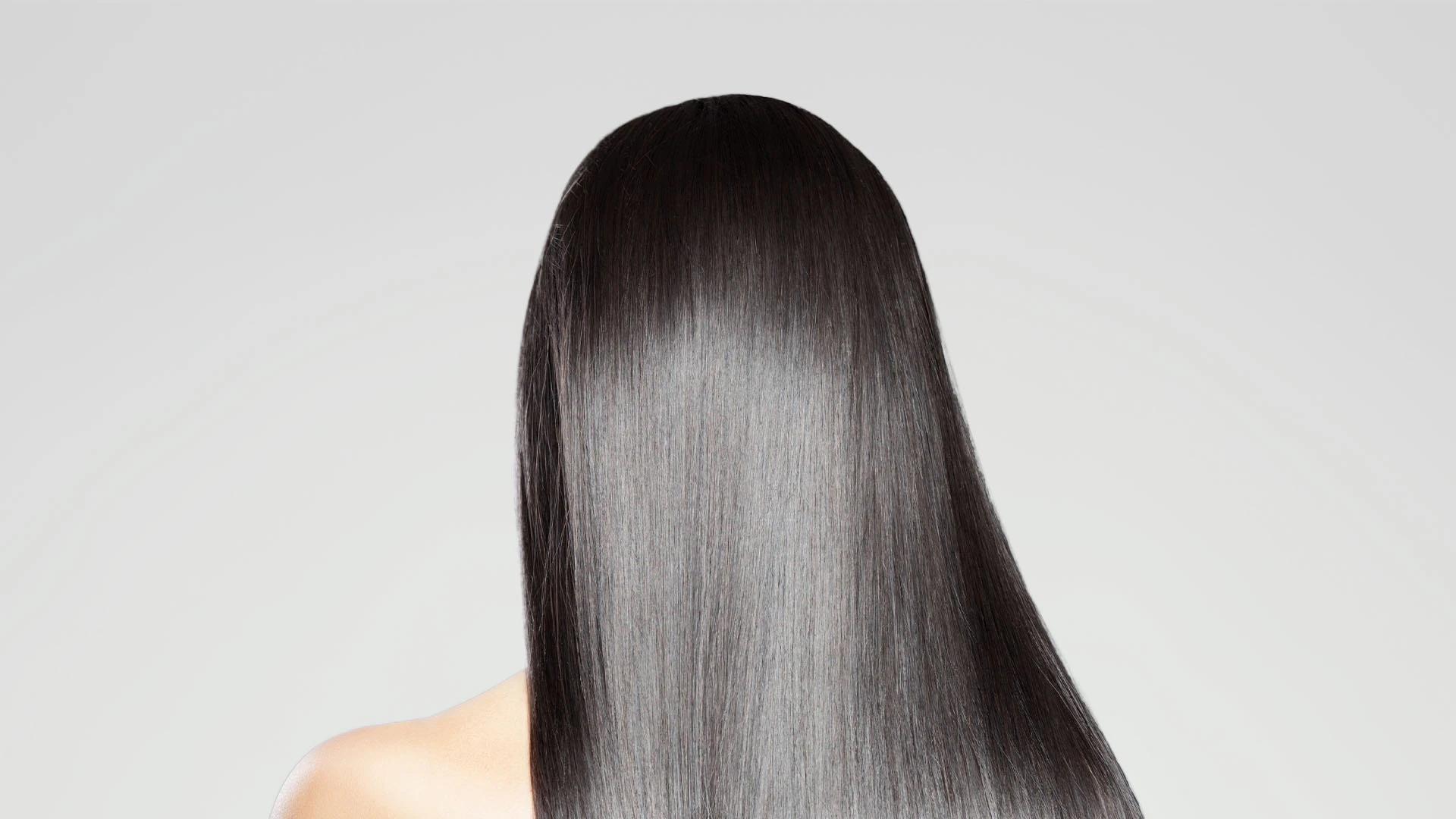

Ever wondered how some people manage to have hair that looks like it belongs in a shampoo advert? You know the kind—silky, smooth, and catches the light just right. The truth is, achieving that glossy, touchable texture isn't just about expensive salon treatments or miracle products. Real talk: the secret to silky hair lies in understanding what your hair actually needs and giving it exactly that. From simple tweaks to your daily routine to natural treatments you can whip up in your kitchen, there are loads of ways to transform even the most stubborn, frizzy locks into seriously smooth strands. Ready to discover how to make your hair silky without breaking the bank?
Let's get nerdy for a sec—understanding your hair structure is the first step to achieving that silky hair dream. Your hair shaft is covered in tiny overlapping scales called cuticles, kind of like roof tiles. When these cuticles lie flat and smooth, light reflects evenly off your hair, creating that gorgeous shine and silky feel we're all after.
The problem? Daily life loves to mess with your cuticles. Heat styling, harsh weather, chemical treatments, and even aggressive brushing can lift these scales, making your hair feel rough and look dull. When cuticles are raised, moisture escapes more easily, leaving you with dry, frizzy strands that are anything but silky.
Several factors play into how smooth your hair naturally is. Your genetics obviously have a say—some people are just blessed with naturally sleek strands. But environmental factors like humidity, sun exposure, and pollution can all mess with your hair's texture. Even your water quality matters; hard water can leave mineral buildup that makes hair feel rough and look lacklustre.
Getting silky hair starts with nailing the basics. Your shampoo and conditioner choice can make or break your smooth hair goals. Here's what actually works:
Choose sulphate-free formulas that won't strip your hair of its natural oils. Sulphates are harsh detergents that can leave your cuticles roughed up and your hair feeling like straw. Look for gentle cleansers that clean without being aggressive.
How you wash matters just as much as what you use. Focus shampoo on your scalp, not your lengths—your ends don't need that level of cleansing. When conditioning, concentrate on mid-lengths to ends, avoiding your roots to prevent that greasy look.
End your wash with a blast of cool water. It sounds brutal, but this simple trick helps seal your cuticles, locking in moisture and creating that smooth finish that reflects light beautifully.
DIY hair masks are your secret weapon for achieving seriously silky strands. The best part? You probably have most of these ingredients sitting in your kitchen right now. These natural treatments can rival any expensive salon mask when it comes to delivering smooth hair naturally.
The key to effective hair hydration methods is consistency. Using these masks once a week can transform your hair texture over time, making it softer, shinier, and more manageable.
Mash one ripe avocado with two tablespoons of honey. Avocado's natural oils penetrate the hair shaft whilst honey acts as a humectant, drawing moisture from the air into your hair. Leave on for 20 minutes before rinsing thoroughly.
Beat one egg with two tablespoons of olive oil for a protein-rich treatment that strengthens whilst smoothing. The proteins in eggs help repair damaged cuticles, whilst olive oil provides deep moisture.
Warm coconut oil and apply from mid-lengths to ends. This is one of the most effective frizzy hair solutions—coconut oil's molecular structure allows it to actually penetrate the hair shaft, not just coat it.
Your healthy hair diet plays a massive role in achieving that silky texture. What you put in your body directly affects what comes out of your follicles. It's not just about external treatments—true hair health starts from within.
Think of your hair like a plant. You can water and tend to the leaves all you want, but if the roots aren't getting proper nutrition, the whole thing suffers. Same goes for your hair—if you're not feeding your body the right nutrients, no amount of external products will give you truly healthy, silky hair.
Protein is essential since hair is basically made of keratin, a protein. Include lean meats, fish, eggs, or plant-based proteins like lentils and quinoa.
Omega-3 fatty acids from salmon, walnuts, and flaxseeds help keep hair moisturised from the inside out.
Biotin and B vitamins support healthy hair growth and texture. You'll find these in eggs, leafy greens, and whole grains.
Drinking enough water isn't just good for your skin—it's crucial for hair health too. Dehydrated hair is brittle, dull, and prone to breakage. Aim for at least 8 glasses daily to keep your hair hydrated from within.
Achieving silky hair isn't just about what you add to your routine—it's also about what you avoid. Protecting your hair from damage is just as important as treating it. Think of it as prevention being better than cure.
Heat damage is one of the biggest culprits behind rough, damaged hair. Every time you use hot tools, you're essentially cooking your hair cuticles, causing them to lift and become damaged. But we're not saying you need to go completely heat-free (let's be realistic), just smarter about it.
Always use a heat protectant before styling—this creates a barrier between your hair and the hot tool. Keep temperatures below 180°C and never style wet hair with hot tools, as this can cause serious damage.
Ditch the rough towel rubbing. Instead, gently squeeze excess water from your hair and wrap it in a microfibre towel or even a cotton t-shirt. These materials are much gentler on your cuticles.
Swap your cotton pillowcase for silk or satin. Cotton can create friction that roughens your cuticles whilst you sleep, but silk allows your hair to glide smoothly, reducing tangles and breakage.
Once you've mastered the basics, these advanced techniques can take your silky hair game to the next level. Consider these your secret weapons for achieving salon-quality smoothness at home.
Creating an effective hair care routine for silky hair means being strategic about when and how you use different treatments. It's not about doing everything every day—it's about doing the right things at the right time.
Monday: Gentle cleanse with sulphate-free shampoo, focus on scalp massage to boost circulation.
Wednesday: Deep conditioning mask day—choose from your DIY arsenal based on what your hair needs most.
Friday: Oil treatment before washing—apply coconut or argan oil to lengths and ends, leave for 30 minutes.
Whilst salon treatments can be amazing, many effective hair smoothing treatment options can be done at home. The key is consistency and using quality ingredients. Professional treatments work faster but need more maintenance—home treatments take longer to show results but are more sustainable long-term.
Finding the best hair products for shine often means trying different formulations to see what works with your specific hair type. This is where platforms like Smytten come in handy—with over 1,500 trusted brands and the ability to try mini-sized products before committing to full sizes, you can discover what actually works for your hair without the guesswork. Plus, with 100% cashback on trial minis, you can experiment with different haircare brands like Love, Beauty & Planet or Bella Vita to find your perfect match.
Most people notice softer, smoother hair within 2-3 weeks of consistent care. However, significant texture improvements typically take 6-8 weeks as your hair grows and replaces damaged strands with healthier ones.
Absolutely! Silky doesn't mean straight. Focus on moisture-rich treatments, gentle cleansing, and protective styling to enhance your curls' natural shine and smoothness whilst maintaining their texture.
Coconut oil is brilliant for penetrating the hair shaft, whilst argan oil excels at smoothing cuticles. For fine hair, try lightweight options like jojoba or grapeseed oil to avoid weighing your hair down.
Once a week is perfect for most hair types. If your hair is very damaged or chemically treated, you might benefit from twice-weekly treatments initially, then scale back to weekly maintenance.
Not necessarily. Many natural ingredients like honey, avocado, and oils can be just as effective as pricey products. The key is finding formulations that work for your specific hair type and concerns.
Getting silky hair isn't about finding one miracle product or treatment—it's about creating a holistic approach that addresses your hair's needs from multiple angles. The combination of proper nutrition, gentle handling, protective techniques, and targeted treatments will give you the smooth, shiny hair you're after.
Remember, everyone's hair is different, so what works brilliantly for your mate might not be your holy grail. The key is experimenting with different silky hair tips and techniques until you find your perfect routine. Start with the basics—gentle cleansing, regular conditioning, and protecting from heat damage—then gradually add in treatments and techniques as needed.
With Smytten's extensive range of haircare minis from trusted brands, you can try different approaches without committing to full-sized products. Whether you're exploring natural oils, testing new sulphate-free shampoos, or finding your ideal deep conditioning treatment, having access to trial sizes makes the journey to silky hair both affordable and exciting. After all, why settle for maybe when you can try it all and find what truly works for your unique hair?
