How to Make Rosemary Water for Luscious Hair



Rosemary Hair Growth Spray
Effective Rosemary Hair Growth Spray
 5
5“rosemary hair growth spray infused with biotin love it”
Very Nice and Effective Product
5“very nice and effective product”
Very Nice and Effective Product
5“very nice and effective product”
Your hair deserves more than just hoping for the best with expensive treatments that might not work. Enter rosemary water—the DIY hair growth remedy that's been trending for all the right reasons. This simple, natural solution has been used for centuries to promote healthy hair growth, and now science is backing up what our grandmothers always knew. Whether you're dealing with thinning hair, slow growth, or just want to give your locks some extra love, learning how to make rosemary water for hair might just be your game-changer. Let's dive into this budget-friendly, natural approach that could transform your haircare routine without breaking the bank.
Rosemary water is essentially a herbal infusion made by steeping fresh or dried rosemary leaves in hot water. Think of it as tea for your hair—but way more powerful. The magic lies in rosemary's active compounds, particularly rosmarinic acid and carnosic acid, which work together to stimulate blood circulation in your scalp and promote healthy hair follicles.
Unlike rosemary oil for hair, which is concentrated and needs careful dilution, rosemary water is gentler and can be used more frequently. It's basically the approachable cousin of essential oils—all the benefits with less fuss. This natural hair care solution has been a staple in Mediterranean cultures for generations, where women would rinse their hair with rosemary-infused water to maintain thick, lustrous locks.
What makes rosemary water particularly appealing is its versatility. You can use it as a final rinse, a leave-in treatment, or even as a scalp spray. Plus, it's incredibly cost-effective compared to commercial hair growth treatments that promise the world but often deliver disappointment.
Let's talk science for a moment. Studies have shown that rosemary water for hair growth isn't just wishful thinking—it's backed by research. A 2015 study found that rosemary oil was as effective as minoxidil (a common hair loss treatment) in promoting hair growth, but with fewer side effects.
Here's what rosemary water can do for your hair and scalp:
Stimulates blood circulation: Better blood flow means more nutrients reaching your hair follicles
Blocks DHT: This hormone is often responsible for hair thinning and loss
Antimicrobial properties: Keeps your scalp clean and healthy, preventing issues like dandruff
Strengthens hair strands: Reduces breakage and makes hair more resilient
Adds natural shine: Your hair will look healthier and more vibrant
Improves manageability: Makes detangling easier and reduces frizz
The rosemary water benefits for hair extend beyond just growth. Regular use can help with scalp conditions, improve hair texture, and even add a subtle, pleasant scent to your locks. It's particularly beneficial for those with oily scalps, as rosemary has natural astringent properties that help balance oil production.
Ready to get your hands dirty? Here are three tried-and-tested methods to create your own diy rosemary water hair rinse. Each method has its perks, so choose the one that fits your lifestyle and available ingredients.
This is the most popular method and gives you the most potent results. Here's your rosemary hair rinse recipe:
What you'll need:
3-4 fresh rosemary sprigs (about 15-20 cm long)
3 cups of water
A pot and strainer
Steps:

Rosemary Water Spray For Hair Growth & Thickness
Bring the water to a rolling boil
Add the fresh rosemary sprigs
Reduce heat and let it simmer for 15 minutes
Remove from heat and let it steep for another 15 minutes
Strain out the rosemary leaves
Let it cool completely before use
Don't have fresh rosemary? No worries. Dried rosemary works brilliantly too, though you'll need to adjust the quantities slightly.
What you'll need:
2 teaspoons of dried rosemary
3 cups of water
Follow the same boiling and steeping process, but increase the steeping time to 20 minutes for maximum potency. Dried herbs are more concentrated, so a little goes a long way.
Short on time? This method uses rosemary essential oil and takes just minutes to prepare.
What you'll need:
3-5 drops of pure rosemary essential oil
2 cups of distilled water
A spray bottle
Simply mix the oil with water in your spray bottle and shake well before each use. This method is perfect for daily application but remember—essential oils are potent, so don't overdo it.
Now that you've got your rosemary water ready, let's talk about how to use rosemary water on hair for maximum benefits. The application method can make or break your results, so pay attention to these techniques.
There are several ways to incorporate this homemade hair treatment into your routine, and you can mix and match based on your hair's needs and your schedule.
Apply rosemary water directly to your scalp 30 minutes before washing. Massage it in gently with your fingertips, focusing on areas where you want to encourage growth. This gives the active compounds time to penetrate your scalp and work their magic.

Rosemary Water Spray for Hair Growth with Double Rosemary Extract & Rice Water
Good prize, good for baby hair and frizz
4“209ml bottle for good prize, I am using it mainly to tane my baby hair and frizz”
After your regular shampoo and conditioner routine, pour the rosemary water over your hair as a final rinse. Don't rinse it out—let it stay in your hair. This method is brilliant for adding shine and providing ongoing scalp benefits.
Transfer your rosemary water to a spray bottle and use it as a daily scalp spray. This is particularly effective for targeting specific areas of concern and maintaining consistent treatment.
Frequency guidelines: Start with 2-3 times per week and observe how your hair responds. Some people can use it daily, while others might find that too much. Your hair will tell you what works best.
Let's keep it real—even natural treatments need proper handling. Your homemade rosemary water doesn't have preservatives like commercial products, so storage is crucial for both effectiveness and safety.
Storage tips:
Store in the refrigerator for up to one week
Use a clean, sterilised container
Label with the date you made it
If it smells off or looks cloudy, bin it immediately
Safety first: Always do a patch test before your first use. Apply a small amount to your inner wrist and wait 24 hours to check for any reactions. While rosemary is generally safe, everyone's skin is different.
Some people might experience mild scalp irritation, especially if they have sensitive skin. If you notice any redness, itching, or unusual reactions, discontinue use immediately. Pregnant women should consult their healthcare provider before using rosemary treatments, as it can be quite potent.
Want to take your rosemary water game to the next level? These expert tips will help you get the most out of your hair growth remedies and avoid common pitfalls that might sabotage your results.
Boost the potency: Add a few mint leaves or a cinnamon stick during the brewing process. These complementary herbs can enhance circulation and add extra benefits to your treatment.
Combine with other natural treatments: Mix your rosemary water with aloe vera gel for extra moisture, or add a few drops of coconut oil for additional nourishment. Just remember—more isn't always better, so start with small amounts.
Timeline expectations: Don't expect overnight miracles. Most people start noticing improvements in hair texture and scalp health within 2-4 weeks, while significant growth changes typically take 2-3 months of consistent use.
Common mistakes to avoid:
Using water that's too hot (can damage hair)
Applying too frequently (can cause scalp irritation)
Not straining properly (leftover bits can clog follicles)
Expecting instant results (patience is key)
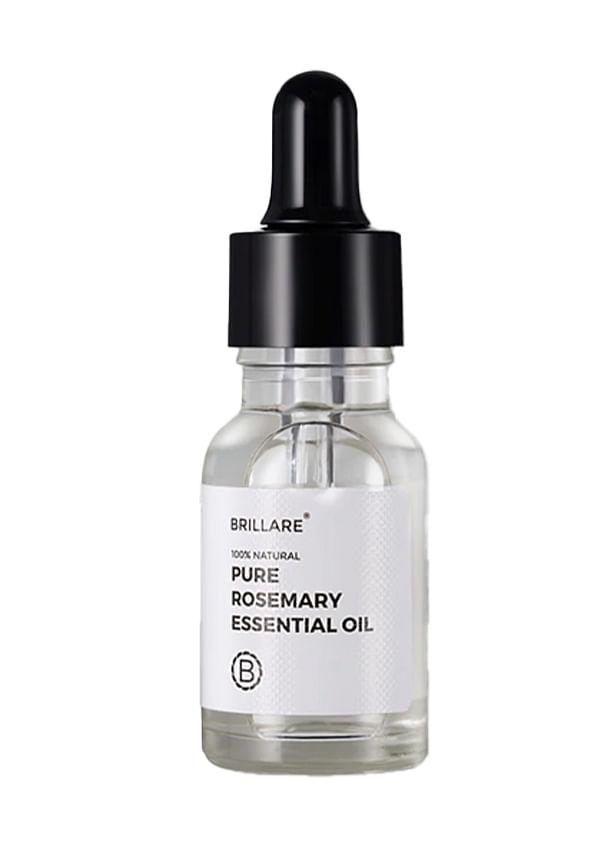
Pure Rosemary Essential Oil For Hair Growth
Helps grow baby hairs
5“This is my 2nd bottle it helps to grow many baby hairs ..but mix with carrier oil before use this”
Helps grow baby hairs
5“This is my 2nd bottle it helps to grow many baby hairs ..but mix with carrier oil before use this”
Rosemary Oil Smell Not Strong
4“the smell of oil isn't very strong compared to other rosemary oil”
While DIY treatments like rosemary water are fantastic for natural hair care, sometimes you need to explore what professional formulations can offer. Smytten, India's largest product discovery platform, connects you with over 1,500 trusted haircare brands, letting you try mini-sized products before committing to full sizes. With trial packs available for just ₹249 and 100% cashback redeemable for future purchases, you can explore professional treatments alongside your homemade remedies.
It depends on how you're using it. If you're applying it as a pre-shampoo treatment, yes—wash it out after 30 minutes. But if you're using it as a final rinse or leave-in treatment, let it stay in your hair. The key is not to over-rinse and wash away all the beneficial compounds.
When stored properly in the refrigerator, your rosemary water will stay fresh for about one week. Always check for any changes in smell or appearance before use. If it starts to smell funky or looks cloudy, it's time to make a fresh batch.
You can, but start slowly. Begin with 2-3 times per week and see how your scalp responds. Some people can handle daily use, while others might find it too stimulating. Oily hair types often tolerate daily use better than dry or sensitive scalps.
Both have their place in natural hair care. Rosemary water is gentler and can be used more frequently, making it perfect for daily maintenance. Rosemary oil is more concentrated and potent but needs careful dilution. Think of rosemary water as your daily vitamin and rosemary oil as your weekly intensive treatment.
For targeting thickness specifically, try adding nettle leaves or horsetail to your rosemary water during brewing. These herbs are known for strengthening hair strands and adding volume. You can also massage your scalp more vigorously when applying to stimulate blood flow.
When used properly, rosemary water is very safe. However, overuse can potentially cause scalp irritation or dryness. Always start with a patch test, use appropriate concentrations, and listen to your hair. If you notice any negative changes, reduce frequency or discontinue use.
Learning how to make rosemary water for hair is like discovering a secret weapon that's been hiding in plain sight. This simple, natural treatment offers real benefits backed by science, and the best part? You probably already have everything you need in your kitchen.
Remember, consistency is key with any hair growth remedy. Don't expect overnight transformations, but do expect gradual improvements in hair health, scalp condition, and overall hair quality. The journey to healthier hair doesn't have to involve expensive treatments or harsh chemicals—sometimes the most effective solutions are the simplest ones.
Whether you're just starting your natural haircare journey or looking to add another tool to your arsenal, rosemary water deserves a spot in your routine. And if you're curious about exploring other natural and professional haircare options, platforms like Smytten make it easy to discover what works for your unique hair needs without the commitment of full-size purchases. After all, why settle for maybe when you can try it all?
