How to Make Hair Silky Permanently: Expert Tips & Techniques

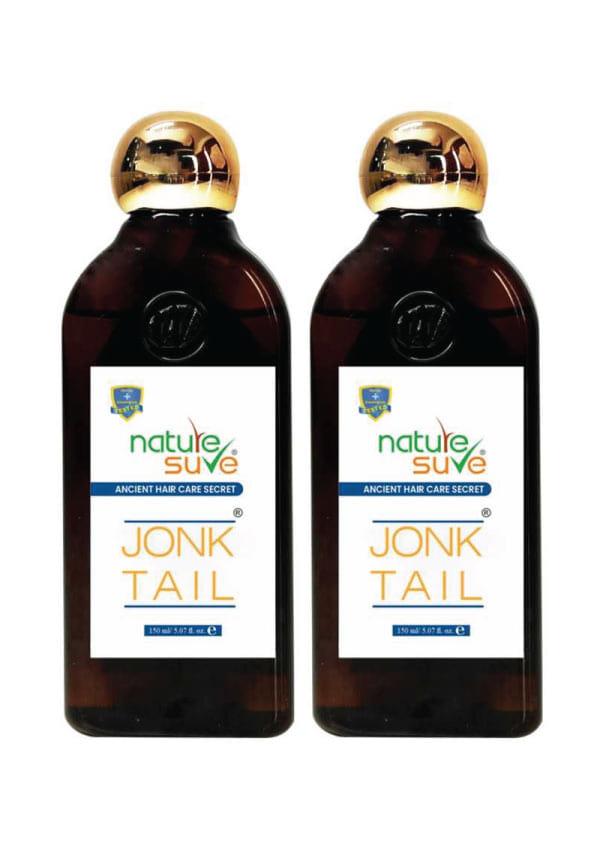
Jonk Tail Hair Oil for Men and Women
We've all been there—running your fingers through your hair and wishing it felt like silk instead of straw. Whether you're dealing with frizz, dryness, or just want that glossy, touchable texture you see in adverts, the good news is that achieving permanently silky hair isn't just a dream. It's totally doable with the right approach and a bit of patience. Real talk: there's no magic overnight fix, but there are proven techniques that can transform your hair texture for the long haul. Let's dive into the science-backed methods that actually work, from your daily routine tweaks to professional treatments worth considering.
Before we jump into the how-to, let's get nerdy for a sec about what makes hair actually feel silky. Your hair shaft has three layers: the medulla (inner core), cortex (middle layer), and cuticle (outer protective layer). When your cuticles lie flat and smooth, light reflects evenly off your hair, creating that gorgeous shine and silky feel we're all after.
The thing is, loads of factors can mess with this natural smoothness. Heat styling, chemical treatments, environmental damage, and even your genetics play a role in how your hair texture develops. Understanding this helps you target the right solutions instead of throwing random products at the problem.
Silky hair isn't just about appearance—it's about how smooth the cuticles are and how well-moisturised your hair shaft is. When your hair is properly hydrated and the cuticles are sealed, you get that slip-through-your-fingers feeling that screams healthy hair.
Here's where many people get it wrong: they focus on quick fixes like heat styling or heavy serums that mask problems temporarily. True hair texture improvement happens at the structural level through consistent care and damage repair.
Your daily routine is where the magic happens. Think of it as building a foundation—every step matters, and consistency is your best mate. The key is creating a hair conditioning regimen that works with your hair type, not against it.
Let's start with the basics and work our way up to the more advanced stuff. Trust me, even small changes in how you wash and condition can make a massive difference in your hair's texture over time.
First things first: ditch the daily washing habit if you're guilty of it. Over-washing strips your hair of natural oils that keep it smooth and protected. Most hair types benefit from washing 2-3 times a week max.
When you do wash, use lukewarm water instead of hot. Hot water opens up the cuticles too much, leading to moisture loss and frizz. Lukewarm water cleanses effectively whilst keeping your cuticles happier.
Your shampoo choice matters loads too. Sulphate-free formulas are gentler and won't strip your hair's natural oils. Look for ingredients like ceramides, amino acids, and natural oils in your products.
This is where hair hydrating tips really come into play. Deep conditioning isn't a luxury—it's essential for maintaining silky hair texture. Aim for a weekly deep conditioning session using a mask that targets your specific hair needs.
For dry or damaged hair, look for protein-free masks with ingredients like shea butter, argan oil, or hyaluronic acid. If your hair is protein-sensitive, stick to moisture-rich treatments that won't make your strands feel stiff or brittle.
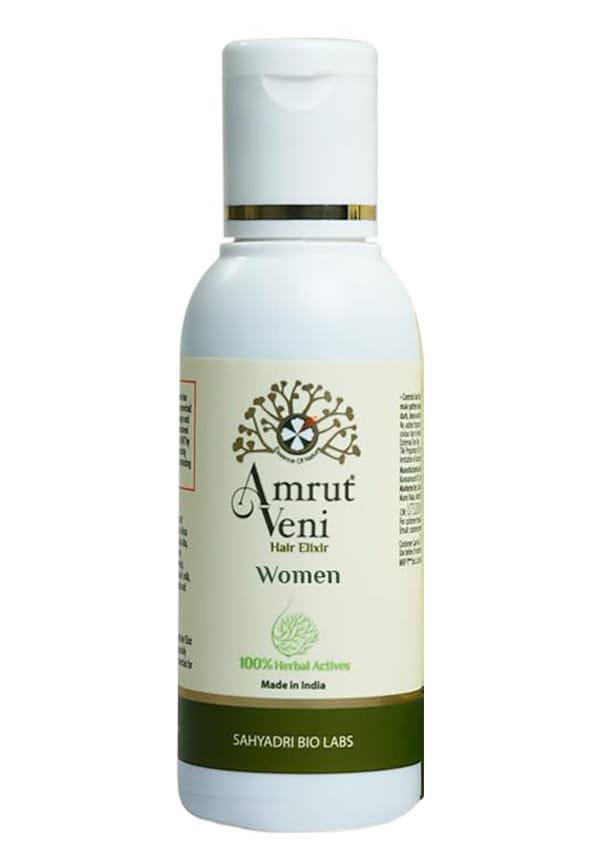
Hair Elixir Women
Ready to level up? Advanced hair smoothing techniques go beyond your basic routine and can create lasting changes in your hair texture. These methods focus on restructuring damaged hair and sealing the cuticles for that smooth, silky feel.
Professional treatments like keratin smoothing or hair glossing for shine can give you salon-worthy results that last months. However, there are also effective at-home methods that won't break the bank and can be just as transformative with consistency.
Keratin treatments are probably the most well-known hair straightening methods for achieving long-term smoothness. They work by filling in the porous areas of your hair shaft and sealing the cuticles. Results typically last 3-4 months with proper care.
Hair glossing treatments are another brilliant option if you want shine without changing your hair's natural texture. These add a protective coating that reflects light beautifully and makes your hair feel silkier.
Don't fancy the salon route? You can create your own silky hair treatment at home using ingredients you probably already have. Regular oil treatments with coconut, argan, or jojoba oil can significantly improve your hair's texture over time.
Heat-free styling techniques are also game-changers. Try plopping with a microfibre towel, using silk scrunchies, or sleeping on a satin pillowcase to reduce friction and maintain smoothness.
Sometimes the best solutions come straight from nature. Natural ingredients have been used for centuries to improve hair texture, and modern science backs up many of these traditional methods. The beauty of natural treatments is that they're gentle, affordable, and you can customise them to your hair's specific needs.
Here's the thing about natural hair care: consistency is everything. You won't see dramatic changes overnight, but with regular use, these ingredients can genuinely transform your hair's texture and overall health.
Argan oil is brilliant for adding shine and reducing frizz without weighing your hair down. It's packed with vitamin E and fatty acids that help repair damage.
Coconut oil penetrates the hair shaft better than most oils, making it perfect for deep conditioning treatments. Use it as a pre-shampoo treatment for best results.
Jojoba oil is technically a wax, which means it mimics your scalp's natural sebum. It's lightweight and perfect for daily use as a hair serum for silkiness.
Mix honey with olive oil for a deeply moisturising mask that leaves hair incredibly soft. The honey acts as a humectant, drawing moisture from the air into your hair shaft.
Avocado masks are brilliant for hair texture improvement. Mash half an avocado with a tablespoon of olive oil and apply from mid-length to ends. Leave for 20 minutes before washing out.
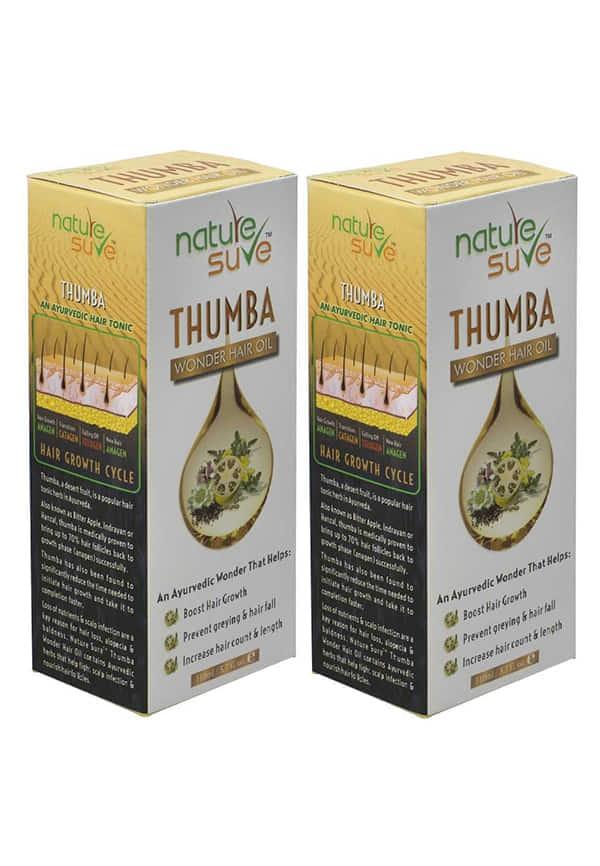
Thumba Wonder Hair Oil for Men and Women
Your hair's texture isn't just about what you put on it—it's also about what you put in your body and how you live your life. Proper nutrition, hydration, and even your sleep habits can make a significant difference in how silky and healthy your hair looks and feels.
Think of your hair as a reflection of your overall health. When you're well-nourished, hydrated, and managing stress effectively, it shows in your hair quality. Let's break down the lifestyle factors that can help you achieve that coveted silky texture.
Your hair needs specific nutrients to grow strong and smooth. Protein is crucial since hair is primarily made of keratin. Include plenty of fish, eggs, legumes, and nuts in your diet.
Omega-3 fatty acids from salmon, walnuts, and flaxseeds help keep your hair moisturised from the inside out. Iron deficiency can lead to brittle, rough hair, so make sure you're getting enough from leafy greens and lean meats.
Drinking enough water might sound basic, but it's fundamental for hair health. Dehydrated hair looks dull and feels rough, no matter what products you use.
Protect your hair from environmental damage by wearing hats in strong sun and using products with UV protection. Chlorine from swimming pools can be particularly harsh, so always rinse your hair immediately after swimming.
Preventing damage is often easier than repairing it, which is why understanding hair frizz control is crucial for maintaining silky hair long-term. Frizz happens when your hair's cuticles are raised or damaged, allowing moisture to enter and exit unpredictably.
The good news is that most frizz can be prevented with the right techniques and products. It's about creating a protective barrier around your hair shaft and keeping those cuticles sealed and smooth.
If you must use heat tools, always apply a heat protectant first. Look for products that create a barrier between your hair and temperatures above 180°C.
Lower heat settings often work just as well and cause significantly less damage. Try reducing your usual temperature by 20-30 degrees and see if you can still achieve your desired style.
Rough towel drying is one of the biggest culprits for hair texture damage. Instead, gently squeeze excess water out with a microfibre towel or an old t-shirt.
Sleep on silk or satin pillowcases to reduce friction while you toss and turn at night. This simple switch can prevent tangles and maintain your hair's smoothness overnight.
Creating permanently silky hair is a marathon, not a sprint. The most successful approach involves building sustainable habits that you can maintain long-term rather than relying on intensive treatments that you'll eventually abandon.
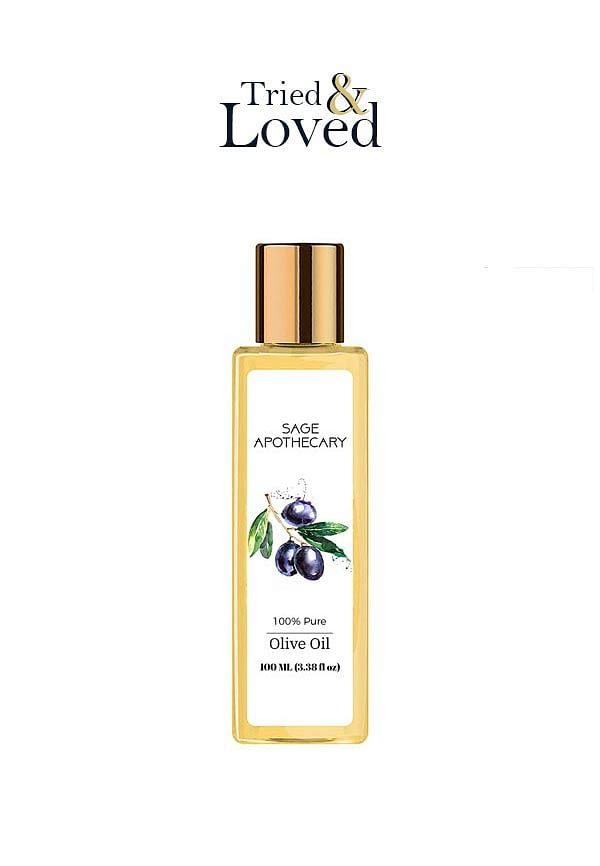
Olive Oil for Hair
Great Oil for Skin & Hair
 5
5“great oil for skin and hair. felt good after first use.”
Great Hair Product
5“Nice product for hair. Gives amazing results.”
Your personal hair care plan should be realistic, enjoyable, and tailored to your specific hair type and lifestyle. With platforms like Smytten, you can explore and experience different haircare products through trial packs before committing to full-size purchases, making it easier to find what works for your unique hair needs.
Create a realistic schedule that includes weekly deep conditioning, monthly clarifying treatments, and regular trims every 6-8 weeks. Consistency with these basics will yield better results than sporadic intensive treatments.
Track your hair's progress with photos and notes about which products and techniques work best. This helps you refine your routine over time and stick with what actually makes a difference.
Finding the right products often involves trial and error. What works for your friend might not work for you, and that's completely normal. Consider trying mini versions of products before investing in full sizes—this approach saves money and reduces waste whilst helping you discover your perfect hair care routine.
Yes, but "permanent" in hair care terms usually means long-lasting results with proper maintenance. Professional treatments can last 3-6 months, whilst consistent daily care can create lasting improvements in your hair's natural texture.
You might notice some immediate improvements from deep conditioning and proper styling techniques, but significant texture changes typically take 4-8 weeks of consistent care. Hair grows slowly, so patience is key.
Natural methods are gentler and more sustainable, but they work more slowly than professional treatments. The best approach often combines both—using natural ingredients for daily care and occasional professional treatments for dramatic improvements.
Most hair types benefit from deep conditioning once a week. However, very damaged or dry hair might need it twice weekly, whilst fine or oily hair might only need it every 10-14 days.
Hair serums are typically lighter, water-based products that provide shine and frizz control without weighing hair down. Hair oils are heavier and better for deep conditioning and repair treatments.
Getting silky hair permanently isn't about finding one miracle product—it's about creating a comprehensive routine that addresses your hair's specific needs. From proper washing techniques to weekly deep conditioning, every step contributes to your hair's overall texture and health.
Remember, what works for someone else might not work for you, and that's perfectly fine. Your hair is unique, and finding the right combination of products and techniques often requires some experimentation. This is where Smytten becomes your perfect companion—with trial packs from over 1,500 trusted brands, you can explore different haircare solutions without the commitment of full-size purchases. The platform's 100% cashback system makes it even more rewarding to discover your ideal hair care routine.
The most important thing is consistency. Small, daily efforts compound over time to create genuinely transformative results. Be patient with the process, celebrate small improvements, and remember that healthy, silky hair is absolutely achievable with the right approach. Your future self will thank you for starting this journey today.
