How to Make Hair Less Damp in Monsoon: Frizz Control Tips

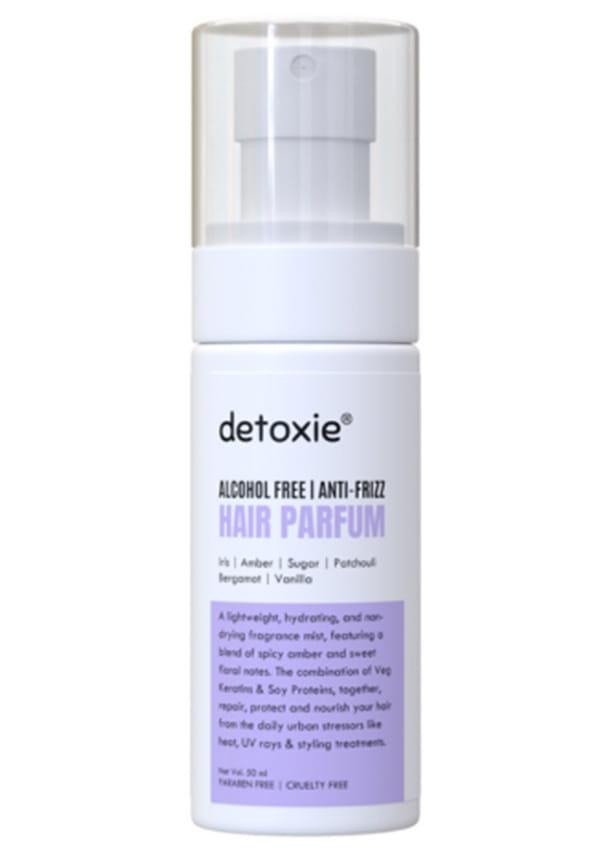
Alcohol Free Anti-Frizz Hair Parfum
Nice product with good fragrance
 4
4“Its nice product with good fragrance”
Positive Product Review
5“good for use. smells nice. can order again.”
Monsoon season brings relief from scorching heat, but it also brings a whole new set of hair challenges. If you've ever stepped out with perfectly styled hair only to return looking like you've been through a wind tunnel, you're not alone. The high humidity levels during monsoon can turn even the most manageable hair into a frizzy, damp mess that seems impossible to tame. Understanding how to make hair less damp in monsoon isn't just about looking good—it's about maintaining healthy hair that can withstand the season's unique challenges. From sudden downpours to persistent humidity, your hair faces constant moisture exposure that can lead to frizz, limpness, and even increased hair fall. The good news? With the right techniques, products, and a bit of preparation, you can keep your hair looking fresh and manageable throughout the rainy season. Whether you're dealing with naturally curly hair that becomes unruly or straight hair that goes flat, there are proven strategies to help you win the battle against monsoon hair woes. At Smytten, we understand that finding the right hair products for humid weather can be overwhelming, which is why we've curated this comprehensive guide to help you navigate monsoon haircare like a pro.
Monsoon humidity causes hair to absorb excess moisture, leading to frizz and dampness
Pre-monsoon preparation with deep conditioning and protein treatments sets your hair up for success
Daily routines should focus on gentle cleansing, leave-in protection, and humidity-blocking products
Natural remedies like coconut oil masks and rice water treatments can complement commercial products
Protective styling and proper drying techniques are crucial for managing frizzy hair during monsoon
Let's be real—monsoon weather is basically your hair's biggest nemesis. The science behind this hair drama is actually quite fascinating. When humidity levels spike above 60%, your hair acts like a tiny sponge, absorbing moisture from the air. This happens because hair is naturally porous, and the cuticles (the outer layer of your hair shaft) lift up when exposed to humidity, allowing moisture to penetrate.
The result? Your carefully styled hair transforms into a frizzy, damp mess faster than you can say "monsoon madness." But it's not just about the frizz—humidity can also make your hair feel heavy, limp, and greasy at the roots while remaining dry at the ends. This creates an uneven moisture distribution that's particularly frustrating to manage.
During the rainy season, you might notice several hair issues cropping up. Hair fall tends to increase due to the constant dampness weakening hair strands. Your scalp might become oilier as it overcompensates for the perceived dryness, while your hair ends remain parched. Frizz becomes your constant companion, and styling products seem to lose their effectiveness within hours of application.
Understanding your hair's porosity level is crucial for effective monsoon hair problems solutions. High porosity hair absorbs moisture quickly but also loses it just as fast, making it prone to frizz and dryness. Low porosity hair, on the other hand, repels moisture initially but once saturated, takes forever to dry. Knowing your hair type helps you choose the right humidity hair solutions.
Think of pre-monsoon hair prep like weatherproofing your home before a storm. The better you prepare, the less damage you'll face when the humidity hits. Start this routine at least two weeks before monsoon season begins for the best results.
Deep conditioning treatments become your best friend during this phase. Look for masks containing ingredients like keratin, argan oil, or shea butter that can help seal your hair cuticles and create a protective barrier against humidity.
Protein treatments are worth obsessing over if you want to strengthen your hair before the monsoon onslaught. These treatments help fill in gaps in damaged hair cuticles, making your strands less porous and more resistant to humidity. Consider getting a professional keratin treatment if your budget allows—it can significantly reduce frizz and make your hair more manageable throughout the season.
Trimming those split ends isn't just about aesthetics—damaged ends are more likely to absorb moisture and become frizzy. A good trim removes weak points that could worsen during humid weather. Also, start switching to sulfate-free shampoos and lightweight, humidity-blocking conditioners at least a month before monsoon begins.
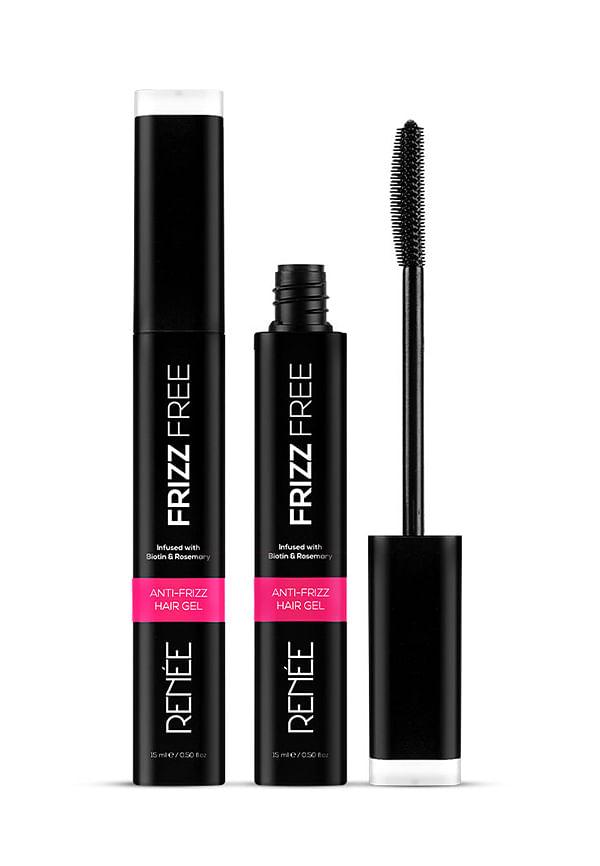
Frizz Free Anti Frizz Hair Gel
Good Quality and Service
5“Quality is very good sarvise is very good 👍 e”
Makes hair silky and shiny
4“too good this makes my hair too slik and shine”
Useful for baby hairs
4“very very useful product for baby hairs”
Your daily routine during monsoon needs to be strategic and consistent. The key is finding the right balance between cleansing and moisture without overwhelming your hair. Over-washing strips natural oils, making your hair more susceptible to humidity damage, while under-washing can lead to scalp issues.
The golden rule? Wash your hair only 2-3 times per week during monsoon, unless you have extremely oily hair. On non-wash days, use dry shampoo to absorb excess oil and refresh your roots.
Start your morning routine with a leave-in conditioner applied to damp (not soaking) hair. This creates a protective layer that helps prevent moisture absorption from humid air. Follow up with a lightweight anti-frizz serum, focusing on the mid-lengths and ends of your hair. Avoid applying products directly to your roots unless you have very dry hair.
Your evening routine is all about repair and protection. Apply a nourishing hair oil or overnight treatment mask once or twice a week. Silk pillowcases are your kind of pick for reducing friction and preventing frizz while you sleep. If your hair is damp from the day's humidity, gently squeeze out excess moisture with a microfiber towel before applying any treatments.
Choosing the right hair products for humid weather can make or break your monsoon hair game. The trick is layering lightweight products that work together to create a humidity barrier without weighing your hair down. Think of it as building a shield around each hair strand.
Anti-humidity products typically contain silicones or polymers that form a protective film on your hair. While some people avoid silicones, they can be incredibly effective during monsoon season when used correctly and removed with clarifying shampoos weekly.
Leave-in conditioners are non-negotiable during monsoon. Look for formulas that specifically mention humidity protection or anti-frizz benefits. Lightweight oils like argan or jojoba can also work wonders when applied sparingly to damp hair. The key is finding products that provide moisture without making your hair feel heavy or greasy.
Gels tend to work better than mousses in high humidity because they create a stronger hold. However, if you have fine hair, a lightweight mousse might be your better bet. Cream-based products are perfect for thick, coarse hair that needs extra moisture and frizz control. Always finish with a humidity-resistant setting spray for maximum protection.
Hair styling during monsoon requires a completely different approach than your regular routine. The goal is to work with the humidity rather than against it. This means embracing your hair's natural texture and finding styles that actually benefit from a bit of moisture in the air.
Heat styling should be minimised during monsoon since the humidity will likely undo your efforts within hours. Instead, focus on techniques that enhance your hair's natural pattern while providing frizz control.
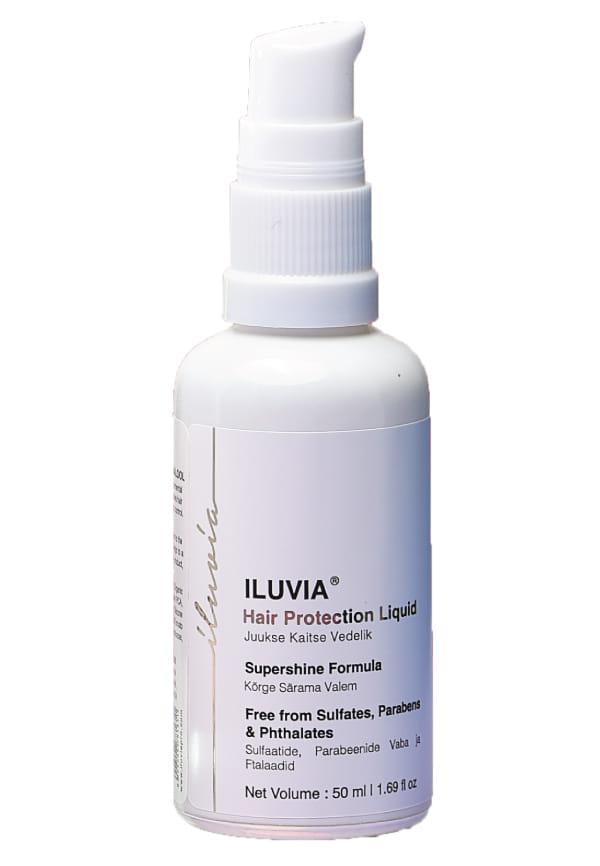
Hair Protections Liquid | Frizz control with super shiny hair + Heat Protection
Air-drying becomes your best friend during monsoon, but it needs to be done correctly to prevent frizz. The plopping method—wrapping wet hair in a microfiber towel or cotton t-shirt—helps absorb excess water without disturbing your hair's natural curl pattern. This technique works for all hair types and significantly reduces drying time.
Protective styles like braids, buns, and twists are lifesavers on particularly humid days. These styles keep your hair contained and prevent it from absorbing too much moisture from the air. A sleek low bun with some texturising spray can look polished while keeping frizz at bay. For emergency touch-ups, keep a small bottle of diluted leave-in conditioner in your bag for quick frizz fixes.
Sometimes the best solutions are sitting right in your kitchen. Natural ingredients can be incredibly effective for monsoon hair care, often providing results that rival expensive salon treatments. The bonus? You know exactly what you're putting on your hair, and most of these remedies are budget-friendly.
These DIY treatments work best when used consistently as part of your weekly hair care routine. They're particularly effective for those who prefer natural alternatives or have sensitive scalps that react to commercial products.
A coconut oil and honey mask is worth a try for deep conditioning and humidity protection. Mix two tablespoons of coconut oil with one tablespoon of honey, apply to damp hair, and leave for 30 minutes before washing. This combination helps seal the hair cuticle while providing intense moisture. Aloe vera gel mixed with a few drops of essential oil can also create a lightweight, natural leave-in treatment.
Rice water has become quite the trend, and for good reason. The amino acids and vitamins in rice water can help strengthen hair and reduce frizz. Simply rinse cooked rice water through your hair after shampooing and leave for 5-10 minutes before rinsing. Green tea rinses work similarly, providing antioxidants that can help protect hair from environmental damage while adding shine.
Hair fall during monsoon is a common concern that goes beyond just humidity-related frizz. The constant dampness, increased washing frequency, and harsh towel drying can all contribute to weakened hair strands that break more easily. Understanding the root causes helps you address the problem more effectively.
Monsoon-related hair fall is often temporary and can be significantly reduced with proper care techniques. The key is being gentle with your hair when it's most vulnerable—when it's wet.
Scalp health becomes crucial during monsoon season. A healthy scalp produces healthy hair, so focus on keeping your scalp clean without over-washing. Use a gentle, sulfate-free shampoo and massage your scalp with your fingertips (not nails) to improve circulation. Avoid tight hairstyles that can put stress on your hair follicles, especially when your hair is damp and more fragile.
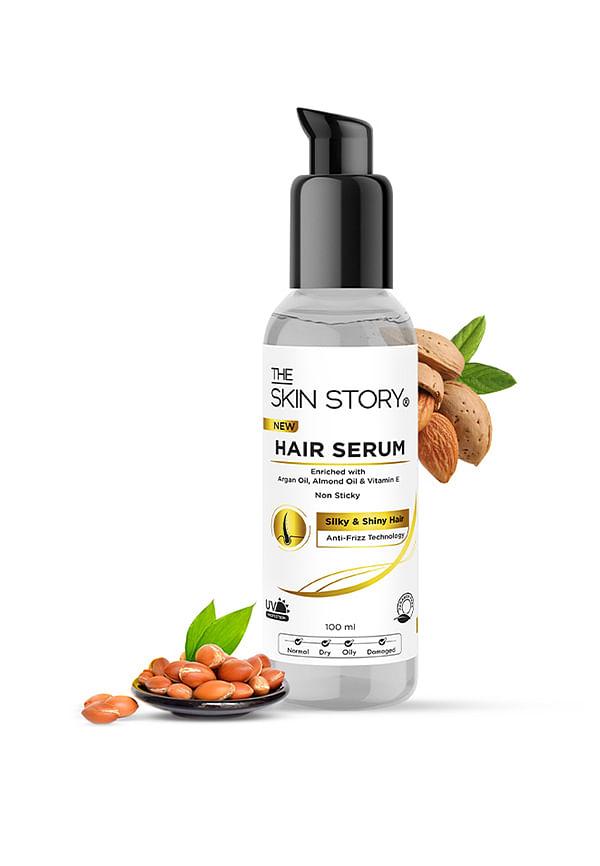
Hair Serum With Anti Frizz Technology And UV Protection, Non-Sticky For Silky Hair
Nice Product, Go For It
5“nice product go for it 💯💯💯💯”
Love and Recommend Product
5“I love this product. I'll definitely recommend this”
Fabulous Product
5“its fabulous loved everything about it”
Protein treatments can help fortify your hair against monsoon damage, but they should be used sparingly—once every 2-3 weeks at most. Over-proteining can make hair brittle and prone to breakage. Regular scalp massages with oils like rosemary or peppermint can stimulate blood flow and promote healthy hair growth. Don't forget that what you eat also affects your hair health—ensure you're getting enough iron, biotin, and omega-3 fatty acids in your diet.
Apply a leave-in conditioner to damp hair, use anti-humidity serums, avoid touching your hair throughout the day, and sleep on silk pillowcases. Also, try the "praying hands" method when applying products to smooth the hair cuticle.
Use a microfiber towel or cotton t-shirt to gently squeeze out excess water instead of rubbing. Air-dry when possible, or use a diffuser on low heat if you must use a blow dryer. Never brush wet hair—use a wide-tooth comb instead.
Limit washing to 2-3 times per week unless you have extremely oily hair. Over-washing strips natural oils that protect against humidity. Use dry shampoo between washes to refresh your roots and absorb excess oil.
While you can use regular products, switching to humidity-resistant formulas will give you better results. Look for products specifically designed for humid weather or those containing anti-humidity ingredients. Smytten offers trial packs of various monsoon-friendly hair products, so you can test what works best for your hair type before committing to full-size purchases.
Coconut oil, aloe vera, rice water, and apple cider vinegar are excellent natural frizz-fighters. These ingredients help seal the hair cuticle and provide moisture without weighing hair down. Use them as weekly treatments for best results.
Managing hair during monsoon season doesn't have to be a constant battle. The key lies in understanding how humidity affects your specific hair type and adjusting your routine accordingly. Pre-monsoon preparation with deep conditioning and protein treatments sets a strong foundation, while daily care focuses on gentle cleansing and protective styling.
Remember that consistency is more important than perfection. It's better to follow a simple routine religiously than to try complex treatments sporadically. Natural remedies can be incredibly effective when used alongside commercial products, and don't underestimate the power of protective hairstyles on particularly humid days.
Most importantly, be patient with your hair during this challenging season. What works for others might not work for you, so don't be afraid to experiment with different techniques and products until you find your perfect monsoon hair routine.
Finding the right products for your monsoon hair routine can feel overwhelming with so many options available. This is where Smytten becomes your perfect companion for monsoon hair care discovery. As India's largest product discovery and trial platform, Smytten connects you with over 2,400 trusted brands including WishCare, Love Beauty & Planet, and Swiss Beauty, offering curated trial packs that let you test hair products before committing to full-size purchases. You can get up to 10 trial minis for just ₹279, with 100% cashback on trials redeemable for future orders. Whether you're looking for anti-humidity serums, leave-in conditioners, or natural hair masks, Smytten's authentic brand-verified minis let you try before you buy, ensuring you find products that actually work for your hair type. With PAN-India delivery and 90% pin code coverage, discovering your perfect monsoon haircare routine has never been easier. After all, why settle for maybe when you can try it all and find what truly works for your hair during the challenging monsoon season.
